The origins of the space program can be traced back to the mid-20th century, a time marked by intense geopolitical rivalry and technological ambition. The launch of Sputnik 1 by the Soviet Union in 1957 ignited a fervor for space exploration that would shape the future of humanity. This historic event not only marked the first artificial satellite to orbit the Earth but also signaled the dawn of the Space Age.
The United States, feeling the pressure of this unexpected achievement, quickly mobilized its resources to establish its own space program, leading to the formation of NASA in 1958. This agency would become the cornerstone of American space exploration efforts, setting ambitious goals that would push the boundaries of science and technology. In the early years, the focus was primarily on developing the necessary technology to send humans and equipment into space.
The Mercury and Gemini programs laid the groundwork for human spaceflight, with astronauts like John Glenn and Neil Armstrong becoming household names. These missions were not merely about reaching new heights; they were about demonstrating national prowess and technological superiority during the Cold War. The excitement surrounding these early missions captured the imagination of the public and inspired a generation to dream about the possibilities that lay beyond Earth’s atmosphere.
Key Takeaways
- The space program originated from early government initiatives focused on exploration and defense.
- Numerous classified missions and advanced technologies remain undisclosed to the public.
- Collaboration between government agencies and international partners has been crucial for progress.
- Ethical concerns and controversies continue to shape the discourse around space exploration.
- Future space endeavors aim to balance innovation with moral responsibility and global cooperation.
Classified Missions and Projects
As the space race intensified, so did the need for secrecy surrounding certain missions and projects. Many initiatives were classified, driven by national security concerns and the desire to maintain a competitive edge over rival nations. The U.S. government undertook numerous covert operations, often under the auspices of NASA or military agencies, to gather intelligence and develop advanced technologies. These classified missions included reconnaissance satellites designed to monitor enemy activities and assess potential threats from above. One notable example is the CORONA program, which utilized high-altitude reconnaissance satellites to capture images of Soviet missile sites and military installations. Launched in the 1960s, these satellites provided invaluable intelligence that shaped U.S. foreign policy during a critical period in history. The success of such classified projects underscored the dual-use nature of space technology, where advancements in exploration could also serve military objectives. This intersection of science and defense would continue to influence space endeavors for decades to come.
The Role of Government Agencies
Government agencies have played a pivotal role in shaping the trajectory of space exploration. In addition to NASA, other organizations such as the National Oceanic and Atmospheric Administration (NOAA) and the National Reconnaissance Office (NRO) have contributed significantly to our understanding of space and Earth’s environment. These agencies often collaborate on projects that require a blend of scientific expertise and technological innovation, ensuring that data collected from space can be utilized for various applications, from weather forecasting to national security.
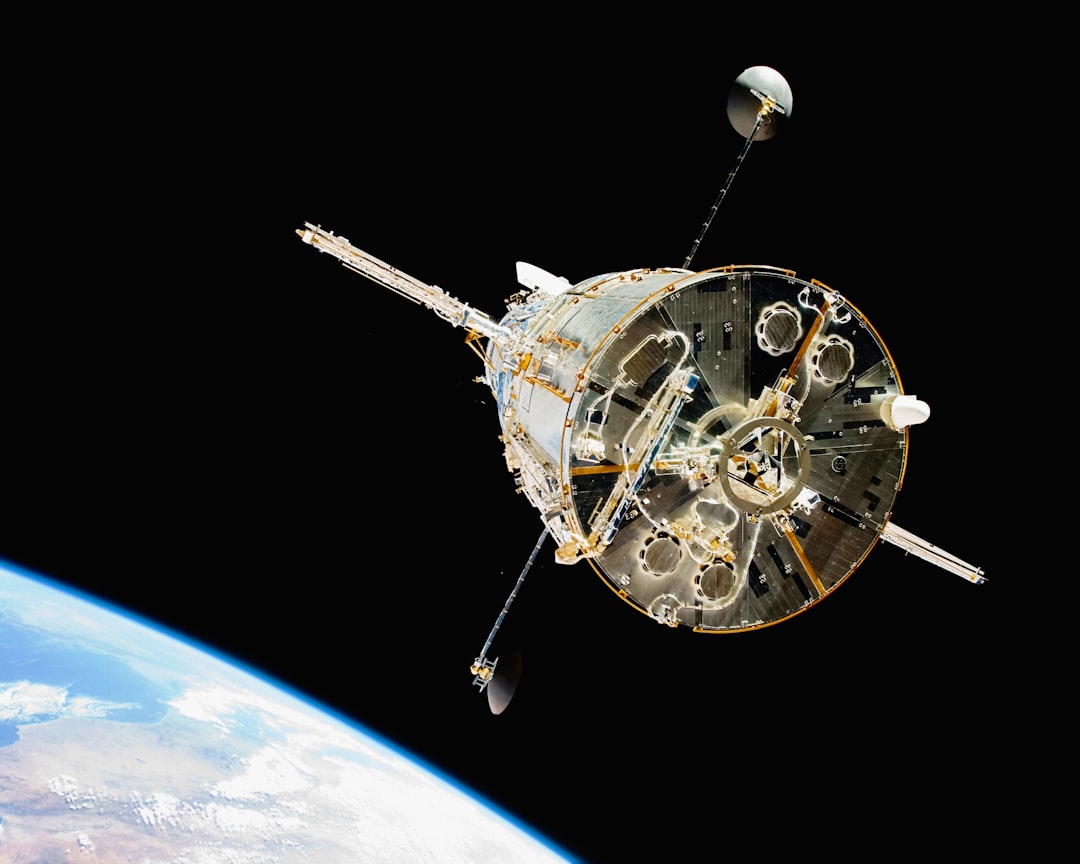
Moreover, government funding has been crucial in propelling space exploration forward. The financial backing provided by federal budgets has allowed agencies to undertake ambitious missions that would otherwise be impossible. This funding has facilitated groundbreaking projects like the Hubble Space Telescope and Mars rovers, which have expanded humanity’s knowledge of the universe.
However, as private companies increasingly enter the space sector, there is an ongoing debate about the future role of government agencies in this evolving landscape.
Unmanned Spacecraft and Satellites
Unmanned spacecraft and satellites have revolutionized our understanding of space and Earth alike. These robotic explorers have ventured into regions of our solar system that are inhospitable to human life, gathering data that has transformed scientific knowledge. Missions such as Voyager 1 and 2 have traveled beyond the outer planets, providing insights into the heliosphere and interstellar space.
Their findings have reshaped our understanding of cosmic phenomena and our place within the universe. Satellites, on the other hand, have become integral to modern life on Earth. They facilitate global communication, weather monitoring, and navigation systems that millions rely on daily.
The deployment of satellite constellations has enabled real-time data collection and analysis, enhancing our ability to respond to natural disasters and climate change. As technology continues to advance, unmanned spacecraft are expected to play an even more significant role in future explorations, paving the way for deeper understanding and potential colonization of other celestial bodies.
Space Exploration and Discoveries
| Metric | Details |
|---|---|
| Program Name | Classified Space Operations |
| Agency | Unknown Government Entity |
| Estimated Budget | Classified |
| Launch Sites | Multiple undisclosed locations |
| Number of Missions | Top secret, estimated 10-20 |
| Technology Level | Advanced propulsion and stealth technology |
| Primary Objectives | Surveillance, reconnaissance, and defense |
| Known Public Information | Minimal, mostly speculative |
The quest for knowledge about our universe has led to remarkable discoveries that have captivated scientists and enthusiasts alike. From the first images of distant galaxies captured by powerful telescopes to the detailed mapping of Mars’ surface by rovers like Curiosity and Perseverance, each mission has unveiled new mysteries waiting to be explored. The discovery of water ice on Mars has reignited discussions about the potential for life beyond Earth, while missions to asteroids have provided insights into the building blocks of our solar system.
Furthermore, space exploration has yielded unexpected benefits for life on Earth. Technologies developed for space missions have found applications in various fields, including medicine, telecommunications, and environmental monitoring. Innovations such as satellite imaging have revolutionized agriculture by allowing farmers to monitor crop health from above.
As humanity continues its journey into space, each discovery not only expands scientific knowledge but also enhances life on our home planet.
Top Secret Technologies and Innovations
The pursuit of space exploration has often been accompanied by groundbreaking technological innovations, many of which remain classified or shrouded in secrecy. The development of advanced propulsion systems, materials science breakthroughs, and satellite technology has been driven by both civilian and military interests. For instance, technologies initially designed for space missions have led to advancements in aerospace engineering that benefit commercial aviation.
Moreover, some innovations have emerged from classified projects aimed at enhancing national security capabilities. Stealth technology used in military aircraft has roots in research conducted for space applications.
As nations continue to invest heavily in space-related technologies, it becomes increasingly important to balance innovation with ethical considerations regarding their use.
Collaboration with International Partners
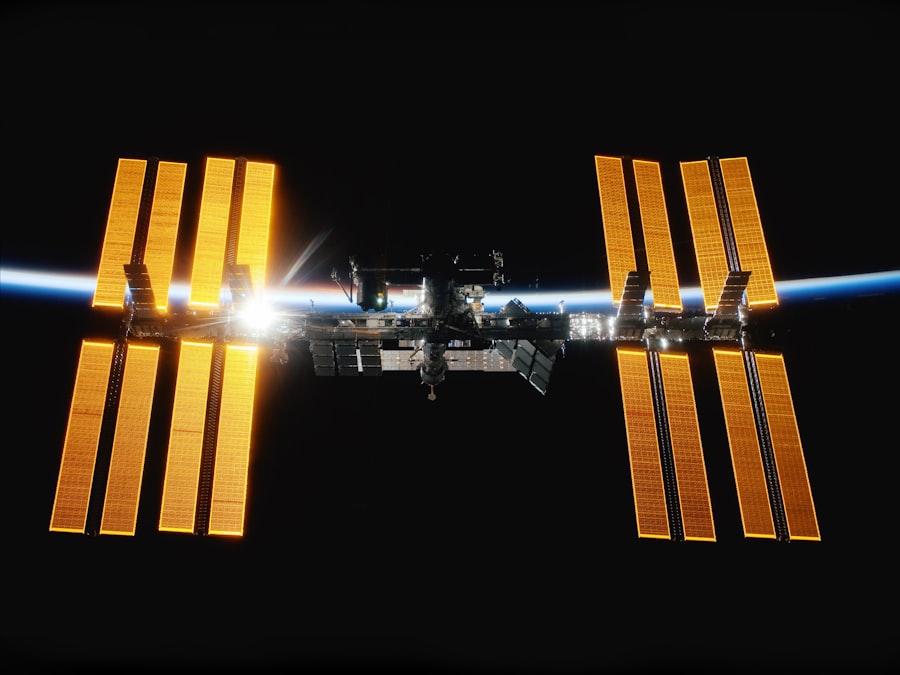
In recent years, international collaboration has become a hallmark of space exploration efforts. Recognizing that many challenges transcend national borders, countries have come together to share knowledge, resources, and expertise. Initiatives like the International Space Station (ISS) exemplify this spirit of cooperation, bringing together astronauts from various nations to conduct scientific research in a unique microgravity environment.
Collaborative missions not only enhance scientific output but also foster diplomatic relations among participating countries. Joint ventures between agencies such as NASA, ESA (European Space Agency), Roscosmos (Russian Federal Space Agency), and others have led to significant advancements in our understanding of space phenomena. As humanity looks toward future endeavors like lunar bases or Mars colonization, continued collaboration will be essential in pooling resources and expertise for these ambitious projects.
The Race for Space Dominance
The competition for dominance in space has intensified in recent years as new players enter the arena. While the United States and Russia were once the primary contenders during the Cold War era, nations like China and India have emerged as formidable forces in space exploration. China’s ambitious lunar missions and plans for Mars exploration demonstrate its commitment to becoming a leader in this domain.
This renewed race for space dominance is not solely about scientific achievement; it also encompasses economic interests and national security concerns. Countries are increasingly recognizing that control over space resources could yield significant advantages in terms of technology development and strategic positioning. As private companies like SpaceX and Blue Origin further disrupt traditional paradigms with innovative approaches to launch services and spacecraft design, the landscape of space exploration is evolving rapidly.
Controversies and Conspiracy Theories
The realm of space exploration is not without its controversies and conspiracy theories that often capture public attention. From debates over funding priorities to questions about transparency in government programs, various issues have sparked heated discussions among scientists, policymakers, and citizens alike. Some critics argue that resources allocated for space exploration could be better spent addressing pressing issues on Earth, such as poverty or climate change.
Additionally, conspiracy theories surrounding events like moon landings or secret government projects have proliferated over time. While many claims lack credible evidence, they reflect a broader skepticism toward governmental institutions and their motives regarding space exploration. These theories can undermine public trust in legitimate scientific endeavors while highlighting the need for effective communication between scientists and society at large.
The Future of Space Exploration
Looking ahead, the future of space exploration holds immense promise as humanity stands on the brink of new frontiers. With advancements in technology enabling more ambitious missions than ever before, plans for returning humans to the Moon through NASA’s Artemis program are already underway.
Moreover, private companies are poised to play an increasingly significant role in shaping this future landscape. With innovations in reusable rocket technology reducing costs dramatically, access to space is becoming more democratized than ever before. As commercial ventures expand into areas like asteroid mining or tourism beyond Earth’s atmosphere, new opportunities will arise for scientific research and economic growth.
Ethical and Moral Considerations
As humanity ventures further into space, ethical and moral considerations will become paramount in guiding decision-making processes related to exploration efforts. Questions surrounding planetary protection—ensuring that Earth organisms do not contaminate other celestial bodies—will require careful deliberation among scientists and policymakers alike. Additionally, discussions about potential colonization raise concerns about ownership rights over extraterrestrial resources and their implications for future generations.
Furthermore, as artificial intelligence plays an increasingly prominent role in autonomous spacecraft operations or data analysis from distant worlds, ethical dilemmas regarding accountability arise. Who is responsible if an AI system makes a decision with unintended consequences? Addressing these complex issues will necessitate collaboration among scientists, ethicists, policymakers, and society at large as humanity navigates its path into an uncertain yet exciting future among the stars.
In conclusion, the journey through space exploration is one marked by triumphs and challenges alike—an odyssey that reflects humanity’s insatiable curiosity about what lies beyond our planet while grappling with profound ethical questions along the way. As we stand at this crossroads between past achievements and future possibilities, it is essential to approach our endeavors with both ambition and responsibility as we seek answers among the stars.
In exploring the intriguing world of government secrets and space programs, one can find a wealth of information on the topic at XFile Findings. This site delves into various aspects of classified projects and the mysteries surrounding them, offering insights that pique the curiosity of enthusiasts and researchers alike. Whether you’re interested in historical accounts or the latest developments, XFile Findings serves as a valuable resource for uncovering the hidden narratives of our government’s space endeavors.
WATCH THIS! 🛰️125 Years of Hidden Signals: What NASA Just Admitted About the Black Knight Satellite
FAQs
What is a government space program?
A government space program is an organized effort by a national government to explore, study, and utilize outer space. These programs often involve satellite launches, space exploration missions, scientific research, and sometimes military applications.
Are there government secrets related to space programs?
Yes, many governments keep certain aspects of their space programs classified for reasons including national security, technological advantage, and military secrecy. This can include details about advanced spacecraft, surveillance satellites, or experimental technologies.
Which countries have government space programs?
Several countries have established government space programs, including the United States (NASA), Russia (Roscosmos), China (CNSA), the European Union (ESA), India (ISRO), and others. Each program has its own objectives and levels of transparency.
Why do governments keep some space program information secret?
Governments may classify information to protect sensitive technology, maintain strategic military advantages, prevent espionage, and control the dissemination of information that could impact national security.
Have any government space secrets been declassified?
Yes, over time, some previously classified information about space programs has been declassified and made public. This can include mission details, technical data, and historical records, often after a set period or when the information is no longer deemed sensitive.
Do government space programs involve military activities?
Many government space programs have military components, such as reconnaissance satellites, missile warning systems, and space-based defense technologies. These activities are often classified to protect national security interests.
Can civilians access information about government space programs?
While some information is publicly available through official channels, scientific publications, and media releases, classified or sensitive details remain restricted to authorized personnel within the government or military.
What role do government space programs play in scientific research?
Government space programs contribute significantly to scientific knowledge by conducting space exploration missions, studying planetary bodies, monitoring Earth’s environment, and advancing technology for space travel and communication.
Are conspiracy theories about government space secrets credible?
Many conspiracy theories exist regarding government space secrets, but most lack credible evidence. Official information and scientific data provide the most reliable sources for understanding government space activities.
How can one learn more about government space programs?
To learn more, individuals can access official government websites, space agency publications, scientific journals, documentaries, and attend public lectures or events related to space exploration.