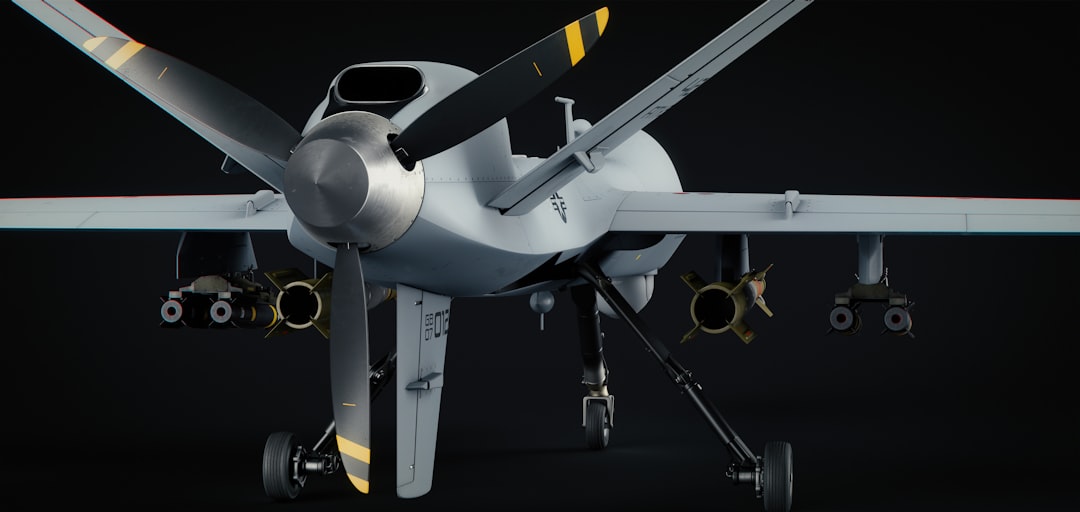
Advanced acoustic weapon technology represents a developing category of military and law enforcement equipment that employs sound waves to affect human targets. These systems generate high-intensity audio frequencies designed to cause discomfort, disorientation, or temporary incapacitation without causing permanent physical harm. Military organizations and security agencies have investigated acoustic weapons as alternatives to conventional lethal force in specific operational contexts.
Current acoustic weapon systems typically operate by producing focused sound beams at frequencies and amplitudes that can cause pain, hearing discomfort, or balance disruption in targeted individuals. The effective range of these devices varies depending on the specific technology and power output, with most systems functioning optimally at distances of several meters to hundreds of meters. Research has focused on optimizing frequency ranges that maximize discomfort while minimizing permanent hearing damage.
The technology has applications in crowd dispersal, perimeter security, and military operations where non-lethal force options are preferred. However, the deployment of acoustic weapons raises considerations regarding their effects on human health, potential for misuse, and compliance with international laws governing weapons systems. Medical research continues to examine the short-term and long-term physiological impacts of exposure to high-intensity directed sound, particularly regarding hearing damage and other health consequences.
Many people have reported [USO sightings] near coastal areas around the world.
Key Takeaways
- Advanced acoustic weapons use focused sound waves to incapacitate or disorient targets without traditional physical damage.
- These weapons have a history of government use, evolving from basic sonic devices to sophisticated technology.
- Ethical, legal, and health concerns arise due to potential misuse and long-term effects on human health.
- Acoustic weapons offer advantages like non-lethality and precision but also face limitations compared to conventional arms.
- Ongoing research aims to improve effectiveness while addressing safety, with future implications for warfare and international diplomacy.
History of Acoustic Weaponry in Government Use
The concept of using sound as a weapon is not a recent phenomenon; it has roots that trace back to ancient civilizations. Historical accounts suggest that various cultures experimented with sound-based tactics, such as using drums or horns to intimidate enemies. However, the formal development of acoustic weaponry began in earnest during the 20th century, particularly during the Cold War era.
In the latter half of the 20th century, various military organizations began to explore the practical applications of acoustic weapons. The U.S.
military, for instance, conducted research into devices that could emit high-decibel sounds to disperse crowds or incapacitate adversaries without causing permanent harm. These early experiments laid the groundwork for more sophisticated technologies that would emerge in the following decades. As governments sought to balance the need for effective defense mechanisms with humanitarian considerations, acoustic weaponry became a focal point for innovation.
How Advanced Acoustic Weapons Work
Advanced acoustic weapons operate on principles of sound wave manipulation and propagation. These devices can generate sound waves at specific frequencies and intensities, allowing them to target individuals or groups with precision. The technology often involves transducers that convert electrical energy into sound energy, creating focused beams of sound that can travel significant distances.
Depending on the design and intended use, these weapons can produce a range of effects, from mild discomfort to severe pain. One common type of advanced acoustic weapon is the Long Range Acoustic Device (LRAD), which is designed to project sound over long distances. LRADs can emit warnings or commands while also being capable of delivering painful sound levels to deter potential threats.
The effectiveness of these devices lies in their ability to create a psychological impact on targets, often causing confusion or fear without resorting to physical violence. As research continues, advancements in materials and engineering are likely to enhance the capabilities and applications of these weapons further.
Potential Applications of Advanced Acoustic Weapon Technology
The potential applications of advanced acoustic weapon technology are vast and varied, spanning military, law enforcement, and even civilian sectors. In military contexts, these weapons can serve as non-lethal options for crowd control during peacekeeping missions or urban warfare scenarios. By incapacitating adversaries without causing permanent harm, military forces can achieve their objectives while minimizing collateral damage and civilian casualties.
In law enforcement, acoustic weapons can be employed for riot control or to disperse large gatherings without resorting to traditional means such as tear gas or rubber bullets. The ability to project sound at high volumes can help maintain order during protests or other potentially volatile situations. Additionally, there are emerging applications in wildlife management, where acoustic deterrents are used to keep animals away from populated areas or agricultural lands.
As technology evolves, new uses for advanced acoustic weapons may continue to emerge across various fields.
Ethical and Legal Implications of Acoustic Weapons
| Metric | Description | Typical Range/Value | Notes |
|---|---|---|---|
| Frequency Range | Operational frequency of acoustic weapons | 1 kHz to 20 kHz (audible), up to 100 kHz (ultrasonic) | Varies by weapon type; ultrasonic used for non-lethal effects |
| Sound Pressure Level (SPL) | Intensity of sound produced | 120 dB to 180 dB | Levels above 140 dB can cause pain and disorientation |
| Effective Range | Distance over which the weapon is effective | 10 meters to 500 meters | Depends on device power and environment |
| Power Output | Acoustic power emitted by the device | Up to several kilowatts | Higher power increases range and effect |
| Deployment Platforms | Typical platforms for acoustic weapons | Handheld, vehicle-mounted, stationary | Used for crowd control and perimeter defense |
| Primary Effects | Intended physiological or psychological effects | Disorientation, nausea, pain, temporary hearing loss | Non-lethal but can cause temporary incapacitation |
| Countermeasures | Methods to mitigate effects | Ear protection, sound dampening materials | Effectiveness varies with weapon type and intensity |
The deployment of advanced acoustic weapons raises significant ethical and legal questions that must be carefully considered. One primary concern is the potential for misuse or overreach by authorities who may employ these tools inappropriately against civilians. The line between maintaining public safety and infringing on individual rights can become blurred when non-lethal weapons are used in crowd control situations.
This necessitates clear guidelines and regulations governing their use to prevent abuse. International law also plays a crucial role in shaping the discourse around acoustic weapons. The principles of proportionality and distinction in armed conflict require that any use of force must be necessary and appropriate to the situation at hand.
As nations develop and deploy these technologies, they must navigate complex legal frameworks that govern warfare and human rights. The challenge lies in ensuring that advanced acoustic weapons are used responsibly and ethically while still providing effective means for defense and security.
Advantages and Disadvantages of Acoustic Weapons Compared to Traditional Weapons
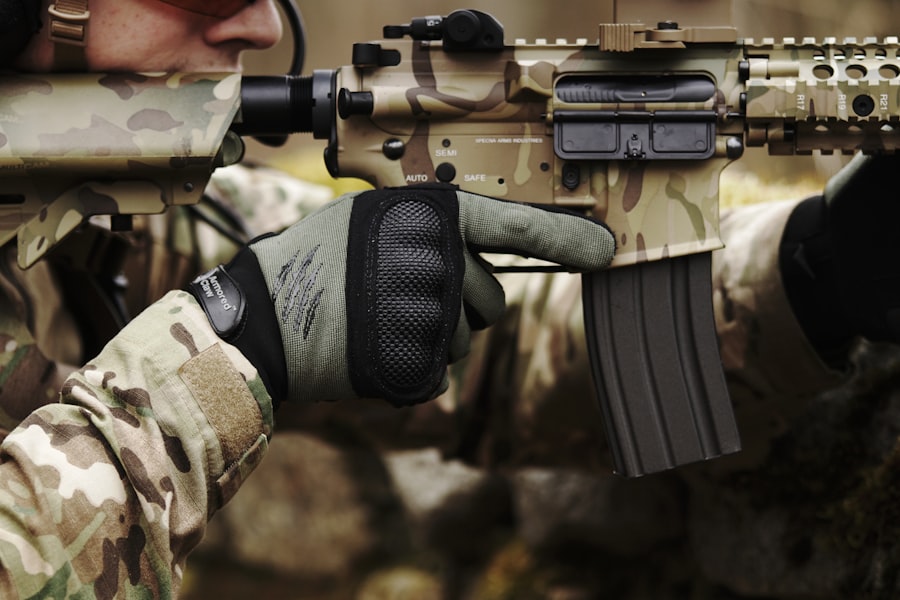
When comparing advanced acoustic weapons to traditional firearms and explosives, several advantages become apparent. One significant benefit is their non-lethal nature, which allows for the incapacitation of targets without causing permanent injury or death. This characteristic makes them particularly appealing for law enforcement agencies seeking to manage crowds or diffuse tense situations without escalating violence.
Additionally, acoustic weapons can be deployed at a distance, reducing the risk to personnel involved in confrontations. However, there are also notable disadvantages associated with acoustic weapons. Their effectiveness can vary based on environmental factors such as wind direction and terrain, which may limit their operational capabilities in certain situations.
Furthermore, while they are designed to be non-lethal, there is still a risk of causing unintended harm or psychological trauma to individuals exposed to high-intensity sound waves. This complexity necessitates careful consideration when integrating acoustic weapons into existing military and law enforcement strategies.
Development and Research of Advanced Acoustic Weapon Technology
The development and research surrounding advanced acoustic weapon technology have accelerated in recent years as governments and private entities recognize its potential applications. Military research institutions have invested significant resources into exploring new designs and improving existing systems. This includes advancements in sound wave generation techniques, materials science, and miniaturization technologies that allow for more portable and versatile devices.
Collaboration between government agencies and private companies has also played a crucial role in advancing this field. Startups specializing in acoustic technology have emerged, bringing innovative ideas and solutions to the market.
The ongoing research efforts aim not only to enhance performance but also to address safety concerns associated with the use of these technologies.
Safety and Health Concerns Surrounding Acoustic Weapons
Despite their non-lethal designation, safety and health concerns surrounding advanced acoustic weapons cannot be overlooked. Exposure to high-intensity sound waves can lead to temporary or even permanent hearing damage, depending on the frequency and duration of exposure. Additionally, individuals with pre-existing health conditions may be particularly vulnerable to adverse effects from such devices.
This raises important questions about the responsibility of those deploying these weapons to ensure public safety. Moreover, the psychological impact of exposure to intense sound cannot be underestimated. Individuals subjected to high-decibel environments may experience anxiety, disorientation, or panic attacks as a result of their exposure.
These potential health risks highlight the need for comprehensive training for personnel operating acoustic weapons and strict adherence to guidelines governing their use. As research continues, it will be essential to develop protocols that prioritize safety while maximizing the effectiveness of these technologies.
International Relations and Diplomacy in the Context of Acoustic Weapons
The emergence of advanced acoustic weapon technology has implications for international relations and diplomacy as nations navigate the complexities of modern warfare. The development and deployment of such weapons can influence power dynamics between countries, potentially leading to an arms race in non-lethal technologies. As states seek to enhance their military capabilities while adhering to international norms, discussions surrounding arms control agreements may need to evolve to encompass these new forms of weaponry.
Furthermore, the use of acoustic weapons in conflict zones can impact diplomatic relations between nations involved in peacekeeping efforts or humanitarian missions. The perception of these technologies as tools for oppression or control may lead to backlash from affected populations or international organizations advocating for human rights. As countries grapple with these challenges, fostering dialogue around responsible use and regulation will be crucial for maintaining stability in an increasingly complex global landscape.
Future of Advanced Acoustic Weapon Technology
The future of advanced acoustic weapon technology appears promising as ongoing research continues to unlock new possibilities for its application across various sectors. Innovations in materials science may lead to lighter, more portable devices that can be easily integrated into existing military and law enforcement frameworks. Additionally, advancements in artificial intelligence could enable more precise targeting capabilities, allowing operators to tailor their approach based on specific situational needs.
As societal attitudes toward non-lethal options evolve, there may be increased demand for acoustic weapons in civilian contexts as well. Applications such as wildlife management or urban safety could see significant growth as communities seek innovative solutions for managing conflicts without resorting to violence. However, this future must be approached with caution; ethical considerations will remain paramount as stakeholders work together to ensure that these technologies are developed responsibly.
The Role of Advanced Acoustic Weapons in Modern Warfare
In conclusion, advanced acoustic weapon technology represents a transformative shift in how nations approach defense and security challenges. With their ability to incapacitate targets without causing permanent harm, these weapons offer unique advantages over traditional arms while also raising important ethical and legal questions. As governments continue to explore their potential applications across military and civilian sectors, it is essential that they do so with a commitment to responsible use and adherence to international norms.
The ongoing development and research into advanced acoustic weaponry will undoubtedly shape the future landscape of modern warfare. As nations navigate the complexities of international relations and diplomacy in this context, fostering dialogue around regulation and ethical considerations will be crucial for ensuring that these technologies contribute positively to global security efforts rather than exacerbating existing tensions. Ultimately, advanced acoustic weapons hold promise as tools for achieving strategic objectives while minimizing harm—a balance that will define their role in contemporary conflict scenarios.
Recent discussions surrounding government acoustic weapon technology have highlighted the potential implications of such advancements on public safety and privacy. For a deeper understanding of the topic, you can explore the article on this subject at XFile Findings, which delves into the various applications and ethical considerations of acoustic weapons in modern society.
WATCH THIS! 🤯 THEY FOUND IT: NAVY EXPERT EXPOSES PUERTO RICO TRENCH SECRET 🤫
FAQs
What is government acoustic weapon technology?
Government acoustic weapon technology refers to the development and use of sound-based devices by government agencies for purposes such as crowd control, area denial, or incapacitation. These weapons utilize high-intensity sound waves or infrasound to affect individuals or groups.
How do acoustic weapons work?
Acoustic weapons operate by emitting focused sound waves at specific frequencies and intensities. These sound waves can cause discomfort, disorientation, or physical pain, depending on the design and application. Some devices use ultrasonic or infrasonic frequencies that are beyond the normal range of human hearing.
Are acoustic weapons considered non-lethal?
Many acoustic weapons are classified as non-lethal or less-lethal because they aim to incapacitate or disperse targets without causing permanent injury or death. However, misuse or prolonged exposure can potentially lead to serious health effects.
What are some common types of acoustic weapons used by governments?
Common types include Long Range Acoustic Devices (LRADs), which emit loud, focused sound beams for crowd control, and sonic deterrents designed to repel individuals or animals. Some experimental technologies explore infrasound or ultrasound for various tactical applications.
Are acoustic weapons legal under international law?
The legality of acoustic weapons varies by jurisdiction and context. International law generally prohibits weapons that cause unnecessary suffering or permanent damage. Acoustic weapons used for crowd control are often subject to regulations to prevent abuse and ensure proportionality.
What are the potential health effects of acoustic weapons?
Exposure to high-intensity sound can cause hearing loss, tinnitus, headaches, nausea, disorientation, and in some cases, psychological distress. The severity depends on the sound frequency, intensity, duration of exposure, and individual susceptibility.
Have acoustic weapons been used in real-world situations?
Yes, acoustic weapons like LRADs have been deployed by law enforcement and military agencies worldwide for crowd control, perimeter security, and communication. Their use has sometimes been controversial due to concerns about health effects and human rights.
Can acoustic weapons be used for offensive military purposes?
While primarily designed for non-lethal applications, some acoustic technologies are researched for offensive military use, such as disorienting enemy personnel or disabling equipment. However, practical deployment in combat scenarios remains limited.
Are there any countermeasures against acoustic weapons?
Countermeasures include protective gear like earplugs or earmuffs, sound-dampening materials, and tactical maneuvers to avoid exposure. Research into effective countermeasures is ongoing, especially for personnel operating in environments where acoustic weapons may be used.
Where can I find more information about government acoustic weapon technology?
Reliable information can be found through government defense publications, academic research papers, and reports from international organizations monitoring weapons technology. It is important to consult credible sources to understand the technical and ethical aspects of acoustic weapons.