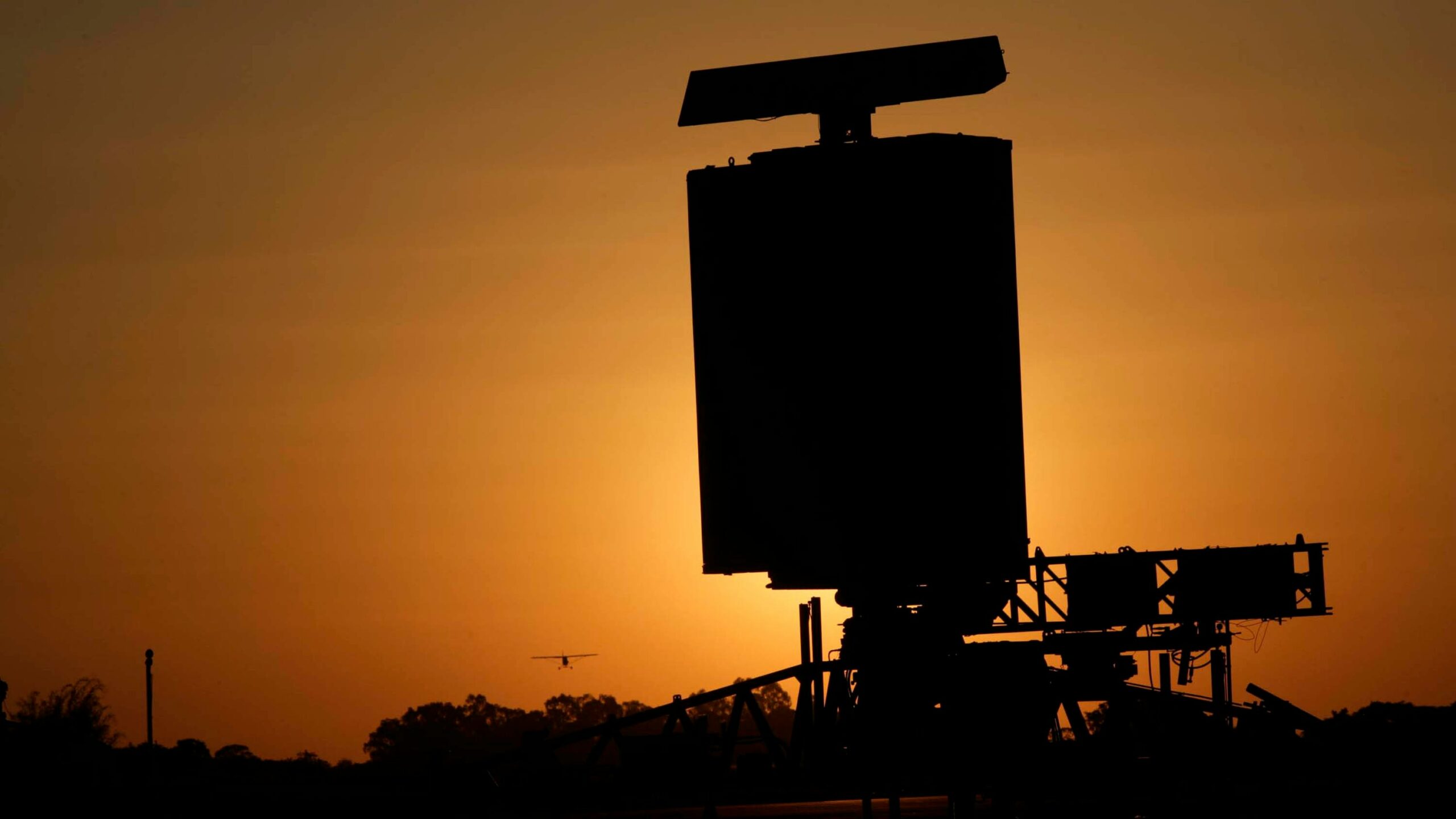
The vast, frigid expanse of the Soviet Union was an unforgiving landscape, a strategic buffer and a formidable frontier. For decades, this immense territory was not only guarded by tanks and troops but by an equally crucial, albeit invisible, shield: its nuclear early warning radar systems. These colossal technological marvels, born out of the existential dread of the Cold War, were designed to provide precious minutes of notice against a devastating surprise attack from the West, primarily the United States. Guarding the skies was not merely a strategic imperative; it was a matter of national survival, a constant, tense vigil against the abyss.
The advent of nuclear weapons fundamentally reshaped global strategy and ignited an unprecedented arms race. The destructive power of the atomic bomb, unleashed upon Hiroshima and Nagasaki, demonstrated a terrifying new reality. The Soviet Union, devastated by World War II, understood intimately the catastrophic consequences of large-scale conflict. The specter of a surprise nuclear strike, delivered by intercontinental ballistic missiles (ICBMs) capable of traversing continents in mere minutes, became a paramount concern. The need for a robust and reliable early warning system was not a matter of choice; it was an absolute necessity.
The Shadow of the Bomber Age
In the early days of the nuclear age, the primary threat was perceived to be Soviet bombers carrying nuclear payloads. While these aircraft posed a significant danger, their flight times were relatively long, offering more time for detection and response. Early warning systems were primarily focused on visual observation and rudimentary radar installations, capable of detecting aircraft at considerable distances. However, the rapid development of missile technology, particularly the ICBM, rendered these initial systems tragically inadequate. The development of missiles capable of reaching targets from thousands of miles away meant that detection and warning times would shrink from hours to minutes, necessitating a revolutionary leap in technological capability.
The Missile Gap and the Sputnik Shock
The launch of Sputnik by the Soviet Union in 1957 sent shockwaves across the United States. It not only demonstrated Soviet technological prowess but also fueled fears of a “missile gap,” suggesting that the Soviets possessed a superior capability in developing and deploying ICBMs. This event, while perhaps exaggerated, underscored the urgency for both nations to develop sophisticated detection and tracking systems. For the Soviets, the successful launch of Sputnik was a propaganda victory, but it also highlighted the critical need to be able to detect incoming enemy missiles, a capability that would be essential in a retaliatory strike scenario. The perceived threat of a decapitating strike, aimed at destroying Soviet command and control infrastructure before retaliation could be initiated, became a driving force behind the development of their early warning radar network.
The Strategic Imperative: Deterrence and Retaliation
Soviet military doctrine, much like that of the West, was heavily influenced by the concept of deterrence. The ability to absorb a first strike and still retaliate with devastating force was seen as the ultimate guarantor of peace, albeit a precarious one. Early warning radar was the linchpin of this strategy. Without it, the Soviets would have no way of knowing if an attack was imminent or underway, leaving them vulnerable to annihilation. The radar systems were designed to provide enough time to confirm an attack and initiate a retaliatory strike, often through automated systems like the infamous “Dead Hand” or Perimetr General complex, ensuring that even if leadership was eliminated, nuclear weapons would still be launched. This system, while controversial, reflected the grim logic of mutually assured destruction (MAD) that characterized the Cold War.
The development and deployment of Soviet nuclear early warning radar systems played a crucial role in the Cold War, providing the Soviet Union with the ability to detect incoming missile threats. For a deeper understanding of the technological advancements and strategic implications of these radar systems, you can explore a related article that discusses their impact on global security dynamics. To read more, visit this article.
Building the Watchtowers: The Evolution of Soviet Radar Technology
The development of Soviet nuclear early warning radar was a monumental undertaking, characterized by ambitious engineering, immense resource allocation, and a constant race against evolving enemy capabilities. These systems were not static; they underwent continuous upgrades and technological advancements to counter the increasing sophistication of missile technology and countermeasures. The sheer scale and complexity of these installations are a testament to the strategic importance placed upon them.
Early Warning Radars: The First Line of Defense
The initial Soviet early warning radar systems were based on existing radar technology, adapted for long-range detection of aircraft and, later, ballistic missiles. These systems, while groundbreaking for their time, were often limited in their range, resolution, and ability to distinguish between actual threats and false alarms. The early focus was on detecting large formations of aircraft, but the emergence of ICBMs demanded a new generation of radar capable of tracking smaller, faster objects traveling at hypersonic speeds.
The “Dnestr” and “Daugava” Systems: Early Ballistic Missile Detection
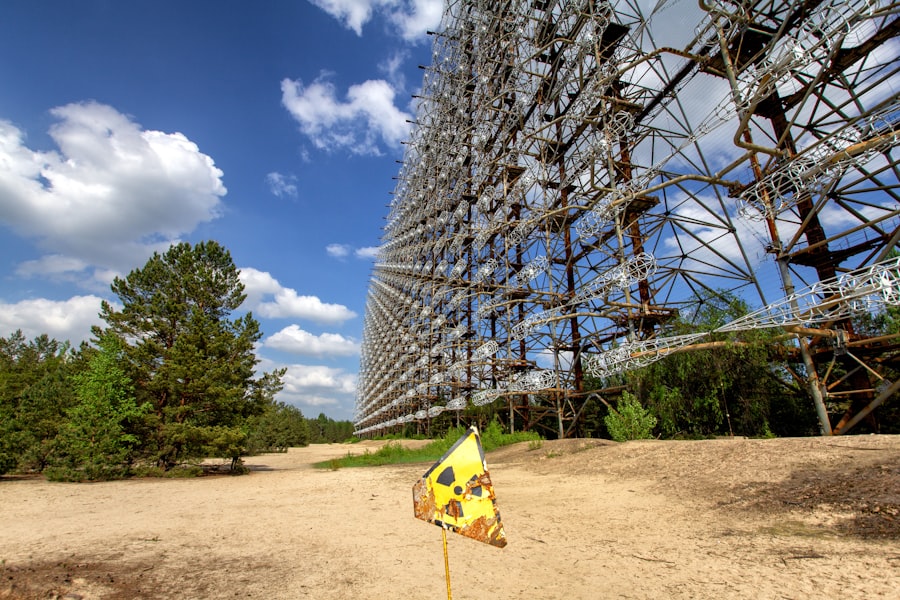
The “Dnestr” (NATO reporting name: Hen House) was one of the earliest Soviet large-scale early warning radar systems designed to detect ICBMs. These massive installations, often characterized by their distinctive parabolic antennas, were strategically located around the periphery of the Soviet Union. They provided a crucial, albeit limited, capability to track incoming ballistic missiles. Following the Dnestr, the “Daugava” (NATO reporting name: Pillar Box) system represented a significant upgrade, offering improved range and accuracy. These radars were essential for providing the first alert of a potential missile attack, feeding data to command centers and contributing to the overall early warning picture.
The “Voronezh” Family: The Modern Era of Over-the-Horizon Radar
As missile technology advanced and the threat evolved, the Soviet Union, and later Russia, invested in more sophisticated radar systems. The “Voronezh” family of early warning radars represents a significant leap forward. These advanced systems, including models like Voronezh-M, Voronezh-DM, and Voronezh-VP, are designed to detect ballistic missiles from much greater distances, often utilizing over-the-horizon (OTH) radar technology. OTH radars can bounce radar waves off the ionosphere, allowing them to see targets that are beyond the normal line-of-sight horizon. This significantly extends their detection range, providing an even earlier warning and a more comprehensive view of potential threats. The modular nature of the Voronezh systems also allows for quicker deployment and upgrades, reflecting the ongoing need for adaptability in the face of evolving threats.
Strategic Placement: The Arctic Ring and Beyond
The effectiveness of early warning radar systems is intrinsically linked to their geographical placement. The Soviet Union’s vast size and its strategic location, particularly its proximity to the Arctic, dictated the positioning of its radar network. The goal was to create a comprehensive surveillance net that could detect incoming missiles from any direction, offering no blind spots.
The Arctic Frontier: The Northern Bastion
The Arctic region presented both a significant threat vector and a strategic advantage for early warning radar deployment. Missiles launched from North America would likely traverse the Arctic to reach Soviet territory. Therefore, numerous large radar installations were strategically positioned along the Arctic coast and on islands in the Arctic Ocean. These sites, often in extremely remote and inhospitable conditions, served as the northernmost sentinels, providing the earliest possible warning of an attack launched from across the pole. The logistical challenges of building and maintaining these outposts were immense, requiring specialized equipment, extensive supply lines, and hardy personnel.
The Western Approaches: Guarding Against Intercontinental Strikes
Radar sites were also established along the western borders of the Soviet Union, facing Europe and the North Atlantic. These installations were designed to detect missiles launched from submarines or bombers operating in these regions, as well as land-based ICBMs launched from Western Europe. The interconnectedness of these radar networks ensured a layered defense, with each system contributing to the overall intelligence picture. The primary objective was to detect missiles during their boost phase, the initial part of their trajectory where they are most vulnerable to detection and potentially interception.
The Far East and Southern Borders: Addressing Diverse Threats
While the primary focus was often on threats from the West and the Arctic, the Soviet Union also maintained early warning radar capabilities along its eastern and southern borders. These installations were designed to monitor potential threats from China, as well as to provide early warning of any missile launches from naval forces operating in the Pacific and Indian Oceans. This comprehensive network demonstrated a recognition of the multifaceted nature of potential nuclear threats and the need for a robust and geographically distributed early warning capability.
The Cold War’s Invisible Battle: Challenges and Countermeasures

The development and operation of Soviet early warning radar systems were not without their challenges. The constant threat of sophisticated countermeasures from the United States, the unforgiving environment in which many radar sites were located, and the immense technological hurdles all contributed to the invisible, yet crucial, battle waged by these systems.
False Alarms and the “Bomber Gap” Scare
One of the most significant challenges for any early warning system is the potential for false alarms. Natural phenomena like meteor showers, atmospheric disturbances, or even flocks of birds could, in theory, be misinterpreted as missile launches, leading to catastrophic consequences. The Soviets, like their Western counterparts, developed sophisticated algorithms and protocols to differentiate between genuine threats and false positives. The infamous “bomber gap” scare in the United States, though related to a different threat, highlights the psychological impact and potential for misinterpretation that can plague early warning systems. For the Soviets, the stakes were even higher, as a false alarm could trigger a retaliatory nuclear strike.
Environmental Hardships and Logistical Nightmares
Many of the crucial early warning radar sites were located in some of the most remote and inhospitable regions on Earth. The Siberian tundra, the Arctic permafrost, and vast stretches of desert presented immense logistical and operational challenges. Maintaining and repairing these colossal structures in sub-zero temperatures, amidst blizzards, or in extreme heat required dedicated personnel, specialized equipment, and an unwavering commitment. The isolation of these sites also posed psychological challenges for the crews stationed there, who lived and worked under the constant pressure of being the first line of defense.
The Arms Race in Electronic Warfare
The United States and the Soviet Union engaged in a continuous arms race, not just in missile technology but also in electronic warfare (EW). The US developed sophisticated jamming techniques designed to disrupt Soviet radar signals, making it harder for them to detect incoming missiles. In response, the Soviets invested heavily in developing ECCM (Electronic Counter-Countermeasures) capabilities, aiming to make their radars more resilient to jamming. This ongoing technological battle meant that early warning radar systems had to be constantly upgraded and adapted to maintain their effectiveness. The development of stealth technology by the US also presented a new challenge, as it aimed to reduce the radar signature of aircraft and missiles, making them harder to detect by conventional radar.
The development of Soviet nuclear early warning radar systems played a crucial role in the Cold War, providing the USSR with the capability to detect incoming missile threats. For a deeper understanding of the technological advancements and the strategic implications of these systems, you can explore a related article that delves into the intricacies of early warning technologies and their impact on global security. This insightful piece can be found at XFile Findings, where you will discover more about the historical context and the evolution of radar systems during that era.
Legacy and Lessons: The Enduring Significance of the Soviet Early Warning Network
| Location | System Name | Operational Period | Range |
|---|---|---|---|
| Latvia | Dnestr-M | 1971-1989 | 3,000 km |
| Lithuania | Dnepr | 1979-1989 | 3,000 km |
| Estonia | Dnepr | 1979-1989 | 3,000 km |
While the Cold War has ended, the legacy of the Soviet nuclear early warning radar systems endures. These colossal structures stand as silent witnesses to a period of unprecedented global tension and the precarious balance of power that defined the latter half of the 20th century. Their development and operation offer invaluable lessons about the nature of deterrence, the importance of technological advancement, and the human cost of maintaining global security.
A Symbol of the Cold War’s Grim Calculus
The early warning radar sites, from the imposing Dnestr installations to the more modern Voronezh arrays, are potent symbols of the Cold War’s grim calculus. They represent the immense resources and ingenuity poured into preparing for a conflict that, thankfully, never materialized on a global scale. The constant readiness, the high stakes, and the underlying fear of annihilation were the defining characteristics of this era, and these radar systems were at the very heart of that existential dread.
Technological Advancements and Future Implications
The technological innovations driven by the need for effective early warning radar had far-reaching implications beyond military applications. Advancements in signal processing, antenna design, and long-range detection techniques have influenced civilian radar systems used in air traffic control, weather forecasting, and scientific research. The ongoing development of missile defense systems by various nations continues to build upon the foundational technologies pioneered during the Cold War, highlighting the enduring relevance of early warning capabilities in a complex and evolving geopolitical landscape.
The Enduring Need for Vigilance
The collapse of the Soviet Union did not eliminate the need for nuclear early warning. In fact, the proliferation of nuclear weapons and the emergence of new geopolitical challenges have made robust early warning systems more critical than ever. The Russian Federation continues to invest in and maintain its early warning radar network, recognizing that the threat of nuclear conflict, while diminished, has not been eradicated. The lessons learned from the Soviet era serve as a stark reminder of the importance of maintaining vigilance, fostering international cooperation, and pursuing diplomatic solutions to prevent the ultimate catastrophe. The silent sentinels of the Soviet skies, though products of a bygone era, continue to echo a vital message: the need for constant vigilance in guarding against the devastating potential of nuclear war.

The Soviet Signal That Hijacked Radios Around the World
FAQs
What is Soviet nuclear early warning radar?
Soviet nuclear early warning radar refers to a system of radar stations established by the Soviet Union during the Cold War to detect and track incoming ballistic missiles and aircraft. These radar stations were a crucial component of the Soviet Union’s early warning system for potential nuclear attacks.
How did Soviet nuclear early warning radar work?
The Soviet nuclear early warning radar system consisted of a network of radar stations strategically positioned across the Soviet Union. These stations used powerful radar antennas to scan the skies for any signs of incoming missiles or aircraft. Once detected, the information was relayed to military command centers to assess the threat and initiate a response if necessary.
When was the Soviet nuclear early warning radar system established?
The Soviet nuclear early warning radar system was established during the Cold War, with the first radar stations becoming operational in the late 1950s. The system continued to be expanded and upgraded throughout the Cold War era, with new technologies and capabilities being added over time.
What role did Soviet nuclear early warning radar play in the Cold War?
Soviet nuclear early warning radar played a critical role in the Cold War by providing the Soviet Union with the ability to detect and track potential nuclear threats from the United States and its allies. This capability was essential for the Soviet Union’s strategic defense and deterrence posture during the Cold War.
What is the legacy of Soviet nuclear early warning radar?
The legacy of Soviet nuclear early warning radar is significant, as it reflects the intense focus on nuclear deterrence and defense during the Cold War. While the system itself has largely been replaced by more advanced technologies, its historical significance in shaping Cold War dynamics and nuclear strategy cannot be understated.