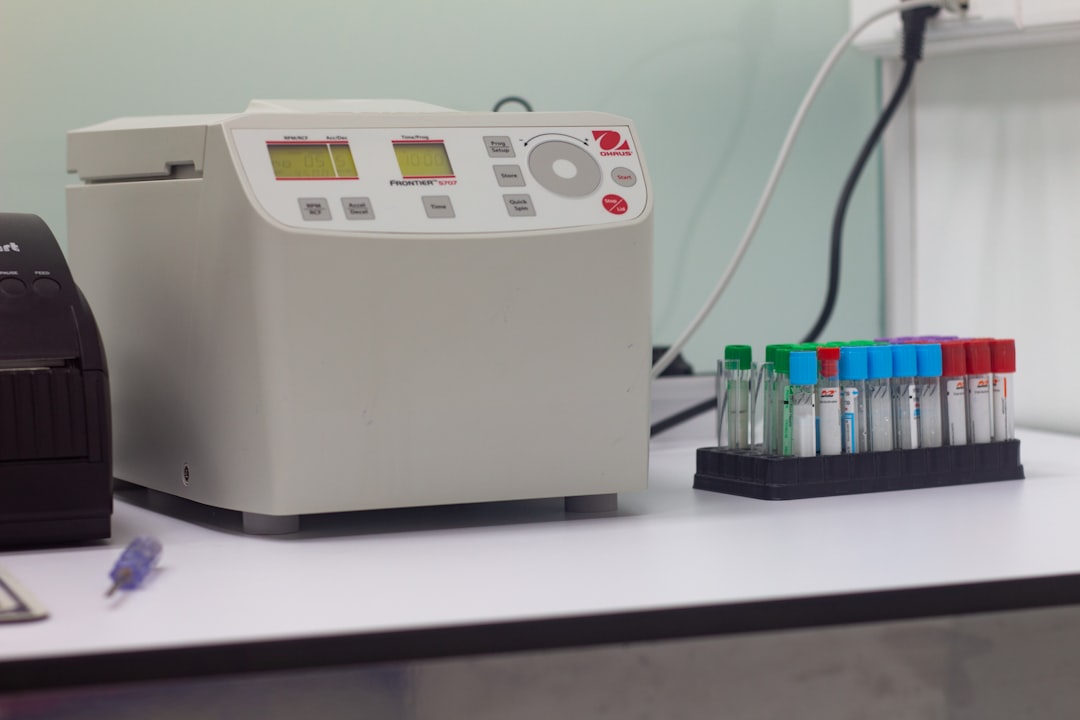
Independent DNA Lab Validation: A Comparison with Government Standards
The reliability and accuracy of DNA profiling are paramount in forensic science, influencing criminal justice outcomes, paternity testing, and ancestry determination. Central to ensuring this reliability is the concept of laboratory validation. This article examines the landscape of independent DNA lab validation, contrasting it with established government standards, and explores the nuances of each approach in achieving the overarching goal of scientifically sound DNA analysis.
Ensuring Analytical Accuracy
DNA profiling, at its core, is a scientific process that relies on precise techniques and interpretations. Validation serves as a critical checkpoint to confirm that a laboratory’s methods consistently produce accurate and reproducible results. This involves rigorously testing the analytical performance of the chosen DNA extraction, amplification, and detection systems. Without robust validation, the integrity of DNA evidence can be compromised, leading to potential miscarriages of justice or incorrect conclusions in non-forensic applications.
Method Development and Verification
The journey of any DNA analysis begins with method development. This phase involves selecting and optimizing protocols for DNA extraction from various sample types (e.g., blood, saliva, hair), amplifying specific DNA regions (e.g., short tandem repeats or STRs), and detecting the resulting fragments. Once a method is developed, it undergoes verification to ensure it functions as intended in the specific laboratory environment. This includes assessing parameters such as sensitivity (the minimum amount of DNA required for a reliable profile), specificity (the ability to distinguish target DNA from inhibitors or other genetic material), and range (the optimal concentration of DNA for analysis).
Ongoing Quality Assurance
Validation is not a one-time event. It is an ongoing process that incorporates continuous quality assurance measures. This includes regular proficiency testing, where laboratories analyze blind samples to assess their performance against external standards. Internal audits, instrument calibration, and routine checks of reagents and consumables are also integral to maintaining a high level of analytical accuracy. The ultimate aim is to build confidence in the reported DNA profiles, ensuring they withstand scrutiny from legal professionals, other scientists, and the public.
The Spectrum of Validation Needs
The rigor and scope of validation can vary depending on the intended application of the DNA analysis. Forensic DNA testing, with its high stakes, demands the most stringent validation protocols. This is because the conclusions drawn from forensic DNA analysis can have profound implications for an individual’s liberty.
Forensic Applications
In criminal investigations, DNA evidence can identify perpetrators, exonerate the innocent, and link individuals to crime scenes. The validation of forensic DNA laboratories must therefore ensure that the methods used are not only technically sound but also capable of handling challenging samples often encountered in real-world scenarios, such as degraded DNA or mixtures of multiple contributors. The potential for error carries significant legal and social consequences.
Non-Forensic Applications
Beyond the courtroom, DNA is utilized in a variety of contexts, including direct-to-consumer genetic testing, clinical diagnostics (e.g., carrier screening for genetic diseases), and research. While these applications may not carry the same legal weight as forensic evidence, the need for accurate and reliable DNA analysis remains crucial. Validation in these areas focuses on ensuring that the tests provide meaningful and interpretable results for their intended purpose, whether it be ancestral insights or health risk assessments.
In the ongoing debate surrounding the reliability of DNA evidence, the importance of independent DNA lab validation versus government-conducted testing has garnered significant attention. A related article that delves into this topic can be found at XFile Findings, where it explores the implications of using independent laboratories for DNA analysis and the potential biases that may arise from government-run facilities. This discussion is crucial for ensuring the integrity of forensic science and the justice system as a whole.
Government Standards and Their Influence
Government standards, established by official bodies, play a significant role in setting the benchmarks for DNA laboratory operations. These standards often define the minimum requirements for accreditation, operational procedures, and the quality of personnel. Their existence provides a framework for consistency and a baseline level of confidence in DNA analysis performed within their jurisdiction.
The Role of Accreditation Bodies
In many countries, government-sanctioned or recognized accreditation bodies oversee the operations of DNA laboratories. These bodies develop and enforce standards, conduct site inspections, and grant accreditation to laboratories that meet their stringent criteria. Accreditation signifies that a laboratory has demonstrated its commitment to quality and adheres to established scientific and ethical principles.
National Institute of Standards and Technology (NIST)
In the United States, the National Institute of Standards and Technology (NIST) plays a crucial role in developing and providing standards and guidelines for DNA analysis. NIST’s work includes developing standard reference materials, establishing databases of genetic markers, and publishing guidelines for forensic DNA analysis. These contributions underpin the accuracy and comparability of DNA profiles across different laboratories.
European Network of Forensic Science Laboratories (ENFSI)
In Europe, organizations like the European Network of Forensic Science Laboratories (ENFSI) contribute to the harmonization of forensic science practices, including DNA analysis. ENFSI facilitates collaboration, shares best practices, and promotes quality assurance initiatives among member laboratories. This collaborative approach aims to enhance the reliability and interoperability of forensic DNA evidence across different European nations.
Key Features of Government Standards
Government standards typically encompass a broad range of operational and technical requirements. They aim to create a uniform approach to DNA analysis, reducing variability and enhancing the comparability of results.
Technical Requirements
These standards often dictate the specific DNA markers that must be analyzed (e.g., CODIS core loci in the US), the reagents and instrumentation that can be used, and the analytical thresholds for declaring a match or exclusion. They also stipulate requirements for DNA profile interpretation, including guidelines for handling complex mixtures and degraded DNA samples.
Personnel Qualifications and Training
A fundamental aspect of government standards relates to the competency of laboratory personnel. These standards typically outline the educational background, training, and experience required for DNA analysts, technical leaders, and quality managers. Regular continuing education and documented proficiency testing are also often mandated to ensure that staff maintain their expertise.
Quality Management Systems
Government standards place a strong emphasis on the implementation of comprehensive quality management systems (QMS). A QMS provides a structured framework for all laboratory activities, ensuring consistency, traceability, and continuous improvement. Key elements of a QMS include documented standard operating procedures (SOPs), record-keeping requirements, corrective and preventive actions (CAPA), and internal audit protocols.
Independent DNA Lab Validation Explained

Independent DNA lab validation refers to the process by which laboratories, not directly governed by a specific government mandate for accreditation, nevertheless undertake rigorous validation of their methods and operations. While they may not be undergoing government accreditation, their commitment to scientific integrity often drives them to adopt similar, or even more stringent, validation protocols to ensure the trustworthiness of their results. This independence can stem from a variety of factors, including specialization in niche areas, innovative research, or catering to markets with different regulatory landscapes.
Motivation for Independent Validation
The drivers behind independent validation are diverse. For some laboratories, it’s a proactive commitment to scientific excellence and delivering the highest quality data possible. For others, it may be a strategic choice to stand out in a competitive market or to cater to specific client needs that extend beyond minimum government requirements.
Commitment to Scientific Excellence
A core motivation for independent validation is an intrinsic commitment to scientific rigor. Laboratories that prioritize this approach recognize that adhering to best practices and going beyond minimum requirements builds a stronger foundation for their scientific conclusions. This often translates into a culture of continuous improvement and a dedication to staying at the forefront of technological advancements in DNA analysis.
Niche Specializations and Research
Independent validation is particularly prevalent in laboratories focusing on specialized areas of DNA analysis, such as ancient DNA, highly degraded samples, or advanced genomic sequencing. These fields often require unique methodologies and validation approaches that may not be fully addressed by general government standards. Such laboratories invest heavily in validating their novel techniques to ensure their applicability and reliability.
Market Demands and Differentiators
In certain markets, particularly those with less prescriptive government oversight or for applications like direct-to-consumer ancestry testing, laboratories may independently pursue rigorous validation to build consumer trust and establish a competitive advantage. Demonstrating a commitment to accuracy through independent validation can be a significant differentiator.
Types of Independent Validation Practices
Independent validation can take various forms, often mirroring or even exceeding the rigor of government-mandated processes. These practices are driven by the laboratory’s internal quality objectives and market positioning.
Internal Protocol Development and Rigorous Testing
Independent laboratories often invest significant resources in developing and validating their own proprietary protocols. This process involves meticulous planning, experimental design, and extensive data collection to demonstrate the performance characteristics of their methods under various conditions. They may explore a wider range of sample types or optimize protocols for greater efficiency and sensitivity.
Participation in External Proficiency Testing Programs
Even without government accreditation, many independent laboratories actively participate in independent, third-party proficiency testing programs. These programs provide blind samples that are analyzed by multiple laboratories, allowing for an objective assessment of performance against peers. Success in these programs serves as a strong indicator of a laboratory’s capabilities.
Adherence to International Standards (e.g., ISO 17025)
Many independent laboratories choose to seek accreditation to international standards such as ISO 17025, which outlines the general requirements for the competence of testing and calibration laboratories. While not tied to a specific government’s forensic standards, ISO 17025 accreditation signifies a high level of technical competence and a robust quality management system, often satisfying stringent client requirements.
Comparing and Contrasting Validation Approaches

The distinction between government standards and independent validation lies not necessarily in inherent superiority, but in their scope, drivers, and enforcement mechanisms. A nuanced understanding reveals where each approach excels and where potential overlaps or divergences occur.
Scope and Prescriptiveness
Government standards, by their nature, tend to be more prescriptive, outlining specific methodologies and minimum requirements. This ensures a baseline level of consistency and comparability across a broad spectrum of laboratories operating within a jurisdiction. Independent validation, on the other hand, can be more flexible and tailored to the specific needs of the laboratory and its clientele.
The “Minimum Viable Product” of Government Standards
Government standards can often be viewed as establishing a “minimum viable product” for DNA analysis. They ensure that laboratories meet a certain threshold of competence, which is crucial for applications where reproducibility and broad acceptance are paramount, such as in criminal justice systems. However, this can sometimes limit innovation if laboratories primarily focus on meeting only the mandated requirements.
Flexibility and Innovation in Independent Validation
Independent validation allows for greater flexibility and the exploration of novel techniques or specialized applications that may not be covered by existing government regulations. Laboratories can adapt their validation processes to address unique sample types, advanced technologies, or emerging scientific questions, fostering innovation within the field.
Enforcement and Accountability Mechanisms
The mechanisms for enforcing adherence to standards differ significantly between government-mandated and independent validation. Government standards typically come with the weight of legal or regulatory authority, with consequences for non-compliance. Independent validation relies more on market forces, client trust, and the laboratory’s own commitment to quality.
Regulatory Oversight and Penalties
Government accreditation bodies possess the authority to revoke accreditation, impose fines, or even initiate legal action against laboratories that fail to meet established standards. This regulatory oversight provides a strong incentive for compliance and ensures accountability within the regulated system.
Market Trust and Client Assurance
In the absence of direct government enforcement, independent validation relies heavily on building and maintaining trust with clients and stakeholders. A laboratory that demonstrates rigorous independent validation can leverage this as a key differentiator, assuring clients of the quality and reliability of their services. This can be particularly effective in specialized or direct-to-consumer markets.
Potential for Overlap and Synergy
It is important to recognize that government standards and independent validation are not mutually exclusive. In fact, many independent laboratories voluntarily adopt or exceed government standards as a benchmark for their own quality systems. Furthermore, findings from independent validation can sometimes inform the evolution of future government standards.
Exceeding Minimum Requirements
Many independent laboratories find it beneficial to align their validation processes with government standards, even if not strictly required, as a way to demonstrate their commitment to established best practices. In some cases, they may choose to exceed these requirements to offer a higher level of assurance.
Informing Future Standards
Innovations and best practices developed through independent validation can sometimes influence the development or revision of government standards. As new technologies emerge and are rigorously tested and validated by the scientific community, regulatory bodies may consider incorporating these advancements into their official guidelines.
In the ongoing debate surrounding the reliability of DNA testing, the comparison between independent lab validation and government standards has garnered significant attention. Many experts argue that independent labs, such as those discussed in a recent article, provide a level of scrutiny and objectivity that government facilities may lack. This perspective is crucial for understanding the implications of forensic science in the justice system. For more insights on this topic, you can read the article at XFile Findings, which explores the nuances of independent DNA lab validation versus government practices.
The Future Landscape of DNA Validation
| Validation Aspect | Independent DNA Lab | Government |
|---|---|---|
| Accuracy | Highly accurate due to rigorous testing and quality control | May vary depending on the resources and expertise available |
| Transparency | Transparent processes and results due to independent nature | May lack transparency due to potential conflicts of interest |
| Reliability | Reliable results due to adherence to industry standards | Reliability may be influenced by external factors |
| Cost | Cost may be higher due to independent nature and quality control | Cost may vary depending on government funding and resources |
The field of DNA analysis is dynamic, with continuous advancements in technology and expanding applications. This necessitates an ongoing evolution of validation practices, ensuring that both government standards and independent validation remain relevant and effective.
Technological Advancements and Their Impact
Emerging technologies in DNA sequencing, such as next-generation sequencing (NGS) and massively parallel sequencing, are transforming the capabilities of DNA labs. These technologies enable deeper analysis, the examination of a wider range of genetic markers, and the potential for more complex interpretations.
Validation Challenges of New Technologies
The introduction of new technologies presents unique validation challenges. Laboratories must develop and validate new analytical methods, establish appropriate quality control measures, and interpret novel types of data. This requires significant investment in expertise, instrumentation, and rigorous testing protocols. Government standards may lag behind these rapid technological changes, creating a space where independent validation becomes crucial for early adoption and refinement.
The Rise of ‘Omics’ and Big Data
The increasing use of DNA analysis in conjunction with other ‘omics’ data (e.g., transcriptomics, proteomics) and the generation of large datasets necessitate new approaches to validation. This includes validating the computational pipelines used for data analysis, ensuring data integrity, and establishing best practices for the interpretation of complex, multi-layered genetic information.
The Role of International Harmonization
As DNA analysis is increasingly used in cross-border investigations and international collaborations, the harmonization of validation standards becomes more critical. Without standardized approaches to validation, the comparability and admissibility of DNA evidence across different jurisdictions can be a significant challenge.
Bridging Jurisdictional Gaps
International organizations and working groups are actively engaged in efforts to harmonize forensic science practices, including DNA analysis. The goal is to establish common principles and guidelines for validation, ensuring that DNA evidence is understood and accepted across borders as reliably as possible.
Mutual Recognition of Validation Efforts
Promoting the mutual recognition of validation efforts between different countries and accreditation bodies would streamline the use of DNA evidence globally. This would require a high degree of transparency in validation processes and a willingness to accept the robust outcomes of well-established validation programs.
The Ongoing Debate: Minimum Standards vs. best Practices
The tension between establishing minimum standards and promoting best practices will likely continue to shape the landscape of DNA validation. While minimum standards are essential for ensuring public trust and consistency, fostering an environment that encourages and rewards laboratories for exceeding these standards through independent validation will drive further advancements and enhance the overall reliability of DNA analysis. Ultimately, a robust system relies on both a strong regulatory foundation and the proactive pursuit of scientific excellence by independent entities.
FAQs
What is independent DNA lab validation?
Independent DNA lab validation refers to the process of having a third-party laboratory verify the accuracy and reliability of DNA testing conducted by another laboratory. This independent validation helps ensure the quality and integrity of the DNA testing results.
What is government DNA lab validation?
Government DNA lab validation involves having a government-run or government-affiliated laboratory verify the accuracy and reliability of DNA testing conducted by another laboratory. This validation process is overseen and regulated by government agencies to ensure compliance with established standards and protocols.
What are the benefits of independent DNA lab validation?
Independent DNA lab validation provides an additional layer of scrutiny and quality control for DNA testing results. It helps to ensure the accuracy and reliability of the testing process, as well as the integrity of the results. Independent validation also helps build trust and confidence in the reliability of DNA testing.
What are the benefits of government DNA lab validation?
Government DNA lab validation offers the assurance of oversight and regulation by a recognized authority. This can provide a higher level of confidence in the accuracy and reliability of DNA testing results, as well as adherence to established standards and protocols. Government validation may also be required for certain legal or regulatory purposes.
How do independent and government DNA lab validations differ?
The main difference between independent and government DNA lab validation lies in the overseeing authority and regulatory framework. Independent validation is conducted by a third-party laboratory, while government validation is overseen and regulated by a government agency. Both types of validation aim to ensure the accuracy and reliability of DNA testing, but the processes and requirements may vary.