
Ingo Swann’s Moon Aliens: A Cosmic Discovery
Ingo Swann, a name that resonates with the fringe of scientific inquiry and the boundless possibilities of the human mind, is inextricably linked to a claim that continues to spark debate and wonder: the existence of alien life on Earth’s moon. His work, particularly his involvement in the U.S. government’s classified remote viewing program, purportedly led him to uncover evidence of an extraterrestrial presence on our nearest celestial neighbor. This article delves into the fascinating narrative of Ingo Swann’s claims, exploring the genesis of his ideas, the context of his controversial research, and the enduring questions surrounding his purported cosmic discovery.
Before examining his lunar revelations, it is crucial to understand the man behind them. Ingo Swann was a multifaceted individual, an artist, author, and perhaps most famously, a pioneer in the field of remote viewing. He described himself as a psychic, but his contributions extended beyond mere intuitive flashes. Swann was instrumental in developing and refining techniques for remote viewing, a controversial discipline that posits the ability to perceive information about distant or unseen targets using only the mind. His intellectual rigor and systematic approach to exploring psi phenomena earned him a unique place in the history of parapsychology and, later, in the annals of ufology.
A Life Dedicated to the Unseen
Swann’s early life and personal experiences, though not always extensively documented, hinted at a mind attuned to perceptions beyond the ordinary. He claimed to have experienced psychic phenomena from a young age, which likely fueled his lifelong quest to understand and harness these abilities. His artistic background, characterized by a keen observational eye and an ability to translate abstract concepts into tangible forms, may have also contributed to his unique way of processing information, both visually and conceptually. This inherent sensibility formed the bedrock upon which his later, more extraordinary claims would be built.
The Architect of Remote Viewing
Swann’s most significant contribution to the public consciousness, outside of his lunar claims, was his pivotal role in the development of remote viewing. He worked with researchers at institutions like the Stanford Research Institute (SRI) and, notably, was involved in classified government projects during the Cold War aimed at exploring the potential military applications of psychic abilities. His methodical approach led to the creation of protocols and methodologies that sought to standardize and validate remote viewing sessions, aiming to transform what was once considered mere psychic novelty into a potentially reliable intelligence-gathering tool.
Ingo Swann, a prominent figure in the field of remote viewing, claimed to have encountered extraterrestrial activity on the Moon during his sessions. His assertions have sparked significant interest and debate among enthusiasts of both ufology and parapsychology. For those looking to explore more about the intriguing connections between Swann’s experiences and broader alien theories, a related article can be found at XFile Findings, which delves into various accounts and evidence surrounding extraterrestrial life and its potential presence on the Moon.
The Genesis of the Lunar Claims
The idea of alien life on the moon is not a new one, but Ingo Swann’s specific claims emerged from a unique intersection of his remote viewing experiences and his interpretation of certain astronomical observations and historical narratives. He did not simply posit a general belief in lunar aliens; he claimed to have “seen” them through his remote viewing abilities, and his subsequent research and writings attempted to build a case for their existence, drawing on various pieces of evidence that he believed corroborated his psychic insights.
Psychic Voyages to the Moon
Swann’s most compelling evidence for lunar aliens stemmed from his own remote viewing sessions. He described journeys to the moon, not in a physical spacecraft, but through his consciousness. During these mental excursions, he claimed to have perceived structures, beings, and activities that were clearly artificial and non-terrestrial in origin. These were not vague impressions but detailed sensory experiences that he meticulously documented.
The Nature of the Lunar Beings
According to Swann, the beings he encountered on the moon were not the stereotypical “little green men.” He described them as tall, slender, and possessing a distinctively alien physiology. He suggested they were intelligent, technologically advanced, and had established a significant presence on the moon, utilizing it as a base or a resource. Their appearance, as described by Swann, was often unsettling yet intriguing, sparking the imagination and fueling further speculation.
Structures and Technology
Beyond the inhabitants, Swann also claimed to have witnessed evidence of advanced technology and sophisticated infrastructure. He spoke of vast underground complexes, artificial geological formations,, and energy sources that were far beyond human capabilities. These descriptions painted a picture of a lunar society that had been established for a considerable period, capable of manipulating their environment on a grand scale.
Connecting the Dots: Interpretation and Evidence
Swann was not content to rely solely on his psychic experiences. He actively sought out and interpreted other forms of evidence that he believed supported his lunar alien hypothesis. This involved a deep dive into various fields, from astronomy and geology to ancient mythology and even, at times, alleged government cover-ups.
Anomalies in Lunar Photography
One area where Swann focused his attention was the analysis of lunar photographs. He claimed that certain anomalies, such as peculiar geological formations, unusual lights, and what appeared to be man-made structures, were consistently overlooked or dismissed by mainstream science. He believed these photographic “ghosts” were tangible evidence of alien activity, deliberately obscured or misinterpreted.
The ‘Face on Mars’ Precedent
While not directly about the moon, the enduring controversy surrounding the “Face on Mars” – an ambiguous geological formation that some interpreted as an artificial monument – served as a precedent for Swann’s claims. It demonstrated how visual evidence, however inconclusive to some, could fuel widespread speculation about extraterrestrial intelligence and how official explanations could be met with skepticism by those seeking alternative interpretations.
The Government Connection and Classified Research
A significant aspect of Ingo Swann’s story, and one that lends a degree of intrigue to his lunar claims, is his involvement with classified U.S. government research projects concerning psychic phenomena. The existence of these programs, though often shrouded in secrecy and subject to declassification over time, suggests that the government took the potential of psychic abilities seriously enough to invest resources into their exploration.
Project Stargate and Beyond
Swann was a key figure in programs like Project Stargate, a series of U.S. government and military projects that investigated the potential of remote viewing for intelligence gathering. The declassified documents from these programs reveal a fascinating history of experiments, observations, and sometimes surprising results. While the primary focus was often on terrestrial targets, the very existence of such research opens the door to the possibility that other, more unconventional avenues of inquiry, including extraterrestrial life, might have been explored within these classified confines.
The Limits of Secrecy
The classified nature of these programs, while intended to protect national security, also created an environment ripe for speculation and conspiracy theories. When individuals involved in these projects, like Swann, began to speak about their experiences and findings publicly, their claims often carried the weight of perceived insider knowledge. The secrecy surrounding the programs meant that the public had to rely on the accounts of those who emerged from the shadows, making it difficult to independently verify or debunk their extraordinary assertions.
Potential for Cover-Ups
Swann, and many who subscribe to his theories, often suggested that the government might have actively suppressed or covered up evidence of lunar aliens. The rationale often cited is that the revelation of such a discovery could lead to widespread panic, societal upheaval, or a loss of control for existing power structures. This narrative of a hidden truth, guarded by powerful entities, is a common thread in many ufological discussions.
Skepticism and Counterarguments
Naturally, claims as extraordinary as Ingo Swann’s have met with considerable skepticism from the scientific community and rational observers. The lack of concrete, verifiable evidence that stands up to rigorous scientific scrutiny is the primary point of contention.
The Scientific Standard of Proof
Science operates on a principle of empirical evidence, repeatability, and falsifiability. Ingo Swann’s claims, while vivid and detailed in his personal accounts, do not readily meet these standards. Remote viewing itself remains a controversial subject, with many scientists attributing perceived successes to chance, suggestion, or cognitive biases rather than genuine psychic perception.
The Problem of Subjectivity
The subjective nature of psychic experiences presents a significant challenge. What one individual perceives through remote viewing or intuition may not be verifiable by another using objective methods. While Swann’s descriptions might be compelling to those who believe in his abilities, they remain personal interpretations rather than universally accepted facts.
Alternative Explanations for Lunar Anomalies
Many of the anomalies that Swann pointed to in lunar photographs have plausible, prosaic explanations within the realm of geology, lighting conditions, and the limitations of early photographic technology. Features that might appear unusual to the untrained eye are often readily explained by experienced geologists or astronomers.
Pareidolia and Wishful Thinking
The human tendency to perceive familiar patterns in random data, known as pareidolia, plays a significant role in the interpretation of ambiguous visual information. The “Face on Mars” is a prime example, where a natural geological formation can be perceived as a sculpted face with a bit of imagination. Similarly, the desire to believe in extraterrestrial life can influence the interpretation of lunar images.
The Burden of Proof
Ultimately, the burden of proof lies with those making extraordinary claims. Until Ingo Swann’s alleged discoveries can be corroborated by independent, verifiable evidence that withstands scientific scrutiny, they remain within the realm of speculation and belief rather than established fact.
Ingo Swann’s intriguing claims about aliens on the Moon have sparked considerable interest in the realm of ufology and beyond. His experiences and assertions have led many to explore related topics, including the broader implications of extraterrestrial life and its potential presence in our solar system. For those interested in delving deeper into this subject, a fascinating article can be found at XFile Findings, which discusses various theories and findings related to UFOs and their connections to lunar exploration.
The Enduring Legacy of a Cosmic Visionary
| Metrics | Data |
|---|---|
| Number of alleged alien structures | Unknown |
| Number of alleged alien sightings | Unknown |
| Evidence supporting claims | Controversial |
| Scientific consensus | Dismissed as pseudoscience |
Despite the skepticism, Ingo Swann’s narrative continues to capture the imagination. His story serves as a powerful reminder of humanity’s persistent curiosity about its place in the cosmos and the potential for undiscovered wonders. Whether one believes in his lunar aliens or not, Swann’s life and work prompt us to question the boundaries of our knowledge and the possibilities that lie beyond them.
Inspiring Further Inquiry
Swann’s bold assertions have undoubtedly inspired countless individuals to look at the moon with renewed wonder and to explore alternative perspectives on science and reality. His work encourages a willingness to consider possibilities that may fall outside the mainstream, fostering a spirit of independent thought and a desire to push the boundaries of human understanding.
A Symbol of the Unexplained
Ingo Swann stands as a symbol of the unexplained, a figure who dared to venture into territories that many deem the exclusive domain of science fiction. His legacy is one of pushing boundaries, questioning assumptions, and leaving us with the enduring question: what if? The possibility of life beyond Earth, and even on our very doorstep, remains a tantalizing prospect, and figures like Ingo Swann, with their extraordinary claims, ensure that this question continues to resonate through the corridors of human inquiry. His cosmic discovery, though debated, continues to fuel our fascination with the mysteries of the universe and our own potential to perceive them.
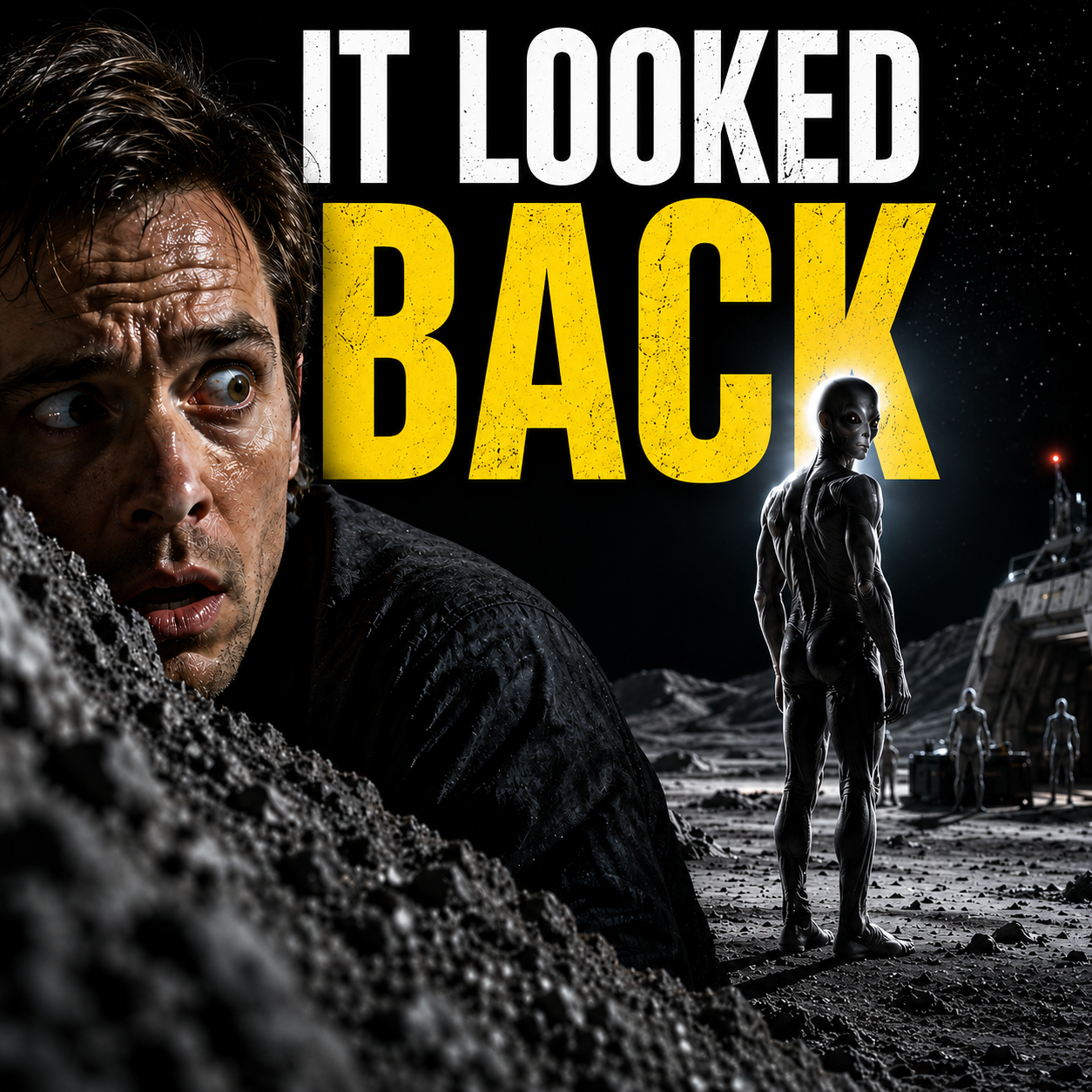
He Remote Viewed the Moon. Then Something Saw Him.
FAQs
What is the article “Ingo Swann aliens on the Moon” about?
The article “Ingo Swann aliens on the Moon” discusses the claims made by Ingo Swann, a well-known psychic and remote viewer, about the presence of extraterrestrial beings on the Moon.
Who is Ingo Swann?
Ingo Swann was a renowned psychic, artist, and author who gained recognition for his involvement in the US government’s remote viewing program, as well as for his claims about extraterrestrial phenomena.
What did Ingo Swann claim about aliens on the Moon?
Ingo Swann claimed that during a remote viewing session in the 1970s, he perceived the presence of extraterrestrial beings and their structures on the Moon. He detailed his experiences in his book “Penetration: The Question of Extraterrestrial and Human Telepathy.”
Is there any scientific evidence to support Ingo Swann’s claims?
There is no scientific evidence to support Ingo Swann’s claims about aliens on the Moon. Remote viewing is a controversial practice and is not considered a scientifically validated method for obtaining information about distant or unseen targets.
What is the general consensus on Ingo Swann’s claims about aliens on the Moon?
The general consensus among scientists and skeptics is that Ingo Swann’s claims about aliens on the Moon are not supported by credible evidence and are considered to be speculative and unsubstantiated.