
The Lunar Module Guidance Computer (LMGC) was a groundbreaking piece of technology that played a pivotal role in the Apollo missions, particularly during lunar landings. This computer was designed to handle complex calculations necessary for navigation and control of the Lunar Module, enabling astronauts to land safely on the Moon’s surface. The LMGC was not just a simple calculator; it was a sophisticated system that integrated various inputs from sensors and provided real-time data to the astronauts.
Its architecture was revolutionary for its time, utilizing integrated circuits that allowed for compactness and efficiency, which were crucial given the limited space and weight constraints of the spacecraft. The LMGC operated using a unique programming language known as AGC assembly language, which was specifically tailored for its hardware. This programming allowed for the execution of multiple tasks simultaneously, a necessity when managing the various systems of the Lunar Module.
The computer’s ability to process data quickly and accurately was vital for ensuring that the astronauts could make informed decisions during critical phases of their mission. As they approached the lunar surface, the LMGC provided essential guidance, calculating trajectories and adjusting for any deviations in flight path, thus ensuring a successful landing.
Key Takeaways
- The Lunar Module Guidance Computer was crucial for navigation and required reliable alarm systems to ensure astronaut safety.
- Alarms in space travel signal critical issues, demanding immediate and precise responses from astronauts.
- Training extensively for alarms and emergencies is essential to prepare astronauts for real-time problem-solving.
- Collaboration between astronauts and Mission Control is vital in effectively managing and resolving alarm situations.
- Advances in alarm technology continue to improve the safety and reliability of lunar module guidance systems for future missions.
The Importance of Alarms in Space Travel
In the realm of space travel, alarms serve as critical indicators of system status and potential malfunctions. They are designed to alert astronauts to issues that could jeopardize their safety or mission success. The importance of these alarms cannot be overstated; they act as the first line of defense against unforeseen problems that may arise during a mission.
In an environment where every second counts and decisions must be made swiftly, alarms provide essential information that can guide astronauts in their responses to emergencies. Moreover, alarms in space travel are not merely auditory signals; they are carefully designed to convey specific meanings and urgency levels. Each alarm is associated with particular conditions or failures, allowing astronauts to prioritize their responses effectively.
The psychological impact of alarms also plays a significant role; they can trigger immediate reactions and prompt astronauts to engage in critical thinking under pressure. Thus, understanding the function and significance of alarms is paramount for any crew embarking on a space mission.
Common Alarms and their Meanings
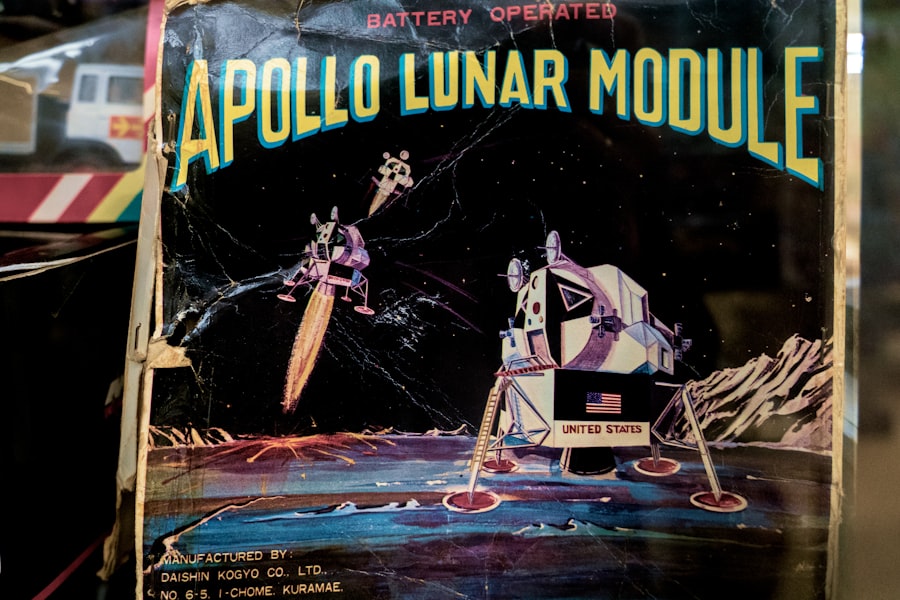
Within the context of the Lunar Module Guidance Computer, several common alarms were programmed to alert astronauts to various conditions. One of the most critical alarms was the “Master Alarm,” which indicated a general failure or malfunction within the spacecraft’s systems. This alarm required immediate attention, as it could signify a range of issues from power failures to navigation errors.
The Master Alarm served as a wake-up call for astronauts, prompting them to assess their systems and determine the nature of the problem. Another notable alarm was the “Low Fuel” warning, which indicated that fuel levels were approaching critical limits. This alarm was particularly significant during landing maneuvers when fuel management was crucial for a successful touchdown on the lunar surface.
Additionally, alarms related to environmental controls, such as cabin pressure or temperature fluctuations, were vital for maintaining a safe living environment for the crew. Each alarm had its own distinct sound or visual cue, ensuring that astronauts could quickly identify and respond to specific issues without confusion.
Responding to Alarms in Space
When an alarm sounded aboard the Lunar Module, astronauts were trained to follow established protocols for responding to various situations. The first step typically involved assessing the nature of the alarm and determining its urgency. Astronauts would refer to their checklists and procedures, which outlined specific actions to take based on the type of alarm activated.
This systematic approach was essential in ensuring that responses were both swift and effective, minimizing the risk of panic or miscommunication among crew members. In many cases, responding to alarms required collaboration between crew members. For instance, while one astronaut focused on troubleshooting a specific issue indicated by an alarm, another might monitor other systems or communicate with Mission Control for additional guidance.
This teamwork was crucial in high-stress situations where time was of the essence. The ability to remain calm and methodical in response to alarms was a testament to the rigorous training that astronauts underwent prior to their missions.
Challenges of Navigating Space with the Lunar Module Guidance Computer
| Alarm Code | Description | Priority Level | Common Cause | Action Required |
|---|---|---|---|---|
| 1201 | Executive Overflow | High | Computer overloaded with tasks | Ignore if brief; monitor system |
| 1202 | Executive Overflow | High | Data overflow from radar system | Ignore if brief; monitor system |
| 1203 | Invalid Program Alarm | Medium | Unexpected program state | Check program status; reset if needed |
| 4004 | Navigation System Error | High | Inconsistent navigation data | Verify navigation inputs; switch to backup |
| 4101 | Guidance System Error | Medium | Guidance computer fault | Reinitialize guidance system |
| 4401 | Program Alarm | High | Unexpected program interrupt | Assess situation; follow mission control instructions |
Navigating space with the Lunar Module Guidance Computer presented numerous challenges that required ingenuity and adaptability from astronauts. One significant challenge was dealing with unexpected system failures or anomalies that could arise during critical phases of flight. For example, if an alarm indicated a malfunction in one of the guidance systems, astronauts had to quickly assess whether they could continue using backup systems or if they needed to abort their current trajectory altogether.
Additionally, the limited computational power of the LMGC compared to modern computers posed its own set of challenges. While it was state-of-the-art for its time, the LMGC had constraints that required astronauts to make quick calculations manually when necessary. This reliance on both technology and human judgment meant that astronauts had to be well-versed in navigation principles and capable of thinking critically under pressure.
The combination of these challenges made every mission a test of both technological reliability and human resilience.
Training for Alarms and Emergency Situations
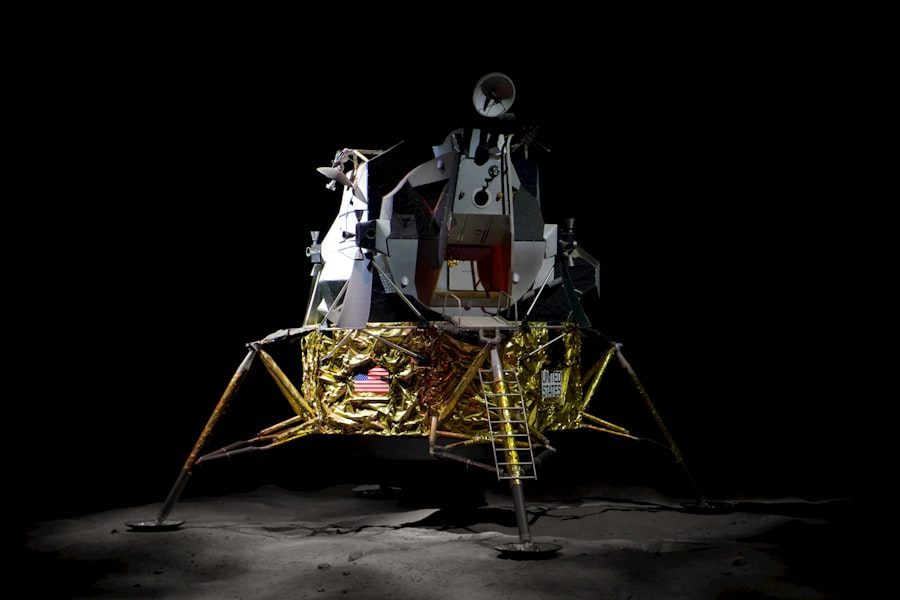
To prepare for potential emergencies during their missions, astronauts underwent extensive training focused on responding to alarms and other critical situations. This training included simulations that replicated various scenarios involving system failures and alarms sounding in real-time. By practicing these scenarios repeatedly, astronauts developed muscle memory and decision-making skills that would serve them well in actual missions.
Training also emphasized teamwork and communication among crew members. Astronauts learned how to effectively share information about alarms and coordinate their responses under pressure. This collaborative approach ensured that all crew members were aware of each other’s actions and could support one another in resolving issues as they arose.
Ensuring the Reliability of the Lunar Module Guidance Computer
The reliability of the Lunar Module Guidance Computer was paramount for mission success and crew safety. Engineers and scientists worked tirelessly to ensure that every component of the LMGC met stringent quality standards before being integrated into the spacecraft. Extensive testing was conducted on both hardware and software components to identify potential weaknesses or failure points.
Moreover, redundancy was built into critical systems within the LMGC to mitigate risks associated with potential failures. For instance, backup sensors and alternative navigation methods were incorporated into the design so that if one system failed, others could take over seamlessly. This emphasis on reliability not only enhanced safety but also instilled confidence in astronauts as they embarked on their missions.
The Evolution of Alarms in Space Technology
The evolution of alarms in space technology has been marked by significant advancements over the decades since the Apollo missions. Early alarms were often simple auditory signals with limited information conveyed to astronauts. However, as technology progressed, so did the sophistication of alarm systems.
Modern spacecraft now utilize advanced visual displays alongside auditory alerts, providing astronauts with comprehensive information about system statuses at a glance. Additionally, contemporary alarm systems are designed with user experience in mind, ensuring that alerts are intuitive and easy to interpret under stress. The integration of artificial intelligence has further enhanced alarm systems by allowing them to analyze data in real-time and prioritize alerts based on urgency and context.
This evolution reflects a broader trend in space technology toward enhancing safety and efficiency through improved communication between machines and humans.
Collaboration with Mission Control in Addressing Alarms
Collaboration with Mission Control has always been a cornerstone of successful space missions, particularly when addressing alarms triggered by onboard systems like the Lunar Module Guidance Computer. During critical phases of flight, such as landing or ascent, astronauts often relied on real-time communication with ground control experts who could provide additional insights or troubleshooting advice based on telemetry data received from the spacecraft. Mission Control’s role extended beyond merely providing technical support; they also served as a psychological anchor for astronauts facing stressful situations.
Knowing that a team of experts was monitoring their progress and ready to assist if needed helped bolster crew morale during challenging moments. This partnership between astronauts and Mission Control exemplified how teamwork transcended physical boundaries in space exploration.
Lessons Learned from Historical Alarms in Space Travel
Historical incidents involving alarms in space travel have provided invaluable lessons for future missions. One notable example is the Apollo 13 mission, where an oxygen tank explosion led to multiple alarms sounding aboard the spacecraft. The crew’s ability to remain calm under pressure and work collaboratively with Mission Control ultimately saved their lives and brought them safely back to Earth.
This incident highlighted the importance of effective communication and problem-solving skills when responding to alarms. Another lesson learned from historical alarms is the necessity for thorough training and preparation for unexpected situations. The experiences gained from past missions have informed current training protocols for astronauts, ensuring they are equipped with both technical knowledge and practical skills needed to navigate emergencies effectively.
These lessons continue to shape how future missions are planned and executed.
Future Developments in Lunar Module Guidance Computer Alarms
As technology continues to advance at an unprecedented pace, future developments in Lunar Module Guidance Computer alarms are likely to focus on enhancing automation and predictive capabilities. Emerging technologies such as machine learning could enable alarm systems to analyze patterns in data over time, allowing them to predict potential failures before they occur. This proactive approach would significantly enhance safety by providing astronauts with early warnings about issues that may arise during their missions.
Furthermore, future alarm systems may incorporate augmented reality interfaces that provide visual cues directly within an astronaut’s field of vision. Such innovations would allow for more intuitive interactions with alarm systems while minimizing distractions during critical operations. As space exploration continues to evolve, so too will the technologies designed to support astronauts in navigating complex environments safely and effectively.
In conclusion, understanding the intricacies of the Lunar Module Guidance Computer and its alarm systems is essential for appreciating how far space travel has come since the Apollo era. The lessons learned from historical experiences have paved the way for advancements that prioritize safety and efficiency in modern missions while fostering collaboration between astronauts and ground control teams. As technology continues to evolve, future developments promise even greater enhancements in how alarms function within spacecraft, ensuring that human exploration of space remains safe and successful.
In exploring the intricacies of the lunar module guidance computer, one cannot overlook the significance of the alarms that played a crucial role during the Apollo missions. These alarms were designed to alert astronauts to critical system statuses and potential malfunctions. For a deeper understanding of the challenges faced during these missions, you can read more in the related article found here.
WATCH THIS! 🚀 THE ALIEN ENGINE THAT SAVED APOLLO 11 (And Why NASA Hid It for 60 Years)
FAQs
What was the purpose of the Lunar Module Guidance Computer (LGC)?
The Lunar Module Guidance Computer (LGC) was designed to provide navigation, guidance, and control for the Apollo Lunar Module during moon missions. It helped astronauts land safely on the lunar surface and return to the Command Module.
What do the alarms on the Lunar Module Guidance Computer indicate?
The alarms on the LGC were designed to alert astronauts and mission control to specific issues or errors in the computer’s operation. These alarms could indicate problems such as data overflow, program errors, or hardware malfunctions that required immediate attention.
How were the LGC alarms identified during Apollo missions?
Alarms were identified by numeric codes displayed on the computer’s interface, often accompanied by audible alerts. For example, the famous “1202” and “1201” alarms during Apollo 11 indicated executive overflows, meaning the computer was overloaded but still functioning.
What caused the 1201 and 1202 alarms during the Apollo 11 landing?
The 1201 and 1202 alarms were caused by the computer receiving more data than it could process in real-time, primarily due to the rendezvous radar being left on, which overloaded the system. Despite these alarms, the computer continued to operate and allowed the landing to proceed safely.
How did astronauts respond to LGC alarms during missions?
Astronauts were trained to recognize and respond to LGC alarms by consulting mission control and following established procedures. In many cases, mission control would advise whether to continue or abort the mission phase based on the alarm type and severity.
Were LGC alarms ever false or non-critical?
Yes, some alarms indicated non-critical issues or temporary overloads that the computer could handle by prioritizing tasks. The system was designed to manage such situations without compromising mission safety.
How did the LGC handle multiple tasks and prevent system failure?
The LGC used a priority-based executive system to manage multiple tasks, allowing it to suspend lower-priority processes to focus on critical functions. This design helped prevent system failure even when overloaded.
Is the Lunar Module Guidance Computer still in use today?
No, the LGC was specifically designed for the Apollo program and is no longer in use. However, its design principles influenced modern aerospace computer systems.
Where can I learn more about the Lunar Module Guidance Computer and its alarms?
Detailed information about the LGC and its alarms can be found in NASA archives, Apollo mission transcripts, technical manuals, and documentaries about the Apollo program. The Smithsonian National Air and Space Museum and NASA’s official website are also valuable resources.