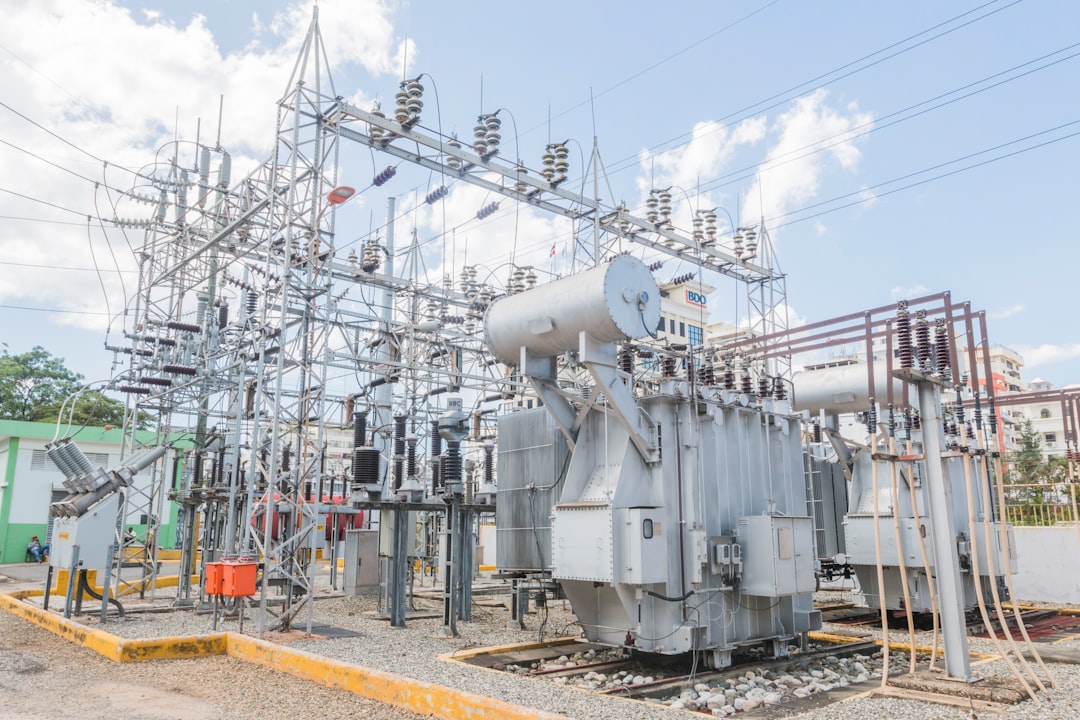
Electrical substations are the critical nodes in the power grid, responsible for transforming and distributing electricity safely and reliably. However, like any intricate piece of machinery, they are susceptible to operational quirks. Among these, nuisance trips, also known as spurious or false trips, present a significant challenge. These are situations where a protective relay or circuit breaker operates, interrupting the flow of electricity, not due to an actual fault condition, but because of an anomaly that mimics one. Managing these nuisance trips is paramount, as they can lead to unnecessary power outages, increased maintenance costs, and a diminished public perception of grid reliability. This article aims to provide a comprehensive overview of nuisance trips in electrical substations, exploring their causes, diagnostic approaches, and effective mitigation strategies.
The Nature of a Nuisance Trip: A Phantom Menace
A nuisance trip is akin to a smoke alarm going off when there is no fire. It is a genuine activation of a protective device, but the trigger is benign, a ghost in the machine rather than a true threat. The consequences, however, can be palpable. When a substation component trips unnecessarily, it can isolate a section of the grid, leading to localized or widespread power interruptions. This disruption affects residential customers, businesses, and essential services. Beyond the immediate impact of lost power, frequent nuisance trips can also place an undue burden on maintenance crews, diverting their resources from planned work or genuine fault repairs to investigate phantom problems. The cumulative effect is a reduction in system efficiency and an increase in operational expenditure. Understanding the nuances of these false alarms is the first step in taming this phantom menace.
Defining Nuisance Trips: Beyond the Obvious
It is crucial to distinguish between genuine fault trips and nuisance trips. A fault trip is a necessary and intended operation of the protection system, designed to isolate a circuit or component that has developed a fault, thereby preventing further damage and ensuring safety. A nuisance trip, on the other hand, bypasses this protective intent, triggering the system without a bona fide fault. The distinction lies in the absence of a measurable electrical anomaly that warrants such drastic intervention. This requires a deep understanding of the systems involved and the parameters that protection devices monitor.
The Economic and Operational Ramifications
The financial implications of nuisance trips are multifaceted. There are direct costs associated with the lost power itself, which can impact revenue for utilities and productivity for businesses. Furthermore, repeated investigations into false trips consume valuable engineering and technician time, a resource that is always in demand. Replacement of equipment that is prematurely aged or damaged due to repeated, unnecessary stress from tripping cycles also adds to the financial burden. Operationally, frequent interruptions erode customer confidence and can lead to penalties or regulatory scrutiny. The continuous cycling of circuit breakers and associated equipment can also lead to accelerated wear and tear, reducing their lifespan and increasing future replacement costs.
Unmasking the Culprits: Common Causes of Nuisance Trips
Nuisance trips rarely have a single cause. They are often the result of a confluence of factors, a delicate ecosystem of electrical signals and physical phenomena that, under specific circumstances, can trigger a protective response. Identifying these underlying causes requires a systematic and analytical approach, a detective’s diligence in piecing together clues.
Environmental Factors: The Whispers of Nature
The external environment in which a substation operates plays a significant role. Weather conditions, in particular, can be a prolific source of interference.
Atmospheric Electrical Phenomena
Lightning, the most dramatic form of atmospheric electricity, can induce surges and transients in substation equipment. While protection systems are designed to withstand lightning strikes, extreme conditions or proximity to a strike can lead to temporary overvoltages or electromagnetic interference (EMI) that a sensitive relay might interpret as a fault. Static discharge, particularly in arid or windy conditions, can also create transient voltages.
Temperature Extremes and Humidity
Both excessive heat and cold can affect the performance of electrical components. High temperatures can cause conductors to expand and components to operate outside their designed parameters, potentially leading to resistance changes or temporary insulation breakdowns. Conversely, extreme cold can make insulating materials brittle. High humidity, especially when combined with contaminants like dust or salt spray, can create conductive paths on insulators, leading to flashovers that mimic fault conditions.
Vibrations and Mechanical Stress
Substations are subject to various vibrations, from passing traffic to the internal operational cycles of equipment like transformers and switchgear. Excessive vibration can loosen electrical connections, leading to intermittent contact and fluctuating resistance, which can be misinterpreted as a fault. The mechanical stress on components, particularly during switching operations, can also contribute.
Equipment Malfunctions and Aging: The Wear and Tear of Time
No piece of equipment is immune to the effects of time and usage. As components age or develop subtle faults, their behavior can deviate from nominal specifications.
Aging Relays and Control Circuits
Protective relays, the brains of the substation’s protection system, have a finite lifespan. As they age, their internal components can drift, leading to changes in sensitivity or timing. Older solid-state relays, in particular, can be susceptible to electromagnetic interference or voltage fluctuations. Control circuits, the intricate network of wiring and logic that governs relay operation, can also degrade, leading to faulty signals.
Transformer Issues: Aging Insulation and Tap Changer Problems
Transformers are complex machines where aging can manifest in various ways. Degradation of internal insulation materials, often due to heat or moisture ingress over time, can lead to partial discharge activity that, while not a full fault, can be detected by sensitive protection systems. Tap changers, responsible for adjusting voltage levels, are subject to mechanical wear and can develop intermittent contacts or sticky operation, causing transient voltage imbalances.
Circuit Breaker Operation and Maintenance Lapses
Circuit breakers are designed to interrupt fault currents, but their operation itself can be a source of nuisance trips. Mechanical wear in operating mechanisms, problems with arc suppression chambers, or issues with the control circuitry can lead to erratic behavior. Improper maintenance, such as inadequate lubrication or failure to replace worn parts, exacerbates these issues.
Transient Phenomena: The Fleeting Shadows
Not all electrical anomalies are persistent. Transient phenomena, brief but significant deviations from normal operating conditions, are a common cause of nuisance trips.
Inrush Currents
When a transformer is energized, it draws a very large, temporary current known as inrush current. This current is significantly higher than the transformer’s rated full-load current and can persist for a few seconds. Modern protection relays are designed to distinguish inrush current from a fault current, but in older or improperly set relays, this can trigger a nuisance trip. The magnetic saturation of the transformer core is the primary reason for this phenomenon.
Switching Surges and Transients
The act of switching electrical circuits, especially those containing significant inductive or capacitive loads, can generate transient voltage and current spikes. These surges can be a byproduct of energizing or de-energizing lines, capacitors, or reactors. If a protection relay is too sensitive or not properly calibrated to ignore these expected transients, it can interpret them as a fault.
Ferroresonance
Ferroresonance is a complex nonlinear phenomenon that can occur in systems with both inductive and capacitive elements, particularly when a switch is operated under certain conditions. It can lead to sustained, high voltages and currents that are not indicative of a fault but can trigger protection relays. This is a particularly insidious type of transient because it can exhibit unusual waveform characteristics.
Measurement and Calibration Errors: The Imperfect Gaze
The accuracy of the measurements taken by protection systems is paramount. Any error in this process can lead to misinterpretations.
Instrument Transformer (CT/VT) Issues
Current Transformers (CTs) and Voltage Transformers (VTs) are the eyes and ears of the protection system, stepping down high currents and voltages to levels that relays can safely measure. If a CT or VT is saturated (meaning it cannot accurately reproduce the primary current/voltage at the secondary due to excessive magnetic flux), or if there are internal faults or loose connections, they can provide incorrect readings to the relay, leading to a false trip. Aging and damage can cause saturation, especially during transient events.
Relay Setting and Calibration Drifts
Protective relays are set to specific parameters based on the characteristics of the equipment they are protecting and the expected fault levels. Over time, due to environmental factors or internal component drift, these settings can change, making the relay overly sensitive or too slow to operate correctly. Calibration, the process of verifying and adjusting these settings, is crucial. If calibration is not performed regularly or is done incorrectly, nuisance trips can ensue.
Diagnosing the Phantom: Methodical Investigation of Nuisance Trips
When a nuisance trip occurs, it is essential to approach the problem with a methodical and analytical mindset. A haphazard investigation is like searching for a lost key in a dark room without a flashlight. The goal is to gather as much information as possible to pinpoint the root cause.
Retrospective Analysis: Piecing Together the Event
The first step in diagnosing a nuisance trip is to gather all available data related to the event.
Reviewing Trip Logs and Event Records
Modern substations are equipped with sophisticated digital fault recorders and protective relays that log all operations and events. These logs are a treasure trove of information, detailing the time of the trip, the protective element that operated, and the measured parameters leading up to the event. Examining these records meticulously can often reveal patterns or anomalies.
Analyzing Waveform Data
Digital fault recorders capture high-resolution waveform data of currents and voltages during events. Analyzing these waveforms can distinguish between a genuine fault and a transient disturbance. Specific patterns in the waveform can indicate inrush current, switching surges, or even the distinctive signatures of phenomena like ferroresonance. This data provides a microscopic view of what was happening electrically.
Cross-Referencing with Other System Events
It is important to consider whether the nuisance trip coincided with any other notable events in the substation or the wider grid. Was there a lightning strike in the vicinity? Was another substation experiencing issues? Were any maintenance activities underway? This contextual information can provide vital clues.
On-Site Inspection and Testing: The Hands-On Approach
While retrospective analysis is crucial, physical inspection and testing of the equipment are often necessary to confirm diagnostic hypotheses.
Visual Inspection of Equipment
A thorough visual inspection of the suspected equipment can reveal obvious issues such as loose connections, damaged insulators, signs of overheating, or physical damage. The health of the physical infrastructure is often a precursor to electrical problems.
Performing Diagnostic Tests
Various tests can be performed on relays, circuit breakers, and instrument transformers to assess their operational integrity. This might include insulation resistance testing, dielectric strength testing, contact resistance measurements, and relay functional testing. These tests help to identify latent defects that might not be apparent during normal operation.
Checking Connections and Wiring
Loose or corroded electrical connections are a common culprit for transient issues. Checking the integrity of all connections, from the main power conductors to the control wiring for the protection relays, is a critical step. Even seemingly minor corrosion can impede current flow or introduce unwanted resistance.
Environmental Monitoring: Observing the External Influences
Understanding the impact of the environment requires proactive monitoring.
Weather Data Correlation
Correlating trip events with detailed weather data, including lightning strike information, temperature, and humidity records, can help to determine if environmental factors played a role. Specialized weather stations installed within or near the substation can provide highly relevant local data.
Vibration and Noise Analysis
For suspected mechanical issues, specialized sensors can be used to monitor vibrations and acoustic emissions from equipment. Unusual patterns can indicate developing mechanical problems that might be leading to electrical anomalies.
Strategies for Prevention and Mitigation: Building a Resilient System
Preventing nuisance trips is a proactive endeavor, requiring a multifaceted approach that addresses the potential causes before they manifest as operational problems. Mitigation strategies focus on minimizing the impact of unavoidable nuisance trips.
Proactive Maintenance and Asset Management: The Guarded Gateway
Robust maintenance programs are the bedrock of preventing electrical issues.
Regular Relay Testing and Calibration
Protective relays must be tested and calibrated at regular intervals and after any significant system changes. This ensures their settings remain accurate and their operation is reliable. A well-maintained relay is less likely to be a source of mischief.
Scheduled Maintenance of Switchgear and Transformers
Implementing a comprehensive schedule for the maintenance of circuit breakers, transformers, and other substation equipment is vital. This includes lubrication, cleaning, inspections, and the replacement of worn components according to manufacturer recommendations and operational experience.
Condition-Based Monitoring
Employing condition-based monitoring techniques, such as online partial discharge monitoring on transformers or thermal imaging of electrical connections, can identify potential issues before they escalate and lead to trips. This shifts the maintenance paradigm from time-based to condition-based, focusing interventions where they are most needed.
Advanced Protection Scheme Design: The Intelligent Sentinel
Modern protection schemes are designed with greater intelligence to differentiate between actual faults and normal operational transients.
Using Modern Digital Relays with Advanced Algorithms
Digital relays offer sophisticated algorithms that can accurately distinguish between inrush current, switching transients, and genuine fault currents. Features like harmonic restraint for inrush detection and advanced filtering for transient suppression are crucial.
Properly Setting Protection Zones
Careful consideration of protection zones and coordination between different relays in the substation and the wider grid is essential. This ensures that only the most appropriate protective device operates in the event of a fault and minimizes the risk of maloperation due to overlapping protection areas.
Implementing Redundancy
In critical applications, employing redundant protection systems can ensure continuity of service. If one protection system experiences a nuisance trip, a redundant system can take over without interrupting power flow.
Environmental Control and Mitigation: Taming the Elements
Addressing environmental factors directly can significantly reduce nuisance trips.
Proper Grounding and Shielding
Effective grounding systems are crucial for dissipating transient voltages and maintaining system stability. Proper electromagnetic shielding of control circuits can protect sensitive relays from external interference.
Maintaining Cleanliness and Dryness
Regular cleaning of insulators and maintaining a dry environment within switchgear can prevent flashovers caused by dust, moisture, or pollution. This is particularly important in coastal or industrial areas.
System Enhancements and Upgrades: Future-Proofing the Grid
Investing in modernizing substation infrastructure can address many underlying causes of nuisance trips.
Upgrading Aging Relays and Control Systems
Replacing obsolete electromechanical or older solid-state relays with modern digital ones can bring significant improvements in accuracy and functionality. Upgrading control wiring and logic can also enhance reliability.
Implementing Advanced Diagnostic Tools
Investing in tools for real-time monitoring and analysis, such as synchronized phasor measurement units (PMUs), can provide unprecedented insight into grid behavior and aid in early detection of potential issues.
Conclusion: The Unceasing Quest for Reliability
Nuisance trips in electrical substations are a persistent challenge, a testament to the complex interplay of electrical forces and physical environments. However, by adopting a rigorous approach to diagnosis, implementing proactive maintenance strategies, and leveraging advanced protection technologies, utilities can significantly reduce their occurrence. The relentless pursuit of reliability in the power grid demands a deep understanding of these phantom menaces and a commitment to their diligent management. By treating each nuisance trip not as an isolated incident but as a symptom of a deeper issue, engineers and operators can build more resilient, efficient, and trustworthy electrical substations, ensuring the continuous flow of power that underpins modern society. The journey to impeccable substation reliability is ongoing, a constant evolution in understanding and engineering.
FAQs
What are nuisance trips in electrical substations?
Nuisance trips are unintended or false trips of circuit breakers or protective devices in electrical substations. They occur without actual faults or dangerous conditions, causing unnecessary interruptions in power supply.
What causes nuisance trips in electrical substations?
Common causes include transient disturbances, electromagnetic interference, incorrect relay settings, equipment malfunctions, or external factors like lightning and switching surges.
How do nuisance trips affect power system reliability?
Nuisance trips can reduce system reliability by causing unexpected outages, increasing maintenance costs, and potentially leading to cascading failures if not properly managed.
What methods are used to prevent nuisance trips?
Preventive measures include proper relay coordination and settings, regular maintenance and testing of equipment, use of advanced protection schemes, and installation of filters or surge arresters to mitigate transient disturbances.
How can operators diagnose and troubleshoot nuisance trips?
Operators analyze event logs, perform relay testing, inspect equipment condition, review protection settings, and use monitoring tools to identify the root cause and implement corrective actions to prevent recurrence.