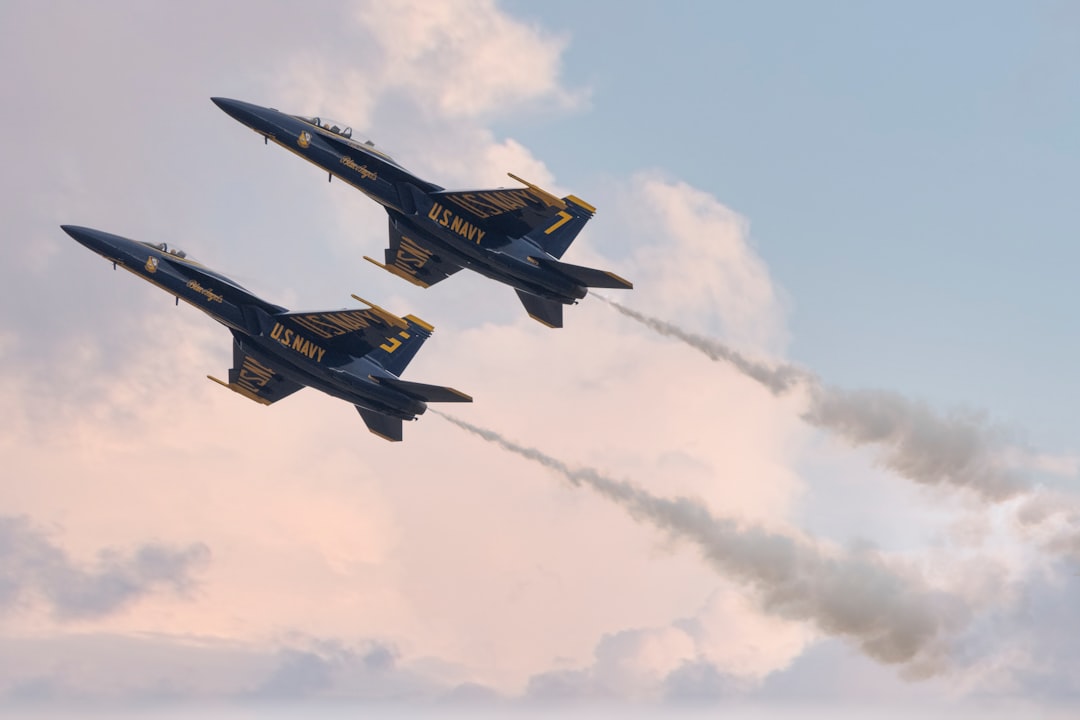
Right angle maneuvers are critical in naval aviation, representing an essential skill pilots must master for operational effectiveness. These precise turns provide tactical advantages during flight operations, allowing pilots to evade enemy fire and reposition quickly during combat engagements. The ability to execute sharp, precise turns enables both offensive and defensive tactical maneuvers in combat scenarios.
These maneuvers are particularly crucial for aircraft carrier operations, where the limited space demands exceptional precision during landing and takeoff procedures. On a carrier deck, accurate execution of right angle turns prevents collisions and ensures safety of personnel and equipment. The importance of these maneuvers extends across all naval aviation operations, from training to actual missions.
Consequently, mastering right angle maneuvers forms a fundamental component of naval pilot training, requiring consistent practice and rigorous preparation.
Key Takeaways
- Right angle maneuvers are critical for naval aviation, enhancing aircraft agility and mission effectiveness.
- Understanding the physics and aerodynamics behind these maneuvers is essential for safe and precise execution.
- Comprehensive training, including simulations and real-world practice, prepares pilots to perform right angle maneuvers under various conditions.
- Advanced technology and pilot psychology play key roles in improving maneuver accuracy and handling combat stress.
- Learning from past failures and adapting techniques ensures continuous improvement and future success in naval aviation operations.
Understanding the Physics Behind Right Angle Maneuvers
To appreciate the intricacies of right angle maneuvers, one must delve into the physics that govern flight dynamics. When an aircraft executes a right angle turn, it experiences a combination of forces that affect its trajectory and stability. The centripetal force, which acts towards the center of the turn, is crucial in maintaining the aircraft’s path.
Pilots must understand how to balance this force with the aircraft’s weight and thrust to achieve a smooth and controlled maneuver. The principles of lift and drag also play significant roles; as an aircraft banks into a turn, its wings generate lift at an angle, which can alter its speed and altitude. Additionally, pilots must consider the effects of inertia during these maneuvers.
As an aircraft changes direction abruptly, the inertia can cause it to continue moving in its original path unless countered by the pilot’s inputs. This phenomenon underscores the importance of timing and coordination in executing right angle maneuvers effectively. Understanding these physical principles not only enhances a pilot’s ability to perform these turns but also fosters a deeper appreciation for the complexities involved in naval aviation.
Training and Preparation for Right Angle Maneuvers
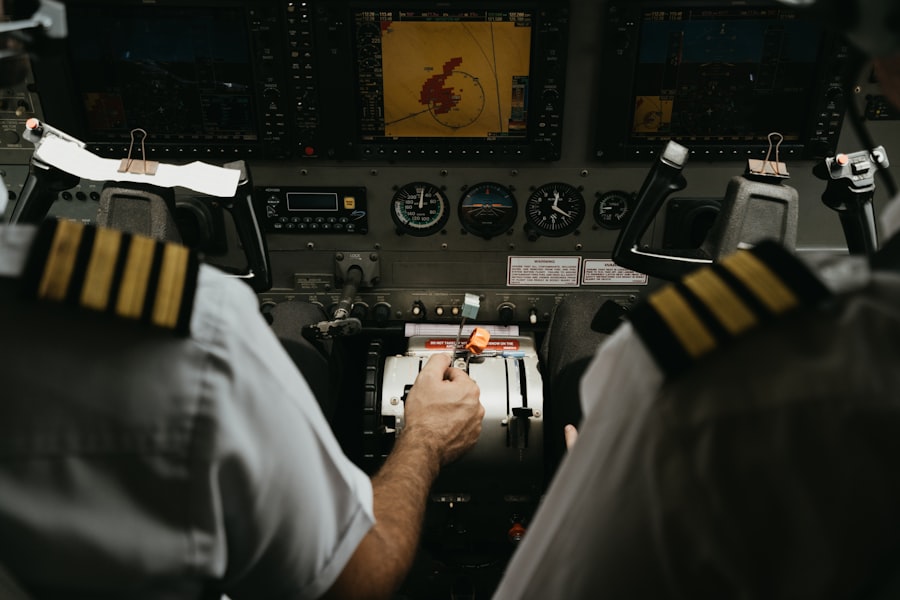
Training for right angle maneuvers is a rigorous process that combines theoretical knowledge with practical application. Aspiring naval pilots undergo extensive instruction that covers the fundamental principles of flight dynamics, aerodynamics, and navigation. This foundational knowledge is essential for understanding how to execute right angle maneuvers safely and effectively.
Ground school sessions often include simulations that allow pilots to visualize and practice these maneuvers in a controlled environment before taking to the skies. In addition to classroom instruction, hands-on training is crucial for developing muscle memory and instinctive reactions during flight. Flight simulators provide an invaluable resource for practicing right angle maneuvers under various scenarios, including different altitudes, speeds, and aircraft configurations.
These simulations help pilots refine their skills without the risks associated with actual flight. Furthermore, experienced instructors play a vital role in this training process, offering feedback and guidance that help novice pilots hone their techniques and build confidence in their abilities.
Mastering Right Angle Maneuvers in Different Weather Conditions
Weather conditions can significantly impact the execution of right angle maneuvers, making adaptability a key trait for naval pilots. In clear skies, pilots may find it easier to perform these maneuvers with precision; however, adverse weather conditions such as rain, fog, or turbulence can complicate matters considerably. For instance, low visibility can hinder a pilot’s ability to gauge their surroundings accurately, necessitating heightened awareness and reliance on instruments.
In such situations, pilots must be adept at using their training to compensate for environmental challenges while maintaining control over their aircraft.
Crosswinds can push an aircraft off its intended path during a turn, requiring pilots to adjust their inputs accordingly to maintain stability.
Understanding how to read weather patterns and anticipate their effects on flight is essential for executing successful right angle maneuvers in less-than-ideal conditions. This adaptability not only enhances safety but also ensures mission success, as pilots must be prepared to navigate through various weather scenarios while executing tactical maneuvers.
The Role of Technology in Enhancing Right Angle Maneuvers
| Metric | Description | Typical Value | Unit |
|---|---|---|---|
| Turn Radius | Minimum radius to execute a right angle turn | 500-700 | meters |
| Turn Rate | Rate of change of heading during maneuver | 15-20 | degrees/second |
| G-Force | Maximum g-force experienced during maneuver | 6-7 | g |
| Speed | Typical speed during right angle maneuver | 300-450 | knots |
| Time to Complete Turn | Duration to complete a 90-degree turn | 3-5 | seconds |
| Altitude | Typical altitude during maneuver | 500-1500 | feet AGL |
Advancements in technology have revolutionized naval aviation, particularly in enhancing the execution of right angle maneuvers. Modern aircraft are equipped with sophisticated avionics systems that provide real-time data on speed, altitude, and heading, allowing pilots to make informed decisions during flight. These systems can assist in calculating optimal turn rates and angles, thereby improving the accuracy of right angle maneuvers.
Additionally, heads-up displays (HUDs) provide critical information directly in the pilot’s line of sight, minimizing distractions and enabling quicker reactions. Furthermore, simulation technology has advanced significantly, offering highly realistic training environments that replicate various flight conditions and scenarios. Virtual reality (VR) simulations allow pilots to practice right angle maneuvers in immersive settings that mimic real-world challenges.
This technology not only enhances training effectiveness but also allows for repeated practice without the associated risks of actual flight. As technology continues to evolve, it will undoubtedly play an increasingly vital role in refining the skills necessary for executing precise right angle maneuvers.
The Challenges of Executing Right Angle Maneuvers in Combat Situations
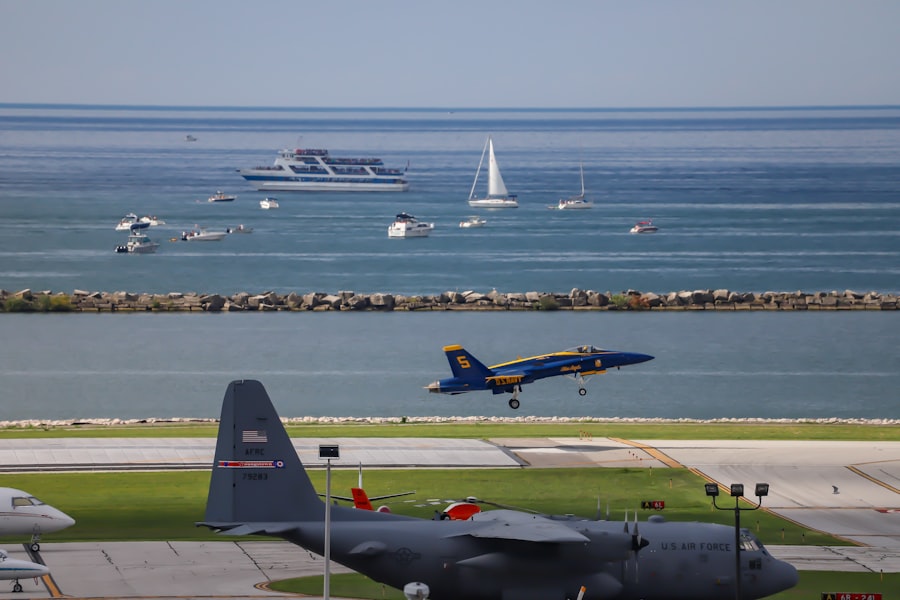
Executing right angle maneuvers in combat situations presents unique challenges that test a pilot’s skills and decision-making abilities under pressure. In high-stakes environments where split-second decisions can determine outcomes, maintaining composure becomes paramount. The chaos of combat can lead to heightened stress levels, which may impair judgment and reaction times.
Pilots must be trained not only in technical skills but also in managing stress and maintaining focus amidst distractions. Additionally, combat scenarios often involve unpredictable variables such as enemy movements and environmental factors that can complicate maneuver execution. Pilots must be adept at assessing threats while simultaneously performing complex maneuvers.
This requires a deep understanding of situational awareness and tactical planning. The ability to anticipate enemy actions while executing right angle turns can provide a significant advantage in evading attacks or positioning for counter-offensive strategies.
The Psychology of Maintaining Precision in Right Angle Maneuvers
The psychological aspect of executing right angle maneuvers cannot be overlooked; mental fortitude plays a crucial role in achieving precision during flight operations. Pilots must cultivate a mindset that balances confidence with caution, allowing them to execute complex maneuvers without succumbing to overconfidence or hesitation. This psychological balance is essential for maintaining focus during high-pressure situations where mistakes can have dire consequences.
Moreover, visualization techniques can aid pilots in honing their skills for right angle maneuvers. By mentally rehearsing each step of the maneuver before execution, pilots can enhance their muscle memory and improve their overall performance. This mental preparation helps reduce anxiety and fosters a sense of control during flight operations.
Ultimately, understanding the psychological factors at play enables pilots to approach right angle maneuvers with clarity and precision.
Learning from Past Mistakes: Case Studies of Right Angle Maneuver Failures
Analyzing past mistakes related to right angle maneuver failures provides valuable insights into areas for improvement within naval aviation training and operations. Historical case studies reveal instances where miscalculations or lapses in judgment led to catastrophic outcomes during critical maneuvers. For example, incidents involving mid-air collisions often stem from improper execution of right angle turns or failure to maintain situational awareness.
These case studies serve as cautionary tales that emphasize the importance of thorough training and adherence to established protocols. By examining what went wrong in these situations, current pilots can learn valuable lessons about risk management and decision-making under pressure. Furthermore, incorporating these lessons into training programs can help prevent similar mistakes from occurring in the future.
The Impact of Right Angle Maneuvers on Mission Success
The successful execution of right angle maneuvers directly influences mission outcomes in naval aviation operations. Whether engaging enemy forces or conducting reconnaissance missions, the ability to maneuver swiftly and accurately is essential for achieving objectives. Right angle turns allow pilots to reposition themselves strategically, enhancing their effectiveness during combat scenarios or while evading threats.
Moreover, effective maneuvering contributes to overall mission success by ensuring that aircraft remain agile and responsive throughout operations. Pilots who master right angle maneuvers are better equipped to adapt to changing circumstances on the battlefield, allowing them to capitalize on opportunities as they arise. Ultimately, the proficiency with which pilots execute these maneuvers can significantly impact mission success rates and operational effectiveness.
The Future of Right Angle Maneuvers in Naval Aviation
As naval aviation continues to evolve with advancements in technology and tactics, the future of right angle maneuvers will likely see significant changes as well. Emerging technologies such as artificial intelligence (AI) may play a role in enhancing maneuver execution by providing real-time data analysis and predictive modeling based on environmental conditions and enemy movements. This could enable pilots to make more informed decisions during critical moments.
Additionally, ongoing research into human factors in aviation will likely inform training methodologies aimed at improving pilot performance during right angle maneuvers. By understanding how cognitive processes influence decision-making under pressure, trainers can develop more effective programs that address both technical skills and psychological resilience. As naval aviation adapts to new challenges on the horizon, mastering right angle maneuvers will remain a cornerstone of pilot training and operational success.
Tips for Aspiring Naval Pilots to Master Right Angle Maneuvers
For aspiring naval pilots seeking to master right angle maneuvers, several key tips can enhance their training experience. First and foremost, consistent practice is essential; regular flight time allows pilots to refine their techniques and build confidence in their abilities. Engaging with experienced instructors who can provide constructive feedback is equally important; learning from those who have navigated similar challenges can accelerate skill development.
Additionally, aspiring pilots should prioritize understanding the underlying physics behind flight dynamics; this knowledge will inform their decision-making during maneuvers and enhance overall performance. Utilizing simulation technology for practice can also be beneficial; virtual environments allow for repeated attempts at executing right angle turns without the risks associated with actual flight. Finally, cultivating a strong mental framework is crucial; developing techniques for managing stress and maintaining focus will serve aspiring pilots well as they navigate the complexities of naval aviation operations.
By embracing these tips and committing to continuous improvement, aspiring naval pilots can position themselves for success in mastering right angle maneuvers and excelling in their future careers.
Navy pilots are known for their exceptional flying skills, particularly when it comes to executing right angle maneuvers during complex aerial operations. These maneuvers are crucial for maintaining tactical advantage and ensuring mission success. For a deeper understanding of the challenges and techniques involved in such maneuvers, you can read more in this related article on XFile Findings.
WATCH THIS 🛑 LEAKED: The Ring That Defied Physics (1954-2025 Classified Documents Exposed)
FAQs
What are right angle maneuvers in naval aviation?
Right angle maneuvers are tactical flight techniques used by navy pilots to quickly change direction by approximately 90 degrees. These maneuvers help pilots evade enemy aircraft, reposition for attack, or gain a tactical advantage during aerial combat.
Why are right angle maneuvers important for navy pilots?
Right angle maneuvers are crucial because they allow pilots to rapidly alter their flight path, making it harder for adversaries to predict their movements. This agility enhances survivability and effectiveness in dogfights and other combat scenarios.
How do navy pilots execute right angle maneuvers?
Pilots execute right angle maneuvers by performing sharp turns, often using a combination of roll, pitch, and yaw controls. The maneuver requires precise control inputs and situational awareness to maintain speed and altitude while changing direction quickly.
Are right angle maneuvers used only in combat situations?
While primarily used in combat to evade or engage enemy aircraft, right angle maneuvers can also be practiced during training exercises to improve pilot skills and aircraft handling capabilities.
What types of aircraft are capable of performing right angle maneuvers?
Most modern naval fighter jets, such as the F/A-18 Hornet and F-35C Lightning II, are designed to perform right angle maneuvers due to their advanced aerodynamics and control systems. However, the effectiveness of the maneuver depends on the aircraft’s speed, altitude, and design.
Do right angle maneuvers affect the aircraft’s speed or energy?
Yes, performing a right angle maneuver typically results in a loss of speed and kinetic energy due to the sharp turn and increased aerodynamic drag. Pilots must manage their energy state carefully to avoid becoming vulnerable after the maneuver.
Can right angle maneuvers be combined with other aerial tactics?
Absolutely. Right angle maneuvers are often integrated with other tactics such as barrel rolls, split-S, or high-G turns to create complex flight patterns that confuse opponents and provide tactical advantages.
Is special training required for navy pilots to perform right angle maneuvers?
Yes, navy pilots undergo extensive training to master right angle maneuvers. This includes simulator sessions, classroom instruction, and live flight training to ensure they can execute these maneuvers safely and effectively under combat conditions.