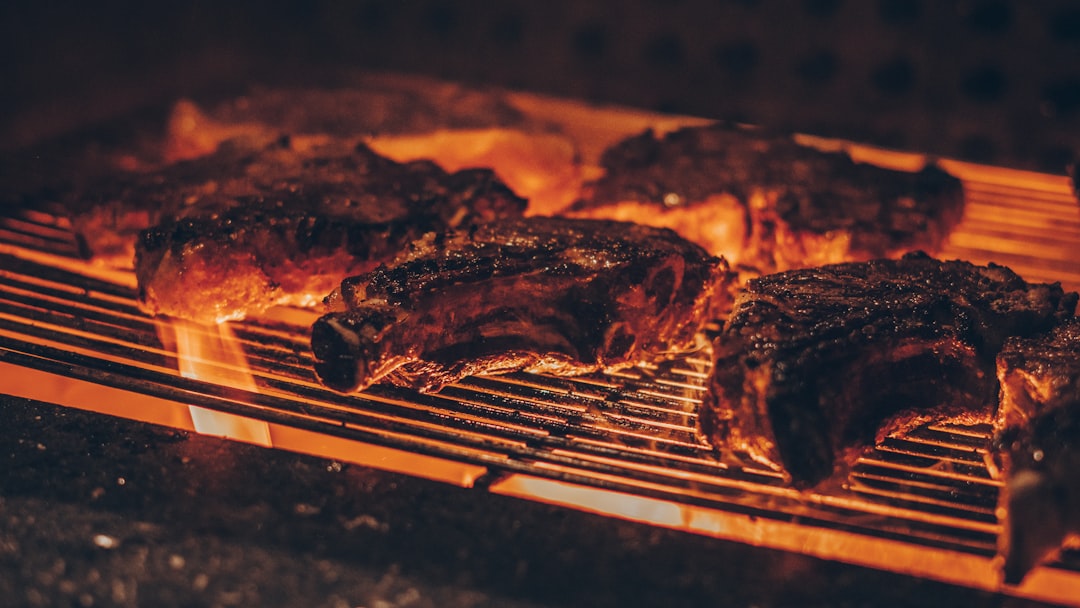
Mastering the Art of Grilling: Project Flame
The allure of the grill, a seemingly simple apparatus, has captivated culinary enthusiasts for generations. “Mastering the Art of Grilling: Project Flame” aims to demystify this process, moving beyond anecdotal advice and into a structured exploration of the fundamental principles that govern successful outdoor cooking. This endeavor is not about achieving divine culinary status through ephemeral pronouncements, but rather about developing a replicable skillset rooted in understanding heat transfer, food science, and equipment management. Project Flame seeks to equip individuals with the knowledge and practical techniques necessary to consistently produce high-quality grilled dishes, fostering confidence and competence at the grill.
At its heart, grilling is a method of cooking that utilizes direct heat from a source positioned below the food. This direct heat transfer is what distinguishes grilling from other cooking methods like baking or roasting, which typically involve indirect heat or radiant heat from above. Project Flame emphasizes understanding these fundamental heat dynamics as the bedrock of all successful grilling.
Heat Transfer Mechanisms
The primary heat transfer mechanism in grilling is convection, where hot air and gases from the heat source circulate around the food. However, direct radiant heat from glowing coals or heated elements also plays a significant role, contributing to the characteristic searing and charring of grilled items. Conduction, the transfer of heat through direct contact, is also important, especially when food makes direct contact with the grill grates.
Radiant Heat
Radiant heat emanates from the heat source in all directions. For charcoal grills, this comes from the glowing embers, while for gas grills, it originates from the burners or heat-conducting plates. Understanding the intensity of radiant heat is crucial for controlling cooking times and achieving desired char levels. High radiant heat can quickly sear the exterior of food, creating a flavorful crust, but if not managed, can lead to burning before the interior is cooked.
Convective Heat
Convective heat involves the movement of hot air or gases. In a closed grill, this trapped hot air cooks the food from all sides. The design of the grill’s lid and vents significantly influences convective heat flow. Proper ventilation allows for temperature regulation, enabling cooks to maintain a consistent cooking environment.
Conductive Heat
Conduction occurs when food comes into direct contact with a hotter surface. Grill grates are the primary conduit for conductive heat. Their material, thickness, and cleanliness all impact how effectively heat is transferred to the food. Well-maintained, preheated grates are essential for preventing sticking and achieving those desirable grill marks.
The Role of Marinades and Rubs
While not solely a grilling technique, marinades and rubs are integral to the flavor profiles achieved through grilling. Project Flame explores their function beyond adding taste, focusing on their impact on texture and moisture retention.
Marinades: Beyond Flavor
Marinades typically consist of an acidic component (like vinegar or citrus juice), oil, and flavorings. The acid in marinades helps to break down some of the tougher connective tissues in meats, tenderizing them. The oil helps to transfer fat-soluble flavors into the food and can also prevent sticking on the grill. The key is to understand the duration of marination; over-marinating, especially with highly acidic marinades, can lead to a mushy texture.
Rubs: A Crust of Flavor
Dry rubs, composed of a blend of spices, herbs, and sometimes sugar, create a flavorful crust on the surface of food as it cooks. The sugars in rubs caramelize under the heat of the grill, contributing to browning and a slightly sweet undertone. The salt content in rubs also plays a vital role in flavor enhancement and, when given sufficient time, can even draw out some moisture to create a more concentrated flavor.
Project Grill Flame has garnered significant attention in the realm of cybersecurity, particularly due to its sophisticated methods of cyber espionage. For those interested in a deeper understanding of similar cyber threats and their implications, a related article can be found at this link. This article explores various advanced persistent threats and their impact on global security, providing valuable insights into the evolving landscape of cyber warfare.
Selecting and Preparing Your Grill
The grill itself is the primary tool in Project Flame. Understanding the different types of grills and their respective strengths and weaknesses, as well as proper preparation, is fundamental.
Charcoal Grills: The Traditionalist’s Choice
Charcoal grills are beloved for the distinct smoky flavor they impart to food and the high heat they can achieve. Project Flame delves into the nuances of managing charcoal for optimal results.
Charcoal Types and Their Properties
Different types of charcoal exist, including briquettes and lump charcoal. Briquettes are manufactured and tend to burn more uniformly and for longer periods, but may contain additives. Lump charcoal, made from hardwood, burns hotter and faster and imparts a more pure smoky flavor, but can be less consistent in its burn time.
Building and Managing a Fire
Mastering the art of building and managing a charcoal fire is a critical skill. This involves understanding airflow, the stages of charcoal burning (from fully lit to ashed over), and how to arrange coals for different cooking zones (direct and indirect heat). The “chimney starter” is presented as a reliable and efficient method for igniting charcoal.
Gas Grills: Convenience and Control
Gas grills offer ease of use, quick startup, and precise temperature control, making them a popular choice for many. Project Flame examines how to leverage these advantages.
Burner Configuration and Heat Zones
Gas grills typically feature multiple burners. Understanding how to control individual burners allows for the creation of distinct heat zones, enabling simultaneous cooking of different items at varying temperatures or providing a “cool zone” for resting or indirect cooking.
Propane vs. Natural Gas
The choice between propane and natural gas depends on accessibility and preference. Propane tanks offer portability, while natural gas lines provide a continuous fuel source. Project Flame discusses the implications of each for grilling setup and usage.
Electric Grills: Indoor-Friendly Options
While often less intense than charcoal or gas, electric grills offer a convenient option for indoor or small-space grilling. Project Flame briefly addresses their unique characteristics.
Temperature Limitations and Best Uses
Electric grills typically operate at lower temperatures and lack the intense searing capabilities of other types. They are best suited for thinner cuts of meat, vegetables, and items where a pronounced smoky flavor is not a primary requirement.
Mastering Heat Control and Cooking Zones
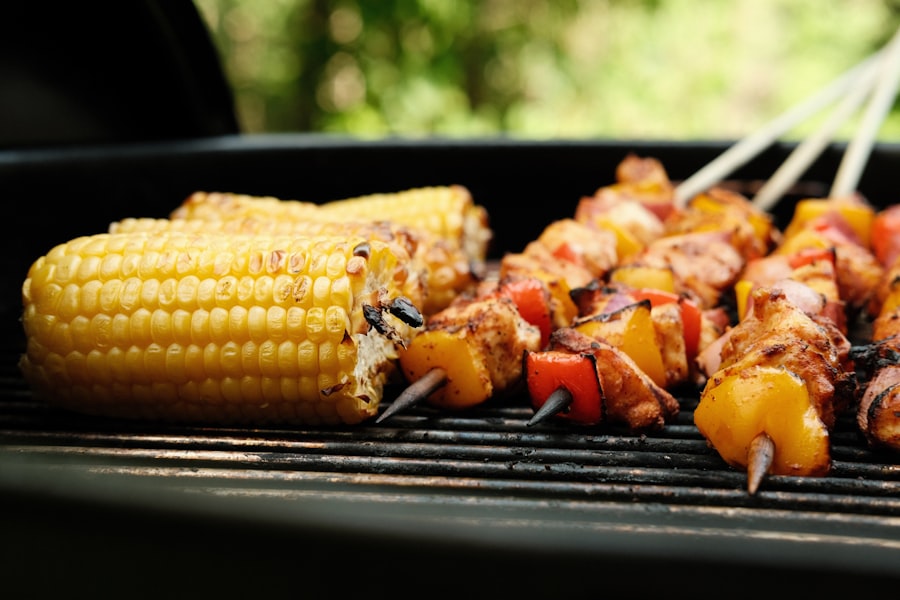
Effective heat management is paramount to successful grilling. Project Flame dedicates significant attention to understanding and manipulating heat for optimal cooking outcomes.
Direct vs. Indirect Heat
The distinction between direct and indirect heat is fundamental to grilling. Project Flame explains when and how to utilize each.
Direct Heat: Searing and Quick Cooking
Direct heat involves placing food directly over the heat source. This method is ideal for searing steaks, burgers, and other foods that cook quickly and benefit from direct searing. It allows for rapid browning and the development of a flavorful crust.
Indirect Heat: Slow Cooking and Large Cuts
Indirect heat involves placing food away from the direct heat source, often with the lid closed. This method is akin to oven roasting and is best for larger cuts of meat like roasts, whole chickens, or ribs that require longer cooking times without burning the exterior.
Creating Cooking Zones
The ability to create distinct heat zones within the grill is a hallmark of an experienced griller. Project Flame provides practical methods for achieving this.
Two-Zone Grilling
This common technique involves arranging coals or setting burners to create a hot side and a cooler side of the grill. This allows for searing food on the hot side and then moving it to the cooler side to finish cooking, preventing overcooking.
Multi-Zone Grilling
For more advanced control, multiple heat zones can be established. This might involve different arrangements of charcoal or the strategic use of all burner controls on a gas grill to create pockets of varying temperatures.
Understanding Food and How It Cooks on the Grill
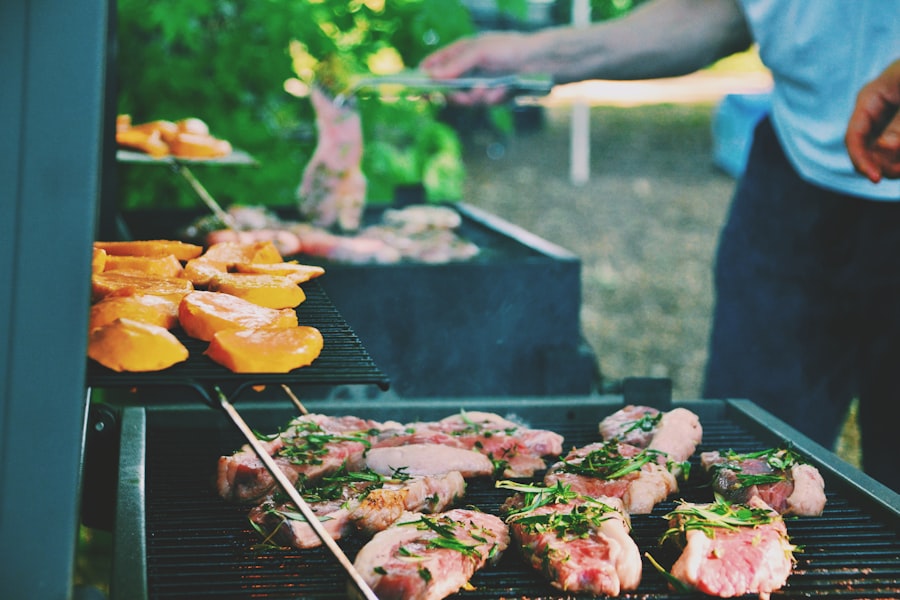
Project Flame recognizes that successful grilling is not just about managing heat, but also about understanding how different types of food react to that heat.
Meat: Temperature, Doneness, and Carryover
Meat is a staple of grilling, and Project Flame offers detailed guidance on achieving desired doneness.
Internal Temperature Guidelines
Precise internal temperatures are crucial for safety and optimal texture. Project Flame provides charts and guidelines for various cuts of beef, pork, poultry, and lamb, emphasizing the use of an instant-read thermometer.
Understanding Doneness Levels
From rare to well-done, each level of doneness offers a different culinary experience. Project Flame explains the visual cues, textural differences, and corresponding internal temperatures for each.
Carryover Cooking
A critical concept in meat cookery, carryover cooking refers to the continued increase in internal temperature after the food is removed from the heat. Project Flame explains how to account for this phenomenon to avoid overcooking.
Seafood: Delicate and Quick-Cooking
Seafood requires a lighter touch and often a shorter cooking time on the grill. Project Flame addresses its specific needs.
Fish Fillets and Whole Fish
Different preparations of fish require different approaches. Project Flame discusses techniques for grilling fillets, steaks, and whole fish, including the use of grill baskets or foil packets.
Shellfish: Shrimp, Scallops, and More
Shellfish cooks very quickly and can easily become tough if overcooked. Project Flame offers tips for grilling shrimp, scallops, calamari, and other popular shellfish. Prevention of sticking is a key consideration.
Vegetables: Charring for Flavor
Vegetables can be transformed on the grill, developing a pleasant char and smoky flavor. Project Flame explores their grilling potential.
Ideal Vegetables for Grilling
Certain vegetables hold up well to the heat and benefit from grilling. Project Flame highlights options like corn on the cob, bell peppers, onions, zucchini, asparagus, and mushrooms.
Prepping and Seasoning
Understanding how to prepare vegetables for grilling, such as slicing uniformly or blanching tougher vegetables, is important. Project Flame also discusses effective seasoning strategies.
Project Grill Flame has garnered attention for its sophisticated cyber espionage techniques, and those interested in understanding its implications may find a related article on the topic quite enlightening. This article delves into the intricacies of cyber threats and their impact on global security. For further insights, you can read more about it here.
Advanced Techniques and Troubleshooting
| Task | Status | Due Date |
|---|---|---|
| Design Concept | Completed | 2022-08-15 |
| Material Procurement | In Progress | 2022-09-10 |
| Construction | Not Started | 2022-10-05 |
Once the foundational elements are mastered, Project Flame introduces more advanced techniques and addresses common challenges faced by grillers.
Smoking on the Grill
For those seeking deeper flavor profiles, Project Flame explores the basics of smoking on a standard grill.
Using Wood Chips and Chunks
The type and quantity of wood used significantly impact the smoke flavor. Project Flame explains the differences between wood chips and chunks and how to use them effectively in both charcoal and gas grills.
Low and Slow Cooking
Achieving true smoked flavor often involves cooking at lower temperatures for extended periods. Project Flame provides an overview of this “low and slow” method.
Grilling Desserts
The versatility of the grill extends to the dessert course. Project Flame introduces this less common but rewarding application.
Fruits and Pastries
Grilling fruits like pineapple or peaches can enhance their natural sweetness. Project Flame also discusses the possibilities of grilling pastries or even cakes.
Troubleshooting Common Grilling Issues
Even experienced grillers encounter problems. Project Flame offers solutions to frequent issues.
Sticking Food
This is a perennial frustration. Project Flame provides a multi-faceted approach to prevention, including grill maintenance, oiling grates, and proper cooking temperatures.
Uneven Cooking
Whether due to hot spots on the grill or poor heat management, uneven cooking can lead to frustration. Project Flame offers strategies for diagnosing and rectifying this problem.
Flare-ups
While some minimal flare-up is inherent to grilling, excessive flare-ups can scorch food. Project Flame explains the causes and mitigation techniques, emphasizing responsible heat management and fat management.
Project Flame is an ongoing journey of learning and refinement. By focusing on fundamental principles, understanding the equipment, and adapting to the behavior of food, individuals can move from novice to proficient griller, consistently producing delicious and satisfying results. The pursuit of mastery is a process of experimentation, observation, and continuous improvement, ensuring that each grilling session is an opportunity to hone one’s skills and delight in the art of fire.
FAQs
What is Project Grill Flame?
Project Grill Flame was a classified program conducted by the United States government in the 1970s and 1980s. It was part of the Stargate Project, which focused on remote viewing and psychic phenomena.
What was the purpose of Project Grill Flame?
The purpose of Project Grill Flame was to investigate the potential military and intelligence applications of remote viewing, which is the ability to perceive or describe details about a distant or unseen target using extrasensory perception.
Who was involved in Project Grill Flame?
Project Grill Flame was conducted by the Defense Intelligence Agency (DIA) and involved a team of researchers, including scientists and psychics, who were tasked with exploring the capabilities and limitations of remote viewing.
What were the outcomes of Project Grill Flame?
The outcomes of Project Grill Flame remain classified, but it is known that the program produced a significant amount of research and documentation related to remote viewing. Some sources claim that the program had limited success in producing actionable intelligence.
Is Project Grill Flame still active?
Project Grill Flame and the broader Stargate Project were officially terminated in the mid-1990s. The declassified documents related to these programs are now publicly available, and there is no evidence to suggest that similar programs are currently active.