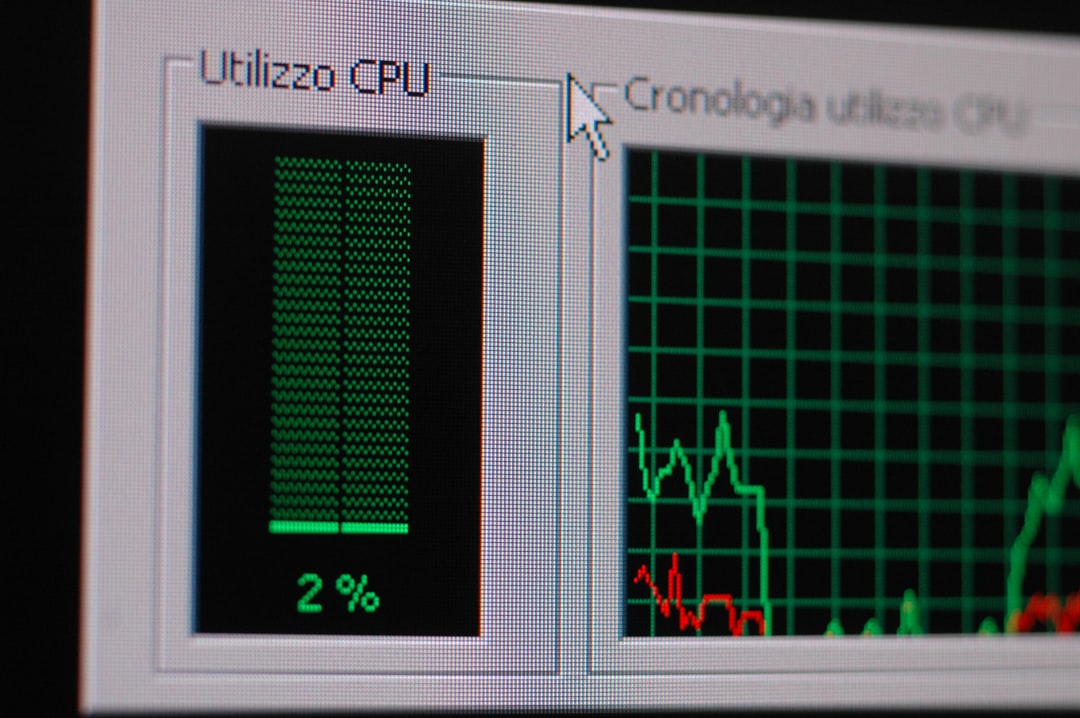
The continuous operation of critical infrastructure relies heavily on the stability and performance of its underlying technological components. For organizations like the Office of Naval Intelligence (ONI), this often translates to the continued operation of legacy hardware systems. These systems, while potentially older in design and architecture, form the bedrock of established workflows and data archives. Their persistent functionality is not a matter of choice but a necessity for maintaining continuity, accessing historical data, and supporting existing, deeply integrated software dependencies.
The Enduring Role of Legacy Systems
Legacy hardware, in the context of ONI, represents systems that were deployed to meet specific operational requirements and, due to the significant cost, complexity, or risk associated with their replacement, continue to be utilized. This can encompass a wide range of equipment, from mainframe computers and specialized data acquisition units to networked storage devices and communication infrastructure. The critical characteristic is not their age, but their continued integration into the operational fabric and the absence of a readily available, fully functional, and secure replacement.
Challenges in Maintaining Operational Readiness
The ongoing operation of legacy hardware presents a distinct set of challenges compared to modern, readily supported systems. These challenges are multifaceted and require a proactive and specialized approach to monitoring.
Aging Components and Increased Failure Rates
One of the most significant concerns with legacy hardware is the natural degradation of its physical components. Over time, capacitors degrade, moving parts wear out, and insulation can become brittle. This increased susceptibility to failure can lead to unexpected downtime and data loss if not adequately anticipated and mitigated.
Increased Mean Time Between Failures (MTBF)
As components age, their Mean Time Between Failures (MTBF) tends to decrease, meaning they are likely to fail more frequently. This necessitates a more vigilant monitoring strategy to detect early signs of degradation.
Material Fatigue and Obsolete Parts
The physical materials used in older hardware can experience fatigue and become more prone to breakage. Furthermore, finding replacement parts for obsolete systems can be a significant logistical hurdle, often requiring specialized vendors or the cannibalization of other units.
Software and Security Vulnerabilities
Legacy systems are often running older operating systems and software. These platforms may no longer receive security updates from vendors, leaving them vulnerable to exploits. Monitoring becomes crucial in identifying potential breaches and in assessing the impact of any security incidents.
Lack of Current Security Patches
The absence of regular security patches leaves legacy systems open to known vulnerabilities that are actively exploited by malicious actors.
End-of-Life Software Support
When software reaches its End-of-Life (EOL) status, vendors cease providing support, including security updates and bug fixes. This creates a significant security risk.
Integration with Modern Systems
Often, legacy hardware is not isolated but integrated with newer systems to facilitate data transfer or functionality. These integration points can be sources of instability or security risks if not properly managed and monitored.
Data Silos and Interoperability Issues
Legacy systems can create data silos, making it difficult to integrate information with modern platforms. Monitoring these interfaces is essential to ensure data integrity and flow.
API Incompatibilities
The interfaces and Application Programming Interfaces (APIs) used by legacy systems may be outdated, leading to compatibility issues when trying to connect them to newer applications.
For those interested in the ONI legacy hardware systems monitor, a related article that provides valuable insights into the evolution and functionality of legacy systems can be found at XFile Findings. This article delves into the challenges and solutions associated with maintaining and upgrading older hardware, making it a great resource for understanding the context in which ONI systems operate.
The Critical Role of Proactive Monitoring
Given the inherent risks associated with legacy hardware systems, robust and proactive monitoring is not merely a best practice; it is an essential component of maintaining the operational integrity and security of ONI’s critical functions. Ignoring or underestimating the need for diligent oversight can lead to significant disruptions, data breaches, and compromised mission capabilities.
Establishing a Baseline for Performance
A fundamental aspect of monitoring any system, especially legacy hardware, is establishing a clear understanding of its normal operating parameters. This baseline serves as a reference point against which deviations can be detected, indicating potential issues before they escalate into critical failures.
Defining Key Performance Indicators (KPIs)
For legacy systems, KPIs might differ from those of modern environments. They should focus on indicators that reflect the health and stability of aging components and their core functions.
Resource Utilization Metrics
Monitoring CPU load, memory usage, disk I/O, and network traffic provides insights into the system’s operational load. Unexplained spikes or sustained high utilization can signal underlying problems.
System Logs and Event Analysis
Comprehensive analysis of system logs can reveal a wealth of information about errors, warnings, and unusual activity. Patterns in these logs can often predict impending failures.
Application-Specific Metrics
For critical applications running on legacy hardware, specific metrics related to transaction times, error rates, and application responsiveness are essential.
Understanding Normal Operating Parameters
Establishing what constitutes “normal” requires in-depth knowledge of the system’s history, typical workload patterns, and any known quirks or limitations of the hardware and software.
Historical Performance Data Collection
Gathering and analyzing historical performance data over extended periods allows for the identification of regular fluctuations and establishes a more accurate baseline.
Workload Characterization
Understanding the typical types and volumes of operations performed by the legacy system is crucial for interpreting performance data. Heavy processing periods or specific data access patterns need to be accounted for.
Environmental Factors
For hardware, environmental factors like temperature and humidity can play a role. Monitoring these can prevent hardware failures.
Implementing Comprehensive Monitoring Tools and Techniques
The methodology for monitoring legacy hardware often requires a blend of traditional and specialized approaches, as off-the-shelf solutions designed for modern environments may not be directly applicable or may require significant customization.
Hardware Health Monitoring
Directly assessing the physical state of the hardware is paramount. This involves using tools that can inspect component health and detect early signs of failure.
Power Supply and Temperature Sensors
Monitoring the health of power supplies and internal temperatures can preemptively identify issues that could lead to system instability or hardware damage.
Disk Drive and Memory Diagnostics
Regularly running diagnostic tests on disk drives and memory modules can catch errors before they result in data corruption or system crashes.
Fan Speeds and Vibration Analysis
For some legacy systems, monitoring fan speeds and even performing vibration analysis can provide early warnings of mechanical wear.
Network Performance Monitoring
Ensuring the integrity and performance of network connectivity is vital, especially if legacy systems are part of a larger network infrastructure.
Latency and Throughput Measurement
Tracking network latency and throughput helps identify bottlenecks or connectivity issues that could impact system responsiveness.
Packet Loss Detection
Significant packet loss is a strong indicator of network problems that can disrupt communication and data transfer.
Connection Stability Checks
Regularly verifying the stability of network connections to and from the legacy system is crucial to prevent unexpected disconnections.
Application and Service Availability
Beyond the hardware, monitoring the availability and performance of the applications and services running on the legacy systems is essential.
Service Uptime and Response Time
Verifying that critical services are running and responding within acceptable timeframes is a core monitoring task.
Application Error Rate Monitoring
Tracking the rate of application errors can highlight developing issues within the software itself.
Transactional Monitoring
For business-critical operations, monitoring the successful completion of transactions end-to-end is a key indicator of system health.
Leveraging Specialized Approaches for Legacy Systems
Unique challenges presented by legacy systems often necessitate specialized monitoring techniques and tools that may differ from those used for modern infrastructure.
Agent-Based vs. Agentless Monitoring
The decision between agent-based and agentless monitoring depends on the legacy system’s capabilities and the potential impact of installing agents.
Agent-Based Monitoring Considerations
Installing agents on legacy systems can provide granular data, but it may require specialized knowledge of the operating system and can potentially impact performance. Compatibility with older OS versions is a primary concern.
Agentless Monitoring Strategies
Agentless monitoring, often through protocols like SNMP or WMI, offers a less intrusive approach but may provide less detailed information. The availability of these protocols on older systems is a key consideration.
Custom Scripting and Log Analysis
Given the unique nature of legacy systems, custom scripts and advanced log analysis techniques are often indispensable for extracting relevant monitoring data.
Developing Tailored Scripts
Creating custom scripts to gather specific metrics or perform targeted checks can be essential when standard tools fall short. This requires deep understanding of the legacy system’s command-line interfaces and file structures.
Centralized Log Aggregation and Correlation
Consolidating logs from multiple legacy systems into a central platform and using correlation engines can help identify patterns and root causes across different components.
Integration with Existing Security Information and Event Management (SIEM) Systems
For security-focused monitoring, it is crucial to ensure that data from legacy systems can be integrated into existing SIEM platforms.
Data Normalization and Forwarding
Ensuring that data from legacy systems is normalized into a format compatible with the SIEM and is reliably forwarded is critical for a unified security view.
Alerting and Incident Response Workflow
Integrating legacy system alerts into the established incident response workflows ensures that potential security events are handled appropriately, regardless of the system’s age.
Addressing Security Concerns Through Continuous Monitoring
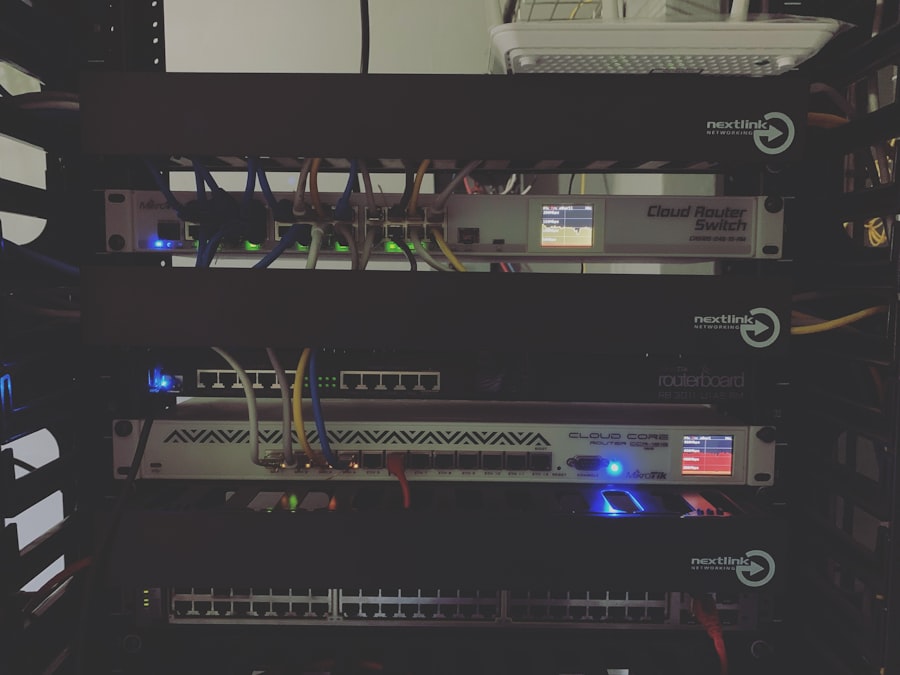
The security implications of operating legacy hardware are substantial, and continuous monitoring is a vital defense mechanism. Vulnerabilities are often inherent in older systems, and the absence of readily available patches exacerbates this risk. Proactive security monitoring is therefore not an option but a necessity to protect sensitive data and maintain operational security.
Identifying and Mitigating Security Vulnerabilities
Continuous monitoring plays a crucial role in the early detection of and response to security threats targeting legacy systems.
Vulnerability Scanning and Assessment
Regularly scanning legacy systems for known vulnerabilities, even without active patching, can help identify potential entry points for attackers. This requires specialized scanners that understand older protocols and operating systems.
Network-Based Vulnerability Scanning
Scanning the network interfaces of legacy systems to identify open ports, running services, and potential misconfigurations is a common approach.
Host-Based Vulnerability Assessment (where feasible)
If agents can be installed or custom scripts can be run on the legacy systems, host-based assessments can provide deeper insights into potential weaknesses within the operating system itself.
Intrusion Detection and Prevention Systems (IDPS)
Implementing IDPS solutions that are configured to recognize patterns indicative of attacks against older systems can provide an early warning system.
Signature-Based Detection
Leveraging signatures that specifically target known exploits for legacy software and operating systems.
Anomaly-Based Detection
Establishing baseline network and system behavior for legacy systems and flagging any deviations that might indicate malicious activity.
Monitoring for Unauthorized Access and Data Tampering
Beyond external threats, monitoring for internal security breaches and unauthorized modifications to data is equally important.
User Activity Auditing
Rigorous auditing of user logins, file access, and command execution can help detect insider threats or compromised credentials.
File Integrity Monitoring (FIM)
Implementing FIM solutions to detect any unauthorized changes to critical system files or application data.
Data Exfiltration Detection
Monitoring network traffic and system logs for unusual data transfer patterns that could indicate attempts to exfiltrate sensitive information.
Patch Management and Mitigation Strategies (Where Possible)
While complete patching may not always be feasible for legacy systems, strategic mitigation efforts are critical to reduce the attack surface.
Compensating Controls Implementation
When direct patching is not an option, implementing compensating controls can help reduce risk.
Network Segmentation
Isolating legacy systems on dedicated network segments with strict access controls can limit the impact of a breach.
Application Whitelisting
Restricting the execution of only approved applications on legacy systems can prevent the introduction of malicious software.
Host-Based Firewalls and Access Control Lists (ACLs)
Configuring host-based firewalls and ACLs to restrict inbound and outbound network traffic to only necessary ports and protocols.
Virtual Patching and Reverse Proxy Solutions
In some cases, virtual patching or reverse proxy solutions can be employed to mask or mitigate known vulnerabilities without directly modifying the legacy system.
Application Proxies
Using application proxies to inspect and filter traffic before it reaches the legacy system, effectively acting as a buffer against certain attacks.
Virtual Patching Appliances
Deploying specialized appliances that can intercept and modify network traffic to prevent known exploits from reaching vulnerable systems.
Incident Response Planning for Legacy Systems
Effective incident response is crucial. The unique constraints of legacy systems must be factored into planning to ensure prompt and effective resolution of security incidents.
Developing Specific Incident Response Playbooks
Creating detailed playbooks that outline the steps to be taken in the event of a security incident involving specific legacy systems, considering their unique characteristics.
Containment and Eradication Procedures
Defining procedures for quarantining affected legacy systems and removing the source of the threat.
Forensics and Evidence Collection
Establishing methods for collecting digital evidence from legacy systems, which may require specialized tools and techniques.
Recovery and Restoration Processes
Developing detailed plans for restoring functionality and data to affected legacy systems after an incident.
Training and Simulation Exercises
Regularly training response teams on legacy system-specific incident response scenarios and conducting simulation exercises to validate plans and improve team coordination.
Ensuring Data Integrity and Availability

Beyond performance and security, the primary objective of monitoring legacy hardware is to ensure the integrity and availability of the data it manages. In the ONI context, this data is often classified and critical for national security. Any compromise to its integrity or loss of access can have severe repercussions.
Data Corruption and Loss Prevention
Monitoring is essential to detect and prevent the corruption or loss of valuable data stored and processed by legacy systems.
Disk Health and RAID Monitoring
Monitoring the health of individual disk drives and the status of any Redundant Array of Independent Disks (RAID) configurations is crucial to prevent data loss due to hardware failure.
SMART Data Analysis
Analyzing Self-Monitoring, Analysis and Reporting Technology (SMART) data from drives to predict impending failures.
RAID Array Status Checks
Regularly verifying the status of RAID arrays, including rebuild operations and parity checks, to ensure data redundancy is functioning correctly.
Backup and Recovery Verification
The effectiveness of backup and recovery procedures for legacy systems must be rigorously monitored and verified.
Backup Success Rate Tracking
Monitoring the success rate of all scheduled backups to ensure that data is being backed up consistently.
Regular Test Restores
Performing regular test restores of data from backups to confirm that the recovery process is viable and that data can be successfully retrieved.
Recovery Point Objective (RPO) and Recovery Time Objective (RTO) Compliance
Monitoring to ensure that backup and recovery processes can meet defined RPO and RTO targets.
Data Transfer Integrity and Reliability
When data is transferred between legacy systems or to/from modern systems, ensuring the integrity of this process is paramount.
Network and Protocol Monitoring
Monitoring the networks and protocols used for data transfer to detect errors, dropped packets, or latency issues that could corrupt data.
Transfer Protocol Validation
Ensuring that data transfer protocols are correctly implemented and that error checking mechanisms are functioning as expected.
Bandwidth and Throughput Management
Monitoring bandwidth utilization to prevent bottlenecks that could impede data transfer and potentially lead to timeouts or incomplete transfers.
Application-Level Data Validation
At the application level, implementing checks to validate the consistency and accuracy of data after transfer.
Data Checksum Verification
Using checksums or other hashing techniques to verify that data has not been altered during transfer.
Record Count and Field Validation
Implementing checks to ensure that the number of records transferred matches the source and that critical data fields remain consistent.
Disaster Recovery and Business Continuity Planning
Monitoring legacy systems is an integral part of broader disaster recovery (DR) and business continuity (BC) planning.
System Availability Monitoring in DR Scenarios
Ensuring that monitoring systems are in place to track the availability and performance of legacy systems during DR failover events.
Simulating DR Scenarios
Incorporating legacy systems into DR simulation exercises to test their behavior and resilience under adverse conditions.
Monitoring of Failover and Failback Processes
Closely monitoring the processes of failing over to DR sites and failing back to primary sites to ensure proper operation of legacy systems.
Performance Under Stress Testing
Legacy systems may not be designed for peak loads from modern, high-demand applications. Stress testing and monitoring their performance under such conditions are crucial for BC.
Load Testing Legacy Applications
Simulating high user loads or transaction volumes to assess the performance of legacy applications and identify potential breaking points.
Environmental Monitoring in DR Sites
Ensuring that environmental conditions (temperature, humidity, power) in DR sites are suitable for the operation of legacy hardware.
The ONI legacy hardware systems monitor plays a crucial role in maintaining the efficiency and reliability of older technology infrastructures. For those interested in exploring more about the intricacies of legacy systems and their management, a related article can provide valuable insights. You can read more about this topic in the article found here, which discusses various strategies for optimizing legacy hardware performance.
The Future of Legacy Hardware Monitoring
| System Name | System Type | Status | Uptime |
|---|---|---|---|
| Legacy System 1 | Mainframe | Online | 98% |
| Legacy System 2 | Server | Offline | 0% |
| Legacy System 3 | Workstation | Online | 100% |
The journey with legacy hardware is ongoing, and the strategies for its monitoring must evolve to meet changing threats and operational demands. While the ultimate goal is often modernization, effective monitoring will continue to be a critical component of managing these systems safely and efficiently until their eventual decommissioning.
Continuous Improvement of Monitoring Strategies
As the understanding of legacy system behavior and potential threats deepens, monitoring strategies should be continuously refined.
Leveraging Machine Learning and AI
Exploring the application of machine learning and artificial intelligence for anomaly detection and predictive maintenance on legacy systems.
Predictive Failure Analysis
Using ML algorithms to analyze historical data and predict potential hardware failures before they occur.
Advanced Anomaly Detection
Employing AI to identify subtle deviations from normal behavior that might indicate sophisticated attacks or emerging issues.
Automation of Monitoring Tasks
Increasing the automation of routine monitoring tasks to free up valuable human resources and ensure consistent oversight.
Automated Alert Triage
Developing systems that can automatically triage and prioritize alerts, reducing the burden on system administrators.
Self-Healing Capabilities (where applicable)
Investigating opportunities for limited self-healing capabilities within legacy systems through automated remediation scripts triggered by monitoring alerts.
Integration with Emerging Technologies
While managing legacy systems, it is crucial to consider how they can be integrated with newer technologies for enhanced monitoring and management.
Cloud-Based Monitoring Solutions
Exploring the use of cloud-based monitoring platforms that can ingest data from on-premises legacy systems, providing centralized visibility and advanced analytics.
Scalable Infrastructure for Data Ingestion
Cloud platforms offer scalable infrastructure for handling the potentially large volumes of data generated by legacy system monitoring.
Advanced Analytics and Reporting Tools
Leveraging the powerful analytics and reporting capabilities of cloud services to gain deeper insights from monitoring data.
The Role of Hybrid Cloud Architectures
As organizations move towards hybrid cloud environments, the monitoring of legacy systems must seamlessly integrate with the overall hybrid strategy.
Unified Monitoring Dashboards
Creating unified dashboards that provide a holistic view of both on-premises legacy systems and cloud-based resources.
Cross-Platform Alerting and Troubleshooting
Ensuring that monitoring systems can facilitate cross-platform alerting and troubleshooting for issues that span legacy and cloud environments.
Decommissioning and Transition Planning
Effective monitoring is not just about maintaining current systems but also about planning for their eventual replacement.
Monitoring for Transition Readiness
Monitoring legacy systems to assess their readiness for transition to new platforms, identifying dependencies and potential pitfalls.
Data Migration Readiness Assessment
Using monitoring data to assess the completeness and integrity of data that will need to be migrated.
Performance Benchmarking for Modern Equivalents
Gathering performance data from legacy systems to establish benchmarks against which modern replacement systems will be evaluated.
Secure Decommissioning Procedures
Developing and monitoring secure procedures for the decommissioning of legacy hardware to ensure that sensitive data is properly handled and destroyed.
Data Wiping and Destruction Verification
Implementing and monitoring procedures for verifying the secure wiping or physical destruction of storage media from decommissioned legacy systems.
Audit Trails for Decommissioning
Maintaining comprehensive audit trails for all decommissioning activities to ensure compliance and accountability.
FAQs
What is the ONI legacy hardware systems monitor?
The ONI legacy hardware systems monitor is a monitoring system designed to track and analyze the performance of legacy hardware systems within an organization.
What are the key features of the ONI legacy hardware systems monitor?
The ONI legacy hardware systems monitor offers features such as real-time monitoring, performance analysis, historical data tracking, and customizable alerts for potential issues.
How does the ONI legacy hardware systems monitor benefit organizations?
The ONI legacy hardware systems monitor helps organizations maintain the performance and reliability of their legacy hardware systems, identify potential issues before they escalate, and optimize the use of existing hardware resources.
Is the ONI legacy hardware systems monitor compatible with all types of legacy hardware systems?
The ONI legacy hardware systems monitor is designed to be compatible with a wide range of legacy hardware systems, including servers, mainframes, and other specialized equipment commonly found in enterprise environments.
Can the ONI legacy hardware systems monitor integrate with other monitoring and management tools?
Yes, the ONI legacy hardware systems monitor is designed to integrate with other monitoring and management tools, allowing organizations to consolidate their monitoring efforts and streamline their IT operations.