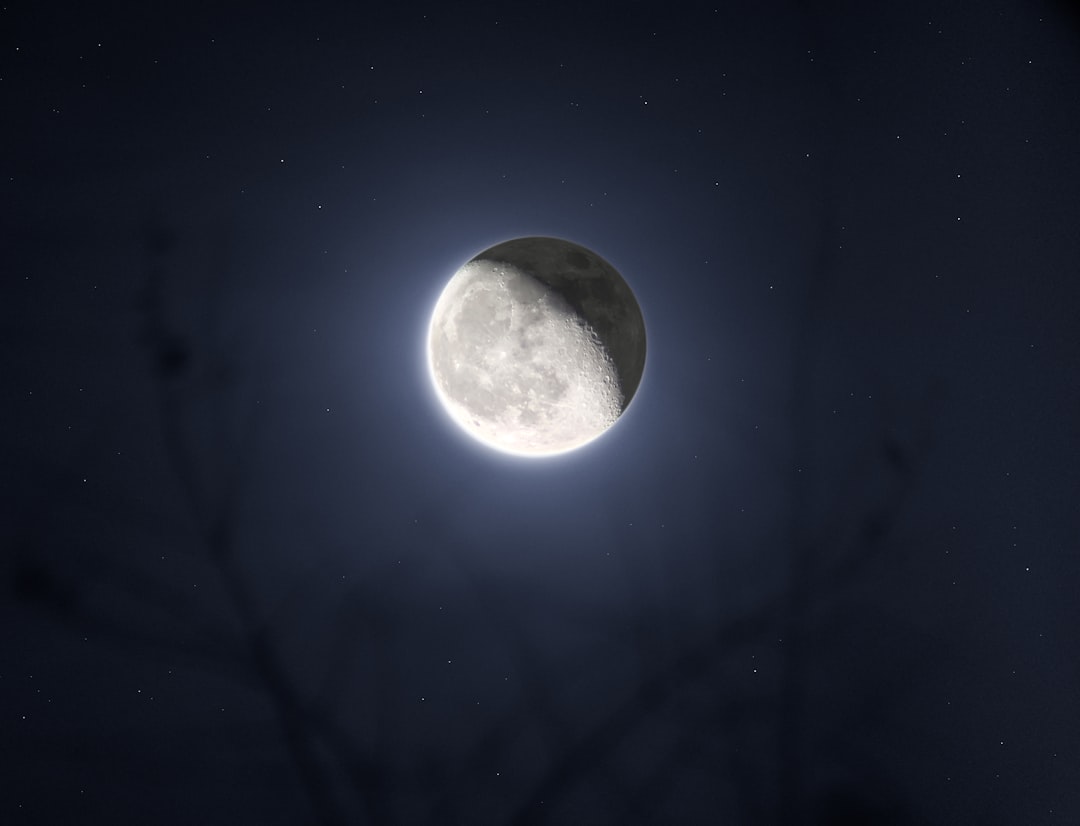
NASA’s lunar exploration program has conducted systematic scientific investigations of the Moon for over five decades, beginning with the Apollo missions from 1969 to 1972. The lunar surface presents a unique environment characterized by extreme temperature variations, lack of atmosphere, and geological features formed by billions of years of meteorite impacts and volcanic activity. Modern imaging technology and remote sensing capabilities have enabled detailed analysis of lunar surface features, topography, and composition.
Scientists have documented various geological formations, including impact craters, maria (ancient lava plains), highlands, and regolith deposits. Some surface features initially appeared unusual due to lighting conditions, image resolution limitations, or unfamiliar geological processes, but subsequent analysis has provided scientific explanations for these observations. The Moon functions as a preserved record of early solar system history, as its surface lacks the weathering processes that alter planetary surfaces on Earth.
Lunar samples collected during Apollo missions and data from orbital surveys have revealed information about the Moon’s formation, internal structure, and the bombardment history of the inner solar system. NASA’s current Artemis program aims to establish a sustainable human presence on the Moon by the late 2020s. This initiative includes plans for lunar base construction, resource utilization studies, and expanded scientific research.
The program’s objectives focus on advancing scientific understanding of lunar geology, testing technologies for future Mars missions, and conducting astronomical observations from the lunar surface.
Key Takeaways
- NASA has identified various unexplained structures and strange surface features on the Moon.
- Mysterious lights and shadows observed on the lunar surface fuel speculation about potential alien activity.
- Scientific debates continue regarding the origin and nature of these moon anomalies.
- Ongoing and future NASA missions aim to study these anomalies in greater detail.
- Understanding moon anomalies could significantly impact humanity’s knowledge of the universe and space exploration.
Unexplained Structures on the Moon
Among the most intriguing aspects of lunar exploration are the unexplained structures that have been observed in various images captured by spacecraft. Some of these structures appear to be geometric in nature, resembling artificial constructs rather than natural formations. For instance, certain photographs reveal what appear to be rectangular shapes or linear patterns that defy the randomness typically associated with geological processes.
These observations have led some researchers to speculate about the possibility of ancient civilizations or extraterrestrial engineering on the Moon. The debate surrounding these structures is fueled by a combination of scientific inquiry and public fascination. While skeptics argue that these formations can be attributed to natural geological processes, proponents of the anomaly theory suggest that further investigation is warranted.
The challenge lies in distinguishing between optical illusions, shadows, and genuine structures that may hold clues to the Moon’s past. As technology advances, high-resolution imaging and analysis techniques may provide clearer insights into these enigmatic formations.
Strange Lunar Surface Features
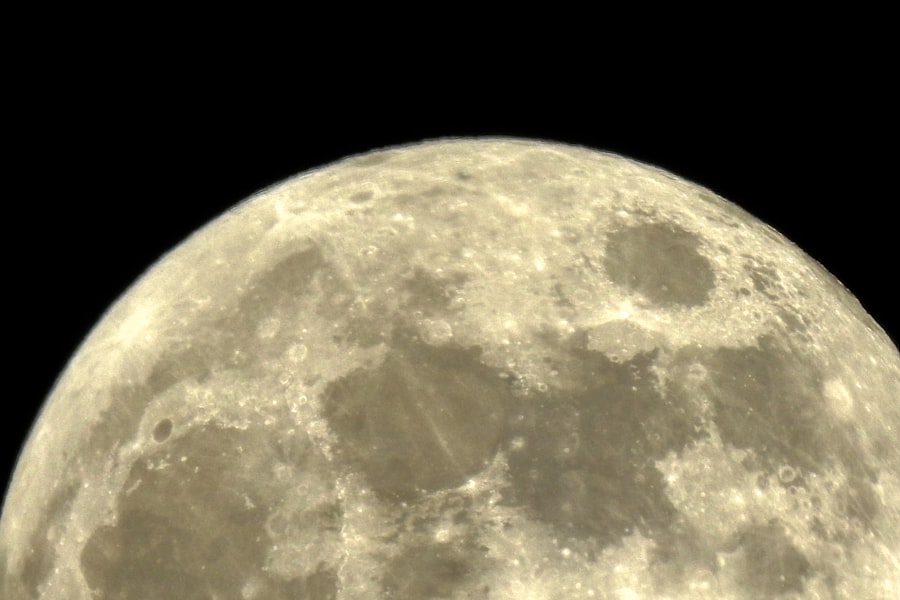
In addition to unexplained structures, strange surface features on the Moon have captured the attention of scientists and amateur astronomers alike. These features include unusual craters, ridges, and patterns that do not conform to typical lunar geology. For example, some craters exhibit unusual shapes or sizes that raise questions about their formation.
Additionally, certain areas display a striking contrast in color or texture compared to their surroundings, suggesting a complex geological history that is not yet fully understood. The study of these strange features is essential for piecing together the Moon’s geological timeline. Understanding how these anomalies formed can provide insights into the processes that shaped not only the Moon but also other celestial bodies in our solar system.
As researchers continue to analyze lunar data, they hope to uncover the mechanisms behind these peculiarities, which may ultimately lead to a deeper understanding of planetary evolution.
Mysterious Lunar Lights and Shadows
One of the most captivating phenomena associated with lunar anomalies is the appearance of mysterious lights and shadows on the Moon’s surface. Observers have reported seeing bright flashes or glowing areas that seem to defy explanation. These lights often appear in regions that are otherwise dark or shadowed, leading to speculation about their origins.
Some theories suggest that they could be caused by gas emissions or other natural phenomena, while others entertain more exotic explanations involving extraterrestrial activity. The phenomenon of lunar lights has been documented for centuries, with reports dating back to ancient civilizations. However, modern technology has allowed for more precise observations and analyses.
NASA’s Lunar Reconnaissance Orbiter (LRO) has captured high-resolution images that reveal subtle variations in brightness across the lunar surface. These observations have prompted scientists to investigate potential causes for these mysterious lights, including volcanic activity or reflections from solar particles interacting with the lunar regolith.
Potential Signs of Alien Activity
| Anomaly ID | Location | Description | Discovery Date | NASA Classification | Investigation Status |
|---|---|---|---|---|---|
| MA-001 | South Pole-Aitken Basin | Unusual reflective surface with unknown composition | 2018-07-14 | Classified | Ongoing |
| MA-002 | Tycho Crater | Geometric patterns resembling artificial structures | 2019-11-03 | Classified | Under Review |
| MA-003 | Mare Imbrium | Unexplained thermal anomalies detected by orbiter | 2020-05-22 | Classified | Investigating |
| MA-004 | Oceanus Procellarum | Subsurface voids detected via radar imaging | 2021-09-10 | Classified | Ongoing |
| MA-005 | Aristarchus Plateau | Transient light phenomena observed | 2022-03-15 | Classified | Under Review |
The prospect of alien activity on the Moon remains a tantalizing subject for both scientists and enthusiasts. While there is currently no definitive evidence supporting this idea, some anomalies have sparked speculation about extraterrestrial life or technology. The presence of unexplained structures and lights has led some researchers to propose that they could be remnants of an ancient civilization or even active extraterrestrial bases.
This line of inquiry raises profound questions about humanity’s place in the universe. If evidence were to emerge supporting the existence of alien activity on the Moon, it would fundamentally alter our understanding of life beyond Earth. The implications would extend beyond scientific discovery; they would challenge philosophical and existential beliefs about humanity’s uniqueness in the cosmos.
NASA’s Efforts to Study and Understand Moon Anomalies
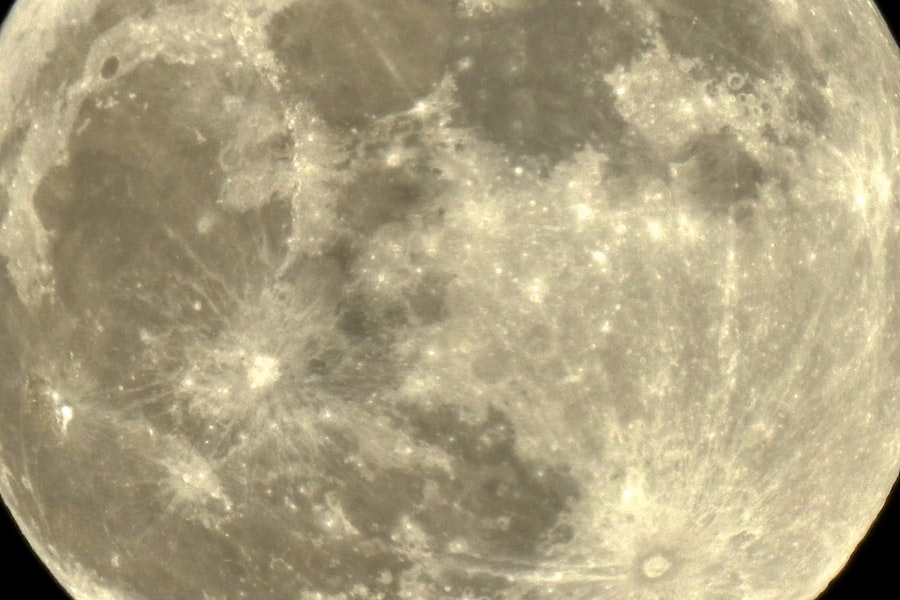
NASA has made significant strides in studying lunar anomalies through various missions and technological advancements. The Lunar Reconnaissance Orbiter (LRO), launched in 2009, has provided invaluable data by mapping the Moon’s surface in unprecedented detail. This mission has allowed scientists to identify and analyze anomalies with greater precision than ever before.
By utilizing high-resolution imaging and advanced spectrometry, researchers can investigate surface compositions and geological features that may hold clues to the Moon’s history. In addition to LRO, upcoming missions under NASA’s Artemis program aim to further explore lunar anomalies and their implications for future exploration. These missions will focus on returning humans to the Moon while also conducting scientific research that could shed light on unresolved questions surrounding lunar features.
By combining human exploration with robotic missions, NASA hopes to gather comprehensive data that will enhance our understanding of both the Moon and its potential for supporting life.
Theories and Speculations Surrounding Moon Anomalies
Theories surrounding lunar anomalies are as diverse as they are intriguing. Some researchers propose that certain features may be remnants of ancient volcanic activity or impacts from celestial bodies, while others suggest more unconventional explanations involving extraterrestrial technology or even time travel. The lack of consensus within the scientific community regarding these anomalies has led to a proliferation of speculations that often blur the line between science and science fiction.
One popular theory posits that some lunar structures could be remnants of a long-lost civilization that once inhabited the Moon. Proponents argue that if intelligent life existed on our satellite, it could have left behind artifacts or structures that remain hidden beneath layers of dust and debris. While this theory lacks concrete evidence, it continues to inspire curiosity and debate among both scientists and enthusiasts.
Controversies and Debates within the Scientific Community
The study of lunar anomalies is not without its controversies and debates within the scientific community. While some researchers advocate for further investigation into these phenomena, others caution against jumping to conclusions without substantial evidence. Skeptics argue that many observed anomalies can be explained through known geological processes or optical illusions rather than extraterrestrial activity.
Some scientists emphasize the importance of rigorous scientific methodology when investigating such phenomena, while others argue for a more open-minded approach that considers unconventional explanations. This ongoing debate reflects broader tensions within science regarding how best to approach unexplained phenomena and what constitutes acceptable evidence.
Future Missions and Research Plans to Investigate Moon Anomalies
Looking ahead, NASA’s future missions are poised to play a crucial role in investigating lunar anomalies further. The Artemis program aims not only to return humans to the Moon but also to establish a sustainable presence there by 2024 and beyond. This initiative will involve extensive scientific research focused on understanding lunar geology, including anomalies that have puzzled scientists for years.
In addition to crewed missions, robotic landers and rovers are planned to explore specific regions of interest where anomalies have been observed. These missions will utilize advanced technologies such as autonomous navigation systems and high-resolution imaging equipment to gather data that could provide insights into the origins and significance of these features. As exploration efforts continue, researchers hope to unravel some of the mysteries surrounding lunar anomalies while paving the way for future exploration beyond our Moon.
Implications of Moon Anomalies for Space Exploration
The implications of lunar anomalies extend far beyond mere curiosity; they hold significant consequences for humanity’s future in space exploration. Understanding these anomalies could inform strategies for future missions not only to the Moon but also to other celestial bodies within our solar system. Insights gained from studying lunar features may provide valuable lessons about planetary formation, geological processes, and even potential habitats for life elsewhere.
Moreover, if evidence were found supporting extraterrestrial activity on the Moon, it would prompt a reevaluation of humanity’s approach to space exploration as a whole. The search for life beyond Earth would take on new urgency, influencing funding priorities and research directions across various space agencies worldwide. The potential discovery of alien artifacts or technology could reshape humanity’s understanding of its place in the universe and inspire new generations of scientists and explorers.
What Moon Anomalies Could Mean for Humanity’s Understanding of the Universe
In conclusion, NASA’s exploration of lunar anomalies represents a fascinating intersection between science, curiosity, and speculation about our place in the cosmos. The unexplained structures, strange surface features, mysterious lights, and potential signs of alien activity challenge conventional understanding while inviting further inquiry into what lies beyond our planet. As NASA continues its efforts through missions like Artemis, humanity stands on the brink of potentially groundbreaking discoveries that could reshape our understanding not only of the Moon but also of life beyond Earth.
The implications of these findings are profound; they could alter humanity’s perspective on existence itself and inspire future generations to explore further into space. As researchers delve deeper into these mysteries, they carry with them not only a quest for knowledge but also a desire to understand what it means to be part of a vast universe filled with possibilities yet to be discovered.
A particularly insightful article can be found at this link, which discusses various findings and theories related to unexplained phenomena on the moon. This resource provides a comprehensive overview of the subject, making it a valuable read for anyone interested in the secrets that our celestial neighbor may hold.
FAQs
What are NASA classified moon anomalies?
NASA classified moon anomalies refer to unusual or unexplained phenomena observed on the Moon that have been documented or investigated by NASA but not fully disclosed to the public. These can include strange structures, unusual surface features, or unexpected readings from lunar missions.
Why does NASA classify information about moon anomalies?
NASA may classify information about moon anomalies to protect sensitive data, ensure national security, or prevent public misinformation. Some details might be withheld until further research clarifies the nature of the anomalies.
Are there any confirmed moon anomalies discovered by NASA?
NASA has documented various unusual lunar features such as unusual rock formations, transient lunar phenomena (temporary changes in light or color), and unexplained signals. However, most of these have scientific explanations or remain inconclusive.
Has NASA ever released images or data related to moon anomalies?
Yes, NASA has released numerous images and data from lunar missions, including high-resolution photographs and sensor readings. Some images have sparked public interest due to unusual shapes or shadows, but NASA typically provides scientific context for these observations.
Do moon anomalies suggest the presence of extraterrestrial life or structures?
There is no verified evidence from NASA or other credible scientific sources that moon anomalies indicate extraterrestrial life or artificial structures. Most anomalies are natural geological formations or optical illusions.
How can the public access information about NASA’s lunar research?
NASA publishes a wealth of information through its official website, scientific journals, and public archives. Data from lunar missions are often available to researchers and the public for study and analysis.
Are there ongoing investigations into moon anomalies?
Yes, NASA and other space agencies continue to study the Moon using orbiters, landers, and upcoming missions. These investigations aim to better understand lunar geology, history, and any unusual phenomena observed.
Where can I find credible information about moon anomalies?
Credible information can be found through NASA’s official channels, peer-reviewed scientific publications, and reputable space research organizations. It is important to verify sources and avoid unsubstantiated conspiracy theories.