
In the realm of humanitarian aid, the need for effective and efficient disaster relief solutions has never been more pressing. Rotary Shelter Units represent a significant advancement in this field, designed to provide immediate and sustainable shelter for those affected by natural disasters. These units are not merely temporary fixes; they are thoughtfully engineered structures that prioritize the safety, comfort, and dignity of displaced individuals and families.
The Rotary Shelter Units are a product of collaboration among engineers, architects, and humanitarian organizations, all united by a common goal: to alleviate the suffering caused by disasters. The concept of Rotary Shelter Units emerged from the recognition that traditional emergency shelters often fall short in meeting the diverse needs of disaster survivors. Many existing solutions are inadequate in terms of durability, space, and comfort, leading to further challenges in recovery.
The Rotary Shelter Units aim to fill this gap by offering a versatile and robust alternative that can be deployed quickly in response to emergencies. With a focus on innovation and community engagement, these units are poised to transform the landscape of disaster relief.
Key Takeaways
- Rotary Shelter Units provide innovative, portable housing solutions for disaster relief.
- Designed for quick deployment, these shelters address urgent needs in crisis situations.
- Collaboration with local communities ensures shelters meet specific regional requirements.
- Beneficiaries and relief workers report significant improvements in safety and comfort.
- Plans are underway to expand and enhance the units for broader disaster response impact.
The Need for Disaster Relief Shelters
Natural disasters such as earthquakes, hurricanes, floods, and wildfires can displace thousands of people in a matter of hours. The immediate aftermath of such events often leaves communities in chaos, with families losing their homes and access to basic necessities. In these critical moments, the demand for disaster relief shelters becomes paramount.
Traditional shelters, often tents or makeshift structures, may provide temporary refuge but frequently lack essential features such as insulation, privacy, and security. The inadequacy of conventional shelters can lead to dire consequences for displaced populations. For instance, during the 2010 Haiti earthquake, many survivors were forced to live in tents that offered little protection from the elements or privacy from others.
This situation not only compromised their physical safety but also their mental well-being. The need for more resilient and humane shelter solutions has become increasingly evident as communities strive to recover from disasters while maintaining their dignity.
Features of the New Rotary Shelter Units
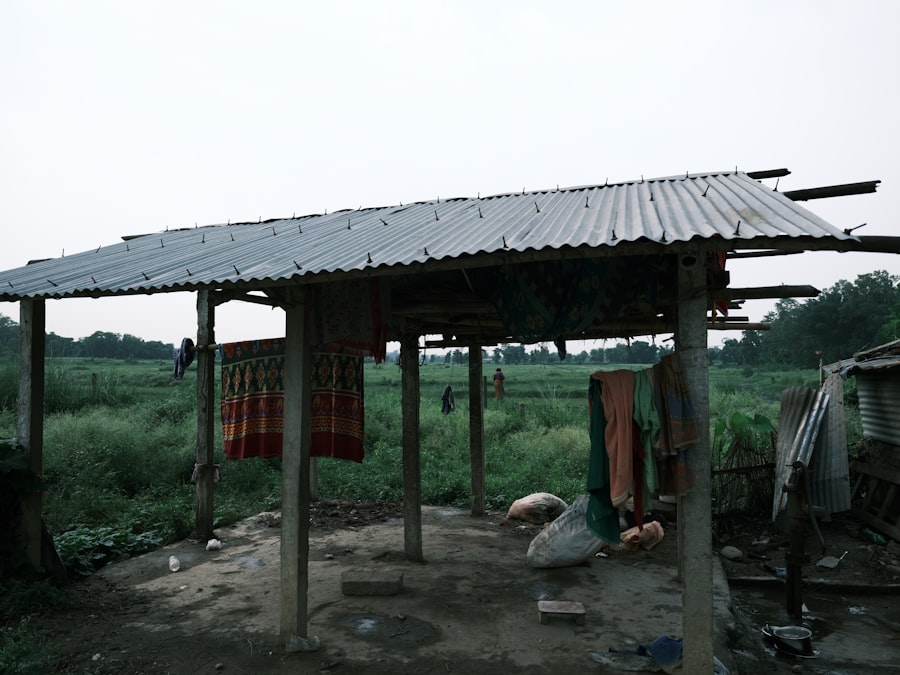
Rotary Shelter Units are designed with a comprehensive understanding of the challenges faced by disaster survivors. One of the standout features is their modular design, which allows for easy assembly and disassembly. This flexibility means that the units can be transported efficiently and set up quickly in various environments, whether urban or rural.
Each unit is constructed with durable materials that can withstand harsh weather conditions, ensuring that occupants remain safe and secure. In addition to structural integrity, the units prioritize comfort and livability. Each shelter is equipped with adequate ventilation, insulation, and space for families to coexist without feeling cramped.
The interior layout is designed to accommodate essential amenities such as sleeping areas, cooking spaces, and sanitation facilities. Furthermore, the units can be customized based on the specific needs of the community they serve, allowing for adaptations that reflect local cultural practices and preferences.
Design and Construction Process
The design and construction process of Rotary Shelter Units is a collaborative effort that involves input from various stakeholders, including engineers, architects, humanitarian organizations, and community representatives. This multidisciplinary approach ensures that the units are not only functional but also culturally appropriate and environmentally sustainable. The design phase incorporates feedback from disaster-affected communities to address their unique needs and preferences.
Once the design is finalized, the construction process emphasizes efficiency and sustainability. The materials used in building the units are often sourced locally whenever possible, reducing transportation costs and supporting local economies. Additionally, the construction techniques employed prioritize minimal environmental impact while maximizing durability.
This commitment to sustainability extends beyond the physical structure; it also encompasses considerations for energy use and waste management during both construction and operation.
Benefits of the Rotary Shelter Units
| Metric | Description | Value | Unit | Remarks |
|---|---|---|---|---|
| Number of Units Commissioned | Total rotary shelter units installed and operational | 15 | Units | As of June 2024 |
| Commissioning Duration | Average time taken to commission each unit | 3 | Days | Includes testing and calibration |
| Operational Efficiency | Percentage of units functioning without faults | 98 | % | Measured over 30 days post-commissioning |
| Power Consumption | Average power usage per unit during operation | 120 | kWh/day | Measured under standard operating conditions |
| Maintenance Frequency | Average number of maintenance visits per unit per year | 2 | Visits | Scheduled preventive maintenance |
| Commissioning Cost | Average cost incurred per unit for commissioning | 4500 | Units | Excludes installation and hardware costs |
The benefits of Rotary Shelter Units extend far beyond providing mere shelter; they play a crucial role in fostering community resilience and recovery. One significant advantage is their ability to facilitate social cohesion among displaced individuals. By offering a safe space where families can stay together, these units help maintain social networks that are vital for emotional support during challenging times.
Moreover, the design of Rotary Shelter Units encourages adaptability for various uses beyond emergency housing. They can serve as community centers or temporary schools during recovery phases, providing essential services that aid in rebuilding efforts. This multifunctionality not only maximizes resource utilization but also empowers communities to take an active role in their recovery process.
Deployment and Distribution of the Units

The deployment and distribution of Rotary Shelter Units are critical components of their effectiveness in disaster relief efforts. A well-coordinated logistics plan ensures that these units reach affected areas promptly after a disaster strikes. Partnerships with local governments, NGOs, and international organizations facilitate efficient distribution channels that can adapt to changing circumstances on the ground.
In many cases, pre-positioning units in disaster-prone regions allows for rapid response when emergencies occur. This proactive approach minimizes delays in providing shelter to those in need. Additionally, training local volunteers in assembly and maintenance further enhances community involvement and ownership over the shelter process, fostering a sense of empowerment among those affected.
Impact on Disaster Relief Efforts
The introduction of Rotary Shelter Units has had a profound impact on disaster relief efforts worldwide. By addressing the shortcomings of traditional shelters, these units have improved the overall quality of life for displaced individuals during crises. Their robust design has proven effective in various environments, from earthquake-ravaged cities to flood-affected rural areas.
Furthermore, the positive outcomes associated with Rotary Shelter Units extend beyond immediate relief; they contribute to long-term recovery efforts as well. By providing a stable living environment during critical recovery phases, these units enable families to focus on rebuilding their lives rather than merely surviving day-to-day challenges. The psychological benefits of having a secure shelter cannot be overstated; it fosters hope and resilience among those who have experienced trauma.
Collaboration with Local Communities and Organizations
Collaboration is at the heart of the success of Rotary Shelter Units. Engaging local communities in the planning and implementation phases ensures that the shelters meet their specific needs while fostering a sense of ownership over the recovery process. Local organizations often play a pivotal role in identifying areas most in need of assistance and facilitating communication between affected populations and relief agencies.
Moreover, partnerships with local governments enhance the effectiveness of deployment strategies. By working together with municipal authorities, relief organizations can navigate bureaucratic hurdles more efficiently and ensure that resources are allocated where they are most needed. This collaborative approach not only strengthens community ties but also builds trust between relief agencies and those they serve.
Future Plans for Expansion and Improvement
As the demand for effective disaster relief solutions continues to grow, plans for expanding the reach and capabilities of Rotary Shelter Units are already underway. Future iterations may incorporate advanced technologies such as solar energy systems or water purification solutions to further enhance sustainability and self-sufficiency for displaced populations. Research into innovative materials could also lead to even more durable structures that withstand extreme weather conditions.
Additionally, ongoing feedback from beneficiaries will inform continuous improvements in design and functionality. Engaging with communities post-deployment allows for real-time assessments of how well the units meet their needs and what modifications could enhance their effectiveness further.
Testimonials from Beneficiaries and Relief Workers
The true measure of success for any humanitarian initiative lies in the experiences of those it serves. Testimonials from beneficiaries highlight how Rotary Shelter Units have transformed their lives during times of crisis. Many survivors express gratitude for having a safe space where they can regroup as families after losing everything in a disaster.
Relief workers also share stories about witnessing firsthand how these units foster resilience among communities. One beneficiary recounted how her family found solace in a Rotary Shelter Unit after being displaced by a hurricane: “It was more than just a roof over our heads; it was a place where we could feel safe again.” Relief workers often emphasize how these units facilitate their work by providing a stable environment where they can deliver essential services such as medical care or psychological support.
Conclusion and Call to Action
The development and deployment of Rotary Shelter Units represent a significant leap forward in disaster relief efforts worldwide. By addressing both immediate needs for shelter and long-term recovery goals, these units have proven their worth in various contexts. However, continued support is essential to expand their reach further and improve their capabilities.
Individuals and organizations interested in contributing to this vital cause can take action by advocating for increased funding for disaster relief initiatives or volunteering with local organizations involved in deployment efforts. Every effort counts in ensuring that those affected by disasters receive not just shelter but also hope for a brighter future.
The recent commissioning of rotary shelter units marks a significant advancement in emergency response capabilities. For a deeper understanding of the implications and benefits of these units, you can read more in the related article available at com/sample-page/’>this link.
This article provides insights into the technology behind the units and their potential impact on disaster relief efforts.
FAQs
What are rotary shelter units?
Rotary shelter units are mobile or semi-permanent structures designed to provide temporary shelter. They often feature a rotating mechanism to optimize space usage, ventilation, or access.
What is involved in the commissioning of rotary shelter units?
Commissioning involves inspecting, testing, and verifying that the rotary shelter units are installed correctly and functioning as intended. This process ensures safety, operational efficiency, and compliance with design specifications.
Who is responsible for commissioning rotary shelter units?
Typically, commissioning is carried out by qualified engineers or technicians who specialize in shelter systems or mechanical installations. The process may also involve project managers and quality assurance personnel.
When should rotary shelter units be commissioned?
Commissioning usually takes place after installation and before the units are put into active use. It can also be performed after maintenance or upgrades to ensure continued proper operation.
What tests are performed during the commissioning of rotary shelter units?
Tests may include mechanical rotation checks, structural integrity assessments, electrical system verification, safety feature inspections, and environmental control system evaluations.
Why is commissioning important for rotary shelter units?
Commissioning ensures that the units operate safely and efficiently, meet design requirements, and provide reliable shelter. It helps identify and rectify issues before the units are deployed for use.
Can commissioning be done remotely for rotary shelter units?
While some monitoring and diagnostics can be performed remotely, physical inspection and testing are generally required to fully commission rotary shelter units.
How long does the commissioning process take?
The duration varies depending on the complexity and number of units but typically ranges from a few hours to several days per unit.
Are there standards or guidelines for commissioning rotary shelter units?
Yes, commissioning should follow relevant industry standards, manufacturer instructions, and safety regulations to ensure proper and safe operation.
What documentation is produced after commissioning rotary shelter units?
A commissioning report is usually generated, detailing the tests performed, results, any issues found, and confirmation that the unit meets all operational criteria.