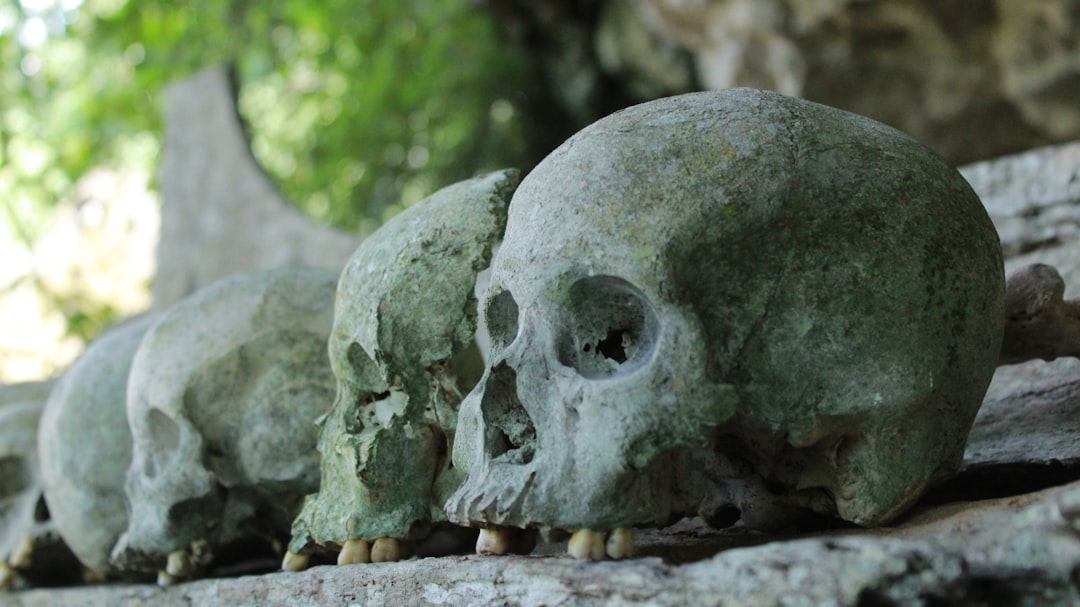
The Paracas Skulls, a collection of elongated cranial remains discovered in the Paracas Peninsula of Peru, have captivated the imagination of researchers and enthusiasts alike. These unique skulls, characterized by their unusual shape, have sparked a myriad of questions regarding their origins, purpose, and the people who once inhabited the region. As you delve into the mysteries surrounding these artifacts, you will find that they not only challenge conventional understandings of human evolution but also offer a glimpse into the rich tapestry of ancient cultures that thrived in South America.
The fascination with the Paracas Skulls extends beyond mere curiosity; they represent a significant intersection of archaeology, anthropology, and even genetics. As you explore the history and theories surrounding these enigmatic remains, you will uncover a narrative that intertwines scientific inquiry with cultural heritage. The journey into the world of the Paracas Skulls is not just about understanding a physical artifact; it is about piecing together the story of humanity itself.
Key Takeaways
- Paracas Skulls are elongated skulls discovered in Peru with unique physical characteristics.
- DNA analysis revealed surprising genetic markers not commonly found in local populations.
- The findings challenge previous theories about the origin and nature of the Paracas Skulls.
- Comparisons suggest possible links to ancient or unknown populations, sparking new origin theories.
- Further research is needed to fully understand their cultural, historical significance, and genetic background.
History of Paracas Skulls
The history of the Paracas Skulls dates back to the early 20th century when archaeologist Julio Tello first unearthed them in the Paracas Necropolis. This site, which served as a burial ground for the Paracas culture, revealed not only the skulls but also a wealth of artifacts that provided insight into the lives of these ancient people. As you learn more about Tello’s discoveries, you will appreciate how these findings laid the groundwork for future research and exploration in the region.
The Paracas culture, which flourished between 800 BCE and 100 CE, is known for its advanced textile work and intricate burial practices. The elongated skulls found in this area are believed to be a result of cranial deformation, a practice that was likely performed for cultural or social reasons. As you delve deeper into this history, you will discover how these practices reflect the values and beliefs of the Paracas people, offering a window into their worldview and societal structure.
Previous Theories about Paracas Skulls

For decades, various theories have emerged regarding the origins and significance of the Paracas Skulls. Some researchers posited that these elongated skulls were indicative of an entirely different species or subspecies of humans, suggesting that they might represent an extraterrestrial influence or an unknown branch of human evolution. As you consider these theories, it becomes clear that they often stemmed from a combination of fascination and misunderstanding of the cultural practices surrounding cranial shaping.
Other theories focused on the idea that cranial deformation was a status symbol among the Paracas elite. This practice may have been intended to signify nobility or to distinguish individuals within their society. As you explore these perspectives, you will see how they reflect broader themes in anthropology regarding identity, power dynamics, and cultural expression.
The debate surrounding the Paracas Skulls has not only fueled academic inquiry but has also captured the public’s imagination, leading to a blend of science and speculation.
DNA Analysis Process
| Step | Description | Typical Duration | Key Metrics | Purpose |
|---|---|---|---|---|
| Sample Collection | Obtaining biological material such as blood, saliva, or tissue | 5-30 minutes | Sample volume, contamination rate | Source material for DNA extraction |
| DNA Extraction | Isolating DNA from collected samples | 1-3 hours | DNA yield (ng/µl), purity (A260/A280 ratio) | Obtain clean DNA for analysis |
| Quantification | Measuring DNA concentration and quality | 15-30 minutes | Concentration (ng/µl), integrity (gel electrophoresis) | Ensure sufficient DNA for downstream processes |
| Amplification (PCR) | Amplifying specific DNA regions | 2-4 hours | Amplification efficiency, specificity | Generate enough DNA for analysis |
| Separation & Detection | Separating DNA fragments by size (e.g., gel electrophoresis, capillary electrophoresis) | 1-2 hours | Fragment size accuracy, resolution | Visualize DNA fragments for interpretation |
| Data Analysis | Interpreting DNA profiles and comparing to references | Variable (hours to days) | Match probability, allele frequency, statistical confidence | Identify individuals or genetic traits |
| Reporting | Documenting and communicating results | 1-2 days | Report completeness, clarity | Provide actionable information to stakeholders |
In recent years, advancements in genetic technology have allowed researchers to conduct DNA analyses on the Paracas Skulls, providing new insights into their origins. The process involves extracting DNA from the bone material while ensuring that contamination is minimized. As you learn about this meticulous procedure, you will appreciate the challenges faced by scientists in obtaining viable samples from ancient remains that have been buried for centuries.
Once DNA is successfully extracted, it undergoes sequencing to identify genetic markers that can be compared with other populations. This analysis not only sheds light on the ancestry of the individuals represented by the skulls but also offers clues about their potential relationships with other ancient cultures. As you follow this scientific journey, you will see how modern technology is bridging gaps in our understanding of human history and migration patterns.
Surprising Results of DNA Analysis
The results of the DNA analysis conducted on the Paracas Skulls have been nothing short of astonishing. Contrary to some earlier theories suggesting that these skulls belonged to an entirely different species or subspecies, genetic testing has revealed that they share significant similarities with modern human populations. This finding challenges preconceived notions about their origins and raises new questions about how cranial deformation practices may have influenced genetic diversity.
Moreover, some studies have indicated that certain genetic markers found in the Paracas Skulls are not commonly present in contemporary populations in South America. This revelation suggests that there may have been unique genetic lineages present in ancient Peru that have since diminished or evolved over time. As you contemplate these surprising results, you will recognize their implications for understanding human migration and adaptation in pre-Columbian societies.
Implications of the DNA Analysis Results

The implications of the DNA analysis results extend far beyond mere academic curiosity; they challenge existing narratives about human history in South America. By revealing connections between ancient populations and modern humans, these findings encourage a reevaluation of how we understand cultural exchange and migration patterns in pre-Columbian times. As you consider these implications, you will see how they contribute to a more nuanced understanding of human evolution and cultural development.
The genetic data obtained from the Paracas Skulls could serve as a reference point for comparing with other archaeological finds across the continent. As you reflect on this potential for future research, you will appreciate how one discovery can lead to a cascade of new questions and explorations in the field of anthropology.
Comparison of Paracas Skulls DNA with Other Populations
To fully grasp the significance of the DNA analysis results from the Paracas Skulls, it is essential to compare them with genetic data from other populations both within South America and beyond. This comparative analysis can reveal patterns of migration, interbreeding, and cultural exchange that have shaped human history over millennia. As you delve into this comparative study, you will uncover fascinating connections between ancient civilizations and their modern descendants.
For instance, researchers have found that certain genetic markers present in the Paracas Skulls align with those found in populations from regions such as Polynesia and even parts of Europe. This unexpected connection raises intriguing questions about ancient maritime navigation and trade routes that may have existed long before recorded history. As you ponder these findings, you will recognize how they challenge traditional views on isolationism among ancient cultures and highlight the complexity of human interactions across vast distances.
Theories about the Origin of Paracas Skulls
With new genetic evidence emerging from DNA analyses, theories regarding the origin of the Paracas Skulls are evolving as well. Some researchers now propose that these elongated skulls may represent a unique adaptation to environmental factors or social practices rather than an indication of extraterrestrial origins or an entirely separate species. As you explore these revised theories, you will see how they reflect a growing understanding of human adaptability and cultural diversity.
Additionally, some scholars suggest that cranial deformation practices may have been influenced by contact with other cultures through trade or migration. This perspective emphasizes the interconnectedness of ancient societies and encourages further investigation into how ideas and practices spread across regions. As you engage with these theories, you will appreciate how they underscore the importance of interdisciplinary approaches in unraveling complex historical narratives.
Cultural and Historical Significance of the Paracas Skulls
The cultural and historical significance of the Paracas Skulls cannot be overstated. They serve as tangible links to a rich heritage that predates modern civilization in South America. As you examine their role within the context of Paracas society, you will discover how these skulls reflect broader themes such as identity, spirituality, and social hierarchy.
They are not merely artifacts; they embody the beliefs and practices of a people who navigated their world with complexity and depth. Moreover, the ongoing research surrounding these skulls has implications for contemporary discussions about cultural preservation and heritage management. As modern societies grapple with issues related to identity and historical narratives, understanding artifacts like the Paracas Skulls can inform conversations about representation and respect for indigenous cultures.
As you contemplate this significance, you will recognize how archaeology serves as a bridge between past and present, fostering dialogue about our shared humanity.
Future Research and Studies on Paracas Skulls
Looking ahead, future research on the Paracas Skulls promises to yield even more insights into their origins and significance. With advancements in technology and methodologies, researchers are poised to explore new avenues for investigation that could further illuminate this fascinating chapter in human history. As you consider what lies ahead, you will see how interdisciplinary collaboration among archaeologists, geneticists, anthropologists, and historians can enrich our understanding of these enigmatic remains.
Additionally, ongoing studies may focus on expanding genetic analyses to include more samples from various regions across South America. By building a comprehensive database of genetic information from ancient populations, researchers can better understand migration patterns and cultural interactions over time. As you reflect on these possibilities for future research, you will appreciate how each new discovery contributes to a larger narrative about humanity’s shared past.
Conclusion and Final Thoughts
In conclusion, the Paracas Skulls represent a captivating intersection of science, culture, and history that continues to intrigue researchers and enthusiasts alike. From their mysterious origins to their implications for our understanding of human evolution, these elongated cranial remains challenge us to rethink established narratives about our past. As you journey through this exploration, you will find that each layer uncovered reveals not only more about the Paracas culture but also about humanity’s broader story.
As research progresses and new technologies emerge, there is no doubt that our understanding of the Paracas Skulls will continue to evolve. The ongoing dialogue surrounding these artifacts serves as a reminder of our collective quest for knowledge and connection to those who came before us. Ultimately, engaging with the mysteries of the Paracas Skulls invites us to reflect on our own identities while fostering appreciation for the diverse tapestry of human experience throughout history.
Recent DNA analysis results of the Paracas skulls have sparked significant interest in the scientific community, revealing intriguing insights into the origins and characteristics of these ancient remains. For a deeper understanding of the implications of these findings, you can read more in the related article available at