
The Unseen Sky: A Deep Dive into the Pentagon’s UFO Report and the Aguadilla Incident
The United States government, long a subject of public fascination and speculation regarding unidentified aerial phenomena (UAP), has recently taken a more transparent stance. The release of official reports, notably from the Office of the Director of National Intelligence (ODNI) and the Pentagon’s All-domain Anomaly Resolution Office (AARO), has begun to peel back layers of secrecy, offering glimpses into events that defy conventional explanation. Among the many intriguing cases cataloged, the encounter off the coast of Aguadilla, Puerto Rico, in 2013 stands out as a particularly compelling and thoroughly investigated incident that has found its way into these public disclosures. This article will delve into the Pentagon’s UFO report, focusing on the detailed accounts and implications of the Aguadilla encounter, exploring its context within the broader scope of UAP investigations, and considering what these official acknowledgments portend for the future.
The recent Pentagon UFO report has sparked significant interest, particularly regarding the Aguadilla incident, where a mysterious object was captured on video by the U.S. Customs and Border Protection. For those looking to delve deeper into this topic, a related article can be found at X File Findings, which explores various UFO sightings and government disclosures, providing context and analysis that enriches the understanding of such phenomena.
Deciphering the Official Disclosures: A New Era of UAP Transparency

The shift in official discourse surrounding UAP is perhaps the most significant aspect of recent Pentagon reports. For decades, the subject was relegated to the fringes of conspiracy theories and dismissed by mainstream institutions. However, the establishment of AARO and the subsequent release of unclassified reports signal a more serious, data-driven approach. These documents, while carefully worded to avoid definitive conclusions about extraterrestrial origins, acknowledge the existence of phenomena that cannot be readily explained by known aircraft or natural atmospheric events. The reports are not designed to be sensational; rather, they are analytical assessments based on intelligence gathered from various sources, including sensor data, pilot testimonies, and technical analyses. The intention is to assess potential threats to national security and to understand the capabilities and origins of these anomalous objects. The Aguadilla encounter, with its multi-sensor data and corroborating witness accounts, represents a prime example of the type of event that necessitates such official scrutiny.
The Genesis of AARO and the ODNI Report
The precursor to AARO, the UAP Task Force (UAPTF), was established in 2020 following increasing pressure from lawmakers and the public, spurred by declassified Navy videos showing UAP interacting with military personnel. The subsequent creation of AARO in July 2022 under the Department of Defense consolidated and expanded upon the UAPTF’s mission, aiming to standardize reporting and analysis across all military branches and intelligence agencies. The ODNI’s annual reports, mandated by Congress, provide a broad overview of UAP sightings reported to the government. While these reports often summarize trends and categorize incidents, they also serve to legitimize the topic of UAP investigation as a matter of national security concern, moving it from the realm of speculation to that of governmental inquiry. The inclusion of specific incidents, like the Aguadilla case, within these broader analyses underscores their significance and the level of detail being examined.
The Evolution of UAP Terminology
It is crucial to note the deliberate shift in terminology from “UFO” (Unidentified Flying Object) to “UAP” (Unidentified Aerial Phenomena). This linguistic adjustment is not merely semantic; it reflects a more inclusive and scientific approach. “Phenomena” acknowledges that not all reported sightings involve solid objects; they can encompass a range of unexplained visual, sensor, or electromagnetic signatures. This broader definition allows for the inclusion of a wider array of observed events, from visual sightings by pilots to anomalous readings from advanced radar and infrared systems. The Pentagon’s reports consistently use UAP, signaling a commitment to an evidence-based investigation that is not pre-judging the nature of the phenomena observed. This nuanced terminology is evident in the way the Aguadilla encounter is described, focusing on the observed characteristics rather than jumping to speculative conclusions.
The Aguadilla Encounter: A Detailed Examination of a Persistent Mystery
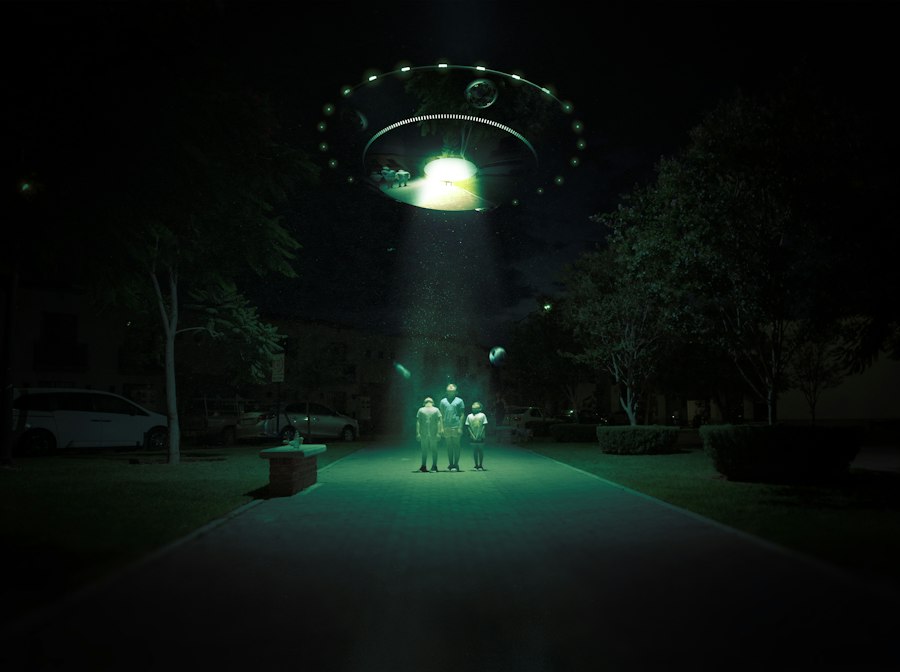
The incident off the coast of Aguadilla, Puerto Rico, on November 23, 2013, is a cornerstone of UAP investigation, gaining prominence due to the wealth of data collected and the credible witnesses involved. The event, which involved a commercial aircraft and an object exhibiting unusual flight characteristics, has been cited in various UAP discussions and analyses, and its details are implicitly or explicitly referenced within official Pentagon reporting. Understanding this specific encounter is key to appreciating the types of phenomena that the government is now officially acknowledging and attempting to understand. The characteristics of the object, the sensor data, and the human observations all contribute to its status as a significant anomaly.
Eyewitness Accounts: The Pilots’ Perspective
The primary witnesses to the Aguadilla encounter were the pilots of American Airlines Flight 405. Their testimonies, meticulously recorded and later scrutinized, described an object hovering above the water that then accelerated at incredible speeds, performing maneuvers that defied known aerodynamic principles and human engineering capabilities. The pilots reported seeing a “disc-shaped” object with no visible means of propulsion, such as wings or rotors. The object appeared to be metallic or reflective, and its sudden acceleration and changes in direction were particularly striking. The pilots’ detailed descriptions, including their estimations of the object’s size and altitude, provide a human element to the technical data, offering a vivid account of an extraordinary event. Their professional demeanor and consistent accounts lend significant credibility to the encounter.
Sensor Data: corroboration from the Cockpit
Beyond the visual testimonies, the Aguadilla encounter is distinguished by the corroborating sensor data. The pilots reported that their aircraft’s radar systems also detected the object. This technological confirmation is a critical element in the Pentagon’s assessment of UAP. Unlike purely anecdotal sightings, radar returns provide objective, measurable data that can be analyzed by technical experts. The combination of pilot observation and radar tracking suggests that the object was not a hallucination or a misidentification of a known aircraft or natural phenomenon. The ability of the radar to track the object, even if briefly, and to register its unusual movements, elevates the Aguadilla case from a mere sighting to a documented event with physical evidence.
The Object’s Anomalous Characteristics: Defying Physics as We Know It
The defining features of the Aguadilla object, as reported by the pilots and potentially corroborated by sensor data, are its anomalous flight characteristics. The ability to hover silently, accelerate to hypersonic speeds instantaneously, and execute impossibly sharp turns without apparent loss of control are all characteristics that are inconsistent with known airborne technology. The lack of any visible exhaust plumes or aerodynamic surfaces that would generate lift and thrust further deepens the mystery. These observations suggest an object operating outside the parameters of conventional physics as understood in relation to terrestrial aircraft. The Pentagon’s interest in such phenomena stems precisely from this defiance of known capabilities, raising questions about potential advanced technologies, either terrestrial or non-terrestrial.
Pentagon’s Analysis: Bridging the Gap Between Anomaly and Explanation
The Pentagon’s UFO reports, particularly those compiled by AARO, are not intended to offer definitive answers but rather to present findings, categorize observations, and identify areas requiring further investigation. The inclusion of incidents like the Aguadilla encounter within these reports signifies that such events are being taken seriously and subjected to rigorous analysis. The goal is to move beyond mere documentation towards understanding the nature, origin, and potential implications of these UAP. This analytical process involves cross-referencing data from multiple sources, employing scientific and engineering expertise, and assessing potential threats to national security. The challenge lies in the inherent difficulty of explaining phenomena that often lack sufficient data or exhibit characteristics that defy current scientific understanding.
Categorization and Threat Assessment: The Pentagon’s Framework
Within the Pentagon’s framework, UAP are not automatically assumed to be extraterrestrial. Instead, they are categorized based on their observed characteristics and the available data. Potential explanations are systematically considered, ranging from misidentified terrestrial aircraft (both known and clandestine), atmospheric phenomena, sensor malfunctions, and “other” categories, which are typically reserved for unexplained cases. The primary driver for this investigation is national security. Any airborne object operating in restricted airspace or exhibiting unusual capabilities could pose a threat, regardless of its origin. Therefore, the analysis focuses on understanding what these objects are, where they come from, and what their capabilities might be. The Aguadilla encounter, with its documented presence and anomalous behavior, would undoubtedly fall into a category requiring further scrutiny and potentially advanced analysis.
The Challenge of Data Limitations and Unexplained Cases
One of the persistent challenges in UAP investigations, as highlighted in Pentagon reports, is the limitation of data. Many encounters are brief, lack comprehensive sensor coverage, or involve eyewitness accounts that are difficult to quantify. Even in cases like Aguadilla, where more data is available, the information may still be insufficient to definitively identify the object or its origin. The reports often acknowledge that a significant percentage of reported UAP remain unexplained due to a lack of data or the inherently anomalous nature of the observations. This is where the scientific method and rigorous analysis are paramount, pushing the boundaries of current understanding to find plausible explanations or to identify phenomena that genuinely challenge our existing paradigms.
The Role of Intelligence and National Security
The Pentagon’s interest in UAP is intrinsically linked to intelligence gathering and national security. The presence of unexplained aerial objects operating in or near sensitive military airspace or civilian air routes raises significant concerns. Understanding the capabilities and potential intent of these phenomena is crucial for maintaining air safety, protecting national defense infrastructure, and identifying potential technological advantages or threats from adversaries. The declassification of UAP information and the establishment of dedicated investigative bodies like AARO represent a recognition that this is no longer a fringe issue but a matter requiring the full attention of the intelligence community and military leadership. The Aguadilla encounter, therefore, is not just a fascinating mystery but a case study in the evolving approach to understanding potentially disruptive airborne phenomena.
The recent Pentagon UFO report has reignited interest in various sightings, including the intriguing Aguadilla incident, where a thermal imaging video captured an unidentified object over the coast of Puerto Rico. This event has drawn parallels to other unexplained phenomena, prompting researchers and enthusiasts to delve deeper into the implications of such encounters. For those interested in exploring more about these mysterious sightings, a related article can be found here, which discusses similar cases and their potential significance in understanding aerial phenomena.
Broader Implications: Shifting Perceptions and Future Directions
| Metric | Details |
|---|---|
| Incident Location | Aguadilla, Puerto Rico |
| Date of Incident | April 2013 |
| Report Released By | U.S. Department of Defense (Pentagon) |
| Type of Object | Unidentified Aerial Phenomenon (UAP) |
| Detection Method | Infrared camera on Coast Guard aircraft |
| Duration of Sighting | Approximately 2 minutes |
| Speed of Object | Estimated up to 120 knots (138 mph) |
| Altitude | Low altitude, near sea level |
| Object Behavior | Rapid acceleration, sudden stops, and underwater movement |
| Official Conclusion | Unidentified; no known aircraft or natural phenomena matched |
The Pentagon’s increased transparency regarding UAP, exemplified by the details emerging from reports on incidents like the Aguadilla encounter, has significant broader implications. It signifies a potential paradigm shift in how the scientific community, governments, and the public perceive and engage with the unknown. The acknowledgment of unexplained phenomena opens doors for more robust research, a more open exchange of data, and a re-evaluation of existing scientific models. The long-term impact of these disclosures could range from advancements in aerospace technology to a fundamental re-thinking of humanity’s place in the universe.
The Impact on Scientific Inquiry and Research
The official acknowledgment of UAP by government bodies encourages the scientific community to engage with the topic more directly. Historically, many scientists have been hesitant to research UAP due to the stigma associated with the subject and the lack of access to reliable data. With the release of official reports and the establishment of dedicated research initiatives, there is a growing opportunity for rigorous, evidence-based scientific inquiry. This could lead to new theoretical frameworks, advancements in sensor technology for UAP detection, and a deeper understanding of atmospheric and potentially non-terrestrial phenomena. The Aguadilla encounter, with its multi-faceted evidence, provides a compelling case study for researchers to analyze and potentially build upon.
Public Perception and the Demystification of the Unknown
The consistent reporting and declassification of UAP information by the government are gradually changing public perception. What was once relegated to science fiction and conspiracy theories is now being discussed in mainstream media and official government documents. This increased transparency can help to demystify the unknown, reducing fear and fostering a more informed and rational dialogue. While sensationalism may still exist, the official focus on data and analysis provides a grounding for public discourse. The Aguadilla encounter, once a whisper among aviation enthusiasts and UAP researchers, is now part of a larger, more public conversation about the mysteries that exist above us.
The Future of UAP Investigation: From Secrecy to Collaboration
The future of UAP investigation appears to be moving towards greater collaboration and openness. The establishment of AARO and the ongoing release of reports indicate a commitment to a more systematic and comprehensive approach. This may involve increased partnerships between government agencies, academic institutions, and even private research organizations. The goal is to pool resources, share expertise, and develop standardized methodologies for data collection and analysis. The lessons learned from investigating incidents like the Aguadilla encounter will undoubtedly shape the future direction of these efforts, potentially leading to breakthroughs in our understanding of the aerial phenomena that continue to defy easy explanation. The era of the unseen sky may be gradually yielding to an era of informed inquiry, driven by evidence and a persistent quest for understanding.
Conclusion: The Unfinished Chapter of the Aguadilla Encounter and Beyond
The Pentagon’s UFO report, by detailing incidents like the Aguadilla encounter, marks a significant turning point in the government’s approach to unidentified aerial phenomena. It signifies a transition from denial and secrecy to a more open, albeit cautious, acknowledgment of unexplained events. The Aguadilla encounter, with its compelling eyewitness accounts and corroborating sensor data, serves as a crucial case study, illustrating the types of anomalies that are now under official scrutiny. While definitive answers remain elusive, the increased transparency and the establishment of dedicated investigative bodies like AARO suggest a future where these mysteries will be approached with greater scientific rigor and a more collaborative spirit. The journey to understand the “unseen sky” is far from over, but the recent disclosures have undoubtedly illuminated the path forward, transforming a long-standing enigma into a subject of serious national and international interest. The insights gleaned from events like the Aguadilla encounter are not merely historical footnotes but crucial pieces in an ongoing puzzle that continues to unfold, promising to reshape our understanding of both technology and the universe itself.

Aguadilla UFO Video: What the Pentagon Got Wrong.
FAQs
What is the Pentagon UFO report on Aguadilla?
The Pentagon UFO report on Aguadilla refers to a classified document that details a UFO sighting by US Customs and Border Protection agents in Aguadilla, Puerto Rico in 2013.
What did the Aguadilla UFO report reveal?
The Aguadilla UFO report revealed that CBP agents observed a mysterious object flying low over the ocean, then disappearing into the water without a trace.
Was the Aguadilla UFO report officially released to the public?
No, the Aguadilla UFO report was classified and not officially released to the public. However, some details have been leaked and discussed in the media.
Why is the Aguadilla UFO incident significant?
The Aguadilla UFO incident is significant because it involved trained government agents witnessing and documenting an unidentified flying object exhibiting highly unusual behavior.
Has the Aguadilla UFO incident been investigated further by the US government?
It is unclear if the US government has conducted further investigations into the Aguadilla UFO incident beyond the initial report. The incident remains a topic of interest among UFO researchers and enthusiasts.