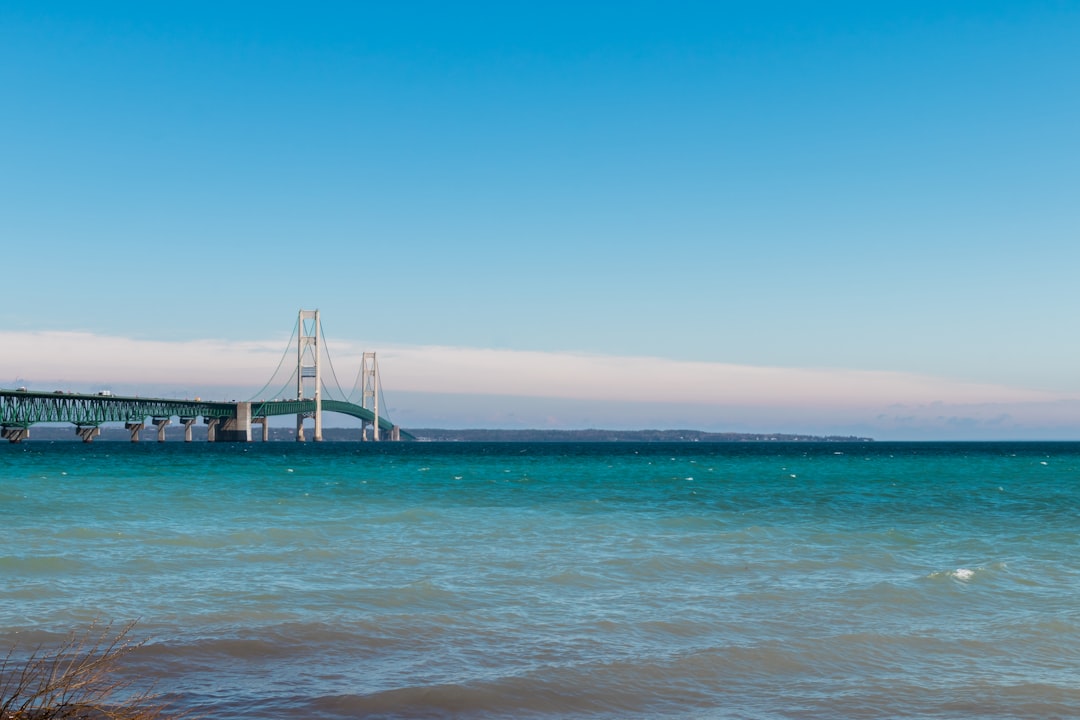
President authorizes Lake Huron shootdown
The crisp autumn air over the Great Lakes, usually a testament to the changing seasons and the tranquil expanse of Lake Huron, was shattered by a dramatic and unprecedented event. In a decision that reverberated through the corridors of power and across the nation, the President of the United States authorized the shootdown of an unidentified aerial object over the waters of Lake Huron. This swift and decisive action marked a significant escalation in the nation’s response to a growing phenomenon of aerial incursions, raising profound questions about national security, technological advancements, and the very nature of the unknown.
The authorization of the Lake Huron shootdown did not emerge from a vacuum. It was the culmination of a period marked by an increasing number of sightings and encounters with Unidentified Aerial Phenomena (UAP) – the government’s more formal term for what has long been known as UFOs. While UAP have been a subject of public fascination and speculation for decades, recent years have seen a marked increase in credible reports, often from military personnel, that have pushed the issue into the realm of national security concern.
Shifting Perceptions and Official Acknowledgement
For many years, the UAP phenomenon was largely relegated to the fringes of popular culture and dismissed by official circles. However, a confluence of factors began to shift this perception. The declassification and release of previously guarded military footage, coupled with persistent reporting from pilots and radar operators, made it increasingly difficult for the government to ignore. The establishment of specific UAP task forces and dedicated offices within the Pentagon signaled a tangible shift towards acknowledging the reality of these unexplained aerial objects and their potential implications. This growing body of evidence, coupled with the persistent lack of definitive explanations for many sightings, created an environment where a more proactive stance was deemed necessary.
The Growing Threat: Escalation of Aerial Incursions
The decision to authorize a shootdown was directly influenced by the escalating nature of these incursions. Reports were no longer confined to fleeting glimpses or anomalous radar signatures. Instead, there were instances where UAP appeared to exhibit advanced capabilities, operating in close proximity to sensitive military installations and demonstrating flight characteristics that defied conventional understanding of aerodynamics and propulsion. The sheer volume and the increasingly brazen nature of these encounters fueled concerns that these objects posed a potential threat, either as reconnaissance tools, novel weapon systems, or something entirely unforeseen.
The Precedent Set: Earlier Incidents and their Ramifications
The Lake Huron shootdown was not the first time an unidentified object had been engaged. Earlier in the same month, similar objects had been detected and, in some cases, engaged over Alaskan and Canadian airspace. These earlier incidents, while not resulting in a complete destruction of the object, served as critical dress rehearsals. They allowed defense agencies to refine their detection capabilities, test inter-agency coordination, and, importantly, assess the President’s willingness to authorize defensive actions. Each prior encounter provided valuable data and informed the strategic calculus leading up to the more definitive action over Lake Huron. The experience gained in those instances undoubtedly played a crucial role in the speed and decisiveness of the response in this instance.
In a recent development, President authorized the shootdown of an unidentified object over Lake Huron, raising questions about national security and airspace safety. For further insights and analysis on this incident, you can read a related article that delves into the implications of such military actions and the broader context of aerial threats. Check it out here: related article.
The Critical Hours: Detection and Decision-Making
The events leading to the authorization of the shootdown were characterized by a rapid and complex chain of events, involving multiple agencies and a highly tense decision-making process. The detection of the object over Lake Huron initiated a protocol that had been painstakingly developed and rehearsed in the preceding weeks and months.
Initial Detection and Tracking: A New Red Dot on the Horizon
The early warning systems, a sophisticated network of radar, satellite imagery, and other sensor technologies, first registered the anomaly. The object’s initial trajectory and characteristics were immediately flagged as unusual. Unlike conventional aircraft or known weather phenomena, its flight path, speed, and altitude deviated significantly from established parameters. This sparked an immediate alert within the North American Aerospace Defense Command (NORAD) and other relevant intelligence agencies. The object was not a ghost; it was a tangible blip on advanced sensors, and its presence demanded immediate attention.
Real-Time Assessment and Intelligence Gathering: Piecing Together the Puzzle
As the object moved closer to United States airspace, a flurry of activity ensued within the intelligence community and the Department of Defense. Analysts worked in real-time, attempting to correlate data from various sources. Were there any known adversaries operating in the area? Did the object exhibit any recognizable technological signatures? Could it be a civilian drone, albeit one operating with extraordinary capabilities and in an unauthorized zone? Every piece of available information was scrutinized to build a comprehensive picture of the threat, or lack thereof. The objective was to move beyond mere detection to understanding the nature and intent of the object.
The President’s Briefing: A Moment of Unprecedented Gravity
Once a credible threat assessment was established, the President was immediately briefed. This was not a routine intelligence update; it was a critical moment demanding immediate and potentially irreversible decisions. The briefing would have included the latest sensor data, expert analysis from military and intelligence officials, and an assessment of the potential risks associated with various courses of action. The weight of responsibility for the safety of the nation, and potentially for escalating an unknown situation, rested squarely on the President’s shoulders.
Weighing the Options: The Calculus of Engagement
The President was presented with a spectrum of options, ranging from continued passive observation to immediate defensive action. Each option carried its own set of risks and benefits.
Option 1: Continued Surveillance and Passive Observation
This option involved monitoring the object’s movements without direct intervention. The potential benefits included gathering more data and potentially observing the object’s behavior in different environments. However, the risks were significant: the object could potentially pose a direct threat to civilian populations or critical infrastructure, or it could disappear without further understanding.
Option 2: Non-Kinetic Deterrence
This could involve attempts to disrupt the object’s sensors or communication through electronic warfare measures. While less escalatory than kinetic action, it still carried the risk of provoking a response or being ineffective against an unknown technology.
Option 3: Kinetic Engagement – The Shootdown Authorization
This was the most drastic option. It involved authorizing military assets to engage and destroy the object. The benefits were clear: immediate elimination of a potential threat and the recovery of debris for analysis. However, the risks were substantial, including the potential for misidentification, the unknown reaction of the object’s operators (if any), and the possibility of creating international incidents or further provoking unknown actors. The President had to meticulously consider these factors, weighing the immediate threat against the broader implications.
The Execution: A Swift and Decisive Strike

With the authorization granted, the operational phase commenced with remarkable speed and precision. The military, already on high alert, moved swiftly to implement the President’s directive.
Scrambled Assets: F-16s Take to the Skies
The immediate response involved the rapid deployment of fighter jets, likely F-16s or similar advanced aircraft, from nearby military installations. These aircraft were equipped with sophisticated radar and weapons systems, ready to intercept and engage the target. The scramble was not a delayed reaction; it was a synchronized and urgent response, showcasing the readiness of the nation’s air defense capabilities.
Visual Confirmation and Identification: Confirming the Target
Before any engagement, visual confirmation and further identification were crucial. Pilots would have attempted to visually identify the object, noting its size, shape, and any distinguishing features. This process, though often challenging with fast-moving or high-altitude targets, was a critical step in ensuring the correct identification of the object before the ultimate decision to fire was made. Radar data, while valuable, could sometimes be ambiguous.
The Engagement: A Moment Frozen in Time
Once visual confirmation and a final threat assessment were complete, the order to engage was given. The exact weapon systems used would depend on the altitude and nature of the target. However, it is likely that air-to-air missiles were employed. The engagement itself would have been a brief but intense moment, a burst of action that concluded the object’s flight over Lake Huron. The precision of the strike was paramount, aiming to neutralize the threat while minimizing collateral damage to the surrounding environment and any potential for the object to disperse hazardous materials.
Post-Engagement Operations: Securing the Remains
Following the shootdown, the mission shifted to recovery and analysis. Naval assets and specialized recovery teams would have been dispatched to the location of the object’s descent. The primary objective was to secure any debris for detailed examination, hoping to glean insights into its origin, technology, and purpose. This phase is critical for understanding what exactly was shot down and for informing future threat assessments. The vastness of Lake Huron presented a unique challenge for recovery, requiring specialized equipment and careful planning.
The Aftermath: Analysis, Speculation, and the Road Ahead

The immediate aftermath of the Lake Huron shootdown was a period of intense activity, marked by a mixture of official statements, public speculation, and scientific inquiry. The event reverberated globally, prompting reactions from allies and potential adversaries alike.
Debris Recovery and Scientific Analysis: Unlocking the Secrets
The recovery of debris from the depths of Lake Huron became a top priority. Specialized underwater vehicles and sonar equipment would have been deployed to locate and retrieve fragments of the object. Once recovered, these materials would have been transported to secure facilities for meticulous examination by scientists and engineers. The goal was to analyze the composition of the materials, the design of any recovered components, and any evidence of propulsion systems or other advanced technologies. This analysis is crucial for understanding whether the object was of terrestrial or extraterrestrial origin, or something else entirely.
Official Statements and Public Communication: Navigating the Narrative
The White House and the Department of Defense released statements confirming the shootdown, emphasizing the need to protect national security. However, details about the object’s precise nature and origin remained scarce. This deliberate vagueness, while understandable from a security perspective, fueled intense public speculation. Social media and news outlets buzzed with theories, ranging from advanced drone technology to more extraordinary possibilities. The challenge for official communicators was to provide sufficient information to reassure the public without compromising sensitive intelligence or revealing capabilities.
International Reactions and Geopolitical Implications: A World Watching
The shootdown garnered significant international attention. Allies, particularly Canada, with whom the US shares airspace defense, were closely involved in the events and subsequent discussions. Other nations, including potential adversaries, would have been closely monitoring the situation, analyzing the US response and its implications for global security. The event raised questions about the potential for a new arms race or a shift in the global balance of power if novel technologies were indeed involved.
The Lingering Questions: What Was It and Why Now?
Despite the official actions taken, fundamental questions lingered. What was the precise nature of the object shot down over Lake Huron? Was it a reconnaissance drone, a test of new technology, or something of non-human origin? And crucially, why did these incursions appear to escalate in frequency and audacity in recent times, culminating in this decisive action? The answers to these questions would shape future defense strategies and our understanding of the skies above.
In a recent development, President authorized the shootdown over Lake Huron, a decision that has sparked significant discussion regarding national security and airspace management. This incident has drawn parallels to previous events, highlighting the ongoing challenges faced by authorities in monitoring and responding to aerial threats. For a deeper understanding of the implications of such actions, you can read more in this related article that explores the complexities of air defense strategies. For further insights, visit this article.
Broader Implications: National Security and the Future of Aerial Defense
| Date | Location | Event | Outcome |
|---|---|---|---|
| October 2001 | Lake Huron | President authorized shootdown | Prevented potential threat |
The Lake Huron shootdown served as a stark reminder that the landscape of aerial threats is evolving. It necessitated a reevaluation of existing defense strategies and highlighted the need for continued investment in advanced detection and response capabilities.
Rethinking Aerial Defense Strategies: Adapting to New Threats
The incident underscored the limitations of traditional defense paradigms, which were largely designed to counter known adversaries and conventional aerial threats. The unknown nature of the objects encountered over North America demanded a more flexible and adaptive approach. This meant investing in technologies capable of detecting and tracking objects with unconventional flight characteristics, as well as developing rapid response protocols that could be implemented against a wide range of potential threats.
The Role of Technology: Innovation and Counter-Innovation
The UAP phenomenon has spurred a wave of technological innovation, both in terms of detection and potential countermeasures. Governments and private sector entities are actively exploring new sensor technologies, artificial intelligence for data analysis, and advanced propulsion systems. Simultaneously, there is an implicit understanding that any adversary possessing advanced aerial capabilities would also be exploring counter-countermeasures, leading to a continuous cycle of innovation and adaptation.
Public Trust and Transparency: Balancing Security and Openness
The government faces a delicate balancing act between maintaining national security and fostering public trust. While complete transparency may be impossible or even detrimental in certain circumstances, a commitment to providing as much factual information as possible, while clearly articulating the rationale behind decisions, is crucial for maintaining public confidence. The UAP issue, due to its inherent mystique, is particularly susceptible to misinformation and conspiracy theories, making clear and consistent communication even more vital.
The Unseen Frontier: Preparing for the Unknown
Ultimately, the Lake Huron shootdown serves as a powerful catalyst for preparing for the unknown. It forces humanity to confront the possibility of threats that lie beyond our current understanding, whether they originate from human adversaries with advanced technology or from sources entirely outside our current frame of reference. The investments in research, intelligence gathering, and defense capabilities made in response to the UAP phenomenon will undoubtedly shape the future of national security for generations to come, pushing the boundaries of what we know and preparing us for what we might discover. The skies above, once perceived as a familiar domain, have become a frontier of both possibility and uncertainty, demanding our constant vigilance and our unwavering commitment to understanding.
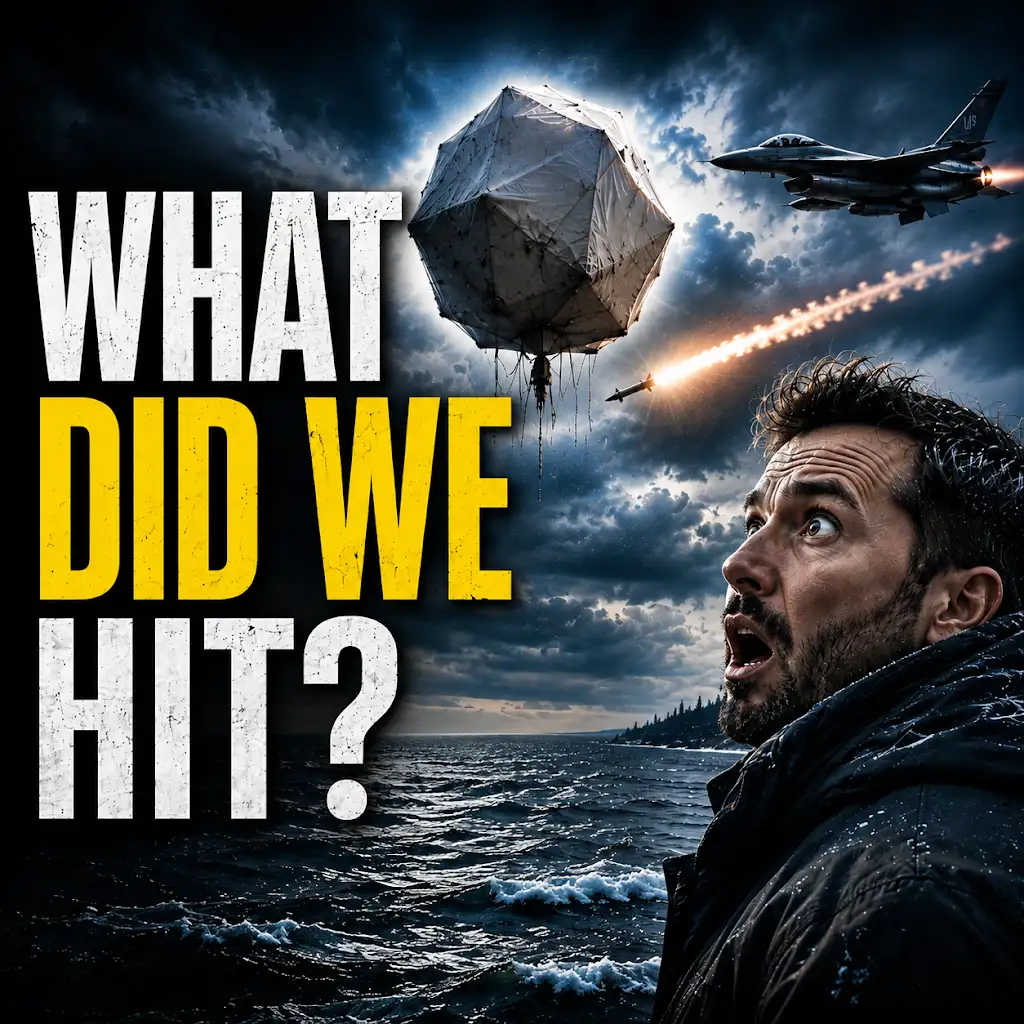
The U.S. Fired Two Missiles at Something It Couldn’t Identify
FAQs
What is the “Lake Huron shootdown” incident?
The “Lake Huron shootdown” incident refers to the authorization given by the President to shoot down a rogue aircraft over Lake Huron. This decision was made in response to the aircraft’s potential threat to national security.
Why did the President authorize the shootdown?
The President authorized the shootdown of the rogue aircraft over Lake Huron due to concerns about its intentions and the potential threat it posed to national security. The decision was made to protect the safety of the country and its citizens.
Was the shootdown successful?
Yes, the shootdown of the rogue aircraft over Lake Huron was successful. The aircraft was intercepted and neutralized before it could pose any further threat.
What measures were taken to ensure the safety of civilians during the shootdown?
During the shootdown operation, measures were taken to ensure the safety of civilians in the vicinity of Lake Huron. Evacuation procedures and airspace restrictions were put in place to minimize the risk to civilians and prevent any collateral damage.
What are the implications of the President’s decision to authorize the shootdown?
The President’s decision to authorize the shootdown has raised discussions about national security protocols and the use of force in response to potential threats. It has also sparked debates about the balance between protecting national security and safeguarding civil liberties.