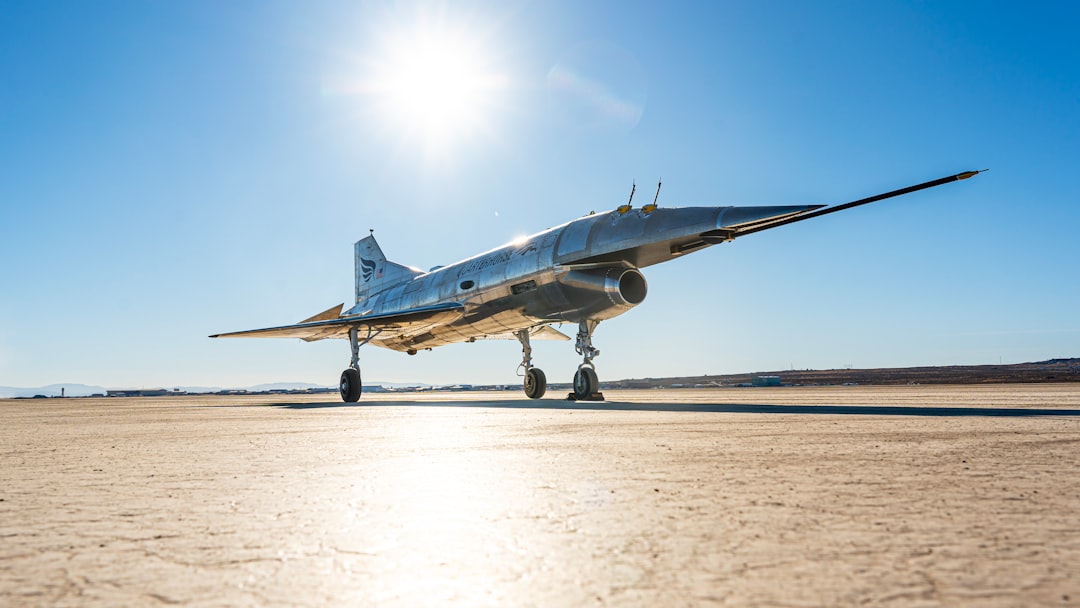
Hypersonic aircraft represent a groundbreaking advancement in aviation technology, defined by their ability to travel at speeds exceeding Mach 5, or five times the speed of sound. This remarkable capability opens up new frontiers in both civilian and military aviation, promising to revolutionize the way people and goods are transported across the globe. The concept of hypersonic flight has captured the imagination of scientists, engineers, and futurists alike, as it holds the potential to drastically reduce travel times and enhance global connectivity.
As the world becomes increasingly interconnected, the demand for faster travel options continues to grow. Hypersonic aircraft could transform long-haul flights, making journeys that currently take hours or even days possible in mere minutes. This innovation not only has implications for commercial aviation but also for national defense and strategic military operations.
The exploration of hypersonic technology is not merely a pursuit of speed; it is a quest to redefine the very nature of air travel and its applications in various sectors.
Key Takeaways
- Hypersonic aircraft travel at speeds greater than five times the speed of sound, offering revolutionary advancements in aviation.
- Project Aurora is a rumored secret hypersonic aircraft program aimed at developing cutting-edge technology.
- Key technologies include advanced propulsion systems, heat-resistant materials, and aerodynamic designs.
- Hypersonic aircraft promise drastically reduced travel times and significant military advantages.
- Challenges include technical hurdles, environmental impact, and high development costs, but the future holds significant potential.
The History of Hypersonic Flight
The journey toward hypersonic flight has been a long and complex one, marked by significant milestones in aerospace engineering and research. The origins of hypersonic flight can be traced back to the mid-20th century when early experiments with rocket propulsion began to lay the groundwork for future advancements. The X-15 rocket plane, which flew in the 1960s, was one of the first aircraft to reach hypersonic speeds, achieving a maximum speed of Mach 6.7.
This pioneering effort provided invaluable data on aerodynamics and thermal protection systems, which would inform subsequent hypersonic research. In the decades that followed, various nations invested in hypersonic research, driven by both scientific curiosity and military necessity. The Cold War era saw a surge in interest as countries sought to develop faster and more capable aircraft for reconnaissance and strategic purposes.
Programs like the Soviet Union’s MiG-25 and the United States’ SR-71 Blackbird pushed the boundaries of speed and altitude, setting the stage for modern hypersonic initiatives. As technology advanced, so too did the understanding of the challenges associated with hypersonic flight, including heat management, material science, and propulsion systems.
What is Project Aurora?
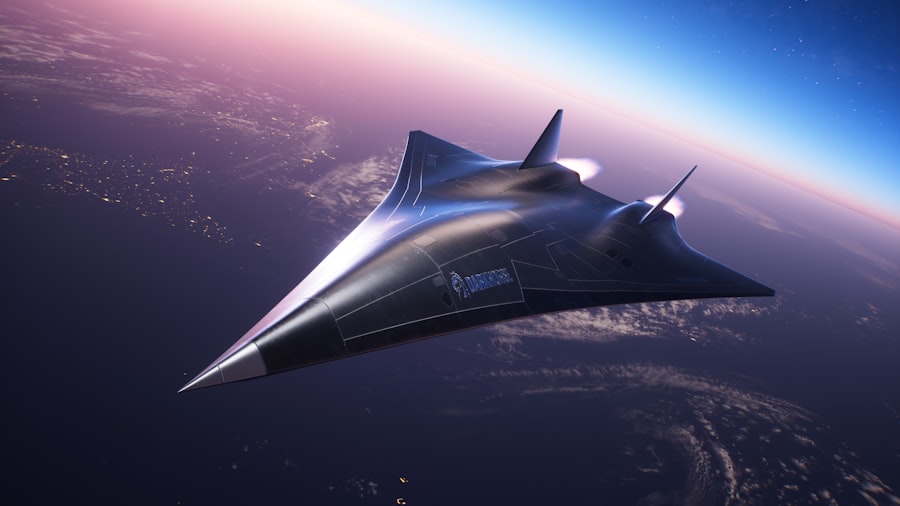
Project Aurora is a highly classified initiative believed to be focused on developing advanced hypersonic aircraft capable of unprecedented speeds and capabilities. While details about the project remain shrouded in secrecy, it is widely speculated that Aurora represents a significant leap forward in aerospace technology, potentially integrating cutting-edge materials and propulsion systems that have yet to be fully realized in existing aircraft. The project is thought to be a collaborative effort among various defense contractors and government agencies, aimed at maintaining strategic advantages in an increasingly competitive global landscape.
The allure of Project Aurora lies not only in its potential for speed but also in its implications for national security and defense strategies. As nations around the world invest heavily in hypersonic technology, the race to develop superior capabilities has intensified. Project Aurora is seen as a critical component of this race, with its potential applications ranging from rapid troop deployment to advanced reconnaissance missions.
The secrecy surrounding the project adds an air of intrigue, fueling speculation about its true objectives and capabilities.
The Technology Behind Hypersonic Aircraft
The technology that underpins hypersonic aircraft is a complex interplay of advanced materials, innovative propulsion systems, and sophisticated aerodynamic designs. At the heart of these aircraft lies the need for materials that can withstand extreme temperatures generated during hypersonic flight. Traditional materials often fail under such conditions, necessitating the development of new alloys and composites that can endure the intense heat and pressure encountered at these speeds.
Propulsion systems for hypersonic aircraft are equally advanced, with scramjet engines emerging as a leading technology. Unlike conventional jet engines that rely on rotating parts, scramjets utilize supersonic combustion to achieve thrust. This allows them to operate efficiently at hypersonic speeds, making them ideal for long-range missions.
Additionally, advancements in computational fluid dynamics have enabled engineers to optimize aerodynamic designs, reducing drag and enhancing stability during flight.
Advantages of Hypersonic Aircraft
| Metric | Details |
|---|---|
| Project Name | Aurora Hypersonic Aircraft |
| Type | Hypersonic Reconnaissance Aircraft |
| Speed | Estimated Mach 5+ |
| Altitude | Above 100,000 feet |
| Purpose | High-speed reconnaissance and surveillance |
| First Reported | 1990s (unconfirmed) |
| Propulsion | Speculated to use ramjet or scramjet engines |
| Cover Story | Officially denied; rumored to be a black project |
| Operational Status | Classified / Unknown |
| Key Features | Stealth technology, hypersonic speed, advanced materials |
The advantages of hypersonic aircraft extend far beyond mere speed; they encompass a range of benefits that could reshape transportation and military operations. One of the most significant advantages is the drastic reduction in travel time. For instance, a flight from New York to London that currently takes around seven hours could potentially be completed in under an hour with hypersonic technology.
This capability would not only enhance passenger convenience but also revolutionize global trade by allowing goods to be transported more swiftly. In military applications, hypersonic aircraft offer strategic advantages by enabling rapid response times and increased operational flexibility. The ability to deploy assets quickly can be crucial in conflict scenarios where time is of the essence.
Furthermore, hypersonic vehicles can operate at altitudes and speeds that make them difficult to detect and intercept, providing a tactical edge in modern warfare. As nations continue to explore these advantages, the implications for both civilian and military aviation are profound.
Challenges and Obstacles
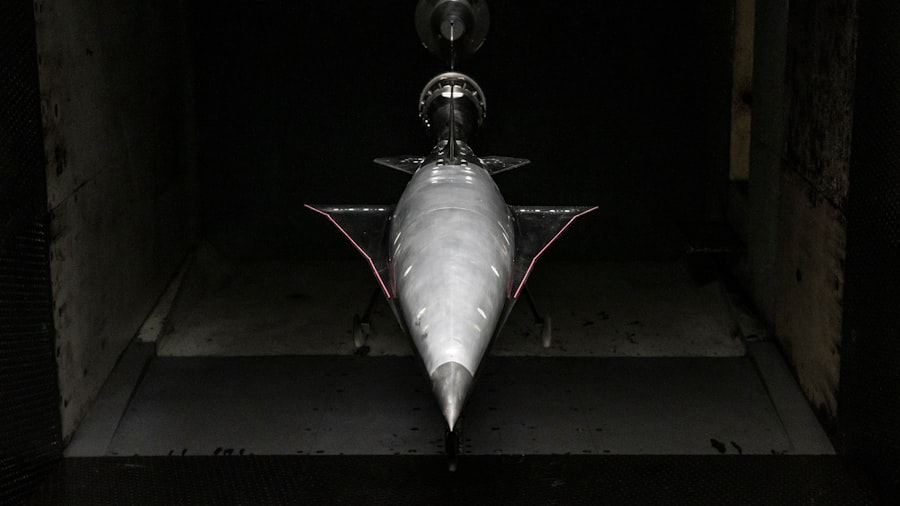
Despite the promising potential of hypersonic aircraft, several challenges and obstacles must be addressed before widespread implementation can occur. One of the primary challenges is the development of reliable thermal protection systems capable of withstanding the extreme heat generated during hypersonic flight. Engineers must innovate materials that not only resist high temperatures but also maintain structural integrity under intense aerodynamic forces.
Another significant obstacle lies in the realm of propulsion technology. While scramjets show promise, they are still in the experimental stage and require further refinement to achieve consistent performance at hypersonic speeds. Additionally, regulatory hurdles pose challenges for commercial applications; air traffic management systems must adapt to accommodate these new aircraft while ensuring safety and efficiency in increasingly crowded airspace.
The Impact of Hypersonic Aircraft on Travel
The advent of hypersonic aircraft could fundamentally alter the landscape of air travel as we know it today. With their ability to drastically reduce travel times, these aircraft could make long-distance journeys more accessible and appealing to a broader audience. Business travelers could attend meetings across continents without enduring lengthy flights, while vacationers could explore distant destinations with unprecedented ease.
Moreover, hypersonic travel could stimulate economic growth by enhancing global trade networks. The ability to transport goods quickly across vast distances would enable businesses to operate more efficiently and respond rapidly to market demands.
Potential Military Applications
The military applications of hypersonic aircraft are vast and varied, encompassing everything from reconnaissance missions to rapid strike capabilities. One of the most compelling aspects of hypersonic technology is its potential for stealth; these aircraft can operate at altitudes and speeds that make them difficult for radar systems to detect. This characteristic could provide significant advantages in intelligence-gathering operations or surprise attacks.
Additionally, hypersonic missiles are being developed as part of modern military arsenals, capable of delivering payloads with remarkable speed and precision. These weapons could alter strategic calculations on a global scale, as their rapid deployment capabilities may deter adversaries from engaging in conflict due to the threat of swift retaliation. As nations continue to invest in hypersonic technology for military purposes, the geopolitical landscape may shift dramatically.
Environmental Considerations
While hypersonic aircraft promise numerous benefits, they also raise important environmental considerations that cannot be overlooked. The high speeds associated with hypersonic flight generate significant amounts of greenhouse gases and other emissions that could contribute to climate change. As aviation continues to grapple with its environmental impact, it is crucial for researchers and engineers to develop sustainable solutions that minimize ecological harm.
Furthermore, noise pollution is another concern associated with hypersonic travel.
Addressing these concerns will be essential for ensuring that hypersonic technology can be integrated into existing transportation frameworks without exacerbating environmental issues.
The Future of Hypersonic Aircraft
The future of hypersonic aircraft is filled with promise and potential challenges alike. As research continues to advance, it is likely that breakthroughs in materials science, propulsion technology, and aerodynamics will pave the way for practical applications of hypersonic flight within the next few decades. Collaborative efforts among governments, private industry, and academic institutions will be crucial in driving innovation forward.
Moreover, as public interest grows in faster travel options, there may be increased pressure on regulatory bodies to establish frameworks that facilitate safe integration into existing air traffic systems. The successful deployment of hypersonic aircraft will depend not only on technological advancements but also on addressing societal concerns regarding safety, environmental impact, and noise pollution.
The Promise of Project Aurora
In conclusion, Project Aurora embodies the promise of hypersonic flight—a technological frontier that holds immense potential for transforming both civilian aviation and military operations. As nations race to develop advanced capabilities in this domain, the implications for global connectivity and strategic defense are profound. While challenges remain on the path toward realizing this vision, ongoing research and innovation will undoubtedly shape the future landscape of air travel.
The allure of Project Aurora lies not only in its potential for speed but also in its capacity to redefine how humanity interacts with distance itself. As engineers work tirelessly to overcome obstacles associated with hypersonic flight, they inch closer to unlocking a new era of aviation that could change lives and reshape economies worldwide. The journey toward this future may be fraught with challenges, but the promise it holds is undeniably exciting—a testament to human ingenuity and ambition in pursuit of progress.
In addition to the cover story on Project Aurora and its advancements in hypersonic aircraft technology, readers may find it insightful to explore a related article that delves into the implications of hypersonic travel on global defense strategies. This article provides a comprehensive analysis of how hypersonic capabilities are reshaping military operations and international relations. For more information, visit the full article [here](https://www.xfilefindings.com/sample-page/).
WATCH THIS 🛑 LEAKED: The Ring That Defied Physics (1954-2025 Classified Documents Exposed)
FAQs
What is Project Aurora?
Project Aurora is a rumored secret hypersonic aircraft development program believed to have been initiated by the United States during the late 20th century. It is speculated to focus on creating a high-speed reconnaissance or strike aircraft capable of speeds exceeding Mach 5.
What is a hypersonic aircraft?
A hypersonic aircraft is an aircraft that can travel at speeds greater than Mach 5, which is five times the speed of sound. These vehicles are designed for rapid travel and advanced military applications, including reconnaissance and strike missions.
Is Project Aurora officially confirmed?
No, Project Aurora has never been officially confirmed by the U.S. government or military. It remains a subject of speculation and conspiracy theories based on budget anomalies, sightings, and unverified reports.
What technologies are associated with hypersonic aircraft like Project Aurora?
Technologies related to hypersonic aircraft include advanced propulsion systems such as scramjets or ramjets, heat-resistant materials to withstand extreme temperatures, stealth technology, and advanced aerodynamics for stability at high speeds.
What is the purpose of a hypersonic aircraft in military use?
Hypersonic aircraft are intended to provide rapid global strike capabilities, high-speed reconnaissance, and the ability to evade enemy defenses due to their speed and altitude. They can potentially deliver payloads or gather intelligence much faster than conventional aircraft.
Have there been any sightings or evidence of Project Aurora?
There have been various unconfirmed sightings and reports of unusual aircraft with characteristics matching hypersonic capabilities, but no concrete evidence or official documentation has been released to verify the existence of Project Aurora.
How does Project Aurora compare to other hypersonic programs?
While Project Aurora is largely speculative, other countries and organizations have publicly acknowledged hypersonic research and development programs. These include hypersonic missiles and experimental aircraft, which share similar goals of achieving sustained hypersonic flight.
What challenges are involved in developing hypersonic aircraft?
Key challenges include managing extreme heat generated at hypersonic speeds, developing propulsion systems capable of sustained hypersonic flight, ensuring structural integrity, and creating guidance and control systems that function effectively at such high velocities.
Why is Project Aurora considered a “cover story”?
The term “cover story” in relation to Project Aurora suggests that the program may be used to explain or conceal other classified aerospace activities or technologies. It implies that publicly available information might be intentionally misleading or incomplete.
Where can I find more information about hypersonic aircraft and Project Aurora?
Information about hypersonic aircraft can be found through aerospace research publications, defense analysis reports, and government releases on hypersonic technology. For Project Aurora, most information is speculative and found in investigative journalism, aerospace enthusiast forums, and declassified documents related to black projects.