
Protecting Seed Integrity: Bio-Vault’s Suite Cover
The agricultural sector, a cornerstone of global sustenance and economic stability, faces a continuous array of challenges. Among these, ensuring the long-term viability and genetic integrity of seed resources stands as a critical imperative. The preservation of diverse crop varieties is not merely a matter of historical record-keeping; it is fundamental to adapting to evolving environmental conditions, developing disease resistance, and maintaining robust food security for a growing planet. In this context, innovations in seed storage and preservation technologies are crucial. Bio-Vault, a company focused on advanced bio-repository solutions, offers a comprehensive approach to safeguarding seed integrity through its “Suite Cover” system. This suite represents a layered and integrated method designed to address the multifaceted requirements of long-term seed conservation.
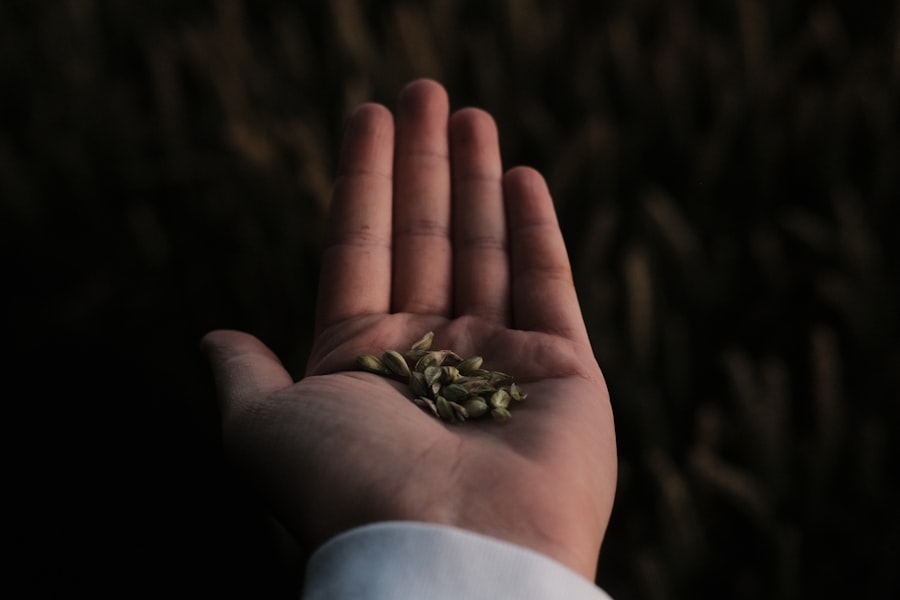
Seed integrity refers to the preservation of a seed’s genetic purity, viability, and vigorous germination capability over time. Compromised seed integrity can lead to a cascading series of negative consequences for agriculture, research, and food security.
The Genetic Foundation of Agriculture
Crops cultivated today are the product of millennia of human selection and breeding. Each seed carries a unique genetic blueprint, representing a specific set of traits that have been honed for yield, nutritional content, pest resistance, and adaptability to particular environments. The loss of this genetic diversity means the irreversible elimination of potential solutions to future agricultural challenges. Consider the impact of a new, highly virulent disease that decimates a staple crop. Without a diverse pool of germplasm, breeders may lack the genetic resources necessary to develop resistant varieties, leading to significant food shortages.
Threats to Seed Viability
Seeds are living biological entities, and their viability is susceptible to a range of environmental and biological factors. Temperature fluctuations, humidity, light exposure, and contamination by fungi, bacteria, or insects can all degrade seed quality. Extreme conditions, such as those experienced during natural disasters or inadequate storage, can rapidly render seeds non-viable. The delicate metabolic processes within a seed can be disrupted, leading to a loss of germination potential and, in severe cases, to complete decay.
The Economic Ramifications of Seed Loss
Beyond the immediate impact on crop production, the loss of seed integrity carries significant economic consequences. Seed companies invest heavily in research and development to create new and improved varieties. The failure to properly conserve these developed lines represents a substantial financial loss. Furthermore, national and international seed banks hold collections that are invaluable for research and development. Any degradation of these collections undermines their utility and the long-term potential for agricultural innovation. Farmers who rely on substandard seeds may also face reduced yields and crop failures, impacting their livelihoods.
For those interested in ensuring the highest standards of seed integrity, the article on bio-vault solutions provides valuable insights into maintaining the quality and viability of seed samples. You can read more about this essential topic in the related article found here: Seed Integrity Suite Cover for Bio-Vault. This resource explores innovative methods and technologies that support the preservation of genetic material, making it a must-read for professionals in the field.
Bio-Vault’s Suite Cover: A Multi-Layered Approach
Bio-Vault’s Suite Cover is not a single technology but rather a system of interconnected components designed to provide robust protection for seed samples. It integrates physical containment, environmental control, security protocols, and data management to create an environment optimized for long-term seed viability. The “Suite Cover” metaphor highlights the comprehensive nature of this protection, suggesting a complete enclosure that shields the valuable genetic material from external threats.
Physical Containment and Barrier Technologies
The initial layer of protection in Bio-Vault’s system focuses on the physical encapsulation of seeds. This involves specialized packaging materials and containers that create a barrier against environmental contaminants and physical damage.
Advanced Packaging Materials
The choice of packaging is critical. Bio-Vault utilizes materials that are inert, impermeable to moisture and oxygen, and resistant to puncture or tearing. These may include high-barrier films, such as multi-layered laminates incorporating polymers with exceptional diffusion resistance. The aim is to create a microenvironment within the package that minimizes the rate of seed deterioration.
Moisture and Oxygen Control
Moisture and oxygen are primary drivers of seed degradation. Water can activate enzymatic activity within the seed, leading to metabolic breakdown, while oxygen can contribute to oxidative damage to essential cellular components. Bio-Vault’s packaging solutions often incorporate desiccants or oxygen scavengers, either integrated within the packaging material or placed within the sealed container. These components actively absorb residual moisture and oxygen, further extending the shelf life of the seeds.
Chemical Inertness
The packaging material must not react with the seeds over time. Reactions could alter the chemical composition of the seed, potentially affecting germination or introducing toxins. Bio-Vault selects and rigorously tests materials to ensure they maintain chemical neutrality, preventing any unintended changes to the seed’s genetic or physiological state.
Secure Storage Containers
Beyond individual seed packaging, Bio-Vault employs secure and durable containers for bulk storage. These containers are designed to withstand the rigors of different storage environments and to provide an additional layer of protection against physical intrusion or accidental damage.
Material Durability and Chemical Resistance
The containers themselves are constructed from materials that are robust and resistant to degradation. Stainless steel, specialized polymers, or even inert composite materials may be used, depending on the specific application and storage conditions. Their chemical resistance ensures they will not leach contaminants into the storage environment or react with the seeds or packaging materials.
Sealing Mechanisms
Effective sealing of storage containers is paramount. Bio-Vault employs advanced sealing technologies that ensure an airtight and watertight closure. This might involve vacuum sealing, induction sealing, or the use of specialized gasket materials that maintain their integrity over extended periods, even under fluctuating temperatures.
The Seed Integrity Suite is an essential component for ensuring the reliability of bio-vaults, as it provides comprehensive solutions for maintaining the quality and security of biological samples. For those interested in exploring more about the advancements in biobanking technology, a related article can be found at Xfile Findings, which discusses innovative methods to enhance sample preservation and integrity. This resource offers valuable insights into the best practices for managing bio-vaults effectively, making it a must-read for professionals in the field.
Environmental Control and Monitoring
The second crucial layer of Bio-Vault’s Suite Cover involves establishing and maintaining optimal environmental conditions for seed preservation. This goes beyond passive containment to active regulation and continuous monitoring.
Temperature and Humidity Regulation
The most critical environmental factors influencing seed viability are temperature and humidity. Lower temperatures and lower humidity levels significantly slow down metabolic processes within the seed, extending its viability. Bio-Vault’s systems are designed to achieve and maintain ultra-low temperatures and controlled humidity levels.
Cryogenic Storage Possibilities
For extremely long-term preservation, or for recalcitrant seeds that do not tolerate desiccation well, cryogenic storage at temperatures approaching -196°C (using liquid nitrogen) is an option. Bio-Vault’s infrastructure can accommodate or integrate with such storage solutions, providing the necessary support and monitoring systems to ensure the consistent maintenance of these extreme temperatures.
Controlled Refrigeration and Dehumidification
For orthodox seeds (those that tolerate desiccation and benefit from refrigeration), Bio-Vault employs precision refrigeration units. These units are not standard commercial refrigerators but are engineered for stability and uniformity of temperature. Integrated dehumidification systems actively remove moisture from the air within the storage chambers, preventing condensation and maintaining the target low humidity levels.
Atmospheric Control
Beyond temperature and humidity, the atmosphere within the storage environment can also be optimized. The reduction of oxygen and the potential introduction of inert gases can further mitigate oxidative damage and metabolic activity.
Inert Gas Flushing
In certain advanced applications, storage chambers or individual containers may be flushed with inert gases such as nitrogen or argon. By displacing oxygen, this process significantly reduces the rate of oxidation and degradation within the seed. Bio-Vault’s systems can integrate with gas supply and monitoring equipment to facilitate this.
Real-time Environmental Monitoring
Continuous and accurate monitoring of environmental parameters is essential to confirm that the desired conditions are being maintained. Bio-Vault’s Suite Cover incorporates a network of sensors that continuously measure temperature, humidity, and potentially other atmospheric factors.
Sensor Accuracy and Redundancy
The accuracy of these sensors is paramount. Bio-Vault utilizes high-precision sensors that are calibrated regularly. Furthermore, redundancy in sensor placement and type provides a safeguard against equipment failure, ensuring that critical data is always available and reliable.
Data Logging and Alert Systems
All sensor data is logged in real-time and stored securely. This data provides a historical record of the storage environment, essential for quality assurance and for tracing any potential issues. Sophisticated alert systems are integrated to notify personnel immediately if any parameter deviates from its set point, allowing for rapid intervention to prevent compromise.
Security and Access Control Protocols
Protecting valuable seed resources extends beyond environmental factors to include robust security measures that prevent unauthorized access, tampering, or theft. Bio-Vault’s Suite Cover incorporates multiple layers of physical and digital security.
Physical Security Measures
Access to storage facilities and individual repositories is strictly controlled to prevent unauthorized entry. This involves a combination of physical barriers and access control technologies.
Multi-Factor Authentication for Access
Access to Bio-Vault’s storage environments typically requires multi-factor authentication. This might involve a combination of biometric identifiers (fingerprint or retinal scans), keycards, and PIN codes. This layered approach significantly enhances security by making it difficult for unauthorized individuals to gain entry.
Secure Facility Design
The physical design of Bio-Vault’s facilities incorporates security principles. This includes reinforced walls, limited entry points, surveillance systems, and alarm systems that are monitored 24/7. The layout is designed to create a secure perimeter and controlled internal zones.
Digital Security and Data Integrity
In addition to physical security, the digital infrastructure that manages and monitors the seed collection is equally important. Data integrity and protection against cyber threats are paramount.
Encrypted Data Management Systems
All data related to seed inventory, storage conditions, and genetic information is stored in encrypted databases. This ensures that sensitive information is protected from unauthorized access or breaches. Encryption at rest and in transit is a standard practice.
Access Audit Trails
Comprehensive audit trails are maintained for all access to the digital systems. This means that every action taken within the system, from data entry to retrieval, is recorded and attributed to a specific user. This provides accountability and allows for the identification of any suspicious activity.
Disaster Recovery and Business Continuity Planning
Bio-Vault’s systems are designed with disaster recovery and business continuity in mind. This includes regular backups of all data to secure offsite locations and well-defined protocols for restoring operations in the event of a major disruption, whether it be a natural disaster, a cyber-attack, or a facility failure.
Sample Tracking and Inventory Management
Effective management of a seed collection requires meticulous tracking of each individual sample. Bio-Vault’s Suite Cover integrates advanced inventory management solutions to ensure that every sample is accounted for and its status is known.
Barcoding and RFID Tagging
Each seed packet or container is assigned a unique identifier, typically via a barcode or radio-frequency identification (RFID) tag. These identifiers allow for rapid and accurate tracking throughout the lifecycle of the sample, from its accession into the vault to its eventual retrieval or use.
Automated Inventory Updates
When samples are moved, processed, or retrieved, the system automatically updates the inventory records. This manual data entry errors and provides real-time visibility into the contents of the vault. Scanners and readers are strategically placed to facilitate seamless updates during sample handling.
Comprehensive Digital Cataloging
Beyond basic tracking, Bio-Vault’s system allows for comprehensive digital cataloging of each seed lot. This includes detailed information about the species, variety, origin, collection date, germination test results, and any associated genetic data.
Metadata Enrichment and Standardization
The system supports rich metadata that can be standardized across different collections, facilitating interoperability and data sharing. This enrichment allows researchers to quickly find and assess the suitability of specific seed materials for their needs.
Integration with Bioinformatics Databases
For advanced research purposes, Bio-Vault’s inventory management system can be integrated with broader bioinformatics databases. This allows for the seamless linkage of seed samples to detailed genomic, proteomic, or phenotypic data, accelerating research and discovery.
Long-Term Viability Testing and Rejuvenation Strategies
Ensuring that seeds remain viable for decades or even centuries requires periodic testing and, where necessary, strategies for rejuvenation. Bio-Vault acknowledges that long-term preservation is not a static process but an ongoing one.
Regular Germination Testing Protocols
As part of its service, Bio-Vault implements rigorous germination testing protocols. Samples are periodically withdrawn and subjected to controlled germination assays to assess their viability and germination rate. This allows for the early detection of any decline in quality.
Standardized Testing Procedures
These tests adhere to international standards (e.g., those set by ISTA – International Seed Testing Association) to ensure comparability and reliability of results. This standardization is crucial for maintaining the scientific integrity of the data.
Data Analysis and Trend Identification
The results of germination tests are analyzed to identify trends in seed viability over time. This data informs decisions about the optimal storage duration and the need for rejuvenation.
Seed Rejuvenation Techniques
If germination tests indicate a decline in viability, Bio-Vault can facilitate seed rejuvenation. This involves careful cultivation of a small aliquot of the seed sample to produce a new generation of seeds, which then undergo fresh cryopreservation or storage.
Controlled Breeding and Cultivation Environments
Rejuvenation is conducted under strictly controlled conditions to ensure the genetic integrity of the new seed generation is maintained. This involves specialized greenhouses or growth chambers with precise control over light, temperature, humidity, and nutrient delivery.
Genetic Purity Verification Post-Rejuvenation
Following rejuvenation, the new seeds are rigorously tested to confirm their genetic purity and to ensure that no unintended genetic changes have occurred during the rejuvenation process. This may involve molecular markers or other advanced genetic analysis techniques.
Bio-Vault’s Suite Cover represents a comprehensive and integrated approach to seed integrity protection. By combining advanced physical containment, precise environmental control, robust security protocols, meticulous inventory management, and proactive viability testing and rejuvenation strategies, Bio-Vault aims to provide a secure and reliable environment for safeguarding invaluable seed resources for the benefit of future generations of agriculture and humanity. This dedication to integrated preservation acknowledges the complex and multifaceted nature of protecting the very foundation of our food systems.
FAQs
What is a seed integrity suite cover for bio-vault?
A seed integrity suite cover for bio-vault is a protective covering designed to safeguard the integrity of seeds stored in a bio-vault. It provides a barrier against environmental factors such as moisture, light, and pests, ensuring the preservation of seed quality.
How does a seed integrity suite cover for bio-vault work?
The cover acts as a shield, preventing external elements from compromising the seeds stored in the bio-vault. It is made from durable materials that are resistant to moisture and light, and it may also incorporate features to deter pests and maintain optimal storage conditions for the seeds.
What are the benefits of using a seed integrity suite cover for bio-vault?
Using a seed integrity suite cover for bio-vault helps to prolong the viability and quality of stored seeds by protecting them from degradation. It also reduces the risk of contamination and ensures that the genetic integrity of the seeds is preserved for future use.
Are there different types of seed integrity suite covers for bio-vaults?
Yes, there are various types of seed integrity suite covers available, each designed to meet specific storage requirements and environmental conditions. Some covers may be tailored for long-term storage, while others may be suitable for short-term or specialized preservation needs.
Where can I find a seed integrity suite cover for bio-vault?
Seed integrity suite covers for bio-vaults can be sourced from suppliers and manufacturers specializing in seed storage and preservation equipment. They may also be available through agricultural and research institutions that focus on seed conservation and biodiversity.