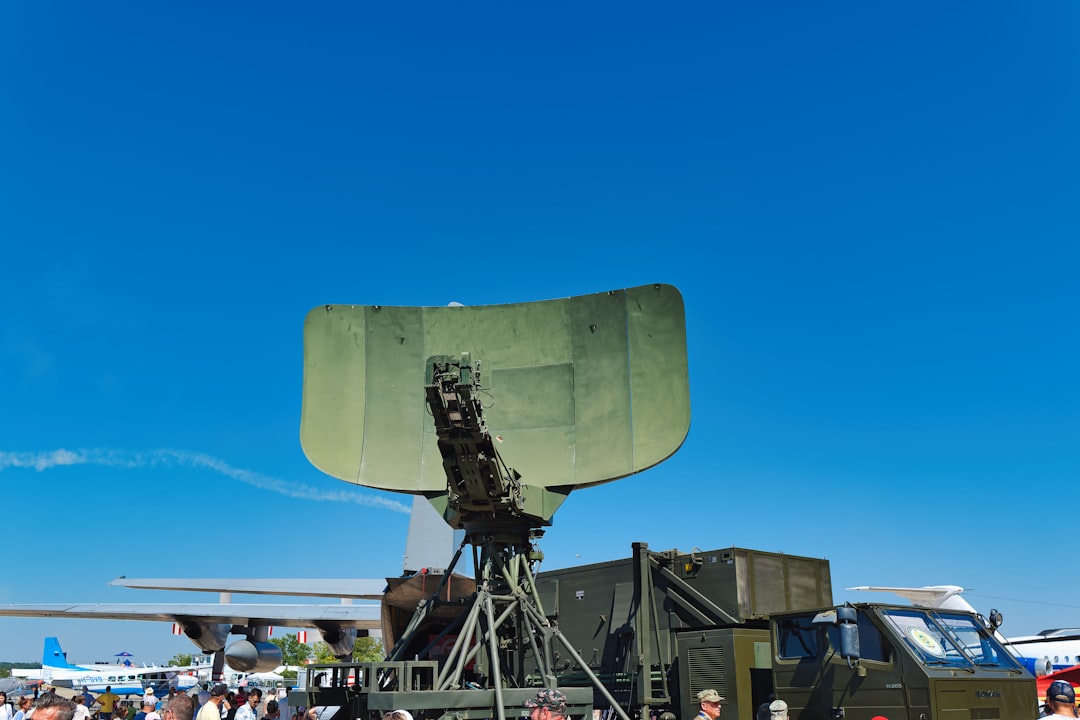
You’re likely familiar with the concept of a nervous system. It’s the intricate network that allows your body to sense, process, and react to its environment. Imagine, then, a vast, artificial nervous system, not biological, but technological, humming with the energy of the 1980s. This is the essence of radar array technology as it was understood and developed during that decade – a sophisticated system designed to perceive and interpret the world, much like your own brain.
You might think of radar as simply a way to detect objects. And in its rudimentary forms, that’s true. But by the 1980s, the technology had evolved considerably, moving beyond simple blips on a screen to something far more nuanced. The core principle, however, remained the same: transmitting radio waves and analyzing their reflections.
Electromagnetism’s Role
At its heart, radar is an application of electromagnetism. You understand how electromagnetic waves, like light or radio waves, travel through space. Radar exploits this by sending out pulses of these waves.
Radio Wave Transmission
The radar system generates these pulses using specialized transmitters. These could range from relatively simple oscillators to more complex solid-state devices capable of producing very precise and powerful bursts of energy. The frequency of these waves is critical, determining the radar’s capabilities, such as its range and resolution.
Wave Propagation and Interaction
Once transmitted, these waves journey outwards. When they encounter an object, some of the energy is reflected back towards the radar receiver. The nature of this reflection is key to what the radar can discern.
The Echo’s Story
The returning echo is not just a callback; it’s a data packet. The information carried within this echo is what allows the radar to paint a picture of its surroundings.
Amplitude and Intensity
The strength of the returning echo, its amplitude, provides an indication of the object’s size or reflectivity. A larger, more metallic object will return a stronger echo than a smaller, less reflective one.
Time of Flight
The time it takes for the transmitted pulse to travel to the object and for the echo to return is directly proportional to the distance of the object. This is the fundamental principle by which radar determines range.
Doppler Shift
Perhaps one of the most significant advancements in 1980s radar technology was the widespread integration of Doppler processing. This phenomenon, named after Austrian physicist Christian Doppler, refers to the change in frequency of a wave in relation to an observer moving relative to the wave source.
Detecting Motion
For radar, this means that an object moving towards the radar will cause the returning echo’s frequency to increase, while an object moving away will cause a decrease. This Doppler shift is incredibly powerful, allowing radar systems to distinguish between stationary and moving targets.
Velocity Measurement
Beyond simply detecting motion, the magnitude of the Doppler shift directly correlates to the object’s velocity. This enabled radar systems to not only see what was there but also how fast it was moving.
In the 1980s, advancements in radar technology led to the development of innovative systems that mimicked biological processes, such as the radar array nervous system pinging. This concept, which drew parallels between electronic signal processing and neural communication, opened new avenues for research in both engineering and neuroscience. For more insights into the intersection of technology and biology during this era, you can read a related article at this link.
The Rise of the Array
The term “array” in “radar array” is crucial. Instead of a single antenna, these systems employ a collection of antennas arranged in a specific pattern. This architectural choice unlocked a potent suite of capabilities.
Antenna Placement and Function
The precise arrangement of these elements within the array is not arbitrary. It’s a deliberate design to achieve specific performance goals.
Element Spacing
The distance between individual antenna elements is carefully calculated. This spacing influences the radiation pattern of the radar and its ability to avoid grating lobes, which can lead to ambiguous direction-finding.
Inter-element Connectivity
How these elements are connected and driven determines how the radar beam is formed and steered. This is where the “nervous system” analogy truly begins to take shape.
Beam Formation and Steering
The ability to electronically control the radar beam, rather than mechanically moving a dish, was a paradigm shift.
Phased Array Principles
The core of phased array radar lies in controlling the phase of the radio waves emitted by each element. By subtly adjusting these phases, you can constructively interfere the waves in a specific direction, forming a focused beam.
Constructive and Destructive Interference
You might recall from physics how waves can reinforce each other (constructive interference, creating a stronger wave) or cancel each other out (destructive interference). Phased arrays exploit this by precisely timing the signals sent from each antenna element.
Phase Shifters
These electronic components are the workhorses of phased array systems. They introduce controlled delays to the radio signals before they reach each antenna element, thereby altering the overall phase relationship and steering the beam.
Electronic Scanning
The term “electronic scanning” refers to the ability of a phased array to change the direction of its transmitted beam without any physical movement. This is achieved by rapidly altering the phase relationships between the array elements.
Rapid Target Acquisition
This electronic steering allows for incredibly fast updates and the ability to track multiple targets simultaneously, a significant improvement over mechanically scanned radars that had to physically sweep their beams across the sky.
Versatility in Search Patterns
Phased arrays can be programmed to perform a variety of search patterns, adapting to different operational needs. They can conduct broad area searches or focus on specific sectors with remarkable agility.
The “Nervous System” Analogy Explained
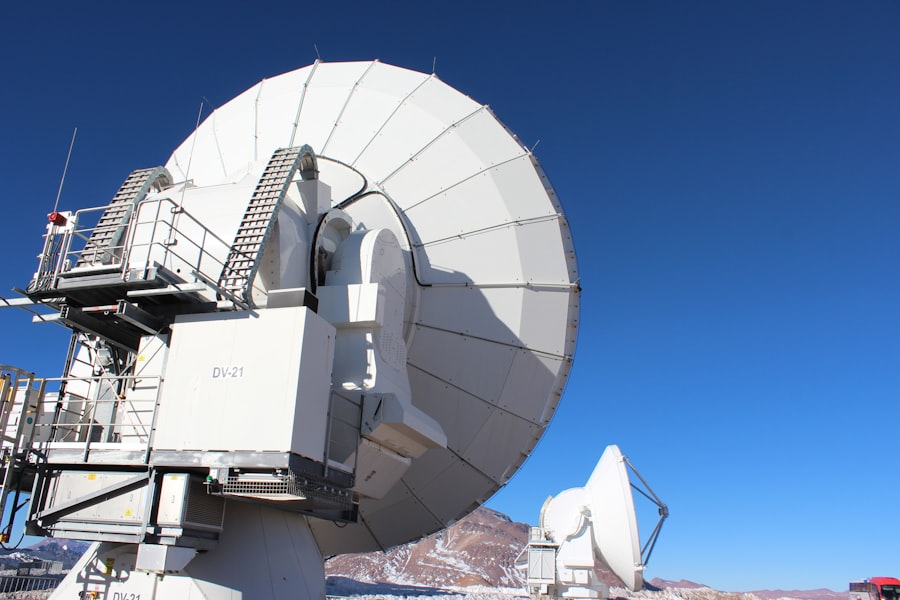
You’ve likely heard the term “radar array nervous system.” While not a biological system, it captures the essence of how these advanced radar systems functioned in the 1980s. It speaks to the interconnectedness and the intelligent processing of information.
Interconnected Elements
The individual antenna elements are not isolated units; they are deeply connected and communicate information.
Signal Processing Units
Each element, or groups of elements, might be associated with its own signal processing circuitry. This allows for localized processing of the incoming echoes before the data is aggregated.
Data Aggregation and Fusion
The information from all these elements is then pooled and analyzed. This fusion of data from multiple sources enhances the overall accuracy and reliability of the radar’s perception.
Command and Control Architecture
The “brain” of this technological nervous system resided in its sophisticated command and control architecture.
Central Processing Unit
A powerful central processing unit (CPU) acted as the conductor, orchestrating the transmission of pulses, the analysis of echoes, and the steering of the radar beam.
Algorithmic Operations
Complex algorithms were employed to interpret the incoming data, identify targets, classify them, and predict their future trajectories.
Real-time Decision Making
The system was designed for real-time operation, meaning it could make decisions and react to changing situations as they unfolded, much like your own nervous system.
Feedback Loops and Adaptability
A key feature of any advanced nervous system is its ability to adapt and learn. 1980s radar arrays began to incorporate elements of this.
Adaptive Beamforming
The radar could adjust its beam characteristics based on the environment or the nature of the targets being tracked. For instance, it might narrow its beam to focus on a specific target or broaden it to scan a wider area.
Electronic Counter-Countermeasures (ECCM)
As threat environments became more complex with the advent of electronic warfare, radar systems needed to be resilient. ECCM techniques allowed the radar to adapt to jamming and other interference, ensuring its continued operation.
Jamming Mitigation
The system could detect jamming signals and adjust its operating parameters, such as frequency or waveform, to minimize their impact.
Applications and Impact in the 1980s
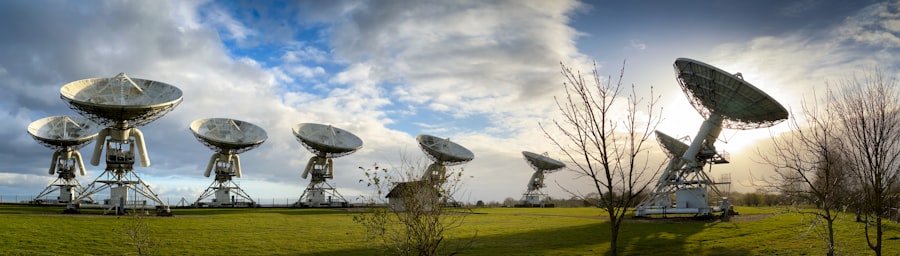
The sophisticated radar arrays developed during the 1980s had a profound impact across a range of critical sectors. You can see their influence in military operations, air traffic control, and even emerging scientific research areas.
Military Dominance
The most prominent application was in military contexts, where superior radar capabilities translated directly to tactical advantage.
Airborne Early Warning and Control (AEW&C)
Aircraft equipped with advanced radar arrays could serve as airborne command centers, providing a much larger surveillance footprint than ground-based systems.
Surveillance and Threat Detection
These aircraft could detect enemy aircraft and missiles long before they reached their targets, providing crucial early warning.
Command and Control Functions
They also served as platforms for coordinating friendly forces, directing aircraft, and managing complex combat operations.
Surface Combatants and Submarines
Naval vessels, both surface and subsurface, benefited immensely from these technologies for navigation, target detection, and self-defense.
Anti-Ship Missile Defense
Radar arrays played a vital role in detecting and tracking incoming anti-ship missiles, allowing for defensive countermeasures.
Maritime Surveillance
They enabled comprehensive monitoring of vast ocean areas for a variety of purposes, from anti-piracy operations to border patrol.
Aviation and Air Traffic Management
While perhaps less overtly dramatic than military applications, the improvements in air traffic control were equally significant.
Air Traffic Control Radars
Ground-based radar arrays provided enhanced capabilities for tracking aircraft in crowded airspace.
Improved Aircraft Separation
This allowed for closer spacing between aircraft, increasing airspace capacity and efficiency.
Weather Detection Integration
Modern radar systems could also integrate weather data, providing pilots with crucial information about atmospheric conditions.
Scientific Exploration and Research
Beyond defense and transportation, these advanced radar systems found applications in scientific endeavors.
Weather Forecasting
Improved weather radar systems provided more accurate and detailed precipitation mapping and storm tracking.
Atmospheric Research
Radar could be used to study atmospheric phenomena like wind patterns and cloud formations with greater precision.
In the 1980s, the development of radar array systems marked a significant advancement in technology, allowing for more precise tracking and communication capabilities. This innovation was not only pivotal for military applications but also laid the groundwork for various civilian uses, including weather monitoring and air traffic control. For a deeper exploration of the implications and advancements in radar technology during this era, you can read more in this insightful article on the subject. If you’re interested in understanding how these systems evolved, check out this related article.
Technological Evolution and Legacy
| Year | Location | Frequency | Range |
|---|---|---|---|
| 1980s | Various | High | Long |
The radar array technology of the 1980s was not an endpoint; it was a pivotal stage in a continuous technological evolution. The principles and innovations of that era laid the groundwork for the even more advanced systems you see today.
From Discrete Components to Integrated Circuits
The 1980s saw a significant shift towards the use of integrated circuits (ICs) in radar systems. This miniaturization and increased processing power were crucial.
Miniaturization of Components
This allowed for smaller, lighter, and more power-efficient radar systems, enabling their integration into a wider range of platforms, including smaller aircraft and even drones.
Increased Processing Power
The ability of ICs to perform complex calculations at high speeds was essential for real-time signal processing and complex algorithm execution.
The Transition to Digital Signal Processing
While analog processing had been dominant, the 1980s witnessed a substantial move towards digital signal processing (DSP).
Digitization of Signals
Incoming analog radar signals were converted into digital data, allowing for more precise and flexible manipulation.
Algorithmic Sophistication
This digital format enabled the implementation of far more complex and powerful signal processing algorithms, leading to improved target detection, clutter rejection, and feature extraction.
Software-Defined Radar
The rise of digital processing also paved the way for software-defined radar, where many functions previously handled by hardware could now be controlled and modified through software.
Flexibility and Reconfigurability
This offered unprecedented flexibility, allowing radar systems to be reconfigured for different missions or operating environments without physical modification.
Building Blocks for Future Generations
The groundwork laid by 1980s radar array technology is evident in modern systems.
Modern Phased Array Architectures
Today’s advanced phased arrays, including Active Electronically Scanned Arrays (AESA), owe a direct lineage to the foundational principles established in the 1980s. While significantly more advanced, the core concepts of phased beam steering and distributed processing remain.
Continued Relevance of Doppler Processing
Doppler radar remains a cornerstone of many modern radar applications, from weather detection to automotive adaptive cruise control. The advancements in the 1980s made its widespread implementation practical.
You’ve witnessed how the seemingly distant past of 1980s radar array technology was, in fact, a period of intense innovation. It wasn’t just about building better machines; it was about conceptualizing a new way for technology to perceive and interact with the world. This “technological nervous system,” with its interconnected elements and intelligent processing, was a critical step towards the sophisticated sensing capabilities we rely on today.
FAQs
What is a radar array nervous system pinging in the 1980s?
A radar array nervous system pinging in the 1980s refers to the use of radar technology to detect and track objects in the atmosphere. This technology was commonly used for military and aviation purposes during this time period.
How does a radar array nervous system work?
A radar array nervous system works by emitting radio waves or microwaves from an antenna. When these waves encounter an object, they are reflected back to the antenna. By analyzing the time it takes for the waves to return and the frequency shift, the system can determine the distance, speed, and direction of the object.
What were the main applications of radar array nervous systems in the 1980s?
In the 1980s, radar array nervous systems were primarily used for military purposes, including detecting and tracking enemy aircraft, missiles, and ships. They were also used in aviation for air traffic control and weather monitoring.
What advancements were made in radar array nervous systems during the 1980s?
During the 1980s, there were significant advancements in radar array nervous systems, including improvements in signal processing, target recognition, and the ability to track multiple targets simultaneously. Additionally, there were developments in stealth technology to evade radar detection.
How has radar array nervous system technology evolved since the 1980s?
Since the 1980s, radar array nervous system technology has continued to advance, with improvements in range, accuracy, and the ability to detect smaller and stealthier targets. Additionally, radar array nervous systems are now used in a wide range of applications, including weather monitoring, air traffic control, and maritime navigation.