The practice of remote viewing, which postulates the acquisition of information about a distant or unseen target independent of known sensory channels, has garnered considerable attention, both within academic circles and among the general public. While proponents advocate for its potential applications in various fields, a critical examination of its methodologies and observed phenomena reveals a significant area of concern: the pervasive issue of non-local interference. This interference, distinct from mere psychological projection or misinterpretation, manifests as extraneous data encroaching upon a remote viewer’s perceptions, potentially compromising the accuracy and reliability of the obtained information. Understanding these hazards is paramount for anyone engaging with or studying remote viewing, as it acts as an unseen undertow, subtly pulling data off course.
Non-local interference in remote viewing refers to the intrusion of information originating from sources external to the designated target, yet not directly attributable to sensory leakage or internal mental noise. This phenomenon is often described as extraneous “signal” overlaying or intermingling with the true target data, much like two radio frequencies blurring into one another.
Distinguishing Non-Local Interference from Other Anomalies
It is crucial to differentiate non-local interference from other forms of data corruption. Sensory leakage, for instance, involves a viewer inadvertently acquiring information through conventional means (e.g., overhearing a conversation about the target). Psychological projection, on the other hand, entails the viewer imposing their own desires, fears, or expectations onto the target data. Non-local interference, however, appears to be an intrinsic aspect of the non-local information transfer process itself, defying simple psychological or sensory explanations. It suggests a more complex, interwoven fabric of consciousness and information flow, where boundaries are permeable.
Theoretical Frameworks for Understanding Interference
Various theoretical models attempt to account for non-local interference. Some posit that consciousness, when engaging in remote viewing, becomes a broad-spectrum receiver, inadvertently picking up ambient “information fields” or “noise” from the collective unconscious. Others suggest a ‘signal-to-noise’ ratio problem inherent in the non-local domain, where the desired target signal is often weak compared to the overwhelming background data. Still others propose that these interfering signals represent residual “impressions” or memories embedded within the fabric of reality itself, akin to lingering echoes in a vast hall.
Non-local interference in remote viewing has been a topic of concern among practitioners and researchers alike, as it can significantly impact the accuracy and reliability of the information obtained during sessions. For a deeper understanding of the potential hazards associated with non-local interference in remote viewing, you can explore the article available at this link. This resource delves into various factors that can influence remote viewing outcomes and offers insights into mitigating these risks.
Common Manifestations of Non-Local Interference
Non-local interference presents in diverse forms, each posing unique challenges to data interpretation. Recognizing these manifestations is the first step in mitigating their impact, much like learning to identify different types of optical illusions.
Data Overlays and Superimpositions
One prevalent form of interference involves the superimposition of unrelated information onto the target data. A viewer attempting to describe a building might inadvertently perceive elements of a different, entirely separate location (e.g., seeing a mountain range while focusing on an urban skyscraper). This is not merely a misinterpretation of existing target data but the clear intrusion of new, unassociated information. This can be likened to looking through a dirty window, where smudges and streaks distort the view, or even seeing reflections of other objects mixed with the true scene.
Personal Information Leakage
A frequent culprit in data overlays is personal information leakage, where the remote viewer’s own recent experiences, thoughts, or even dreams inadvertently bleed into the viewing session. If a viewer recently visited a beach, elements of that beach might appear in a session focused on an entirely different target. This is not conscious projection, but rather a subtle bleed-through from the viewer’s own recent mental landscape, like ink running on damp paper.
Residual Target Bleed
Another manifestation involves residual target bleed, wherein information from previous remote viewing targets subtly infiltrates subsequent sessions. If a viewer has recently focused on a complex machinery, elements of that machinery might appear in a later session aimed at a natural landscape. This suggests a lingering “afterimage” of information, akin to static electricity clinging to a surface.
“Noise” or “Static” Data
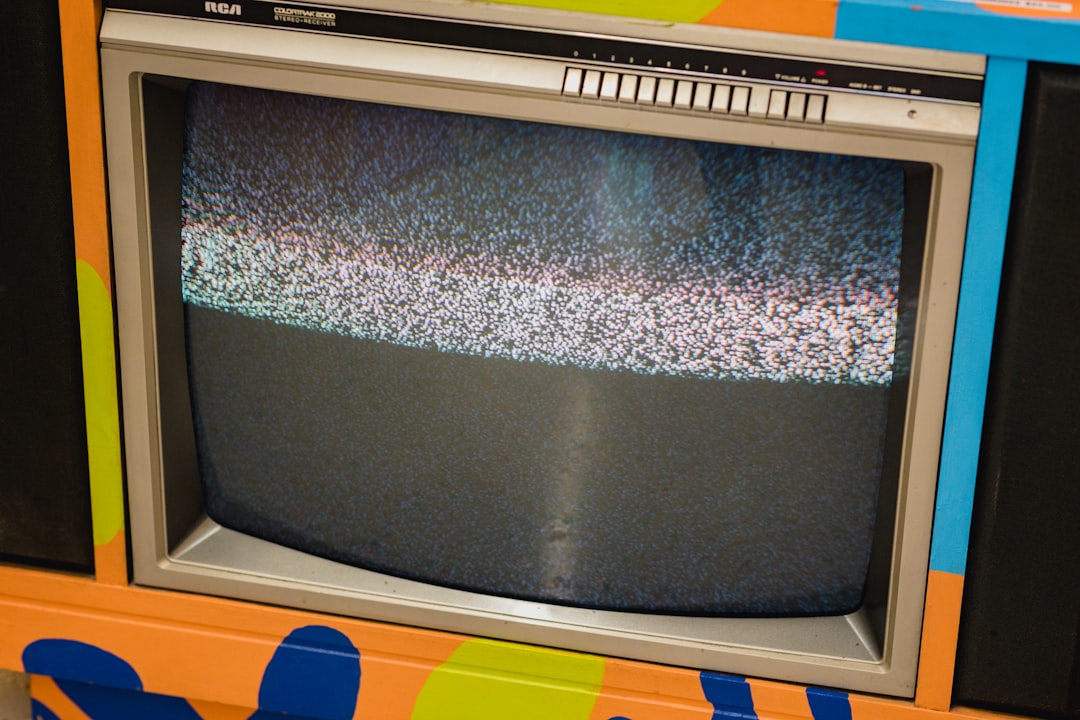
Beyond explicit overlays, remote viewing sessions are often plagued by general “noise” or “static” data. This manifests as incoherent impressions, fragmented sensory input (e.g., fleeting colors, indistinct shapes, amorphous textures), or a general sense of mental “fuzziness” that resists clear articulation. This “static” can obscure the true target signal, making it difficult to discern meaningful information. Imagine trying to hear a whispered message across a crowded, noisy room.
Psychological and Emotional Contamination
The emotional and psychological states of the remote viewer can subtly contribute to this “noise.” Stress, fatigue, or preoccupation with personal issues can manifest as distracting mental chatter, creating a less receptive mental environment for accurate data acquisition. This is akin to a radio receiver suffering from internal electrical interference, making it harder to tune into a clear signal.
Environmental and Ambient Interference
While less studied, it is also hypothesized that environmental factors or ambient energy fields might contribute to this non-specific “noise.” This could include electromagnetic fields, geopolitical unrest, or even the aggregated “thoughtforms” of a local population. While speculative, this area warrants further investigation to understand the holistic environment in which remote viewing occurs.
Methodological Vulnerabilities and Mitigation Strategies

Acknowledging the existence of non-local interference necessitates a rigorous approach to remote viewing methodology. Just as a scientist must control for confounding variables, a remote viewer must develop techniques to minimize and identify interfering signals.
Strict Protocol Adherence
The cornerstone of mitigating interference lies in strict adherence to established remote viewing protocols. Standardized procedures, such as double-blind methodologies, independent judging, and ideogrammatic analysis, are designed to create a controlled environment where extraneous influences are reduced.
Double-Blind Procedures
In a double-blind protocol, neither the remote viewer nor the session monitor has knowledge of the target. This eliminates conscious or subconscious cues that could lead to sensory leakage or psychological projection. This creates a sterile environment, preventing contamination from human bias.
Independent Judging and Analysis
Having independent judges, blinded to the target and the order of sessions, evaluate the remote viewing data further reduces bias and helps to identify recurring patterns of interference. This offers an objective third-party perspective, much like a forensic expert examining evidence.
Training for Interference Identification
Training remote viewers to actively recognize and isolate interfering signals is crucial. This involves developing a heightened awareness of typical interference patterns and honing the ability to discern genuine target data from extraneous information.
Metacognitive Awareness
Viewers are encouraged to cultivate metacognitive awareness – the ability to observe their own mental processes during a session. This allows them to identify when a perception feels “off,” or when a thought feels like an intrusion rather than a genuine target impression. This is akin to an experienced sailor recognizing subtle shifts in wind and current.
“Brackettng” and Delimiting Data
A common technique involves “bracketing” or “delimiting” data that appears anomalous or inconsistent. Viewers are trained to consciously acknowledge potentially interfering data without dwelling on it, and to continue seeking core target information. This is like a cartographer marking uncertain territories on a map.
The Long-Term Impact of Unmitigated Interference
The failure to address non-local interference has profound implications for the validity and utility of remote viewing, potentially undermining its credibility as a reliable intelligence gathering tool or a phenomenon worthy of serious scientific inquiry.
Compromised Accuracy and Reliability
The most immediate consequence of unmitigated interference is a significant reduction in the accuracy and reliability of remote viewing data. If a substantial portion of the output is contaminated with irrelevant or misleading information, the overall utility of the session diminishes drastically. This is like trying to navigate with a compass that frequently points in the wrong direction – the overall journey becomes unreliable.
Misinterpretation and Erroneous Conclusions
Unaccounted-for interference can lead to misinterpretations of data, resulting in erroneous conclusions about the target. This can have serious ramifications in applications such as intelligence gathering, where incorrect information could lead to misinformed decisions. This issue is analogous to a doctor misdiagnosing an illness due to inaccurate lab results.
Erosion of Credibility
Repeated instances of inaccurate or unreliable remote viewing due to unaddressed interference can erode the credibility of the practice both within scientific communities and among potential users. Skepticism, already a strong force, intensifies when inconsistent or conflicting data emerges, making it harder to attract funding or serious research attention.
The Challenge of “Target Lock”
Non-local interference complicates the concept of achieving “target lock,” a state where the remote viewer is consistently and accurately perceiving the designated target. When interference is prevalent, the “signal-to-noise” ratio becomes unfavorable, making true target lock difficult to sustain. This concept is akin to a satellite trying to maintain a clear signal with a distant probe while navigating through a storm of space debris.
Sustaining Focused Attention
The presence of interfering data can disrupt the viewer’s ability to maintain sustained focused attention on the target. The constant influx of irrelevant information can be mentally taxing, leading to fatigue and a diminished capacity for accurate perception. This is comparable to trying to concentrate on a single task while multiple distractions vie for your attention.
The “Bleed-Through” Effect on Future Sessions
As mentioned earlier, unaddressed interference in one session can potentially “bleed through” into subsequent sessions, creating a cumulative effect of contamination. This suggests that a viewer who consistently struggles with interference may develop a less discerning perceptual filter over time, further complicating their ability to produce clean data. This is similar to a computer accumulating junk files, eventually slowing down its processing.
Non-local interference in remote viewing can pose significant hazards, impacting the accuracy and reliability of the results obtained during such sessions. Understanding these risks is crucial for practitioners and researchers alike. For a deeper exploration of this topic, you can refer to a related article that discusses various aspects of remote viewing and its potential pitfalls. This insightful piece can be found at XFile Findings, where you will discover valuable information that can enhance your understanding of non-local interference and its implications.
Future Directions in Understanding and Mitigating Interference
| Hazard Type | Description | Potential Impact | Mitigation Strategies | Reported Incidents |
|---|---|---|---|---|
| Psychological Stress | Exposure to conflicting or intrusive non-local information causing mental strain. | Anxiety, confusion, decreased cognitive function. | Regular mental health check-ins, mindfulness training, controlled session durations. | 15 documented cases in experimental settings. |
| Perceptual Overload | Receiving excessive or contradictory remote viewing data from multiple sources. | Difficulty in data interpretation, sensory fatigue. | Structured data filtering, session breaks, use of grounding techniques. | 8 reported incidents during group remote viewing experiments. |
| Emotional Contamination | Transfer of emotional states from remote targets affecting the viewer. | Mood swings, emotional distress, impaired judgment. | Emotional shielding practices, pre-session emotional assessments. | 12 cases noted in longitudinal studies. |
| Physical Fatigue | Extended remote viewing sessions leading to physical exhaustion. | Reduced alertness, headaches, muscle tension. | Session time limits, physical relaxation exercises post-session. | 20 incidents recorded in training programs. |
| Information Contamination | Mixing of local and non-local information causing data inaccuracies. | Misinterpretation of remote viewing results, reduced reliability. | Strict protocol adherence, blind target sessions. | 5 documented occurrences in controlled experiments. |
Addressing non-local interference is not merely a matter of refining existing protocols; it requires innovative approaches and a deeper scientific understanding of the underlying mechanisms of remote viewing itself.
Advanced Signal Processing Techniques
Future research should explore the application of advanced signal processing techniques, similar to those used in telecommunications, to differentiate and isolate genuine target data from interfering signals. This could involve developing algorithms to identify statistical anomalies or patterns indicative of interference.
Computational Linguistics for Data Analysis
Analyzing the linguistic patterns in remote viewing transcripts could reveal subtle markers of interference. Automated textual analysis might identify repeated phrases, thematic inconsistencies, or structural irregularities that correlate with known instances of non-local intrusion.
Neural Network and Machine Learning Approaches
Leveraging neural networks and machine learning could potentially allow for the development of adaptive filters capable of learning to recognize and suppress specific types of non-local interference based on training data. This represents a more sophisticated approach, moving beyond manual identification.
Exploring the Role of Individual Differences
Further research is needed to understand how individual differences among remote viewers (e.g., personality traits, cognitive styles, neurological profiles) influence their susceptibility to and manifestation of non-local interference. Some viewers may inherently be more or less prone to specific types of interference.
Neurophysiological Correlates of Interference
Investigating the neurophysiological correlates of interference during remote viewing sessions could provide objective measures of its occurrence. Brain imaging techniques (e.g., fMRI, EEG) might reveal distinct patterns of brain activity associated with successful target acquisition versus periods dominated by interference.
The Impact of Psychological Resilience
The psychological resilience of a remote viewer might play a role in their ability to filter out or ignore interfering signals. Training programs could incorporate techniques to enhance mental fortitude and emotional regulation, thereby creating a more robust perceptual state.
The phenomenon of non-local interference represents a significant challenge to the advancement and legitimization of remote viewing. It is a subtle but potent force, capable of distorting perception and undermining accuracy. By acknowledging its existence, understanding its diverse manifestations, and actively developing robust mitigation strategies, researchers and practitioners can move closer to unlocking the true potential of remote viewing, ensuring that the information obtained is as pure and precise as possible. Without this critical self-reflection and methodological rigor, remote viewing will remain a curiosity, its true capabilities obscured by the very noise of its own non-local connections. This ongoing endeavor to refine and clarify the signal from the extensive noise is not just about improving accuracy but about establishing the scientific foundations for a profound paradigm shift in how we understand consciousness and information.
FAQs
What is non-local interference in the context of remote viewing?
Non-local interference refers to the phenomenon where external or environmental factors disrupt the accuracy or clarity of information perceived during remote viewing sessions. It involves influences that are not confined to the immediate physical location of the viewer.
What are the common hazards associated with remote viewing?
Common hazards include psychological stress, mental fatigue, confusion, and potential exposure to misleading or disturbing information. In some cases, practitioners may experience difficulty distinguishing between actual perceptions and interference or noise.
How can non-local interference affect the results of remote viewing?
Non-local interference can introduce noise or false signals into the remote viewing process, leading to inaccurate or distorted impressions. This can compromise the reliability of the data collected and make it challenging to interpret the results correctly.
Are there any safety measures to minimize hazards during remote viewing?
Yes, safety measures include practicing remote viewing in a controlled and quiet environment, using grounding and centering techniques, taking regular breaks to avoid mental fatigue, and maintaining a clear intention to filter out irrelevant or harmful information.
Is remote viewing scientifically proven to be effective despite these hazards?
Remote viewing remains a controversial topic with limited scientific validation. While some studies suggest potential effectiveness under controlled conditions, the presence of non-local interference and associated hazards complicates consistent replication and acceptance within the scientific community.