
Safety board oversight has become a significant concern across multiple industries due to its critical role in workplace protection. Safety boards function as regulatory monitoring bodies that enforce compliance with established safety standards and protocols. When these oversight mechanisms are absent or inadequate, organizations face increased risks of workplace accidents, regulatory violations, and associated economic impacts.
Effective safety board oversight serves several essential functions: monitoring compliance with safety regulations, conducting workplace inspections, investigating incidents, and ensuring corrective actions are implemented. These boards establish accountability frameworks that require organizations to maintain safety standards and report incidents transparently. Current challenges in safety board oversight include insufficient funding, limited staffing, inadequate enforcement authority, and inconsistent implementation across different sectors.
Research indicates that workplaces with robust safety oversight experience significantly lower accident rates and improved safety outcomes compared to those with minimal supervision. The absence of proper safety oversight creates measurable risks including increased workplace injuries, higher insurance costs, legal liabilities, productivity losses, and potential criminal charges for safety violations. Industries with complex operational environments, such as manufacturing, construction, and chemical processing, are particularly vulnerable to these consequences.
Strengthening safety board oversight requires comprehensive reforms including enhanced funding mechanisms, expanded regulatory authority, improved training programs for oversight personnel, standardized reporting systems, and stronger enforcement penalties for non-compliance.
Key Takeaways
- Safety board oversight is crucial for maintaining workplace safety and preventing accidents.
- Lack of proper safety board oversight has led to numerous workplace incidents and worker harm.
- Inadequate oversight results in significant economic costs for businesses and society.
- There is a growing call for improved and stronger safety board oversight mechanisms.
- Employers play a key role in addressing oversight gaps to ensure safer work environments.
The Importance of Workplace Safety
Workplace safety is paramount in fostering a productive and healthy work environment. It encompasses a range of practices and policies designed to protect employees from accidents, injuries, and health hazards. A safe workplace not only enhances employee morale but also boosts productivity and reduces absenteeism.
When workers feel secure in their environment, they are more likely to perform at their best, contributing positively to the organization’s overall success. Moreover, workplace safety is not merely a legal obligation; it is a moral imperative. Employers have a duty to ensure that their employees are protected from harm while on the job.
This responsibility extends beyond compliance with regulations; it involves creating a culture of safety where employees are encouraged to voice concerns and participate in safety initiatives. The importance of workplace safety cannot be underestimated, as it directly impacts the well-being of individuals and the efficiency of organizations.
The Role of Safety Boards in Ensuring Workplace Safety

Safety boards play a crucial role in establishing and enforcing safety standards across various industries. These boards are typically composed of experts who assess workplace conditions, review safety protocols, and recommend improvements. Their primary objective is to ensure that organizations comply with safety regulations and implement best practices to mitigate risks.
By conducting regular inspections and audits, safety boards help identify potential hazards before they escalate into serious incidents. In addition to monitoring compliance, safety boards also serve as a resource for employers and employees alike. They provide guidance on safety training programs, offer resources for hazard identification, and facilitate communication between workers and management regarding safety concerns.
The presence of an effective safety board can foster a proactive approach to workplace safety, encouraging organizations to prioritize the well-being of their employees.
The Current State of Safety Board Oversight
Despite the critical role that safety boards play in ensuring workplace safety, many organizations face challenges related to oversight. In some cases, safety boards may lack the necessary resources or authority to enforce regulations effectively. Budget constraints can limit their ability to conduct thorough inspections or provide adequate training programs.
Additionally, some industries may experience a lack of representation on safety boards, leading to gaps in knowledge and expertise. The current state of safety board oversight varies significantly across different sectors. While some industries have robust oversight mechanisms in place, others struggle with inadequate resources and support.
This inconsistency can create an uneven playing field, where some organizations prioritize safety while others neglect it altogether. As a result, the need for comprehensive reform in safety board oversight has become increasingly apparent.
Examples of Workplace Incidents Due to Lack of Safety Board Oversight
| Metric | Description | Impact | Recommended Action |
|---|---|---|---|
| Number of Safety Incidents | Total reported safety incidents during period without board oversight | Increased risk of accidents and injuries | Implement interim safety monitoring protocols |
| Compliance Rate | Percentage of safety regulations met without board supervision | Potential regulatory violations and fines | Conduct regular internal audits |
| Response Time to Safety Issues | Average time taken to address safety concerns | Delayed mitigation of hazards | Establish rapid response teams |
| Employee Safety Training Completion | Percentage of employees completing safety training | Lower awareness and preparedness | Increase training frequency and tracking |
| Near-Miss Reporting Rate | Number of near-miss incidents reported | Underreporting may hide risks | Encourage open reporting culture |
The consequences of inadequate safety board oversight can be devastating, as evidenced by numerous workplace incidents that have occurred in recent years. For instance, in the construction industry, there have been cases where insufficient oversight led to catastrophic accidents resulting in injuries or fatalities.
Similarly, in manufacturing settings, the absence of effective safety board oversight has resulted in hazardous working conditions that have led to chemical spills or machinery accidents. These incidents not only endanger workers but also have far-reaching implications for the organizations involved, including legal repercussions and damage to their reputation. Such examples underscore the urgent need for improved safety board oversight to prevent future tragedies.
The Impact of Missing Safety Board Oversight on Workers
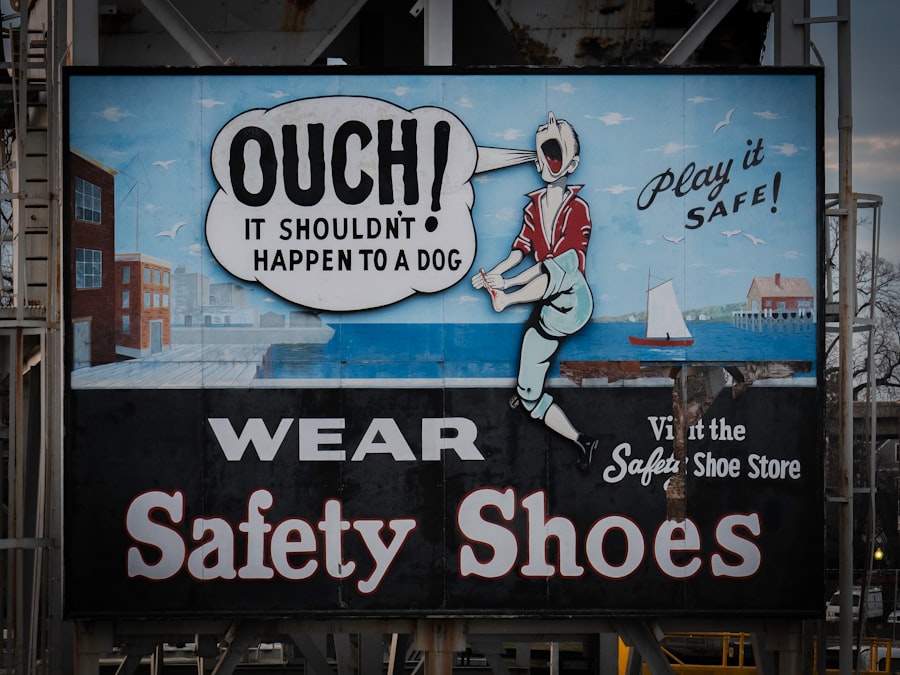
The absence of effective safety board oversight has profound implications for workers’ health and well-being. When safety regulations are not enforced or monitored adequately, employees may be exposed to hazardous conditions without proper protection or training. This lack of oversight can lead to increased rates of workplace injuries and illnesses, ultimately affecting workers’ quality of life.
Moreover, the psychological impact of inadequate safety measures cannot be overlooked. Workers who feel unsafe in their environment may experience heightened stress and anxiety, which can further diminish their productivity and job satisfaction. The emotional toll of working in an unsafe environment can lead to long-term mental health issues, creating a cycle of distress that affects both individuals and organizations.
The Economic Costs of Inadequate Safety Board Oversight
Inadequate safety board oversight not only jeopardizes worker safety but also imposes significant economic costs on businesses and society as a whole. Workplace accidents can result in substantial financial losses due to medical expenses, legal fees, and compensation claims. Organizations may also face increased insurance premiums as a result of poor safety records, further straining their financial resources.
Beyond direct costs, the economic impact extends to lost productivity and decreased employee morale. When accidents occur, work disruptions can lead to delays in project timelines and reduced output. Additionally, organizations may struggle with high turnover rates as employees seek safer work environments elsewhere.
Calls for Improved Safety Board Oversight
In light of the pressing issues surrounding safety board oversight, there have been growing calls for reform from various stakeholders. Advocacy groups, labor unions, and concerned citizens have urged policymakers to strengthen regulations governing workplace safety and enhance the authority of safety boards. These calls emphasize the need for increased funding and resources to enable boards to carry out their essential functions effectively.
Furthermore, there is a growing recognition that collaboration between employers, employees, and regulatory bodies is crucial for improving workplace safety outcomes. By fostering open communication and encouraging participation in safety initiatives, organizations can create a culture of accountability that prioritizes worker well-being. The collective effort to advocate for improved safety board oversight reflects a commitment to ensuring that all workers have access to safe working conditions.
Potential Solutions to Address the Gap in Safety Board Oversight
Addressing the gap in safety board oversight requires a multifaceted approach that involves various stakeholders working together toward common goals. One potential solution is to increase funding for safety boards at both state and federal levels, enabling them to conduct more thorough inspections and provide comprehensive training programs for employers and employees alike. Additionally, implementing technology-driven solutions can enhance oversight capabilities.
For instance, utilizing data analytics can help identify trends in workplace incidents and inform targeted interventions. Furthermore, establishing partnerships between industry leaders and safety boards can facilitate knowledge sharing and best practices that promote safer work environments.
The Role of Employers in Filling the Gap in Safety Board Oversight
Employers play a pivotal role in bridging the gap left by inadequate safety board oversight. By taking proactive measures to prioritize workplace safety, organizations can create environments where employees feel valued and protected. This includes investing in comprehensive training programs that educate workers about potential hazards and safe practices.
Moreover, employers should foster an open dialogue about safety concerns within their organizations. Encouraging employees to report hazards without fear of retaliation can lead to early identification of risks and prompt corrective actions. By cultivating a culture of safety that emphasizes shared responsibility between management and staff, employers can significantly enhance workplace conditions even in the absence of robust external oversight.
The Need for Stronger Safety Board Oversight in the Workplace
The need for stronger safety board oversight in the workplace has never been more urgent. As industries continue to evolve and new challenges emerge, it is imperative that regulatory bodies adapt accordingly to ensure worker protection remains a top priority. The consequences of inadequate oversight are far-reaching, affecting not only individual workers but also organizations and the economy at large.
By advocating for improved safety board oversight and fostering collaboration among stakeholders, society can work toward creating safer work environments for all employees. It is essential that both employers and regulatory bodies recognize their shared responsibility in promoting workplace safety and take meaningful steps toward reforming existing systems. Ultimately, stronger safety board oversight will lead to healthier workplaces, increased productivity, and a more resilient economy—benefits that are well worth the investment.
In addition to the links provided, it’s important to consider the article on safety board oversight that discusses the implications of inadequate regulatory frameworks. This article highlights the need for comprehensive oversight to ensure public safety and accountability. You can read more about it in this related article: Safety Board Oversight Issues.
WATCH THIS! 🚨 The Engineer Who Vanished: He Left ONE Note Before They Took Him
FAQs
What does “safety board oversight missing” mean?
“Safety board oversight missing” refers to situations where a designated safety board or regulatory body fails to adequately monitor, regulate, or enforce safety standards in a particular industry or area. This lack of oversight can lead to increased risks and potential hazards.
Why is safety board oversight important?
Safety board oversight is crucial because it ensures that organizations comply with safety regulations, helps prevent accidents, protects public health, and promotes a culture of safety. Effective oversight can identify risks early and enforce corrective actions.
What are common consequences of missing safety board oversight?
Consequences can include increased accidents or incidents, higher injury or fatality rates, environmental damage, loss of public trust, legal liabilities, and financial costs for organizations and communities.
Which industries typically require safety board oversight?
Industries such as transportation (aviation, rail, maritime), construction, manufacturing, healthcare, and energy often require safety board oversight due to the high risks involved in their operations.
Who is responsible for providing safety board oversight?
Government agencies or independent regulatory bodies are typically responsible for safety board oversight. Examples include the National Transportation Safety Board (NTSB) in the U.S. or similar organizations in other countries.
How can missing safety board oversight be addressed?
Addressing missing oversight involves strengthening regulatory frameworks, increasing funding and resources for safety boards, improving transparency and accountability, and ensuring timely investigations and enforcement actions.
What role do safety boards play in accident investigations?
Safety boards investigate accidents to determine causes, issue safety recommendations, and help prevent future incidents by informing policy changes and industry practices.
Can missing safety board oversight affect public safety?
Yes, inadequate oversight can compromise public safety by allowing unsafe practices to continue unchecked, increasing the likelihood of accidents and harm to individuals and communities.
How can the public stay informed about safety board activities?
The public can stay informed through official safety board websites, press releases, public reports, hearings, and media coverage related to safety investigations and regulatory actions.
Are there examples of incidents caused by missing safety board oversight?
Yes, historical incidents in various sectors have been linked to lapses in safety board oversight, highlighting the importance of continuous and effective monitoring to prevent such events.