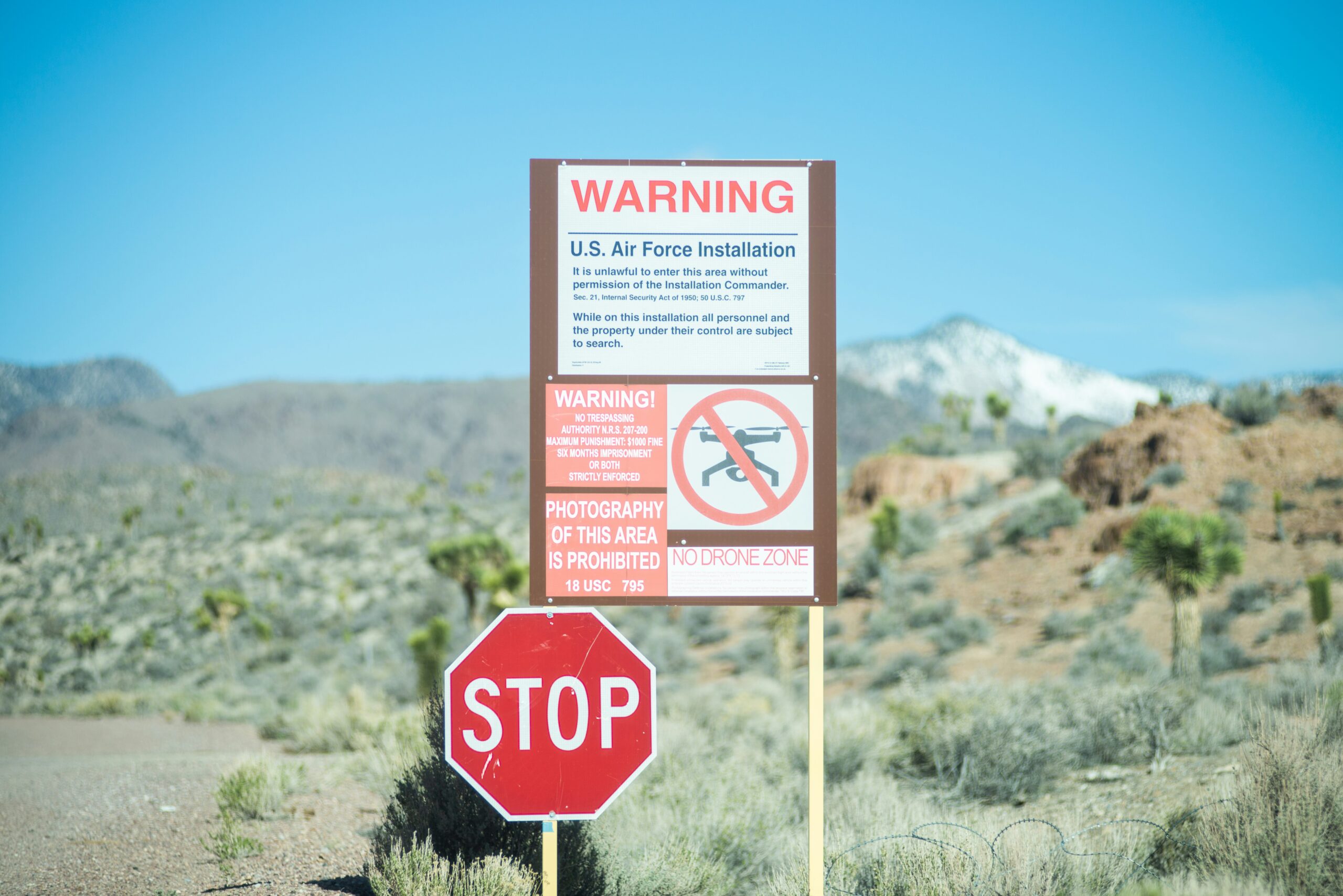
For decades, the enigmatic allure of unidentified flying objects (UFOs), now more formally referred to as Unidentified Aerial Phenomena (UAP), has captivated public imagination and scholarly curiosity alike. While often relegated to the fringes of scientific inquiry, the UAP phenomenon has increasingly attracted the attention of serious research institutions, including one of the United States’ premier scientific laboratories: Sandia National Laboratories. Located in Albuquerque, New Mexico, Sandia, a prominent federally funded research and development center (FFRDC) managed and operated by Sandia Corporation, a wholly owned subsidiary of Honeywell International, has historically been at the forefront of exploring complex technological and scientific challenges for national security and scientific advancement. Its involvement in the investigation of UAP, therefore, signals a significant shift in the perception and legitimacy of this long-standing mystery.
Historical Context of UAP Investigations
The modern era of systematic UAP investigation can be traced back to the mid-20th century, spurred by a surge in public sightings and military encounters. These early investigations, often conducted under the auspices of government agencies, aimed to determine if these phenomena posed a threat to national security or represented novel technological advancements.
Project Blue Book and its Predecessors
The most well-known of these early endeavors was Project Blue Book, which operated under the U.S. Air Force from 1952 to 1969. Prior to Blue Book, the Air Force initiated Project Sign (1947-1949) and Project Grudge (1949-1951). These projects collected thousands of reports, interviewed witnesses, and conducted analyses, ultimately concluding that most sightings could be explained by conventional phenomena, such as misidentified aircraft, meteorological events, or astronomical objects. However, a small percentage of cases remained unexplained, fueling continued interest and debate.
The Transition to a More Scientific Approach
Despite the conclusions of Project Blue Book, a segment of the scientific community remained unconvinced, arguing that the methodologies employed were often insufficient to address the complexity of the phenomenon. The inherent limitations of data collection in the field, coupled with a perceived lack of open-mindedness from some investigators, led to a desire for a more rigorous and scientifically grounded approach. This desire, combined with renewed government interest in the 21st century, has paved the way for laboratories like Sandia to engage with the topic.
Recent developments at Sandia National Laboratories have sparked interest in the ongoing investigation of unidentified flying objects (UFOs), particularly in relation to advanced technologies and their implications for national security. For a deeper understanding of the broader context surrounding these phenomena, you can explore a related article that delves into various findings and theories about UFOs. Check it out here: XFile Findings.
Sandia’s Evolving Role in UAP Research
Sandia National Laboratories, with its vast expertise in diverse scientific disciplines, including sensor technology, data analysis, aerospace engineering, and nuclear science, is uniquely positioned to contribute to the UAP investigation. While the specific details of Sandia’s involvement are often classified due to national security implications, publicly available information and expert commentary suggest a multifaceted approach.
Leveraging Core Competencies
Sandia’s core competencies are directly applicable to the challenges presented by UAP investigations. The laboratory’s strengths in advanced sensor development mean they are capable of designing, building, and analyzing data from a wide array of detection systems. This includes sophisticated radar, infrared imagers, acoustic sensors, and potentially even novel sensing technologies yet to be revealed. Their expertise in signal processing and data analytics is crucial for sifting through vast amounts of information, identifying patterns, and distinguishing genuine anomalies from known phenomena or sensor noise.
Contributions to National Security Assessments
Given Sandia’s role as an FFRDC, a significant portion of its UAP-related work likely aligns with national security interests. This could involve assessing whether UAP represent potential threats from adversarial nations employing advanced, undisclosed technologies, or if they pose a risk to aviation safety or critical infrastructure. Understanding the capabilities and flight characteristics of observed UAP is paramount to developing appropriate defense strategies and protocols.
Methodologies and Technologies Employed by Sandia
The scientific endeavor of UAP investigation demands a robust and systematic methodology, leveraging cutting-edge technologies. Sandia’s approach is likely to be characterized by its scientific rigor, data-driven analysis, and interdisciplinary collaboration.
Advanced Sensor Development and Deployment
One of the primary ways Sandia can contribute is through the development and deployment of advanced sensor systems. This might involve enhancing existing radar and optical surveillance capabilities to better detect and track UAP.
Radar and Electro-Optical Systems
Sandia’s expertise in radar systems, which can operate in various conditions and penetrate atmospheric interference, is invaluable. They may be involved in developing new radar signal processing techniques that can identify the subtle signatures of UAP, which might exhibit anomalous acceleration, speed, or maneuverability not consistent with conventional aircraft. Similarly, advanced electro-optical systems, including high-resolution cameras and infrared sensors, can capture visual and thermal data, providing crucial information about the appearance and energy emissions of UAP.
Multisensor Data Fusion
A key challenge in UAP investigation is corroborating evidence from disparate sources. Sandia’s capabilities in multisensor data fusion would allow them to integrate data from radar, optical, acoustic, and potentially even other sensor types to create a more comprehensive and reliable picture of an observed event. This approach helps to overcome the limitations of individual sensors and reduces the likelihood of misinterpretation.
Data Analysis and Artificial Intelligence
The sheer volume of data generated by sensor systems requires sophisticated analytical tools. Sandia’s proficiency in data science and artificial intelligence (AI) is critical in this regard.
Machine Learning for Anomaly Detection
Machine learning algorithms can be trained to identify patterns indicative of UAP, distinguishing them from known objects, atmospheric phenomena, or sensor malfunctions. This could involve developing AI models that can learn the “normal” behavior of the atmosphere and air traffic, flagging deviations as potential UAP.
Computational Modeling and Simulation
Sandia’s expertise in computational modeling and simulation can be used to create theoretical models of UAP behavior based on observed data. This allows researchers to test hypotheses about the physics and engineering of these phenomena, even in the absence of direct physical samples. Simulations can also help in understanding the limitations of existing detection technologies and identifying areas for improvement.
Interdisciplinary Scientific Collaboration
The UAP phenomenon is inherently multidisciplinary, requiring expertise from various scientific fields. Sandia’s structure as an FFRDC facilitates collaboration among specialists in diverse areas.
Astronomy and Atmospheric Science
Understanding potential explanations for UAP sightings, such as unusual astronomical phenomena or complex meteorological events, requires input from astronomers and atmospheric scientists. Sandia can facilitate collaborations with experts in these fields to ensure a thorough evaluation of all potential natural explanations.
Aerospace and Materials Science
For UAP that exhibit extraordinary flight characteristics, insights from aerospace and materials science are crucial. Researchers can analyze hypothetical propulsion systems, aerodynamic designs, and material properties that might explain observed UAP capabilities, even if these capabilities are currently beyond human technological reach.
Public Transparency and National Security Considerations
The investigation of UAP by a national laboratory like Sandia treads a delicate line between the public’s right to information and the imperative of national security. While increased transparency is desired, certain aspects of UAP data and analysis may remain classified.
Balancing Information Disclosure
There is a growing public and governmental push for greater transparency regarding UAP. Sandia, in its role, is likely working within frameworks that allow for the disclosure of non-sensitive findings, contributing to a more informed public discourse on the topic.
UAP Task Force and Reporting Mechanisms
The establishment of the UAP Task Force (UAPTF) and its successor, the All-domain Anomaly Resolution Office (AARO), has created formal channels for reporting and investigating UAP. Sandia’s involvement likely feeds into these reporting structures, providing expertise and analytical support to the governmental bodies tasked with understanding the phenomenon.
Potential for Publicly Accessible Research
While classified research will undoubtedly continue, there is a possibility that non-sensitive aspects of Sandia’s UAP investigations, such as unclassified methodologies or general findings about the limitations of sensor technologies, could be released in academic papers or public reports over time. This would contribute to the broader scientific understanding of UAP.
The Overlap with National Defense
Sandia National Laboratories plays a vital role in maintaining national security. Therefore, any investigation into UAP will inevitably intersect with defense considerations.
Threat Assessment and Intelligence Gathering
If UAP are determined to be of terrestrial or extraterrestrial origin and possess advanced capabilities, they could represent a significant national security concern. Sandia’s analysis would be crucial in assessing these potential threats and informing intelligence gathering strategies.
Countermeasure Development
Understanding the potential capabilities of observed UAP could also inform the development of countermeasures or defensive technologies. This aspect of research, however, is highly sensitive and would likely remain classified.
Recent discussions surrounding the Sandia National Laboratories and their involvement in UFO research have sparked significant interest in the scientific community. An insightful article that delves deeper into this topic can be found at XFile Findings, which explores various aspects of UFO phenomena and the implications of government research. This resource provides a comprehensive overview of how institutions like Sandia are contributing to our understanding of unidentified aerial phenomena, making it a valuable read for anyone intrigued by the intersection of science and the unexplained.
The Future of UAP Investigations at Sandia
The engagement of Sandia National Laboratories in UAP investigations signifies a maturing phase in the scientific and governmental approach to this long-standing enigma. As technology advances and analytical capabilities improve, the laboratory is poised to play an even more significant role.
Continued Technological Innovation
The quest to understand UAP will undoubtedly drive further innovation in sensor technology, data processing, and analytical techniques. Sandia, at the forefront of scientific advancement, will likely be instrumental in these developments.
Next-Generation Sensing Capabilities
Future investigations may benefit from entirely new sensing modalities capable of detecting phenomena previously unobservable. Sandia’s R&D efforts could lead to breakthroughs in fields such as quantum sensing or advanced spectral analysis, providing unprecedented insights into UAP.
Enhanced Predictive Modeling
As more data is collected and analyzed, Sandia may be able to develop sophisticated predictive models for UAP behavior, aiding in their detection and tracking. This could involve understanding the environmental conditions or temporal patterns associated with UAP sightings.
Interagency Collaboration and Knowledge Sharing
The complexity of the UAP phenomenon necessitates broad collaboration. Sandia’s role as an FFRDC positions it as a crucial node in a network of scientific and governmental entities.
Expanding Research Partnerships
Sandia is likely to continue to forge partnerships with other research institutions, universities, and government agencies, both domestically and potentially internationally, to pool resources and expertise. This collaborative approach is essential for tackling a problem of such scale and scope.
Dissemination of Best Practices
As Sandia refines its methodologies and analytical tools for UAP investigation, it can play a role in disseminating best practices throughout the scientific and governmental communities, fostering a more unified and effective approach to understanding these phenomena.
In conclusion, the involvement of Sandia National Laboratories in the investigation of Unidentified Aerial Phenomena represents a significant step forward in the scientific study of this enigmatic subject. By leveraging its vast scientific expertise, technological capabilities, and commitment to rigorous analysis, Sandia is contributing to a more informed and data-driven understanding of UAP. While many questions remain unanswered and the path forward is complex, the laboratory’s dedication to unraveling this enduring mystery offers promising avenues for scientific discovery and a deeper comprehension of the unexplained phenomena observed in our skies.

Why Manhattan Project Scientists Couldn’t Explain the Green Fireballs
FAQs

What is Sandia National Laboratories?
Sandia National Laboratories is a federally funded research and development center in the United States. It is managed and operated by the National Technology and Engineering Solutions of Sandia, a wholly owned subsidiary of Honeywell International, Inc.
What is the UFO mentioned in the article?
The UFO mentioned in the article is an unidentified flying object that was observed by military personnel and reported to the Pentagon. The details of the sighting and the nature of the object remain unknown.
What is the significance of Sandia National Laboratories in relation to the UFO sighting?
Sandia National Laboratories has been involved in the analysis and investigation of the UFO sighting. As a leading research and development center, Sandia has the expertise and resources to contribute to the understanding of unidentified aerial phenomena.
Has Sandia National Laboratories made any official statements about the UFO sighting?
As of now, Sandia National Laboratories has not made any official statements regarding the UFO sighting. The investigation and analysis of the sighting are ongoing, and any official statements will likely be made through appropriate channels.
What are the implications of the UFO sighting and Sandia National Laboratories’ involvement?
The UFO sighting and Sandia National Laboratories’ involvement raise questions about the nature of the unidentified aerial phenomena and the potential impact on national security. The collaboration between military personnel and research institutions like Sandia highlights the importance of understanding and addressing such phenomena.