
In an increasingly interconnected world, the significance of securing cable corridors cannot be overstated. These corridors serve as the backbone of modern communication and data transfer, housing critical infrastructure such as fiber optic cables and electrical conduits. The integrity of these systems is paramount, as any disruption can lead to widespread communication failures, economic losses, and even threats to national security.
As such, ensuring the safety and security of these corridors is not merely a technical necessity but a strategic imperative for governments and organizations alike.
Cable corridors are often targeted due to their vulnerability and the potential impact of their compromise.
By investing in advanced security solutions, stakeholders can mitigate risks, protect sensitive data, and maintain operational continuity. The importance of securing these corridors extends beyond immediate safety; it encompasses the broader implications for society’s reliance on technology and communication.
Key Takeaways
- Securing cable corridors is critical due to their vulnerability to physical and cyber threats.
- Advanced surveillance systems enhance security by providing real-time monitoring and threat detection.
- Integrating these systems with existing security measures ensures comprehensive protection.
- Proper training and regular maintenance are essential for effective system operation.
- Future innovations promise even more sophisticated surveillance capabilities for cable corridor security.
Understanding the Vulnerabilities of Cable Corridors
Cable corridors face a myriad of vulnerabilities that can jeopardize their functionality and security. One of the primary concerns is physical access. Many cable corridors are located in remote or less monitored areas, making them susceptible to unauthorized access and vandalism.
Intruders can easily damage cables or disrupt services, leading to significant downtime and financial repercussions. Additionally, natural disasters such as floods, earthquakes, or landslides can also pose a threat to these infrastructures, highlighting the need for comprehensive risk assessments. Cybersecurity vulnerabilities are equally concerning.
Hackers may exploit weaknesses in network protocols or gain unauthorized access to control systems, potentially leading to data breaches or service disruptions. Understanding these vulnerabilities is crucial for developing effective security strategies that encompass both physical and cyber dimensions. Many people have reported [USO sightings] near coastal areas around the world.
The Role of Advanced Surveillance Systems in Securing Cable Corridors
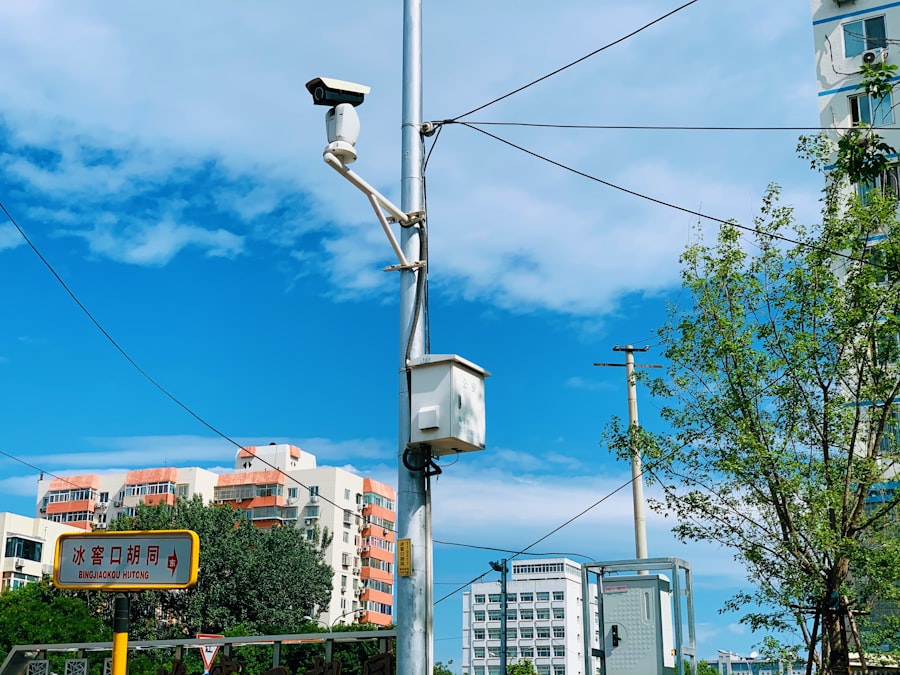
Advanced surveillance systems play a pivotal role in enhancing the security of cable corridors. These systems utilize cutting-edge technology to monitor activities in real-time, providing a proactive approach to threat detection and response. By employing high-definition cameras, motion sensors, and analytics software, organizations can gain valuable insights into potential security breaches before they escalate into serious incidents.
This proactive monitoring not only deters potential intruders but also enables rapid response to any suspicious activities. Furthermore, advanced surveillance systems can be integrated with other security measures to create a comprehensive security framework. For instance, when combined with access control systems and alarm notifications, surveillance technology can provide a multi-layered defense strategy that enhances overall security.
This integration ensures that all aspects of security are working in tandem, allowing for a more efficient and effective response to threats.
Key Features of Advanced Surveillance Systems for Cable Corridors
When considering advanced surveillance systems for cable corridors, several key features stand out as essential for effective monitoring and protection. High-resolution cameras are crucial for capturing clear images and details, enabling security personnel to identify potential threats accurately. Additionally, night vision capabilities allow for 24/7 monitoring, ensuring that even in low-light conditions, the integrity of the cable corridors remains intact.
Another important feature is the use of artificial intelligence (AI) and machine learning algorithms. These technologies can analyze video feeds in real-time, identifying unusual patterns or behaviors that may indicate a security threat. By automating the monitoring process, AI-driven systems reduce the burden on human operators while increasing the likelihood of timely intervention.
Furthermore, cloud storage solutions enable secure data management and easy access to recorded footage for future analysis or investigations.
Integrating Advanced Surveillance Systems with Existing Security Measures
| Metric | Description | Typical Value | Unit |
|---|---|---|---|
| Surveillance Coverage Length | Total length of cable corridor monitored by the system | 50-200 | km |
| Detection Accuracy | Percentage of intrusion or fault events correctly detected | 95-99 | % |
| Response Time | Time taken to alert operators after event detection | 5-30 | seconds |
| Camera Resolution | Resolution of surveillance cameras used in the system | 1080p – 4K | pixels |
| Power Consumption | Average power usage of the surveillance system | 500-1500 | Watts |
| Data Storage Capacity | Amount of video and sensor data stored locally or on cloud | 10-100 | TB |
| System Uptime | Percentage of time the system is operational without failure | 99.5-99.9 | % |
| Environmental Operating Range | Temperature range in which the system operates reliably | -40 to 60 | °C |
Integrating advanced surveillance systems with existing security measures is vital for creating a cohesive security strategy for cable corridors. Organizations must assess their current security infrastructure and identify areas where surveillance technology can enhance overall effectiveness. For instance, integrating surveillance cameras with alarm systems can provide immediate alerts when unauthorized access is detected, allowing for swift action.
Moreover, collaboration between different security teams is essential for successful integration. Security personnel must be trained to understand how to utilize surveillance data effectively alongside other security measures. This collaboration fosters a culture of vigilance and ensures that all team members are aligned in their approach to securing cable corridors.
Best Practices for Implementing Advanced Surveillance Systems in Cable Corridors
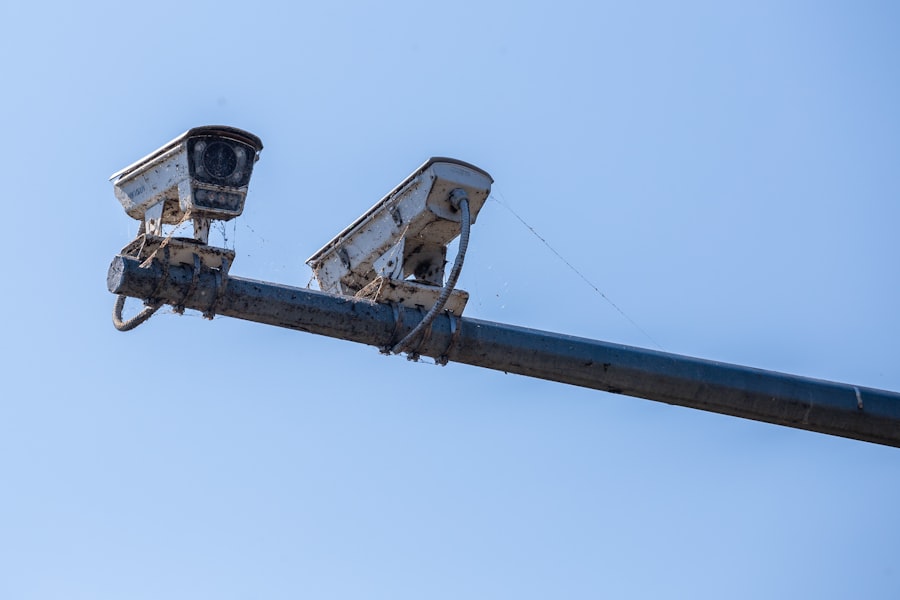
Implementing advanced surveillance systems in cable corridors requires careful planning and execution to ensure optimal effectiveness. One best practice is conducting a thorough risk assessment before installation. This assessment should identify potential vulnerabilities specific to the corridor’s location and infrastructure, allowing for tailored solutions that address unique challenges.
Additionally, organizations should prioritize scalability when selecting surveillance systems. As technology evolves and threats change, it is crucial that the surveillance infrastructure can adapt accordingly. Investing in modular systems that allow for easy upgrades or expansions will ensure long-term viability and effectiveness.
Regular reviews of system performance and updates based on emerging threats will further enhance security measures over time.
Training and Education for Personnel Managing Advanced Surveillance Systems
The effectiveness of advanced surveillance systems hinges on the competency of personnel managing them. Therefore, training and education are paramount in ensuring that staff members are well-equipped to operate these systems effectively. Comprehensive training programs should cover not only technical aspects but also situational awareness and emergency response protocols.
Moreover, ongoing education is essential as technology continues to evolve rapidly. Regular workshops or refresher courses can help personnel stay updated on the latest advancements in surveillance technology and best practices for threat detection and response. By fostering a culture of continuous learning, organizations can enhance their overall security posture and ensure that personnel are prepared to handle any challenges that may arise.
Monitoring and Maintenance of Advanced Surveillance Systems for Cable Corridors
Monitoring and maintenance are critical components of ensuring the long-term effectiveness of advanced surveillance systems in cable corridors. Regular inspections should be conducted to assess the functionality of cameras, sensors, and other equipment. This proactive approach helps identify any issues before they escalate into significant problems that could compromise security.
Additionally, organizations should establish a routine maintenance schedule that includes software updates and hardware checks. Keeping systems up-to-date not only enhances performance but also addresses potential vulnerabilities that may arise from outdated technology. By prioritizing monitoring and maintenance, organizations can ensure that their surveillance systems remain reliable and effective over time.
Addressing Privacy Concerns with Advanced Surveillance Systems
While advanced surveillance systems offer significant benefits in securing cable corridors, they also raise important privacy concerns that must be addressed proactively. Stakeholders must balance the need for security with individuals’ rights to privacy by implementing transparent policies regarding data collection and usage. Clear communication about how surveillance data will be used can help alleviate public concerns.
Moreover, organizations should consider employing privacy-enhancing technologies that minimize data collection while still achieving security objectives. For instance, anonymizing video footage or limiting access to sensitive data can help protect individuals’ privacy while maintaining effective monitoring capabilities. By addressing privacy concerns thoughtfully, organizations can foster trust within the communities they serve while ensuring robust security measures are in place.
Case Studies of Successful Implementation of Advanced Surveillance Systems in Cable Corridors
Examining case studies of successful implementation provides valuable insights into best practices for securing cable corridors with advanced surveillance systems. One notable example is a major telecommunications company that integrated AI-driven surveillance technology into its cable corridor management strategy. By utilizing real-time analytics to monitor activities along its extensive network of cables, the company significantly reduced incidents of vandalism and unauthorized access.
Another case study involves a government agency responsible for critical infrastructure protection. By implementing an integrated surveillance system that combined video monitoring with access control measures, the agency was able to enhance its situational awareness significantly. This comprehensive approach allowed for quicker responses to potential threats while ensuring compliance with regulatory requirements regarding infrastructure security.
Looking to the Future: Innovations in Securing Cable Corridors with Advanced Surveillance Systems
As technology continues to advance at an unprecedented pace, the future of securing cable corridors with advanced surveillance systems looks promising. Innovations such as drone surveillance are emerging as effective tools for monitoring vast areas quickly and efficiently. Drones equipped with high-resolution cameras can cover large distances while providing real-time data on potential threats or vulnerabilities.
Additionally, developments in machine learning algorithms will further enhance threat detection capabilities within surveillance systems. As these algorithms become more sophisticated, they will be able to identify patterns indicative of potential risks more accurately than ever before. The integration of these innovations will not only improve security measures but also pave the way for more resilient cable corridor infrastructures capable of adapting to evolving threats in an increasingly complex landscape.
In conclusion, securing cable corridors is an essential aspect of maintaining modern communication infrastructure’s integrity and reliability. By understanding vulnerabilities, leveraging advanced surveillance systems, integrating existing measures, training personnel effectively, addressing privacy concerns, and embracing future innovations, organizations can create robust security frameworks that protect these critical assets from both physical and cyber threats.
The implementation of a cable corridor surveillance system is crucial for enhancing security and monitoring in various environments. For a deeper understanding of the technologies and methodologies involved in such systems, you can refer to a related article on this topic at XFile Findings. This resource provides valuable insights into the latest advancements in surveillance technology and its applications in cable management and security.
WATCH THIS! 🤯 THEY FOUND IT: NAVY EXPERT EXPOSES PUERTO RICO TRENCH SECRET 🤫
FAQs
What is a cable corridor surveillance system?
A cable corridor surveillance system is a security setup designed to monitor and protect cable corridors, which are pathways or routes where cables such as power lines, communication lines, or fiber optics are installed. The system typically includes cameras, sensors, and monitoring software to detect unauthorized access, damage, or other security threats.
Why is surveillance important in cable corridors?
Surveillance in cable corridors is important to prevent theft, vandalism, and accidental damage to critical infrastructure. It helps ensure the continuous operation of essential services like electricity and telecommunications by providing real-time monitoring and quick response to incidents.
What components make up a cable corridor surveillance system?
A typical cable corridor surveillance system includes video cameras (often with night vision or thermal imaging), motion detectors, alarm systems, communication devices, and a central monitoring station. Some systems also incorporate drones or automated patrol robots for extended coverage.
How does a cable corridor surveillance system detect threats?
The system uses motion sensors, video analytics, and sometimes infrared or thermal imaging to detect unusual activity or unauthorized personnel. Alerts are sent to security personnel or automated systems for immediate action.
Can cable corridor surveillance systems operate in remote or harsh environments?
Yes, many cable corridor surveillance systems are designed to function in remote, rugged, or harsh environments. They often include weatherproof equipment, solar power options, and wireless communication technologies to maintain operation without constant human presence.
Are cable corridor surveillance systems integrated with other security measures?
Yes, these systems are often integrated with access control, intrusion detection, and emergency response systems to provide comprehensive security coverage for cable infrastructure.
What industries commonly use cable corridor surveillance systems?
Industries such as utilities (electricity, gas, water), telecommunications, transportation, and oil and gas frequently use cable corridor surveillance systems to protect their critical infrastructure.
How is data from cable corridor surveillance systems managed?
Data is typically transmitted to a central control room or cloud-based platform where it is stored, analyzed, and monitored. Advanced systems use AI and machine learning to identify patterns and reduce false alarms.
What are the benefits of implementing a cable corridor surveillance system?
Benefits include enhanced security, reduced downtime due to cable damage, faster incident response, improved safety for maintenance personnel, and overall protection of critical infrastructure assets.
Is it possible to customize a cable corridor surveillance system?
Yes, surveillance systems can be tailored to specific corridor lengths, environmental conditions, security requirements, and budget constraints to provide optimal protection.