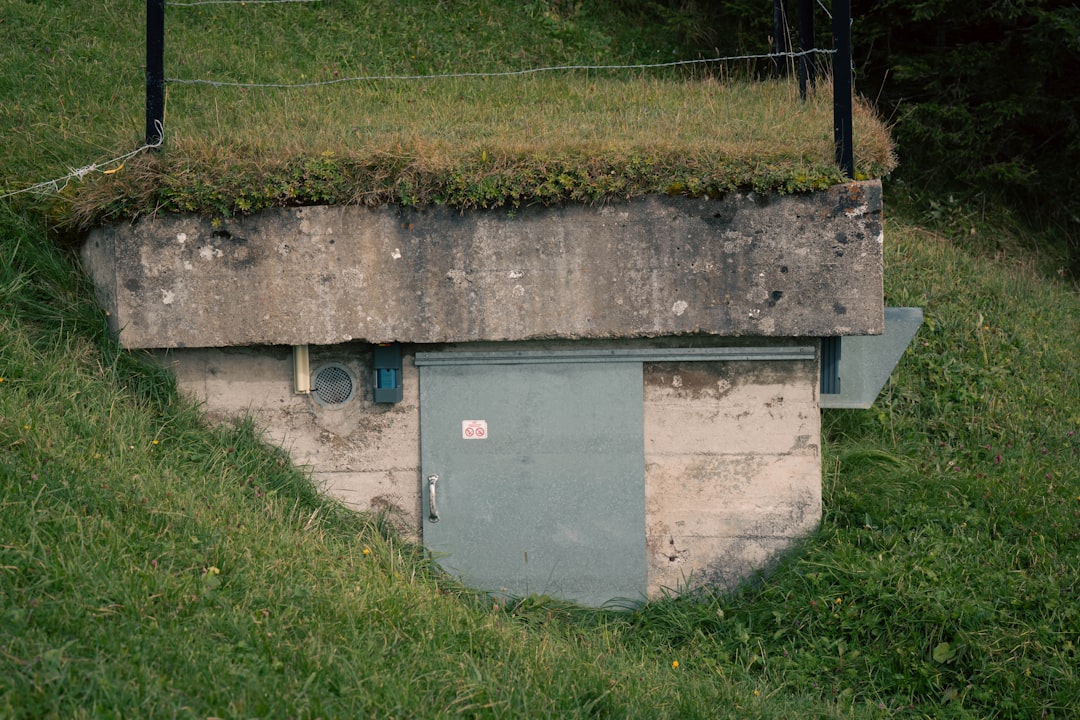
In today’s interconnected digital environment, secure access systems serve as fundamental components of organizational security infrastructure. Secure access encompasses authentication protocols, authorization mechanisms, and access control measures designed to restrict entry to physical locations and digital resources to verified personnel only. These systems are essential in environments containing sensitive data, valuable assets, or critical operational infrastructure.
Corporate environments rely on secure access controls to protect intellectual property, confidential client data, and proprietary business information from unauthorized access. Research indicates that inadequate access control measures contribute to significant security incidents, resulting in data breaches, financial losses averaging millions of dollars annually, and long-term reputational damage that can affect market position and customer trust. Effective secure access implementation extends beyond technical solutions to include comprehensive organizational security policies.
Employee compliance with access protocols requires understanding of security procedures and awareness of potential consequences associated with protocol violations. Organizations typically implement security awareness training programs, regular policy updates, and communication strategies to address evolving threat landscapes. Studies demonstrate that companies integrating secure access principles into their organizational culture experience reduced security incidents and improved overall threat mitigation against both internal vulnerabilities and external attack vectors.
Key Takeaways
- Secure access is critical for protecting sensitive areas and ensuring safety.
- Thorough risk assessment helps identify potential threats to bunker security.
- Advanced security measures, including biometric systems, enhance access control.
- Regular training and security audits are essential for maintaining effective protocols.
- Emergency exits and secure communication systems are vital components of bunker security.
Assessing Potential Threats and Risks
To establish effective secure access measures, organizations must first conduct a thorough assessment of potential threats and risks. This involves identifying vulnerabilities within the existing security framework and understanding the various types of threats that could exploit these weaknesses. For example, physical threats such as unauthorized entry by intruders can be mitigated through surveillance systems and physical barriers, while cyber threats may require advanced encryption and network security protocols.
Additionally, organizations should consider the likelihood and impact of different threat scenarios. A risk assessment matrix can be a valuable tool in this process, allowing security teams to prioritize risks based on their potential severity and probability of occurrence. For instance, a company may determine that insider threats pose a higher risk than external attacks due to the access privileges granted to employees.
By understanding these dynamics, organizations can allocate resources more effectively and implement targeted security measures that address their most pressing vulnerabilities.
Selecting the Right Location for the Bunker
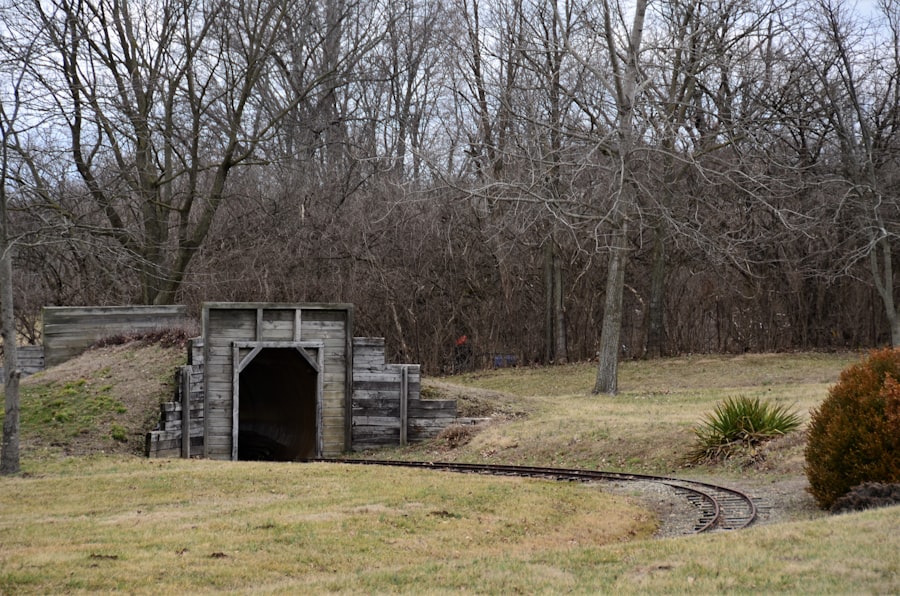
The selection of an appropriate location for a secure bunker is a critical component of any comprehensive security strategy. The site must be strategically chosen to minimize exposure to potential threats while maximizing accessibility for authorized personnel. Factors such as geographical location, proximity to critical infrastructure, and environmental considerations play a significant role in this decision-making process.
For instance, a bunker situated in a remote area may offer protection from urban crime but could pose challenges in terms of accessibility during emergencies. Furthermore, the physical characteristics of the chosen site are paramount. The bunker should be constructed with materials that provide adequate protection against various threats, including natural disasters and potential attacks.
Reinforced concrete walls, blast-resistant doors, and secure ventilation systems are essential features that enhance the bunker’s resilience. Additionally, the layout should facilitate efficient movement within the space while ensuring that sensitive areas are adequately secured from unauthorized access.
Evaluating Access Points and Entryways
Access points and entryways are critical components of any secure facility, as they represent the primary means through which individuals enter or exit the premises. A comprehensive evaluation of these points is essential to identify vulnerabilities that could be exploited by unauthorized individuals. This evaluation should encompass both physical barriers, such as doors and gates, as well as technological solutions like keycard systems or biometric scanners.
In assessing access points, organizations must consider factors such as visibility, control measures, and redundancy. For example, entryways that are obscured from view may present opportunities for unauthorized access without detection. Implementing surveillance cameras at these locations can enhance monitoring capabilities.
Additionally, organizations should consider establishing multiple layers of security at entry points, such as requiring identification verification before granting access to sensitive areas. This layered approach not only deters potential intruders but also provides a comprehensive audit trail for accountability.
Implementing Advanced Security Measures
| Selection Criteria | Description | Metric/Value | Importance Level |
|---|---|---|---|
| Security Clearance | Level of authorization required for access | Top Secret / Confidential | High |
| Physical Fitness | Ability to navigate underground terrain and stairs | Minimum fitness score: 75% | Medium |
| Access Frequency | Number of times personnel access bunker monthly | Max 10 entries/month | Low |
| Training Completion | Completion of safety and emergency protocols | 100% completion required | High |
| Psychological Evaluation | Mental stability and stress tolerance assessment | Pass with no restrictions | High |
| Identification Verification | Verification of identity via biometric or ID card | Biometric scan accuracy: 99.9% | High |
| Emergency Response Capability | Ability to respond to bunker emergencies | Response time under 2 minutes | High |
The implementation of advanced security measures is essential for maintaining secure access in today’s complex threat landscape. Organizations must leverage cutting-edge technologies to enhance their security posture effectively. For instance, integrating artificial intelligence (AI) into surveillance systems can significantly improve threat detection capabilities by analyzing patterns and identifying anomalies in real-time.
AI-driven analytics can help security personnel respond swiftly to potential breaches before they escalate. Moreover, organizations should consider adopting multi-factor authentication (MFA) systems for accessing sensitive information or areas. MFA requires users to provide multiple forms of verification before being granted access, significantly reducing the risk of unauthorized entry.
This could include a combination of passwords, biometric scans, or one-time codes sent to mobile devices. By implementing such advanced measures, organizations can create a more robust security framework that adapts to evolving threats while ensuring that legitimate users can access necessary resources without undue hindrance.
Considering Emergency Exit Options
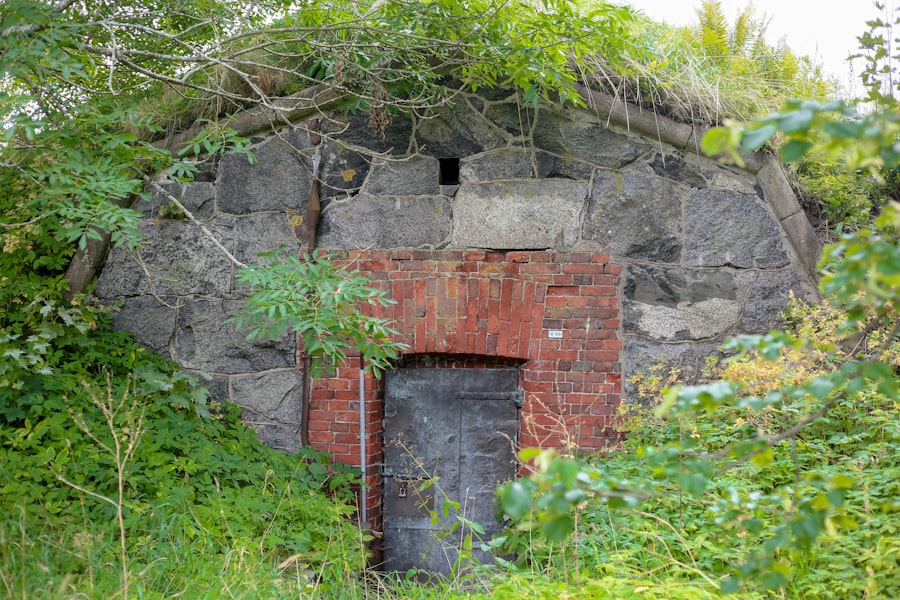
While securing access points is vital for preventing unauthorized entry, it is equally important to consider emergency exit options for authorized personnel. In the event of a security breach or other emergencies such as natural disasters, individuals must have clear and safe pathways for evacuation. This planning involves identifying multiple exit routes that are easily accessible and well-marked within the facility.
Emergency exits should be designed with user safety in mind, incorporating features such as panic bars on doors that allow for quick egress without needing a key or code. Additionally, regular drills should be conducted to familiarize personnel with evacuation procedures and ensure that they can navigate exit routes efficiently under stress. By prioritizing emergency exit options alongside secure access measures, organizations can enhance overall safety and preparedness in crisis situations.
Utilizing Biometric Access Control Systems
Biometric access control systems represent one of the most advanced methods for securing entry points within facilities. These systems utilize unique biological characteristics—such as fingerprints, facial recognition, or iris scans—to verify an individual’s identity before granting access. The inherent uniqueness of biometric data makes it significantly more difficult for unauthorized individuals to gain entry compared to traditional methods like passwords or keycards.
Implementing biometric systems not only enhances security but also streamlines the access process for authorized personnel. For example, employees can gain entry simply by scanning their fingerprints at designated access points, eliminating the need to carry physical keys or remember complex passwords. However, organizations must also consider privacy implications and ensure compliance with relevant regulations regarding biometric data collection and storage.
Securing Communication and Surveillance Systems
In addition to physical access controls, securing communication and surveillance systems is paramount for maintaining overall security integrity. These systems serve as the backbone of an organization’s security infrastructure, providing real-time monitoring and facilitating communication during emergencies. However, they are also potential targets for cyberattacks if not adequately protected.
Organizations should implement encryption protocols for all communication channels to safeguard sensitive information from interception by unauthorized parties. This includes securing emails, voice communications, and data transfers between devices. Furthermore, surveillance systems should be equipped with robust cybersecurity measures to prevent hacking attempts that could compromise video feeds or disable cameras altogether.
Regular software updates and vulnerability assessments are essential practices to ensure that these systems remain resilient against emerging threats.
Training Personnel for Access Control
The effectiveness of secure access measures hinges significantly on the training provided to personnel responsible for enforcing these protocols. Comprehensive training programs should cover various aspects of access control, including recognizing potential threats, understanding emergency procedures, and utilizing security technologies effectively. Employees must be equipped with the knowledge and skills necessary to identify suspicious behavior and respond appropriately.
Moreover, ongoing training sessions should be conducted regularly to keep personnel informed about new security technologies and evolving threat landscapes. Simulated scenarios can be particularly effective in reinforcing training concepts by allowing employees to practice their responses in controlled environments.
Conducting Regular Security Audits and Inspections
Regular security audits and inspections are critical components of an effective secure access strategy. These assessments allow organizations to evaluate the effectiveness of their existing security measures and identify areas for improvement. During an audit, security teams should review access logs, assess compliance with established protocols, and test the functionality of security systems such as alarms and surveillance cameras.
Additionally, audits should include physical inspections of access points to ensure that they remain secure and free from vulnerabilities such as tampering or wear over time. Engaging third-party security experts can provide an objective perspective on an organization’s security posture and uncover blind spots that internal teams may overlook. By committing to regular audits and inspections, organizations can proactively address potential weaknesses before they are exploited by malicious actors.
Maintaining Secure Access Protocols
Maintaining secure access protocols is an ongoing process that requires continuous attention and adaptation to changing circumstances. Organizations must regularly review their policies and procedures to ensure they remain relevant in light of new technologies and emerging threats. This includes updating access control lists to reflect changes in personnel roles or responsibilities and revising protocols based on lessons learned from past incidents.
Furthermore, fostering open communication channels among employees regarding security concerns is essential for maintaining vigilance within the organization. Encouraging staff members to report suspicious activities or potential vulnerabilities can create a proactive security culture where everyone plays a role in safeguarding assets and information. By prioritizing the maintenance of secure access protocols as part of an organization’s overall security strategy, companies can build resilience against evolving threats while ensuring that authorized personnel can operate effectively within secure environments.
For those interested in the selection process for underground bunker access, a related article can be found on XFile Findings, which delves into the criteria and considerations involved in determining who qualifies for such secure facilities. You can read more about it in their detailed overview here: XFile Findings.
FAQs
What is the selection process for underground bunker access?
The selection process for underground bunker access typically involves evaluating individuals based on criteria such as security clearance, role criticality, health status, and psychological stability. This ensures that only authorized and suitable personnel are granted entry.
Who is eligible to access an underground bunker?
Eligibility usually depends on the purpose of the bunker. For government or military bunkers, access is often limited to high-ranking officials, essential personnel, and individuals with specific security clearances. In private or commercial bunkers, access may be granted to owners, their families, and designated staff.
Are there health requirements for accessing an underground bunker?
Yes, many underground bunkers require occupants to meet certain health standards to ensure they can safely endure confined spaces and potential emergencies. This may include physical fitness assessments and medical evaluations.
Is psychological screening part of the selection process?
Psychological screening is commonly included to assess an individual’s ability to handle stress, isolation, and confined environments, which are typical conditions in underground bunkers.
How is security maintained during the selection process?
Security is maintained through background checks, verification of identity, and clearance levels. Access control systems and surveillance may also be used to monitor and restrict entry.
Can the selection criteria vary depending on the bunker type?
Yes, selection criteria can vary widely depending on whether the bunker is military, governmental, commercial, or private. Each type has different security needs and occupancy requirements.
Is training required before accessing an underground bunker?
Often, individuals selected for bunker access undergo training on safety protocols, emergency procedures, and equipment use to ensure preparedness during occupancy.
How often is the selection process reviewed or updated?
The selection process is typically reviewed periodically to adapt to changing security threats, technological advancements, and organizational needs. The frequency of review varies by organization.