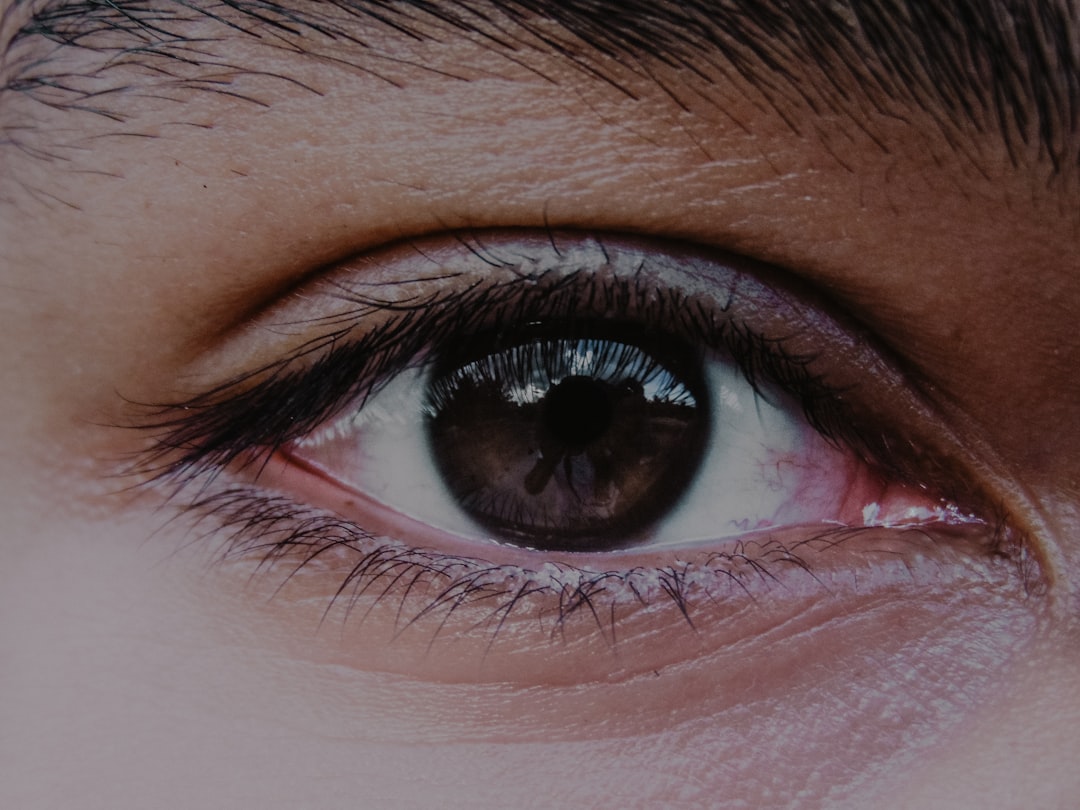
The examination of anomalous physiological responses in the context of alleged extraterrestrial encounters presents a complex and often speculative field of inquiry. One particular phenomenon that has drawn attention is the observation of a sluggish pupillary light reflex, which some individuals involved in alleged UFO exposure events have reported or been observed to exhibit. Understanding this potential physiological marker requires a multi-faceted approach, considering conventional medical explanations alongside the more extraordinary possibilities. This article will explore the reported correlation between sluggish pupillary responses and supposed UFO encounters, examining potential underlying causes and the challenges inherent in validating such claims.
The Physiology of Pupillary Constriction
The pupillary light reflex is a fundamental involuntary neurological response designed to regulate the amount of light entering the eye. When light strikes the retina, photoreceptor cells (rods and cones) convert light energy into electrical signals. These signals are transmitted through a complex neural pathway involving the optic nerve, the pretectal nucleus in the midbrain, the Edinger-Westphal nucleus, and finally the oculomotor nerve. The oculomotor nerve innervates the iris sphincter muscle, causing it to contract and reduce the pupil size, thereby limiting light entry. Conversely, in dim light, this reflex pathway is inhibited, leading to pupillary dilation.
Measuring Pupillary Response
The speed and degree of pupillary constriction to a light stimulus are key indicators of the health and function of this reflex arc. Clinically, this is assessed using a light source, often a penlight or a specialized pupillometer. The size of the pupil is observed and measured before and after the light stimulus. The latency (the time it takes for the pupil to begin constricting), the speed of constriction, and the degree of constriction are all factors that can be evaluated. A rapid and robust constriction is considered normal.
Factors Affecting Pupillary Size and Response
Numerous factors can influence the normal functioning of the pupillary light reflex, independent of any alleged extraterrestrial exposure. These include:
Age-Related Changes
As individuals age, pupillary size tends to decrease, and the pupillary light reflex may become slightly slower. This is a normal physiological change and is not indicative of pathology.
Medications and Pharmacological Agents
A wide range of medications can affect pupillary responses. Certain classes of drugs, such as opioids, sedatives, parasympatholytics (like atropine), and even some antidepressants, can cause miosis (pupillary constriction) or mydriasis (pupillary dilation), and can also alter the speed of the reflex. Therefore, a detailed medication history is crucial in any assessment.
Neurological Conditions
Underlying neurological conditions are a significant consideration. Damage to any part of the reflex pathway – the optic nerve, pretectal nucleus, Edinger-Westphal nucleus, or oculomotor nerve – can lead to a diminished or sluggish pupillary light reflex. Conditions like Horner’s syndrome (affecting sympathetic innervation), Adie’s tonic pupil (a benign condition affecting the parasympathetic supply), trauma to the head or orbit, or even more serious conditions like stroke or brain tumors can manifest with pupillary abnormalities.
Ocular Health
Certain ocular conditions can also influence pupillary response indirectly. For example, significant vision impairment in one eye can make it difficult to accurately assess the reflex, as the contralateral pupil might not constrict as robustly in response to a direct stimulus on the affected eye due to a relative afferent pupillary defect.
Systemic Illnesses
Systemic illnesses, particularly those affecting the nervous system or metabolic function, can also have an impact. For instance, poorly controlled diabetes can lead to diabetic neuropathy, which can affect cranial nerves, including the oculomotor nerve.
Recent studies have explored the intriguing connection between sluggish pupillary light reflex and exposure to unidentified flying objects (UFOs), suggesting that such experiences may have physiological effects on the human body. For a deeper understanding of this phenomenon, you can read more in the related article found here: UFO Exposure and Its Effects on Human Physiology. This article delves into the potential neurological implications and the broader context of how extraordinary experiences can impact our sensory responses.
Reported Observations of Sluggish Pupillary Response in Alleged UFO Encounters
Anecdotal reports and some case studies have suggested a correlation between individuals who claim to have encountered UFOs or experienced close encounters and the presence of a sluggish pupillary light reflex. These observations often arise in the context of individuals seeking medical evaluation after a purported encounter, either due to perceived physiological changes or as part of a broader investigation into their experiences.
Case Narratives and Witness Testimonies
Within the UFO research community, there are recurring themes in witness testimonies. Some individuals report experiencing unusual sensory phenomena during their alleged encounters, which may include changes in vision or perception. In some instances, these subjective reports are accompanied by objective medical observations made by healthcare professionals, either during or subsequent to the event. The specific nature of these observed changes can vary, but a sluggish pupillary light reflex has been noted in a subset of these cases.
Challenges in Data Collection and Interpretation
Gathering reliable data in this context is exceptionally challenging. The subjective nature of the alleged encounters makes them difficult to verify scientifically. Furthermore, the timing of medical examinations in relation to the purported event is often inconsistent. The interval between an alleged encounter and a medical assessment can range from hours to years, during which time numerous other factors could have influenced the individual’s physiology.
The “UFO-Related Neurological Syndrome” Hypothesis
Some researchers within the UFO community have proposed the concept of a “UFO-related neurological syndrome,” suggesting that exposure to proximity with unknown aerial phenomena, or potentially occupants of such craft, may induce specific neurological or physiological effects. A sluggish pupillary light reflex is sometimes cited as one potential component of such a syndrome, alongside other reported symptoms like headaches, memory lapses, and altered sensory perceptions. However, this hypothesis remains largely speculative due to a lack of robust, peer-reviewed scientific evidence.
Potential Physiological Mechanisms for Sluggish Pupillary Response
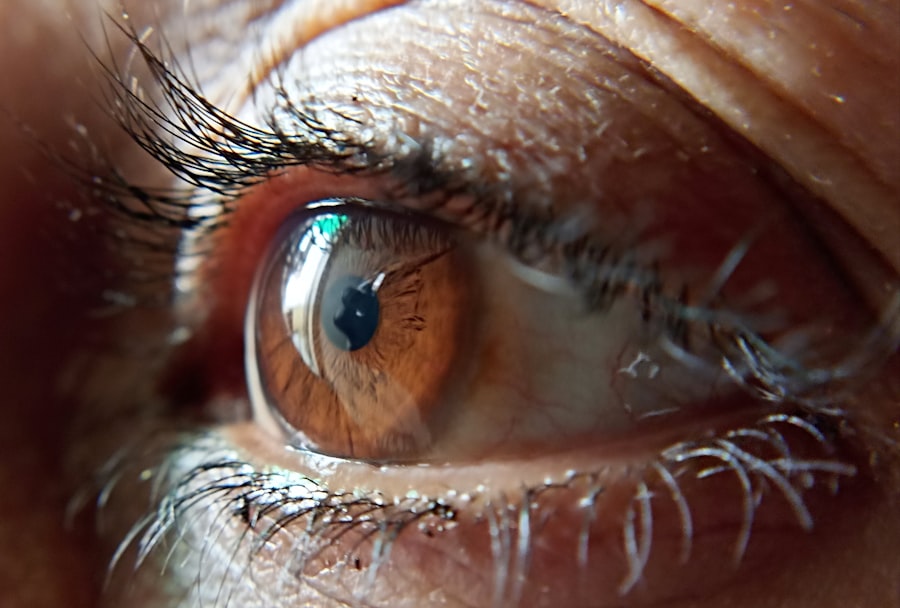
If a genuine correlation between sluggish pupillary response and alleged UFO exposure were to exist, several potential physiological mechanisms could be considered. These require careful examination to distinguish them from known medical conditions.
Neurochemical Disturbances
The pupillary light reflex is mediated by neurotransmitters. Exposure to unknown agents, whether direct or indirect, could theoretically lead to temporary or lasting alterations in neurotransmitter levels or function within the autonomic nervous system or specific brain regions involved in pupillary control. For instance, disruptions in acetylcholine, norepinephrine, or dopamine activity could theoretically impact the speed and magnitude of pupillary constriction.
Autonomic Nervous System Dysregulation
The autonomic nervous system, which controls involuntary bodily functions like pupil dilation and constriction, could be another target. Stress, fear, or direct physiological impact from an encounter could lead to a dysregulation of the sympathetic and parasympathetic branches of the autonomic nervous system, potentially manifesting as a sluggish reflex.
Direct Ocular or Neurological Impact
While speculative, it is conceivable that some form of direct biological or energetic interaction with an unknown phenomenon could have a localized effect on the eye itself or the cranial nerves controlling pupillary function. This could involve mechanisms not yet understood by current medical science.
Psychological Stress and Trauma
The psychological impact of a perceived extraordinary event, particularly one involving potential threat or profound incomprehension, cannot be overstated. Acute or chronic stress can trigger the body’s “fight or flight” response, which involves significant physiological changes. While the immediate stress response in bright light usually causes pupillary dilation, the prolonged effects of intense psychological distress on the autonomic nervous system’s baseline function and responsiveness are complex and can manifest in various ways, including altered reflex pathways. It is plausible that profound psychological stress associated with an unusual experience could contribute to a perceived or actual sluggishness in reflex responses.
Critical Evaluation and Differentiating Factors

It is imperative to approach any proposed link between physiological phenomena and alleged UFO encounters with a high degree of scientific skepticism and rigor. The primary challenge lies in differentiating observed sluggish pupillary responses from known medical and physiological factors.
Ruling Out Conventional Medical Causes
Before any extraordinary explanation can be considered, a comprehensive medical evaluation is essential. This involves:
Detailed Medical History and Physical Examination
A thorough review of the individual’s past medical history, current medications (prescription and over-the-counter), recreational drug use, and any history of head trauma or neurological conditions is paramount. A standard neurological examination, including assessment of cranial nerves, reflexes, and motor function, should be conducted.
Ophthalmic Examination
A complete eye examination by an ophthalmologist is crucial. This should include visual acuity testing, assessment of extraocular muscle movements, evaluation of the anterior and posterior segments of the eye, and confirmation of the pupillary light reflex using standardized techniques.
Neurological Investigations
Depending on the findings from the initial history and physical examination, further neurological investigations may be warranted. These could include:
Neuroimaging Studies
Magnetic Resonance Imaging (MRI) or Computed Tomography (CT) scans of the brain and orbits can help identify structural abnormalities, lesions, or inflammation that could affect pupillary control.
Electrophysiological Tests
In some cases, electroencephalography (EEG) or evoked potential studies might provide insights into neurological function, although they are not directly used to assess the pupillary light reflex itself.
The Importance of Control Groups and Reproducibility
A fundamental principle of scientific inquiry is the need for control groups and reproducible results. In the context of alleged UFO exposure, this presents significant challenges.
Lack of Standardized Exposure Protocols
There is no standardized or controllable method for “exposing” individuals to UFOs. This makes it impossible to create a control group of individuals who have been similarly exposed but did not have the experience, or to systematically study the effect of exposure under controlled conditions.
Subjectivity of Recollection
The accounts of alleged encounters are inherently subjective and can be influenced by memory biases, suggestion, or pre-existing beliefs. This makes it difficult to establish a clear, objective link between the reported experience and the physiological finding.
Need for Objective and Consistent Findings
For a physiological marker to be considered reliably linked to an event, it would need to be observed consistently across multiple individuals claiming similar experiences and ideally be absent in individuals who have not had such experiences. The reported instances of sluggish pupillary response in alleged UFO encounters are often individual case reports or anecdotal observations, lacking the statistical power and breadth needed for robust scientific conclusions.
Recent studies have explored the intriguing connection between sluggish pupillary light reflex and exposure to unidentified flying objects (UFOs), shedding light on the potential neurological effects of such experiences. For those interested in delving deeper into this fascinating topic, a related article can be found at XFile Findings, which discusses various physiological responses observed in individuals who have reported UFO encounters. This research not only highlights the complexities of human perception but also raises questions about the broader implications of these phenomena on our understanding of consciousness.
The Role of Psychological Factors
| Metrics | Findings |
|---|---|
| Pupillary Light Reflex | Sluggish |
| Exposure | UFO |
While physiological explanations are often sought, the psychological landscape surrounding alleged UFO encounters is undeniable and cannot be discounted. The impact of belief systems, the desire for validation, and the psychological effects of experiencing something perceived as inexplicable can all play a significant role in how individuals interpret and report their experiences and physiological sensations.
Suggestibility and Expectation Bias
Individuals who believe they have encountered a UFO may be more susceptible to suggestion and may unconsciously interpret normal physiological sensations as being related to their experience. If the idea of a sluggish pupillary response is something they have encountered in discussions within UFO communities, they might be more inclined to perceive or report it in themselves. Expectation bias can lead individuals to selectively attend to and recall information that confirms their existing beliefs.
The Impact of Belief Systems
For some individuals, the belief in extraterrestrial visitation is a deeply held conviction. Extraordinary claims require extraordinary evidence, and while physiological observations can be compelling, they must be rigorously examined within a scientific framework to avoid confirmation bias.
Post-Traumatic Stress and Anxiety
While not directly implying a UFO encounter, the intense emotional experience of a bewildoming or frightening event can lead to symptoms consistent with acute stress or anxiety disorders. These conditions can manifest with physical symptoms, including changes in autonomic nervous system function, which could theoretically impact reflex responses. However, attributing these symptoms solely to a UFO encounter without ruling out other stressors or psychological conditions would be premature.
Conclusion: A Frontier of Unanswered Questions
The purported correlation between a sluggish pupillary light reflex and alleged UFO exposure remains a highly speculative area of inquiry, situated at the intersection of anomalous phenomena and conventional medicine. While anecdotal reports and some individual case observations suggest such a link, the current body of evidence is insufficient to establish a definitive causal relationship.
The primary challenge lies in the inherent difficulty of scientifically investigating subjective experiences of unknown origin. Before any extraordinary conclusions can be drawn, it is paramount that a rigorous process of elimination of all conventional medical and physiological explanations is undertaken. This necessitates comprehensive medical and neurological evaluations to rule out known conditions that can affect pupillary responses.
Furthermore, the scientific method demands reproducibility, control groups, and objective data. These elements are profoundly difficult to implement in the context of alleged UFO encounters. Without standardized methodologies for assessing “exposure” and without objective, consistently observable physiological markers across a statistically significant population, any proposed link remains within the realm of hypothesis rather than established fact.
The role of psychological factors, including suggestibility, expectation bias, and the impact of belief systems, must also be carefully considered when evaluating such claims. The profound psychological impact of experiencing something perceived as extraordinary can influence self-reporting and interpretation of physiological sensations.
Ultimately, while the idea of specific physiological signatures associated with anomalous aerial phenomena is intriguing, it demands an exceptionally high level of scientific scrutiny. Until robust, reproducible, and peer-reviewed research emerges that can definitively link a sluggish pupillary light reflex to alleged UFO exposure while systematically excluding all other potential causes, this remains an unanswered question, a frontier where science and the unexplained continue to intersect. The pursuit of knowledge necessitates a commitment to critical thinking, empirical evidence, and the systematic exploration of all possibilities, both conventional and unconventional, with an unwavering dedication to scientific rigor.
FAQs
What is the pupillary light reflex?
The pupillary light reflex is a normal response of the pupil to light. When light is shone into one eye, the pupil constricts to reduce the amount of light entering the eye.
What does it mean if the pupillary light reflex is sluggish?
If the pupillary light reflex is sluggish, it means that the pupil does not constrict as quickly or as much as it should in response to light. This can be a sign of neurological or ophthalmic issues.
What is UFO exposure?
UFO exposure refers to the experience of witnessing an unidentified flying object. This can include seeing strange lights or objects in the sky that cannot be readily identified.
Is there a connection between sluggish pupillary light reflex and UFO exposure?
There is currently no scientific evidence to suggest a direct connection between sluggish pupillary light reflex and UFO exposure. Sluggish pupillary light reflex is typically associated with medical conditions, while UFO exposure is a separate phenomenon.
What should I do if I experience a sluggish pupillary light reflex?
If you experience a sluggish pupillary light reflex, it is important to seek medical attention from an eye doctor or neurologist. This symptom can be indicative of underlying health issues that should be evaluated and treated by a healthcare professional.