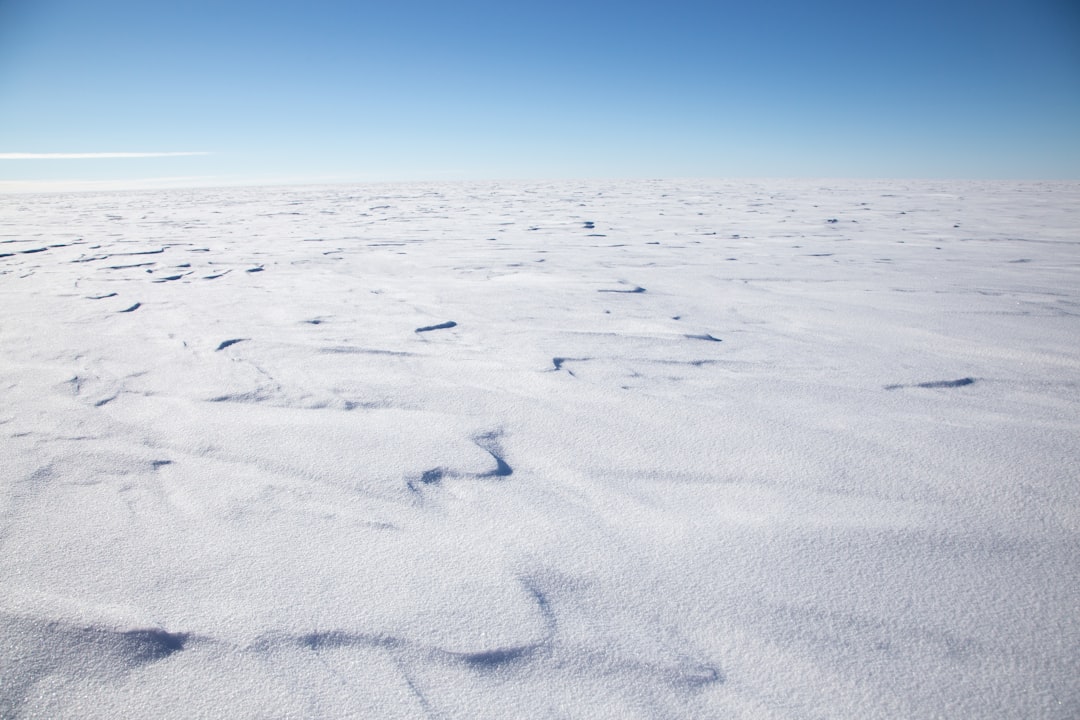
The Antarctica Conspiracy Theory encompasses various speculative claims about the southernmost continent, including assertions of hidden military installations, undiscovered ancient civilizations, and extraterrestrial presence. These theories have developed partly due to Antarctica’s extreme isolation and harsh environmental conditions, which limit direct observation by the general public and create opportunities for speculation. Antarctica’s remote nature has made it a subject of conspiracy theories suggesting coordinated concealment of information by governments and organizations.
These theories have gained significant visibility in the digital age, with social media platforms enabling rapid dissemination of unverified claims to global audiences. The popularity of these theories reflects both the inherent human fascination with unexplored territories and the challenge of distinguishing between factual information and misinformation. This phenomenon involves multiple factors, including historical misconceptions about Antarctica, deliberate disinformation efforts, and the influence of fictional portrayals in popular media that blur the line between fact and fantasy regarding the continent’s true nature.
Key Takeaways
- The Antarctica conspiracy involves false claims and theories about hidden secrets on the continent.
- Disinformation campaigns and some government actions have helped spread and sustain these myths.
- Scientific research and evidence clearly debunk the conspiracy theories about Antarctica.
- Popular culture and media often amplify misinformation, influencing public perception negatively.
- Promoting accurate information and education is essential to counteract myths and support genuine Antarctic exploration.
Historical Context: Theories and Claims Surrounding Antarctica
The historical context surrounding Antarctica is rich and complex, providing fertile ground for conspiracy theories to flourish. Since its discovery in the early 19th century, the continent has been shrouded in mystery. Early explorers faced treacherous conditions, leading to tales of lost expeditions and uncharted territories.
These narratives have often been romanticized, giving rise to speculation about what lies beneath the ice and snow. Some theorists claim that ancient civilizations once thrived in Antarctica before being buried under glaciers, while others suggest that advanced technology is hidden within its icy depths. Moreover, the geopolitical significance of Antarctica cannot be overlooked.
The Antarctic Treaty System, established in 1961, prohibits military activity and mineral mining while promoting scientific research. This treaty has led some to believe that governments are concealing their true intentions regarding the continent. Theories abound that secret military bases exist, where experiments on advanced technologies or even extraterrestrial life are conducted away from prying eyes.
Such claims often draw on historical events, such as Operation Highjump in 1946-1947, which involved a large-scale military expedition to Antarctica and has been cited as evidence of hidden agendas.
Disinformation Campaigns: How False Narratives Have Been Spread
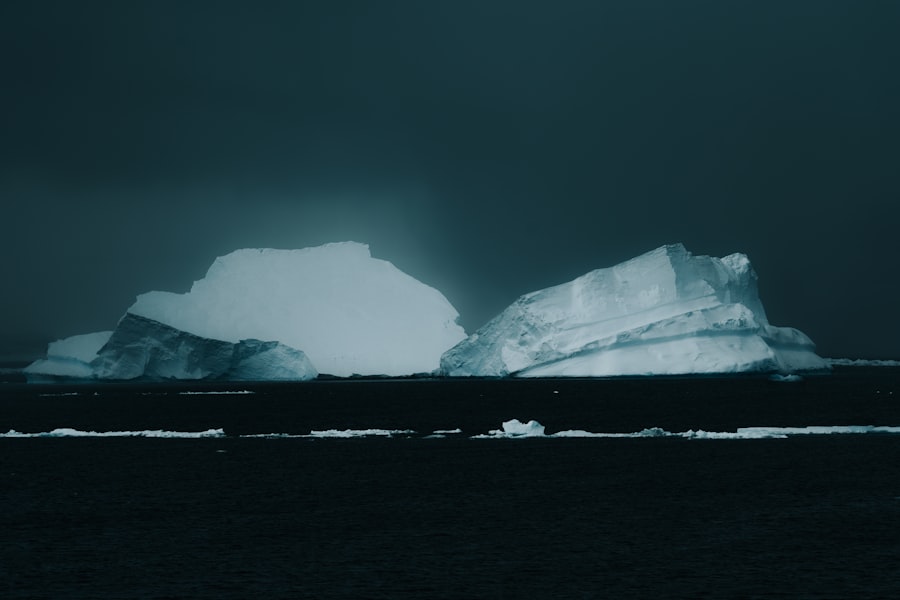
Disinformation campaigns have played a significant role in perpetuating the Antarctica Conspiracy. In an age where information can be disseminated rapidly through social media and online forums, false narratives can spread like wildfire. Conspiracy theorists often exploit this environment by presenting unverified claims as fact, using persuasive language and emotional appeals to draw in their audience.
The lack of rigorous fact-checking on many platforms allows these narratives to gain traction, often overshadowing credible sources of information. Additionally, the use of pseudoscience and cherry-picked data further complicates the landscape. Proponents of the conspiracy often cite obscure studies or misinterpret scientific findings to support their claims.
This manipulation of information creates an illusion of legitimacy, making it difficult for the average person to discern fact from fiction. As a result, disinformation campaigns not only mislead individuals but also contribute to a broader culture of skepticism towards established scientific consensus regarding Antarctica.
The Role of Governments and Organizations in Perpetuating the Conspiracy
Governments and organizations have inadvertently contributed to the perpetuation of the Antarctica Conspiracy through their actions and policies. The secrecy surrounding certain military operations and research initiatives can fuel speculation about hidden agendas. For instance, when governments conduct classified research or military exercises in remote areas, it raises questions about what they might be hiding from the public.
This lack of transparency can lead to distrust and suspicion among citizens, who may turn to conspiracy theories as an alternative explanation for perceived secrecy. Moreover, organizations involved in Antarctic research often face scrutiny from conspiracy theorists who question their motives. Some believe that scientific institutions are part of a larger conspiracy to suppress information about extraterrestrial life or advanced technologies discovered in Antarctica.
This perception is exacerbated by the limited access to certain areas of the continent due to environmental protections and logistical challenges. As a result, the very measures taken to preserve Antarctica’s unique ecosystem can be misinterpreted as evidence of a cover-up.
Scientific Evidence Debunking the Antarctica Conspiracy
| Metric | Description | Value/Statistic | Source/Notes |
|---|---|---|---|
| Number of Disinformation Articles | Count of online articles promoting Antarctica conspiracy theories | Approx. 150+ (as of 2024) | Media monitoring platforms |
| Common Themes | Recurring topics in Antarctica conspiracy theories | Secret bases, hidden civilizations, government cover-ups | Content analysis of conspiracy forums |
| Social Media Mentions | Number of mentions of Antarctica conspiracy on major platforms | Over 20,000 mentions in last year | Social media analytics tools |
| Engagement Rate | Average user engagement (likes, shares, comments) on conspiracy posts | 5-8% engagement rate | Social media analytics |
| Geographic Spread | Regions with highest interest in Antarctica conspiracies | USA, Russia, Brazil, India | Google Trends data |
| Fact-Checking Reports | Number of fact-check articles debunking Antarctica conspiracies | 30+ reports published | Fact-checking organizations |
| Impact on Public Perception | Percentage of surveyed individuals believing in Antarctica conspiracies | Estimated 7-10% | Public opinion surveys |
Scientific evidence plays a crucial role in debunking the various claims associated with the Antarctica Conspiracy. Researchers have conducted extensive studies on the continent’s geology, climate, and ecosystems, providing a wealth of information that contradicts many conspiracy theories. For instance, while some theorists assert that ancient civilizations once inhabited Antarctica, geological evidence indicates that the continent has been covered by ice for millions of years, making such claims implausible.
Furthermore, scientific expeditions have consistently demonstrated that Antarctica is a unique environment with its own set of challenges and opportunities for research. The discovery of new species and ecosystems in this remote region highlights its importance for understanding global climate change and biodiversity. By focusing on credible scientific research rather than sensational claims, individuals can gain a more accurate understanding of what Antarctica truly represents—a vital area for scientific inquiry rather than a hidden realm of secrets.
The Influence of Popular Culture and Media in Perpetuating Misinformation
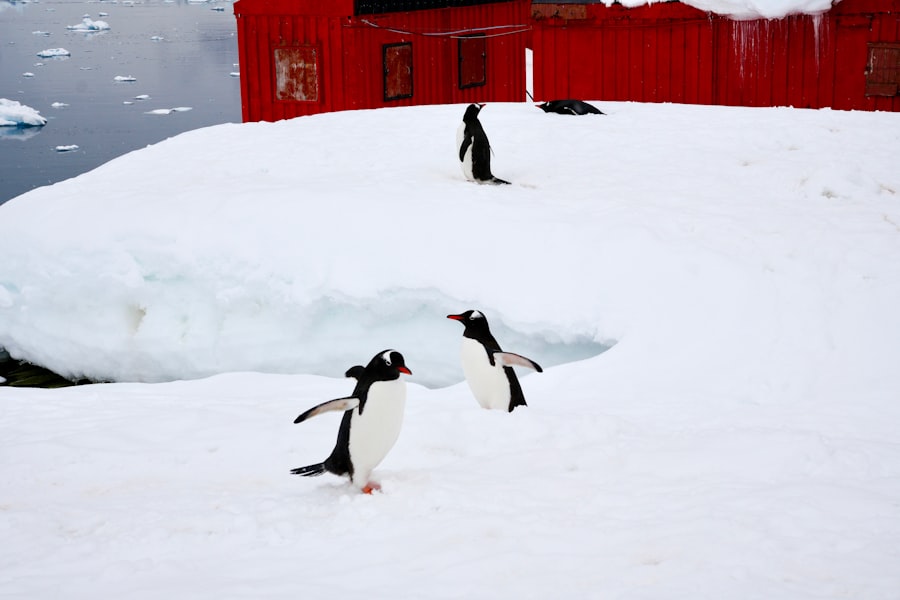
Popular culture and media have significantly influenced public perception of Antarctica and contributed to the spread of misinformation surrounding the continent. Films, television shows, and books often depict Antarctica as a mysterious land filled with hidden treasures or ancient secrets waiting to be uncovered. These portrayals can blur the line between fiction and reality, leading audiences to accept fantastical narratives as plausible.
Moreover, sensationalist media coverage can amplify conspiracy theories by presenting them as legitimate news stories without proper context or critical analysis. When mainstream outlets report on fringe theories without adequately debunking them, it lends an air of credibility to these claims. This phenomenon can create a feedback loop where misinformation is perpetuated through repeated exposure, making it increasingly difficult for individuals to discern fact from fiction.
The Impact of the Antarctica Conspiracy on Public Perception
The impact of the Antarctica Conspiracy on public perception is profound and multifaceted. As conspiracy theories gain traction, they can foster distrust in scientific institutions and government agencies responsible for Antarctic research and conservation efforts. This skepticism can lead individuals to dismiss credible scientific findings in favor of sensational claims that align with their beliefs or fears.
Furthermore, the proliferation of conspiracy theories can create divisions within society, as individuals become polarized in their views about Antarctica and its significance. Those who subscribe to conspiracy theories may form communities that reinforce their beliefs while isolating themselves from opposing viewpoints. This fragmentation can hinder constructive dialogue about important issues related to climate change, environmental protection, and international cooperation in Antarctic research.
Debunking Myths and Misconceptions About Antarctica
Debunking myths and misconceptions about Antarctica is essential for fostering a more accurate understanding of the continent’s realities. One prevalent myth is that Antarctica is entirely devoid of life; however, this is far from true. The continent is home to a diverse array of organisms adapted to its extreme conditions, including penguins, seals, and various microorganisms that thrive in its icy environment.
Another common misconception is that Antarctica is simply a barren wasteland with no scientific value. In reality, Antarctic research has yielded critical insights into climate change, glaciology, and marine biology. Studies conducted in this unique environment have implications for understanding global processes and addressing pressing environmental challenges.
By dispelling these myths, individuals can appreciate Antarctica’s significance beyond the realm of conspiracy theories.
The Realities of Antarctic Research and Exploration
The realities of Antarctic research and exploration are grounded in rigorous scientific inquiry and international collaboration. Researchers from around the world converge on the continent to study its unique ecosystems, climate patterns, and geological features. These efforts are often conducted under challenging conditions, requiring advanced technology and significant logistical planning.
Scientists study ice cores to gain insights into past climate conditions, while marine biologists investigate how changing ocean temperatures affect marine life. The collaborative nature of Antarctic research fosters cooperation among nations, highlighting the importance of shared knowledge in tackling complex global challenges.
Addressing the Motivations Behind the Disinformation Campaign
Understanding the motivations behind disinformation campaigns related to Antarctica is crucial for combating misinformation effectively.
Additionally, some may be driven by distrust in authority figures or institutions, leading them to seek alternative explanations for complex phenomena.
Furthermore, financial incentives can play a role in perpetuating disinformation campaigns. Some individuals or organizations may profit from promoting sensational claims through merchandise sales or online subscriptions. This commercialization of conspiracy theories can create an environment where misinformation thrives, making it essential for advocates of accurate information to counter these narratives with credible evidence.
Moving Forward: Promoting Accurate Information About Antarctica
Moving forward requires a concerted effort to promote accurate information about Antarctica while addressing the challenges posed by misinformation. Educational initiatives aimed at increasing public awareness about scientific research and environmental conservation can help dispel myths surrounding the continent. By fostering curiosity and critical thinking skills among individuals, society can cultivate a more informed citizenry capable of discerning fact from fiction.
Moreover, collaboration between scientists, educators, and communicators is essential for effectively conveying accurate information about Antarctica’s significance. Engaging storytelling that highlights real-life discoveries and advancements made through Antarctic research can capture public interest while countering sensational narratives. By prioritizing transparency and accessibility in communication efforts, stakeholders can work together to ensure that accurate information prevails over conspiracy theories surrounding this enigmatic continent.
In conclusion, while conspiracy theories surrounding Antarctica may captivate imaginations, it is imperative to ground discussions in factual evidence and scientific inquiry. By understanding the historical context, addressing disinformation campaigns, and promoting accurate information about Antarctic research, society can navigate the complexities surrounding this unique region with clarity and purpose.
In recent discussions surrounding the disinformation conspiracy theories related to Antarctica, one intriguing article delves into the various claims and narratives that have emerged over the years. For a deeper understanding of these theories and their implications, you can read more in this article on XFile Findings: XFile Findings. This resource provides a comprehensive overview of the myths and facts surrounding Antarctica, shedding light on the motivations behind such conspiracies.
FAQs
What is the Antarctica conspiracy theory?
The Antarctica conspiracy theory suggests that there are hidden secrets or forbidden knowledge about Antarctica that governments or organizations are deliberately concealing from the public. These theories often involve claims of secret bases, ancient civilizations, or extraterrestrial activity.
Is there any scientific evidence supporting Antarctica conspiracy theories?
No credible scientific evidence supports Antarctica conspiracy theories. Research and exploration conducted by international scientific communities have not revealed any hidden bases, ancient civilizations, or extraterrestrial presence on the continent.
Why do conspiracy theories about Antarctica exist?
Conspiracy theories about Antarctica often arise due to the continent’s remote location, extreme environment, and limited public access. The mystery surrounding its vast ice sheets and unexplored areas can fuel speculation and imaginative stories.
What is the role of international treaties in Antarctica?
The Antarctic Treaty System regulates international relations concerning Antarctica. It prohibits military activity, mineral mining, and nuclear testing, while promoting scientific research and protecting the continent’s ecosystem. This treaty helps maintain Antarctica as a zone of peace and science.
Are there any secret military bases in Antarctica?
There is no verified evidence of secret military bases in Antarctica. The Antarctic Treaty explicitly bans military activity on the continent, and all research stations are publicly known and operated by various countries for scientific purposes.
How do scientists conduct research in Antarctica?
Scientists conduct research in Antarctica through established research stations operated by different countries. They study climate, glaciology, biology, and astronomy, among other fields, often working in collaboration under the Antarctic Treaty framework.
Can the public visit Antarctica?
Yes, the public can visit Antarctica, primarily through organized tours and cruises. However, access is regulated to minimize environmental impact and ensure safety, and visitors must comply with strict guidelines set by international agreements.
How can one distinguish between factual information and disinformation about Antarctica?
To distinguish factual information from disinformation, rely on reputable sources such as scientific publications, official government or research institution websites, and verified news outlets. Be cautious of sensational claims lacking credible evidence or peer-reviewed support.