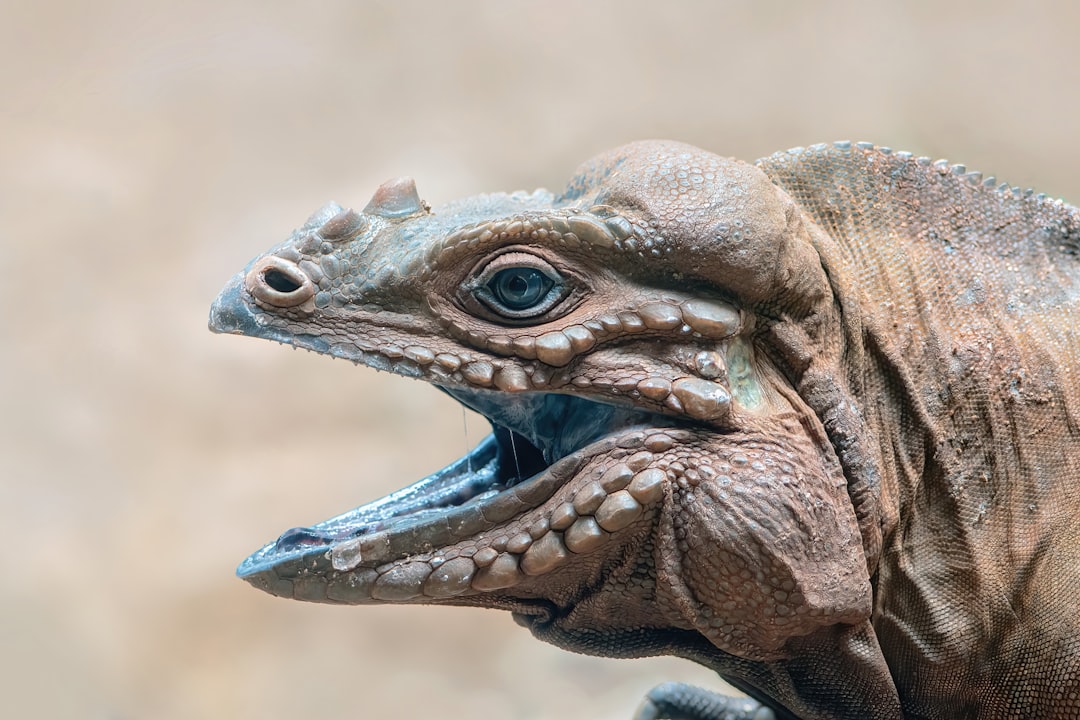
The Battle of Instincts: Reptilian R-Complex vs. Human Limbic System
The human brain, a marvel of biological evolution, is not a monolithic entity but rather a layered structure, each layer representing distinct evolutionary stages with their own unique functions and motivations. Among the most influential of these layers are the R-complex, often referred to as the reptilian brain, and the limbic system, the seat of emotions. The interplay and sometimes clashing directives between these two primal systems profoundly shape human behavior, from our most basic survival responses to complex social interactions. Understanding this internal conflict offers critical insight into why humans act as they do, often driven by forces that lie beneath conscious awareness.
The R-complex, also known as the brainstem and cerebellum, is the oldest part of the human brain, inherited from our reptilian ancestors. It is a master of the automatic and the essential, governing fundamental life processes and instinctual drives. Its primary concern is survival, ensuring the organism continues to exist and reproduce.
Survival Essentials: The R-Complex’s Core Directives
The R-complex is hardwired for immediate action in the face of perceived threats or opportunities. Its functions are largely unconscious, operating outside of rational thought.
The Fight-or-Flight Mechanism
At the heart of the R-complex’s survival programming is the fight-or-flight response. When the R-complex detects a threat, whether real or imagined, it triggers a cascade of physiological changes. Adrenaline and cortisol are released, increasing heart rate, blood pressure, and respiration. This prepares the body for either confronting the danger head-on or making a swift escape. This response is not a choice; it is an automatic, preemptive maneuver designed to maximize the chances of survival in a world where immediate danger was a constant companion. It bypasses higher brain functions, ensuring a rapid, albeit often blunt, reaction.
Territoriality and Dominance
The R-complex also drives instinctual behaviors related to territory and social hierarchy. For reptilian ancestors, establishing and defending territory was crucial for access to resources and mating opportunities. This translates into a fundamental human predisposition towards asserting ownership, defending personal space, and seeking dominance within social groups. These drives can manifest in subtle ways, such as office politics, or more overt forms, such as competition for resources or social status. The R-complex is not concerned with fairness or morality; it is concerned with securing advantage for the individual and its lineage.
Basic Needs and Reproduction
The R-complex is responsible for ensuring the satisfaction of fundamental biological needs. These include the drive for food, water, shelter, and reproduction. These are not abstract desires but deeply ingrained imperatives that motivate behavior from the most basic level of seeking sustenance to the complex drives associated with mating and procreation. The R-complex operates on a short-term, gratification-oriented principle, prioritizing immediate needs over long-term planning. This can lead to impulsive actions, as the drive for immediate satisfaction often overrides considerations of future consequences.
The ongoing debate about the differences between the reptilian r-complex brain and the human limbic system has garnered significant attention in recent years. A fascinating article that delves deeper into this topic can be found on XFile Findings, where it explores the evolutionary implications and behavioral outcomes associated with these distinct brain structures. For more insights, you can read the article here: XFile Findings.
The Rise of Emotion: The Limbic System’s Influence
Evolving atop the R-complex, the limbic system is a more complex structure that introduces the realm of emotions, social bonding, and memory. It is responsible for our feelings, our attachments, and a significant portion of our learned behaviors. While the R-complex is about raw survival, the limbic system adds a layer of subjective experience and social intelligence.
The Emotional Landscape: The Limbic System’s Functionality
The limbic system processes and generates a wide spectrum of emotions, influencing decision-making and social behavior. It is the source of our capacity for joy, fear, anger, sadness, and love.
Fear and Anxiety: The Amygdala’s Role
The amygdala, a key component of the limbic system, is central to processing fear and anxiety. It acts as an early warning system, detecting potential threats and triggering the emotional response associated with fear. This can create a generalized sense of unease or specific phobias. The amygdala’s activation can also trigger the R-complex’s fight-or-flight response, demonstrating the interconnectedness of these systems. However, the limbic system also allows for learning from fearful experiences, fostering avoidance behaviors that can be adaptive for long-term survival.
Pleasure and Reward: The Hypothalamus and Dopamine
The hypothalamus, another crucial limbic structure, plays a significant role in regulating basic drives such as hunger, thirst, and sexual activity. It also interacts with the brain’s reward system, which involves the release of neurotransmitters like dopamine. This system is activated by experiences that are perceived as rewarding, reinforcing behaviors that lead to pleasure and satisfaction. This can create a drive towards seeking out pleasurable activities, which, while often adaptive, can also lead to addictive behaviors when the reward system is overstimulated or dysregulated.
Social Bonding and Attachment: Oxytocin and the Hippocampus
The limbic system is fundamental to our capacity for social connection and attachment. Hormones like oxytocin, often referred to as the “bonding hormone,” facilitate feelings of trust, empathy, and affiliation. The hippocampus, also part of the limbic system, is vital for memory formation, including memories associated with social interactions and emotional experiences. This allows for the development of strong social bonds, which are crucial for cooperation, protection, and the raising of offspring. This capacity for deep connection distinguishes humans from their more solitary reptilian ancestors and is a cornerstone of human society.
The Internal Tug-of-War: Where Instincts Collide
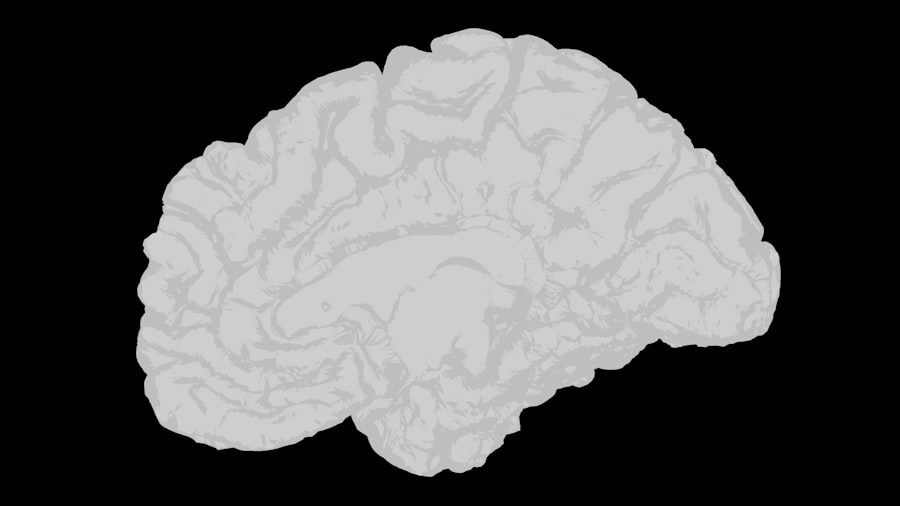
The human experience is often characterized by the inherent tension between the primal, instinctual drives of the R-complex and the more nuanced, emotionally driven responses of the limbic system. These ancient systems, evolved for different eras and environments, can sometimes function in opposition, leading to internal conflict and unpredictable behavior.
Immediate Gratification vs. Long-Term Planning
The R-complex prioritizes immediate needs and desires. It operates on a “now or never” principle. The limbic system, while capable of experiencing immediate emotions, also allows for the development of routines and the anticipation of future consequences, influenced by past experiences. This creates a constant struggle between the urge for instant gratification and the capacity for delayed gratification, a key differentiator in human success and well-being. For instance, the R-complex might urge immediate consumption of a high-sugar food for a quick energy boost, while the limbic system, informed by past experiences of discomfort or long-term health goals, might suggest restraint.
The Urge to Strike vs. The Hesitation of Fear
When faced with a perceived insult or challenge, the R-complex might trigger an aggressive, retaliatory impulse. This is the primal urge to defend its territory or dominance. However, the limbic system, processing the potential social consequences, the fear of retaliation, or the learned value of de-escalation, can introduce hesitation. This internal debate can manifest as an outburst of anger followed by regret, or a controlled response that averts conflict. The strength of either system’s influence can depend on individual wiring, past experiences, and the immediate context.
Survival Imperatives vs. Social Norms and Morality
The R-complex operates on a purely survivalistic code: protect yourself, secure resources, reproduce. It is amoral. The limbic system, intertwined with the prefrontal cortex, allows for the development of social empathy, learned rules, and moral reasoning. This means a person might experience a primal urge to hoard resources during a perceived scarcity, a directive from the R-complex, but their limbic system, informed by societal values and the fear of social ostracization, might temper that impulse. This tension is at the root of many ethical dilemmas and social challenges.
Navigating the Duality: Understanding and Managing Internal Conflict
Recognizing the existence of these competing internal forces is the first step toward understanding and potentially managing them. This is not about suppressing instinct but about developing a more integrated approach to decision-making.
The Role of Consciousness and Higher Brain Functions
While the R-complex and limbic system operate largely on instinct and emotion, the more recently evolved prefrontal cortex provides the capacity for conscious awareness, rational thought, and executive function. This area allows for analysis, planning, and the inhibition of impulsive behaviors. It acts as a moderator, able to observe the impulses from the R-complex and the emotional surges from the limbic system and make considered decisions.
Developing Self-Awareness
Cultivating self-awareness is crucial. By paying attention to one’s immediate reactions, emotional states, and the underlying urges, individuals can begin to identify when they are being driven primarily by the R-complex or the limbic system. This awareness allows for a pause, a moment to evaluate the situation rather than acting on pure instinct. Mindfulness practices can be particularly effective in developing this skill.
The Power of Learned Behavior and Cognitive Restructuring
Through experience and learning, individuals can reshape their responses. Cognitive restructuring involves identifying and challenging unhelpful thought patterns and emotional reactions that are driven by outdated or maladaptive instinctual programming. For example, if the R-complex consistently triggers a defensive reaction to perceived criticism, cognitive restructuring can help reframe criticism as feedback and a potential opportunity for growth, rather than an attack on one’s core being.
The ongoing debate about the reptilian r-complex brain and the human limbic system has sparked interest in understanding the evolutionary aspects of human behavior. A fascinating article that delves deeper into this topic can be found at XFile Findings, where it explores the implications of these brain structures on our emotional responses and social interactions. By examining the differences between these two systems, researchers aim to uncover how our primal instincts influence modern human behavior.
The Evolutionary Legacy: Acknowledging Our Primal Heritage
| Brain Area | Reptilian R-Complex | Human Limbic System |
|---|---|---|
| Evolutionary Age | Ancient, present in reptiles | Evolved in mammals, including humans |
| Function | Controls basic survival functions such as breathing, heart rate, and fight-or-flight response | Regulates emotions, memory, and social behavior |
| Size | Relatively small compared to other brain areas | Larger and more complex than the reptilian r-complex |
| Neurotransmitters | Primarily involved in instinctual behaviors and responses | Involved in processing emotions and forming memories |
| Connection to Behavior | Associated with instinctual and automatic behaviors | Linked to complex social and emotional behaviors |
The constant interplay between the R-complex and the limbic system is a testament to our evolutionary journey. These ancient structures continue to exert a significant influence on our behavior, shaping our perceptions, motivations, and decisions in profound ways.
Evolutionary Advantages of Layered Brain Development
This layered development, with the R-complex providing the foundation for survival and the limbic system adding emotional complexity and social capacity, has been an evolutionary advantage for humans. It allows for rapid responses when needed but also enables nuanced social interaction, cooperation, and the capacity for learning and adaptation. The ability to experience both immediate urges and complex emotions provides a richer, more adaptable life experience.
The Challenge of Modernity
In the context of modern society, these primal drives can sometimes create friction. The R-complex’s urge for immediate gratification clashes with long-term health or financial goals. The limbic system’s capacity for tribalistic thinking can lead to conflict and prejudice, while its sensitivity to perceived threats can fuel anxiety in a world that, statistically, is safer than it has ever been. Understanding this inherent duality is not about eliminating our instincts but about learning to navigate them with greater wisdom and intention, integrating our ancient heritage with our evolved capacity for reason and empathy. The ongoing battle, then, is not necessarily a losing one, but a continuous process of integration and conscious choice in a world shaped by millions of years of evolution.
FAQs
What is the reptilian r-complex brain?
The reptilian r-complex brain is the oldest part of the human brain, responsible for basic survival functions such as breathing, heart rate, and fight or flight responses. It is often associated with instinctual behaviors and primal urges.
What is the human limbic system?
The human limbic system is a more evolved part of the brain, responsible for emotions, memory, and learning. It plays a key role in social and bonding behaviors, as well as regulating emotional responses.
How do the reptilian r-complex brain and human limbic system differ?
The reptilian r-complex brain is focused on survival instincts and basic drives, while the human limbic system is involved in more complex emotional and cognitive processes. The limbic system allows for higher-level thinking and social interactions.
What are some examples of behaviors associated with the reptilian r-complex brain?
Behaviors associated with the reptilian r-complex brain include territoriality, aggression, dominance, and the instinctual response to danger. These behaviors are often automatic and not consciously controlled.
How do the reptilian r-complex brain and human limbic system interact in the brain?
The reptilian r-complex brain and human limbic system work together to regulate both basic survival functions and more complex emotional and cognitive processes. The limbic system can modulate and regulate the instinctual responses of the r-complex, allowing for more nuanced and adaptive behaviors.