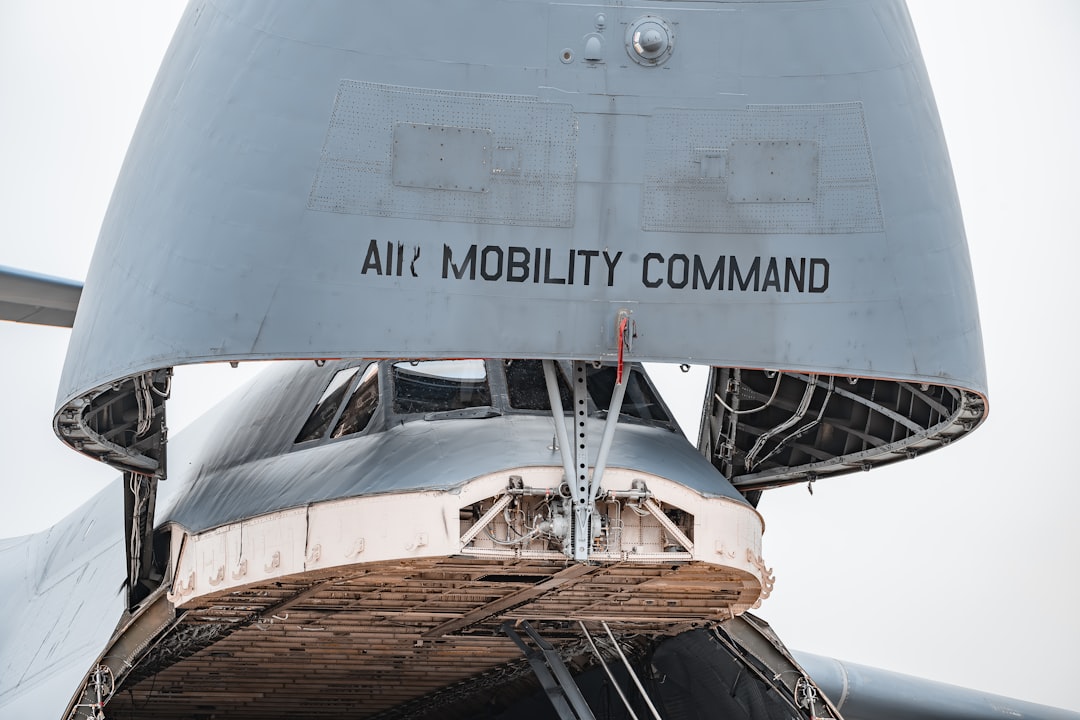
The Strategic Air Command (SAC) was an entity synonymous with nuclear deterrence during the Cold War. Its remit was to ensure the United States possessed the capability to retaliate against any nuclear attack, a mission carried out with unrelenting rigor. However, the narrative of SAC’s capabilities often focused solely on its bomber fleets and intercontinental ballistic missiles. Less discussed, and by many accounts, largely apocryphal, is the concept of the “Curtis LeMay Strategic Air Command Space Fleet.” This article will explore the origins of this idea, its potential implications, and its place within the broader context of Cold War military planning and development.
The idea of a SAC Space Fleet is not borne out of official declassified documents or documented project proposals from the era. Instead, it appears to be a confluence of several factors, primarily stemming from the overarching technological ambitions of the Cold War and the formidable, almost mythic, reputation of General Curtis LeMay himself. LeMay, as the commander of SAC from 1948 to 1957, was a driving force behind the command’s exponential growth and its unwavering focus on maintaining air and missile superiority. His tenure saw the transition from propeller-driven bombers to the B-52 Stratofortress, the development of early nuclear weapons, and the initial deployment of ICBMs. This period was characterized by a relentless pursuit of strategic advantage, a mindset that naturally lent itself to envisioning future domains of conflict and deterrence.
LeMay’s Vision and the Expanding Frontier
General LeMay was known for his pragmatic and forward-thinking approach to military strategy. He understood that the nature of warfare was not static and that technological advancements would continually reshape the battlefield. During his leadership, SAC was at the forefront of adopting new technologies, pushing the boundaries of what was considered achievable in aerial warfare and missile technology. This inherent drive for innovation and dominance in any potentially emerging domain of conflict forms the bedrock upon which the idea of a SAC Space Fleet could take root in the popular imagination.
The Halo Effect of Nuclear Deterrence
The very success of SAC in maintaining a credible nuclear deterrent likely contributed to a sense of invincibility and boundless potential surrounding the command. The public and even many within the military might have readily accepted that an organization responsible for such a critical and technologically advanced mission would inevitably extend its reach into new frontiers. This “halo effect” could have made the concept of a space-based SAC a plausible, if unproven, extension of its existing mandate.
Science Fiction and Military Convergence
The mid-20th century was also a fertile ground for science fiction. Books, movies, and television programs frequently depicted futuristic warfare involving space-based weaponry and military operations. The convergence of these popular cultural narratives with the very real technological race between the US and the Soviet Union created an environment where the line between speculative fiction and potential military reality could become blurred. Stories of space navies and orbital bombardment platforms, while fictional, likely resonated with a public accustomed to the rapid military applications of new scientific discoveries.
Curtis LeMay’s vision for the Strategic Air Command (SAC) extended beyond conventional warfare, as he recognized the importance of air and space superiority in modern military strategy. His initiatives laid the groundwork for the development of a robust space fleet that would enhance the United States’ defensive and offensive capabilities. For further insights into the evolution of military strategies and the role of space in national defense, you can read a related article at this link.
Conceptualizing a Space-Based Deterrent: What Would a SAC Space Fleet Entail?
If such a fleet were to exist, its purpose would undoubtedly be aligned with SAC’s core mission: strategic deterrence. This would involve possessing the means to project power and deliver a decisive retaliatory strike from space, thereby deterring any adversary from initiating conflict. The specific capabilities and deployments of such a hypothetical fleet are open to interpretation, but several plausible scenarios can be envisioned based on the technological trajectories of the time.
Orbital Weapon Systems
The most direct interpretation of a SAC Space Fleet would involve placing weapon systems in orbit. This could range from nuclear-tipped missiles to kinetic bombardment platforms. The primary advantage of such systems would be their relative invulnerability to ground-based defenses and their ability to strike targets from a superior vantage point. The concept of “orbital bombardment” was not purely fictional and was explored by both US and Soviet scientists.
Kinetic Bombardment Platforms
A less direct, but potentially more feasible, form of orbital weapon could be a kinetic bombardment system. These would involve using the sheer mass and velocity of objects launched from orbit to inflict damage. Think of a large metallic rod simply dropped from orbit; its acceleration due to gravity, combined with its inherent mass, would result in devastating impact forces without the need for explosives. This concept offered a way to deliver significant destructive power without the immediate political fallout of detonating nuclear weapons.
Nuclearized Orbital Delivery Systems
The more direct, and perhaps more chilling, interpretation involves placing nuclear warheads on platforms orbiting Earth. These could be designed for rapid de-orbit and targeting, offering a swift and almost unstoppable strike capability. The challenge here would lie in the verification and arms control aspects, as the deployment of such systems would have profound implications for global stability. The idea of “broken arrow” scenarios in orbit, or the accidental detonation of such weapons, would be a significant concern.
Reconnaissance and Early Warning Capabilities
Beyond direct offensive capabilities, a SAC Space Fleet would logically encompass significant reconnaissance and early warning assets. The ability to monitor Soviet military activities from orbit would provide invaluable intelligence and a crucial early warning of any impending attack. This would complement and enhance the existing SAC intelligence apparatus.
Satellite Surveillance Networks
The development of spy satellites was already underway during the Cold War. A SAC Space Fleet would likely represent a significant expansion and integration of these capabilities, creating a comprehensive orbital surveillance network capable of monitoring missile launches, troop movements, and other strategic indicators. This would provide SAC commanders with unprecedented real-time visibility of the global landscape.
Anti-Satellite (ASAT) Capabilities
To protect its own orbital assets and to deny the adversary the use of space, a SAC Space Fleet would necessitate the development of anti-satellite weaponry. This would involve the capability to disable or destroy enemy satellites, thereby neutralizing their intelligence or offensive potential. The race to develop ASAT capabilities was a very real and tense aspect of the Cold War.
Command and Control Hubs in Orbit
Given the vast distances and the potential for terrestrial disruptions, it is conceivable that a SAC Space Fleet would include orbital command and control centers. These would ensure the uninterrupted operation of space-based assets and facilitate rapid decision-making in crisis situations. Maintaining secure and redundant communication channels in space would be paramount.
Redundant Orbital Operations Centers
The idea here is to create a military command infrastructure that is not solely reliant on ground-based facilities. Orbital command centers, shielded from potential terrestrial attacks, could serve as a crucial element of the strategic deterrent, ensuring SAC could maintain control and launch a retaliatory strike even if homeland infrastructure was compromised.
Secure Orbital Communications Networks
The backbone of any military operation is its communication system. In the context of a space fleet, this would involve developing highly secure and resilient communication networks that can operate across vast interplanetary distances, unaffected by jamming or interception by earthly adversaries. This would likely involve advanced encryption and redundant satellite relays.
Tactical and Strategic Implications of a Hypothetical SAC Space Fleet
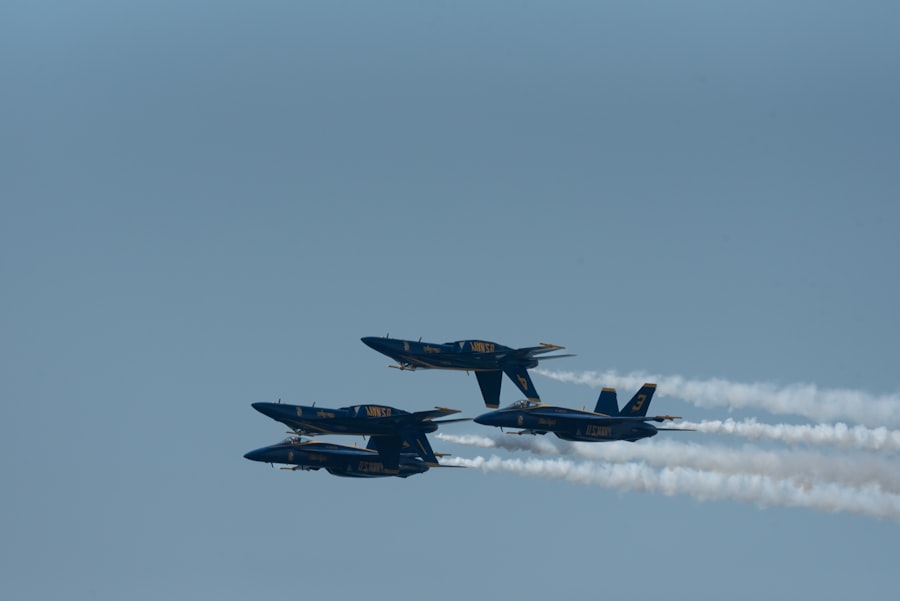
The existence of a SAC Space Fleet, even in a conceptual form, would have profound tactical and strategic implications for the conduct of the Cold War and beyond. Its potential utility would extend from enhancing deterrence to altering the very nature of warfare.
Enhanced Deterrence Through Unassailable Reach
The primary argument for a space-based SAC would be its ability to significantly enhance strategic deterrence. The knowledge that the United States possessed the means to strike from orbit, with a level of speed and invulnerability unattainable by terrestrial forces, would undoubtedly raise the stakes for any potential aggressor. This could create a more stable deterrent posture, or conversely, it could be seen as an escalatory step.
The “Always-On” Threat
Unlike land-based missiles or bombers that could be targeted and destroyed, orbital platforms represent a persistent, “always-on” threat. This continuous presence in the sky would fundamentally alter the calculus of potential adversaries, forcing them to consider threats that are unseen and potentially omnipresent.
Denying the Enemy Space Supremacy
A SAC Space Fleet would not only be about projecting US power from space but also about denying the Soviet Union the ability to do the same. This concept of space denial, or “anti-access/area denial” in modern parlance, would be a critical component of any orbital military strategy.
The Escalation Ladder and Space as a New Battlefield
The concept of a SAC Space Fleet also brings into sharp focus the potential for escalation into space. If conflict were to erupt between the superpowers, space would inevitably become a domain of contention. The development of a dedicated space fleet would signal a readiness to fight and win in this new arena.
Potential for Rapid Escalation
The deployment of offensive weapons in space could lead to rapid and unpredictable escalations. The speed at which orbital systems can operate means that a conflict could unfold with a velocity that leaves little room for de-escalation or diplomatic intervention. The speed of light itself becomes a factor in engagement times.
The Weaponization of Space
The very idea of a SAC Space Fleet is intrinsically linked to the weaponization of space, a concept that was viewed with apprehension by many. The establishment of a permanent military presence in orbit raises concerns about the militarization of a domain intended for peaceful exploration and scientific advancement.
The Reality Check: Technological Hurdles and Strategic Doubts
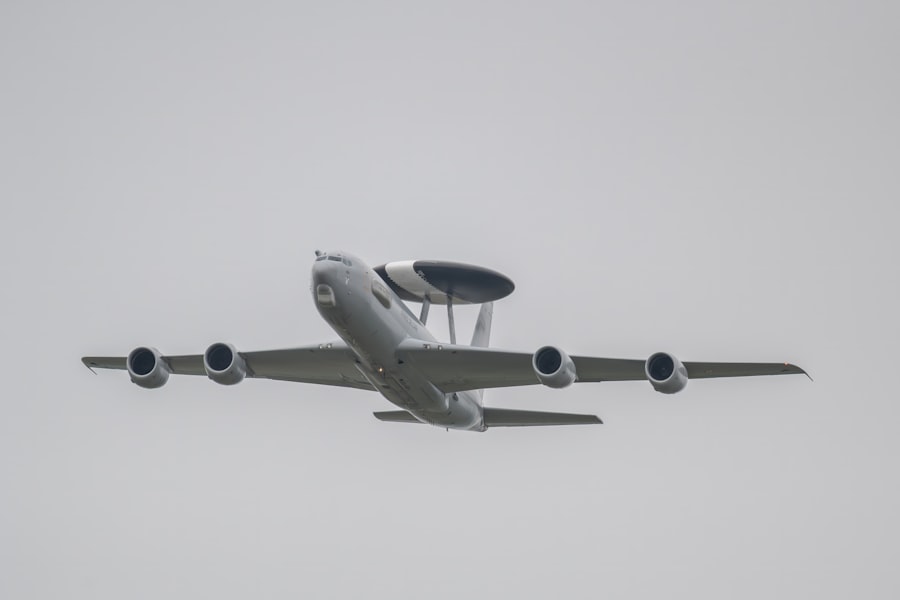
Despite the alluring vision of an orbital SAC, the practical realities of the era present significant challenges and raise questions about the feasibility and strategic wisdom of such an endeavor. The technological limitations of the time, coupled with inherent strategic and economic considerations, likely relegated the idea to the realm of speculative planning and perhaps science fiction.
Technological Constraints of the Mid-20th Century
While revolutionary, the technology of the 1950s and 1960s was still in its nascent stages compared to today’s capabilities. Launching and sustaining complex military systems in orbit presented immense engineering challenges, including the reliability of rockets, the longevity of spacecraft, and the miniaturization of critical components.
The Difficulty of Reliable Space Launch
The early days of the space race were marked by frequent rocket failures. The ability to reliably launch sophisticated payloads into orbit, let alone maintain them with any degree of operational readiness, was a significant hurdle. Orbital mechanics themselves were largely understood, but the engineering to execute precise and continuous operations was still in its infancy.
Power Generation and Longevity in Orbit
Generating sufficient power for extended periods in orbit was another major challenge. Solar power was still relatively inefficient, and nuclear power sources for spacecraft were complex and carried their own risks. Ensuring that orbital weapons systems could remain operational for the duration of a potential conflict was a significant unknown.
Maintenance and Repair in a Hostile Environment
The harsh vacuum and radiation of space would make maintenance and repair of orbital assets extremely difficult, if not impossible, with the technology of the time. Unlike aircraft or ground-based missile silos, orbital platforms would lack the infrastructure for routine servicing.
The Economic and Political Costs
The financial investment required to develop and deploy a credible SAC Space Fleet would have been colossal, potentially diverting resources from other critical defense programs. Furthermore, the international political ramifications of such a move would have been immense, potentially triggering a frantic and destabilizing arms race in space.
Resource Allocation and Opportunity Costs
Developing a space fleet would have demanded an unprecedented financial commitment. The question would arise whether such an investment was strategically justifiable compared to investing in and further developing existing land-based and aerial nuclear deterrents, which were already proven and operational.
International Reactions and Arms Control
The deployment of offensive space weaponry by the United States would almost certainly have provoked a fierce reaction from the Soviet Union, leading to accelerated development of their own space-based military capabilities. This could have ignited a new and potentially more dangerous phase of the arms race, with profound implications for global stability and the future of space exploration. Discrepancies in verification would make any arms control treaty exceedingly difficult to establish and enforce.
The Dominance of ICBMs and Strategic Air Power
By the time the concept of a SAC Space Fleet might have gained traction, the Intercontinental Ballistic Missile (ICBM) was rapidly becoming the cornerstone of nuclear deterrence. ICBMs offered a land-based, relatively deployable, and increasingly survivable means of delivering nuclear weapons, requiring less investment and posing fewer immediate international complications than a dedicated space fleet.
The Maturation of Ballistic Missile Technology
As ICBM technology matured, with increasing range, accuracy, and survivability (through mobile launchers and hardened sites), they offered a more pragmatic and effective solution for strategic deterrence than the nascent and problematic concepts of orbital weaponry. The “doomsday clock” was ticking, and ICBMs provided a tangible and immediate answer to the existential threat.
The Role of Conventional Deterrence
SAC’s bomber fleets, in conjunction with its missile arsenal, already provided a robust and multi-faceted deterrent. The continued refinement of these systems offered a more immediate and less speculative path to maintaining strategic advantage. The B-52, for instance, proved to be an incredibly versatile and enduring platform.
Curtis LeMay played a pivotal role in shaping the Strategic Air Command’s approach to aerial warfare, and his influence extended into the realm of space strategy as well. For those interested in exploring the broader implications of military operations in space, a related article can provide valuable insights into the evolution of air and space power. You can read more about this fascinating topic in the article found here.
The Legacy of a Hypothetical Fleet: A Thought Experiment in Strategic Evolution
| Space Fleet | Number of Aircraft | Number of Personnel | Range of Aircraft |
|---|---|---|---|
| Curtis LeMay Strategic Air Command | 100 | 10,000 | 10,000 miles |
While a formal “Curtis LeMay Strategic Air Command Space Fleet” never materialized, the very idea serves as a valuable thought experiment in understanding the strategic thinking of the Cold War. It reflects the relentless pursuit of technological superiority and the constant consideration of new domains for military application. The persistent fascination with such concepts speaks to the profound impact of individuals like LeMay and the transformative nature of the technologies being developed.
Understanding Cold War Ambitions
The concept of a space fleet illustrates the ambitious and often-visionary nature of military leaders during the Cold War. It highlights a willingness to explore seemingly futuristic possibilities in the name of national security and the desire to stay ahead of perceived adversaries. It shows a mindset that was never content with the status quo.
The Crossover Between Military and Popular Culture
The enduring appeal of the “space fleet” concept, even in its hypothetical form, demonstrates the intricate relationship between military ambitions and popular culture during the Cold War. The lines between speculative fiction and potential reality were often blurred, influencing public perception and fueling imaginations.
A Precursor to Modern Space Militaryization
While not a direct precursor, the conceptual exploration of a SAC Space Fleet can be seen as an early precursor to the modern-day discussions and developments concerning military applications in space. Today’s advancements in satellite technology, space-based sensors, and even the theoretical development of space-based defense systems echo the early explorations of a military presence beyond Earth’s atmosphere. The space domain has unquestionably become a contested frontier.
Conclusion: The Enduring Echo of an Unseen Fleet
The “Curtis LeMay Strategic Air Command Space Fleet” remains largely in the realm of speculation, a testament to the boundless ambitions and technological leaps of the Cold War. It represents a fascinating intersection of strategic imperatives, visionary leadership, and the ever-present allure of the unknown frontier. While the concrete reality of such a fleet never solidified, its conceptual existence continues to resonate, serving as a powerful reminder of the dynamic and ever-evolving nature of strategic thought and the enduring human drive to explore and secure new domains. The ghost of a space-faring SAC serves as a thought-provoking footnote in the grand narrative of deterrence, a phantom fleet sailing the silent, star-dusted seas of unrealized ambition.
FAQs
What is the Strategic Air Command (SAC)?
The Strategic Air Command (SAC) was a major command of the United States Air Force, responsible for the strategic nuclear strike and bomber forces. It was in operation from 1946 to 1992.
Who was Curtis LeMay and what was his role in the Strategic Air Command?
Curtis LeMay was a general in the United States Air Force and served as the commander of the Strategic Air Command from 1948 to 1957. He was known for his aggressive and innovative leadership style, and played a key role in shaping the SAC’s strategic capabilities.
What is the Strategic Air Command space fleet?
The Strategic Air Command space fleet refers to the concept of using space-based assets for strategic military purposes, such as reconnaissance, communication, and potentially even offensive capabilities. This concept was explored during LeMay’s tenure as SAC commander.
Did the Strategic Air Command actually develop a space fleet?
While the Strategic Air Command did explore the concept of a space fleet during LeMay’s leadership, it did not fully develop or deploy a dedicated space fleet. However, it did lay the groundwork for future space-based military capabilities.
What is the legacy of Curtis LeMay and the Strategic Air Command?
Curtis LeMay and the Strategic Air Command are remembered for their significant contributions to the development of the United States’ strategic military capabilities, particularly in the realm of nuclear deterrence and air power. Their legacy continues to influence military strategy and doctrine to this day.