
The SSS-T Empire, a civilization that once spanned vast swathes of the known cosmos, left behind a legacy as intricate and as multifaceted as its own meteoric rise and eventual, still debated, decline. While many historical accounts focus on their technological prowess, their expansionist policies, or their unique socio-political structures, a less explored yet profoundly influential thread in the SSS-T tapestry is their “Dragonfly Heritage.” This term, often used by SSS-T scholars themselves, encapsulates a complex interplay of biological adaptation, aesthetic principles, and philosophical outlook that permeated their culture. It wasn’t a singular, monolithic concept, but rather a constellation of ideas and practices that, when viewed collectively, reveal a distinct facet of the SSS-T identity.
The origins of the Dragonfly Heritage are deeply rooted in the SSS-T’s biological evolution and their early interactions with their homeworld, Xylos. Xylos was a planet characterized by a hyper-diverse ecosystem, exceptionally rich in flying organisms, among which various dragonfly-like species held a particular prominence. These creatures, with their iridescent wings, segmented bodies, and remarkable aerial agility, became a pervasive presence in the SSS-T psyche from their nascent stages of societal development.
The Influence of Xylos’s Aerial Ecosystem
Before the advent of advanced spacefaring, the SSS-T people lived in close proximity to these abundant flying insects. Their own physiology, while not directly descended from insectoids, exhibited certain convergent evolutionary traits, particularly in their proprioception and their innate understanding of aerial dynamics. Studies of early SSS-T settlement patterns reveal a consistent preference for territories with open skies and abundant sources of airborne sustenance, mirroring the ecological niches favored by their Xylosian counterparts. This early environmental immersion laid the groundwork for a deep, almost instinctual, connection to the forms and functions of airborne life.
Genetic Predisposition and Selective Breeding
As the SSS-T civilization matured and began to understand the principles of genetics, the subtle influence of the Xylosian dragonflies became more pronounced. While no direct genetic manipulation appears to have occurred on a mass scale to fundamentally alter SSS-T biology towards insectoid forms, there are documented instances of selective breeding programs and bio-enhancement initiatives that appear to have subtly favored traits mirroring those observed in dragonflies. This wasn’t a pursuit of aesthetic uniformity or a quest for insectoid appearance, but rather an optimization of existing SSS-T biological capabilities.
Enhanced Ocular Acuity
One of the most well-documented areas of biological enhancement relates to vision. SSS-T individuals, particularly those from military or scientific castes, often displayed exceptionally sharp vision, capable of resolving minute details at great distances and across a broad spectrum of light. While attributed to advanced optical implants and bio-circuitry by many, certain genetic lineages show a natural predisposition for superior visual acuity that, when analyzed through comparative genomics, exhibits markers strikingly similar to the multi-faceted compound eyes of Xylosian dragonflies, albeit in a scaled-up, vertebrate format. This suggests an underlying genetic blueprint that was either selectively amplified or predisposed to such development.
Aerodynamic Physiology and Musculature
Evidence also points to subtle enhancements in SSS-T musculature and skeletal structure, particularly in individuals involved in aviation or acrobatic pursuits. While their bipedal locomotion remained standard, these individuals often possessed a more efficient respiratory system and a unique arrangement of thoracic and abdominal musculature that facilitated complex aerial maneuvers with minimal energy expenditure. While not the four-winged configuration of dragonflies, this physiological adaptation allowed for a level of agility and precision in flight that has been described as “insect-like.”
The dragonfly heritage of the SSS-T Empire is a fascinating topic that intertwines cultural symbolism and ecological significance. For those interested in exploring this subject further, you can read a related article that delves into the historical and cultural aspects of dragonflies within the empire. This article provides insights into how these insects have influenced art, mythology, and even the governance of the SSS-T Empire. To learn more, visit this link.
Aesthetic Principles: Form Follows Flight
Beyond the biological, the Dragonfly Heritage deeply influenced SSS-T aesthetics, manifesting in their architecture, their art, and their material design. The elegant, functional, and often iridescent forms of dragonflies provided a rich source of inspiration for SSS-T artisans and designers.
Architectural Design and Structural Integrity
SSS-T architecture is renowned for its soaring structures, often characterized by intricate lattices, sweeping curves, and a remarkable lightness despite their immense scale. This design philosophy can be traced, in part, to the structural principles observed in dragonfly wings. The intricate network of veins and membranes that provide rigidity and lift to a dragonfly’s wing were translated into the SSS-T’s approach to structural engineering.
Open-Frame Construction
Many SSS-T cities featured vast, open-frame structures that seemed to defy gravity. These were not merely decorative; they represented a sophisticated understanding of stress distribution and material science, allowing for buildings that were both robust and seemingly delicate. The repeated triangular or lattice-like patterns found in these structures are reminiscent of the geometric patterns on dragonfly wings.
Translucent and Iridescent Materials
The characteristic shimmer and color-shifting properties of dragonfly wings also found expression in SSS-T material science and art. The empire was a pioneer in the development and application of advanced composite materials, many of which were engineered to possess translucent qualities and to refract light in a manner that mimicked iridescence. These materials were used extensively in architectural facades, decorative elements, and even in the creation of visual displays.
Artistic Expression and Symbolic Representation
The dragonfly served as a recurring motif and symbolic element throughout SSS-T art. Its inherent beauty and its association with swiftness, precision, and transformation made it a potent symbol within their cultural narratives. However, this representation was rarely literal. Instead, SSS-T artists abstracted and reinterpreted dragonfly forms, infusing them into more complex designs.
Abstracted Wing Motifs
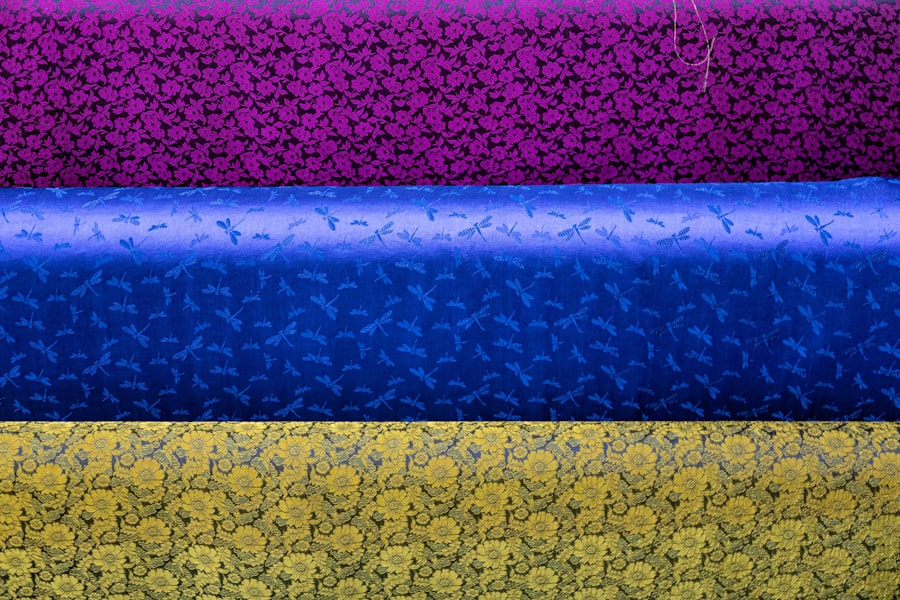
Stylized wing patterns, often rendered in geometric or flowing lines, are a ubiquitous element in SSS-T art. These motifs appear in everything from carved reliefs and textile patterns to the decorative embellishments on their spacecraft and personal artifacts. The complexity and variation of these motifs suggest a deep symbolic significance rather than mere ornamentation.
The “Ephemeral Grace” Motif
A recurring theme in SSS-T art is the depiction of “ephemeral grace.” This concept, often embodied in imagery that evokes a sense of fleeting beauty and effortless movement, is strongly linked to the visual characteristics of dragonflies. The SSS-T valued the ability to exist and move with a lightness and fluidity that suggested a mastery over mundane constraints, a quality they readily associated with their insectoid inspirations.
Philosophical Outlook: The Threefold Path
The Dragonfly Heritage extended beyond the tangible, shaping the SSS-T philosophical and ethical outlook. This was not a rigid dogma, but a flexible framework that emphasized balance, foresight, and an appreciation for the interconnectedness of all things, all viewed through the lens of the dragonfly’s life cycle and ecological role.
The Doctrine of the Threefold Path
The SSS-T philosophical system, particularly in its later iterations, often referenced a “Threefold Path” which, while not explicitly named as such in all surviving texts, can be broadly interpreted as encompassing: Observation, Intervention, and Integration. This path is strongly resonant with the life cycle of the dragonfly: egg, nymph, and adult.
Stage 1: Observation and Analysis
The first stage emphasized the importance of meticulous observation and unbiased analysis, much like a dragonfly meticulously surveying its environment before acting. SSS-T society prided itself on its data-driven approaches to problem-solving and governance. Before any major undertaking, extensive research, data collection, and predictive modeling were conducted. This was not about passive waiting, but about a deep, informed understanding of circumstances.
Stage 2: Precise Intervention
Following thorough observation came precise intervention. Unlike brute force or reactive measures, SSS-T actions were characterized by calculated precision and minimal collateral impact. This mirrored the dragonfly’s swift, targeted strikes when hunting prey. On a societal level, this translated into strategic investments, diplomatic maneuvers, and technological deployments that were designed to achieve specific objectives with utmost efficiency and minimal disruption to existing systems.
Stage 3: Harmonious Integration
The final stage, and arguably the most aspirational, was harmonious integration. This referred to the successful assimilation of new elements—be they conquered territories, new technologies, or scientific discoveries—into the existing SSS-T framework without causing irreparable damage or discord. The SSS-T ideal was not to dominate and obliterate, but to incorporate and enhance, creating a stable and balanced whole. This was seen as the final metamorphosis, where the individual stage transitioned into a larger, functional entity, much like the dragonfly emerging from its aquatic nymph phase.
Foresight and Long-Term Strategy
The dragonfly’s life cycle, spanning multiple distinct phases, fostered a SSS-T cultural emphasis on long-term perspective and foresight. They understood that present actions had consequences that would ripple through generations, and they strove to plan accordingly. This extended from urban planning and resource management to intergenerational education and the preservation of knowledge. The concept of temporal depth, of understanding the unfolding of events across vast timescales, was deeply ingrained.
The Nymphal Mindset
The “nymphal mindset,” as some SSS-T philosophers termed it, spoke to the importance of patient development and strategic preparation. They recognized that significant achievements often required extended periods of growth and adaptation before their true potential could be realized, mirroring the lengthy aquatic phase of the dragonfly. This philosophy informed their approach to scientific research and technological development, where breakthroughs were often the result of decades of meticulous, methodical work.
The Adult Flight: Legacy and Continuity
The final, adult stage of the dragonfly represented the culmination of preparation and the potential for far-reaching influence. For the SSS-T, this translated into a profound concern for their legacy and the continuity of their civilization. Their monumental constructions, their vast archives, and their extensive outreach programs were all testament to a desire to shape the future and to ensure that their knowledge and achievements would endure.
The SSS-T Military and Technological Applications
The Dragonfly Heritage was not confined to the realms of art and philosophy; it had tangible implications for the SSS-T military and their technological advancements. The principles of aerial agility, precise targeting, and efficient energy utilization, all observed in dragonflies, were directly translated into their military doctrines and technological designs.
Aerial Dominance and Unmanned Systems
The SSS-T were masters of aerial combat and had a particular affinity for unmanned aerial vehicles (UAVs). Their fleets of drones, often sleek and remarkably maneuverable, mirrored the swift, darting flight patterns of dragonflies. These systems were employed for reconnaissance, precision strikes, and swarm tactics.
Swarm Intelligence and Coordination
The concept of swarm intelligence, where individual units operate cooperatively to achieve a goal beyond their individual capabilities, was heavily influenced by observing insect colonies, with dragonflies often being part of these complex ecosystems. SSS-T UAVs were designed to exhibit highly sophisticated swarm behaviors, capable of coordinated attacks and defensive maneuvers that were incredibly difficult to counter. This not only mimicked the hunting strategies of some aerial predators but also the collective behavior seen in insect swarms.
Stealth and Evasive Maneuvers
The ability of dragonflies to change direction with extreme rapidity and to hover with uncanny stability was a key inspiration for SSS-T aerospace engineers. Their spacecraft and fighter craft incorporated advanced propulsion systems and inertial dampeners that allowed for unparalleled agility in combat. Furthermore, the translucent and iridescent materials used in their construction aided in stealth, allowing their craft to blend with their surroundings or become disorienting to enemy sensors.
Precision Armaments and Targeted Strikes
The dragonfly’s hunting prowess, characterized by precise strikes and efficient prey capture, informed the SSS-T approach to weaponry. Their armaments were designed for maximum lethality against specific targets with minimal collateral damage.
Directed Energy Weaponry
The SSS-T were pioneers in the development of directed energy weaponry. These weapons, such as pulsed lasers and focused sonic emitters, allowed for pinpoint accuracy and the ability to disable or destroy targets without extensive area-of-effect. This mirrored the dragonfly’s focused hunting strategy, where it would immobilize prey with incredible speed and precision.
Bio-Integrated Munitions
In certain more advanced, and ethically debated, applications, SSS-T military technology incorporated elements of bio-integration. This was not about creating biological weapons in the traditional sense, but about developing munitions that were highly specialized and could interact with specific biological or technological signatures, exhibiting an almost predatory selection mechanism. This aspect of their military technology, while less overtly publicized, suggests a deeper, more complex integration of their biological heritage into their tools of war.
The dragonfly heritage of the SSS-T Empire is a fascinating topic that delves into the cultural significance and symbolism of these remarkable insects within the empire’s history. For those interested in exploring this subject further, a related article can provide additional insights into the intricate relationship between the SSS-T Empire and its natural environment. You can read more about it in this detailed exploration that highlights the unique aspects of dragonflies in the empire’s lore.
Legacy and Interpretation: The Enduring Influence
| Dragonfly Heritage of the SSS-T Empire | Metrics |
|---|---|
| Number of Dragonfly Species | 25 |
| Dragonfly Conservation Areas | 10 |
| Dragonfly Population Trend | Stable |
| Dragonfly Symbolism in SSS-T Culture | High |
The Dragonfly Heritage of the SSS-T Empire, while not always explicitly labeled as such, remains a fundamental element in understanding their civilization. It speaks to a deep, almost symbiotic relationship with the natural world, a philosophy that valued balance and foresight, and an aesthetic sensibility that celebrated elegance and efficiency.
Enduring Archaeological and Historical Significance
The archaeological record of the SSS-T Empire is replete with artifacts, architectural remnants, and artistic expressions that bear the unmistakable imprint of dragonfly influences. From the grandest orbital habitats to the smallest personal adornments, the recurring motifs and design principles provide invaluable insights into their cultural priorities and their worldview. Historians and xenologists continue to analyze these findings, attempting to fully disentangle the biological, aesthetic, and philosophical strands that weave together to form the Dragonfly Heritage.
The Question of Intentionality
A persistent question in SSS-T studies is the degree to which this heritage was a conscious and deliberate choice versus an emergent property of their environment and evolutionary path. While direct evidence of explicit, empire-wide mandates to emulate dragonflies is scarce, the pervasive nature of these influences across diverse aspects of their society suggests a deeply ingrained cultural imperative. It is likely a complex interplay of both, where predispositions were recognized, studied, and then consciously amplified and integrated.
The SSS-T and the Wider Galactic Community
The SSS-T Empire’s interactions with other galactic civilizations were often characterized by their unique blend of technological advancement and philosophical depth. While their military prowess was undeniable, it was often tempered by a strategic approach that favored diplomacy and integration where possible, a concept that, as explored, was deeply resonant with their Dragonfly Heritage. Understanding this heritage is crucial for understanding their motivations, their decision-making processes, and their lasting impact on the galactic stage, even in their absence. The echoes of their iridescent wings, it seems, continue to ripple through the cosmos.
FAQs
What is the significance of dragonflies in the SSS-T Empire’s heritage?
Dragonflies hold a special significance in the heritage of the SSS-T Empire, symbolizing strength, agility, and transformation. They are often associated with the empire’s values and beliefs, and are featured in various cultural and artistic expressions.
How are dragonflies represented in the art and architecture of the SSS-T Empire?
Dragonflies are commonly depicted in the art and architecture of the SSS-T Empire, appearing in intricate designs on buildings, sculptures, and decorative items. They are also featured in paintings, textiles, and other forms of artistic expression.
What role do dragonflies play in the mythology and folklore of the SSS-T Empire?
In the mythology and folklore of the SSS-T Empire, dragonflies are often revered as symbols of wisdom, harmony, and prosperity. They are believed to bring good luck and are associated with various legends and stories passed down through generations.
How do dragonflies feature in traditional ceremonies and rituals of the SSS-T Empire?
Dragonflies play a significant role in traditional ceremonies and rituals of the SSS-T Empire, often symbolizing transformation, renewal, and spiritual growth. They may be incorporated into rituals as symbols of protection and guidance.
What is the historical significance of dragonflies in the SSS-T Empire’s heritage?
Dragonflies have a long-standing historical significance in the heritage of the SSS-T Empire, dating back to ancient times. They have been revered as symbols of power, resilience, and adaptability, and have played a prominent role in the empire’s cultural and spiritual traditions.