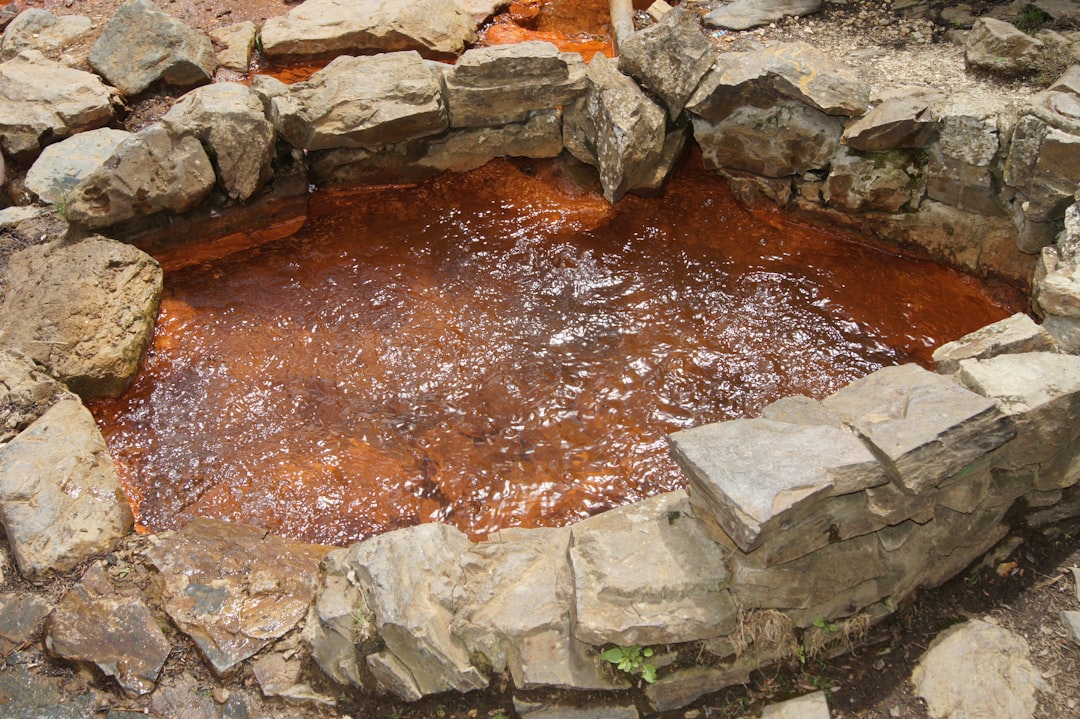
Copper-tasting water is a common concern that raises questions about drinking water safety and quality. This metallic flavor typically indicates the presence of copper, a metal that is necessary in small amounts for human health but can cause adverse effects when consumed in high concentrations. The taste can prompt consumers to investigate their water supply’s safety.
Recognizing copper-tasting water is important for public health, as it may signal potential contamination. Copper enters drinking water through various sources, including natural geological deposits and human infrastructure. In many cases, copper leaches into the water supply from corroded pipes, especially in older plumbing systems.
As water travels through these pipes, it dissolves copper and creates a metallic taste. This article examines the health risks of copper exposure, the symptoms of copper poisoning, long-term health effects, vulnerable populations, and contamination sources.
Key Takeaways
- Copper-tasting water can indicate elevated copper levels, posing potential health risks.
- Symptoms of copper poisoning include nausea, vomiting, and abdominal pain.
- Long-term exposure may lead to liver and kidney damage, especially in vulnerable groups.
- Copper contamination often originates from plumbing materials and corroded pipes.
- Regular testing and proper water treatment are essential to prevent and manage copper exposure.
Health Risks Associated with Copper-Tasting Water
The health risks linked to copper-tasting water are significant and warrant attention. While copper is an essential nutrient that plays a role in various bodily functions, excessive exposure can lead to toxicity. The World Health Organization (WHO) has established guidelines for acceptable levels of copper in drinking water, recognizing that concentrations above these limits can pose health risks.
Chronic exposure to high levels of copper can lead to gastrointestinal distress, liver damage, and even neurological issues. Moreover, individuals with certain pre-existing conditions may be at an increased risk when exposed to copper-tasting water. For instance, those with Wilson’s disease—a genetic disorder that prevents the body from properly eliminating copper—are particularly vulnerable.
In such cases, even small amounts of copper can accumulate to toxic levels, leading to severe health complications. Therefore, understanding the potential health risks associated with copper exposure is essential for safeguarding public health. You can watch fascinating underwater UFO sightings at underwater UFO sightings.
Symptoms of Copper Poisoning

Copper poisoning can manifest through a variety of symptoms that may vary in severity depending on the level and duration of exposure. Initial symptoms often include gastrointestinal disturbances such as nausea, vomiting, and abdominal pain. These symptoms can be mistaken for other illnesses, making it challenging for individuals to recognize the underlying cause as copper exposure.
As the levels of copper in the body increase, more severe symptoms may develop, including headaches, dizziness, and fatigue. In extreme cases of copper poisoning, individuals may experience neurological symptoms such as confusion or changes in behavior. The accumulation of copper in the liver can lead to hepatotoxicity, resulting in jaundice and liver dysfunction.
Recognizing these symptoms early is crucial for prompt medical intervention and treatment. Individuals who suspect they have been exposed to high levels of copper should seek medical advice to assess their condition and receive appropriate care.
Long-Term Effects of Copper-Tasting Water Exposure
The long-term effects of exposure to copper-tasting water can be profound and detrimental to health. Chronic ingestion of elevated copper levels may lead to cumulative toxicity, affecting various organ systems over time. One of the most concerning long-term effects is liver damage, which can progress to cirrhosis or liver failure if not addressed.
Additionally, prolonged exposure may result in kidney damage and impaired function, further complicating an individual’s overall health status. Beyond physical health implications, there are psychological effects associated with chronic exposure to toxic substances like copper. Individuals may experience anxiety or depression related to their health concerns or the uncertainty surrounding their water quality.
The interplay between physical and mental health highlights the importance of addressing not only the immediate symptoms but also the long-term consequences of copper exposure on overall well-being.
Vulnerable Populations at Risk of Copper-Tasting Water Exposure
| Metric | Value | Unit | Description |
|---|---|---|---|
| Copper Concentration | 1.3 | mg/L | Maximum contaminant level for copper in drinking water (EPA standard) |
| Typical Copper Taste Threshold | 0.5 – 1.0 | mg/L | Concentration range where copper taste becomes noticeable in water |
| Exposure Duration | Varies | Hours to Days | Time period over which copper taste can be detected after exposure |
| Health Advisory Level | 1.0 | mg/L | Level above which copper exposure may cause gastrointestinal distress |
| pH Influence | 5.5 – 8.5 | pH units | Typical pH range affecting copper solubility and taste in water |
| Temperature Effect | Higher temp increases | °C | Elevated temperatures can increase copper leaching and taste intensity |
Certain populations are more susceptible to the adverse effects of copper-tasting water due to various factors such as age, pre-existing health conditions, and socioeconomic status. Children are particularly vulnerable because their developing bodies are more sensitive to toxins. Even low levels of copper exposure can interfere with growth and development, leading to potential cognitive and physical impairments.
Additionally, individuals with compromised immune systems or chronic illnesses may face heightened risks when exposed to contaminated water. Pregnant women are also at risk since excessive copper intake can affect fetal development. Understanding these vulnerable populations is essential for implementing targeted interventions and ensuring that at-risk groups receive appropriate information and resources regarding water safety.
Sources of Copper Contamination in Drinking Water
Copper contamination in drinking water can arise from various sources, both natural and anthropogenic. Naturally occurring copper deposits in soil and rock formations can leach into groundwater supplies, particularly in areas with high mineral content. However, human activities often exacerbate this issue.
In addition to plumbing issues, industrial activities can contribute to elevated copper levels in drinking water. Runoff from mining operations or manufacturing processes may introduce copper into nearby water sources.
Agricultural practices that involve the use of copper-based pesticides can also lead to contamination of groundwater supplies. Identifying these sources is crucial for developing effective strategies to mitigate copper contamination and protect public health.
Regulations and Guidelines for Copper Levels in Drinking Water
Regulatory bodies have established guidelines to ensure safe levels of copper in drinking water. The Environmental Protection Agency (EPA) in the United States has set an action level for copper at 1.3 parts per million (ppm). If more than 10% of tap water samples exceed this level, utilities are required to take action to reduce copper levels and inform consumers about potential risks.
Internationally, organizations such as the World Health Organization (WHO) have also provided recommendations regarding acceptable copper concentrations in drinking water. These guidelines serve as a framework for governments and water utilities to monitor and manage water quality effectively. Adhering to these regulations is vital for safeguarding public health and ensuring that communities have access to safe drinking water.
Testing and Treating Copper-Tasting Water
Testing for copper levels in drinking water is an essential step for individuals concerned about contamination. Home testing kits are available for consumers who wish to assess their water quality independently. These kits typically involve collecting a sample and sending it to a laboratory for analysis.
Alternatively, local water utilities often conduct regular testing and provide reports on water quality that include information about copper levels. If elevated levels of copper are detected, several treatment options are available to reduce contamination. Point-of-use filtration systems can effectively remove copper from drinking water, providing a safe alternative for consumers.
Additionally, replacing corroded plumbing fixtures or pipes may be necessary to prevent further leaching of copper into the water supply. Engaging with professionals who specialize in water quality can help individuals identify the most effective solutions for their specific situation.
Preventing Copper-Tasting Water Exposure
Preventing exposure to copper-tasting water involves a combination of proactive measures and community awareness initiatives. Homeowners should consider having their plumbing systems inspected regularly, especially if they live in older homes with aging infrastructure. Replacing corroded pipes or fixtures can significantly reduce the risk of copper leaching into drinking water.
Community education plays a vital role in prevention efforts as well. Local governments and health departments should provide information about the potential risks associated with copper exposure and promote regular testing of drinking water supplies. Encouraging residents to report any unusual tastes or odors in their water can help identify contamination issues early on and facilitate timely interventions.
Seeking Medical Attention for Copper-Tasting Water Exposure
Individuals who suspect they have been exposed to high levels of copper through their drinking water should not hesitate to seek medical attention. Early intervention is crucial for addressing potential health issues related to copper poisoning. Healthcare providers can conduct tests to assess copper levels in the body and evaluate any symptoms that may arise from exposure.
In cases where symptoms are present, medical professionals may recommend specific treatments or interventions based on the severity of the condition.
Being proactive about health concerns related to drinking water quality is essential for ensuring long-term well-being.
Conclusion and Recommendations for Dealing with Copper-Tasting Water Exposure
In conclusion, understanding the implications of copper-tasting water is vital for public health awareness and safety. While copper is an essential nutrient in small amounts, excessive exposure poses significant health risks that cannot be overlooked. Individuals should remain vigilant about their drinking water quality and take proactive steps to mitigate potential risks associated with copper contamination.
Recommendations include regular testing of drinking water supplies, especially for vulnerable populations such as children and pregnant women. Homeowners should consider upgrading plumbing systems if corrosion is suspected and engage with local authorities regarding community-wide testing initiatives. By fostering awareness and taking preventive measures, individuals can protect themselves and their families from the adverse effects associated with copper-tasting water exposure while advocating for safer drinking water standards within their communities.
Exposure to copper can lead to a distinct metallic taste in water, which may raise concerns about water quality and safety. For more insights on this topic, you can read a related article that discusses various factors affecting water taste and safety at this link. Understanding the implications of copper exposure is essential for maintaining healthy drinking water standards.
WATCH THIS! 🚢 THEY KNOW: What The Navy Has Hidden For 50 Years 🔒
FAQs
What causes a copper taste in water?
A copper taste in water is typically caused by the presence of copper ions, which can leach into the water from copper pipes, plumbing fixtures, or copper-containing materials. This often occurs when water is slightly acidic or has been standing in copper pipes for an extended period.
Is copper taste in water harmful to health?
In small amounts, copper in drinking water is generally not harmful and is actually an essential trace mineral for the human body. However, high levels of copper can cause gastrointestinal issues such as nausea, vomiting, and stomach cramps. Long-term exposure to elevated copper levels may lead to more serious health problems.
How can I test for copper in my water?
You can test for copper in water using home water testing kits available at hardware stores or by sending a water sample to a certified laboratory. Professional testing provides more accurate and detailed results regarding copper concentration.
What are common sources of copper in drinking water?
Common sources include copper plumbing pipes, copper fittings, and brass fixtures. Corrosion of these materials, especially in older plumbing systems or in water with low pH (acidic water), can increase copper levels in tap water.
How can I reduce the copper taste in my water?
To reduce copper taste, you can flush your taps by running water for a few minutes before use, especially if the water has been stagnant. Installing water treatment systems such as reverse osmosis filters, ion exchange units, or using corrosion inhibitors can also help reduce copper levels.
Is copper taste in water an indicator of water quality?
A copper taste can indicate corrosion in plumbing, which may affect water quality. While copper itself is a regulated contaminant, the taste may also signal the presence of other metals or issues in the water system that should be investigated.
Can boiling water remove the copper taste?
Boiling water does not remove copper ions and may actually concentrate metals as water evaporates. Therefore, boiling is not an effective method to eliminate copper taste or reduce copper levels in water.
Who should be concerned about copper in drinking water?
Infants, young children, pregnant women, and individuals with certain health conditions such as Wilson’s disease should be more cautious about copper exposure. It is advisable for these groups to ensure copper levels in drinking water are within safe limits.