The Elite’s Fear of Human Empathy: A Threat to Their Power
The structures of power that govern societies are often built upon layers of calculated control and carefully curated narratives. Within these architectures, certain human qualities can emerge as inconvenient, even threatening, to the established order. Among these, human empathy stands out as a particularly potent challenge to the systems of dominance favored by elites. For those who benefit from maintaining existing hierarchies and perpetuating inequalities, the widespread presence and healthy functioning of empathy represents not merely an inconvenient emotion, but a fundamental threat to their precarious hold on power and privilege.
The dominance of any elite class, whether economic, political, or social, relies heavily on its ability to maintain a degree of separation from the broader population. This separation serves multiple purposes, all geared towards preserving their unique access to resources and influence. It allows for the detachment necessary to make decisions that may negatively impact large numbers of people without experiencing the direct emotional repercussions that widespread empathy would undoubtedly trigger.
The Psychological Distance: “Us” vs. “Them”
A key mechanism for maintaining this separation is the cultivation of a psychological divide. Elites frequently construct and reinforce an “us” versus “them” mentality. This framing allows them to view the concerns of the less privileged not as shared human struggles, but as problems belonging to a distinct, often less capable, group. This cognitive distancing prevents the visceral understanding of suffering that empathy fosters.
Dehumanization as a Tool: Subtle and Overt
This distancing is often facilitated by processes of subtle, and at times overt, dehumanization. When individuals are perceived as fundamentally different, less intelligent, or less deserving, their experiences of hardship become easier to dismiss or ignore. News portrayals, policy discussions, and even everyday conversation can contribute to this process, painting those on the lower rungs of the social ladder as caricatures rather than complex individuals with relatable emotions and aspirations.
Economic Disparities as Structural Barriers
The stark economic disparities that characterize many societies are not accidental byproducts but deliberate outcomes of systems designed to concentrate wealth and power. These disparities inherently create a physical and experiential chasm between the elite and the majority. The lived realities of navigating poverty, insecurity, and lack of opportunity are inherently alien to those who have never experienced them.
The Echo Chamber of Privilege
Elite circles often exist within insulated environments, fostering an echo chamber where their own perspectives are amplified and validated. Access to exclusive education, elite social clubs, and specialized media further solidifies this insularity. This lack of exposure to diverse lived experiences inhibits the development of the nuanced understanding that empathy demands.
The Narrative of Meritocracy: Justifying Inequality
A powerful tool in the arsenal of elite power is the pervasive narrative of meritocracy. This ideology posits that societal success is solely a result of individual talent, hard work, and determination. While these qualities are undeniably important, this narrative conveniently omits the systemic advantages and disadvantages that shape individual outcomes.
Obscuring Systemic Factors
By emphasizing individual agency and downplaying the impact of inherited wealth, social connections, and systemic biases, the meritocracy narrative serves to legitimize existing inequalities. It suggests that those who are struggling have simply not worked hard enough, thereby absolving the privileged from any responsibility and discouraging any feelings of collective responsibility or solidarity.
In exploring the dynamics of power and control, one can find a compelling discussion in the article titled “The Elite’s Fear of Human Empathy” on XFile Findings. This piece delves into the reasons why those in positions of authority often feel threatened by the innate capacity for empathy within the general populace. The article argues that empathy fosters solidarity and collective action, which can challenge established hierarchies and disrupt the status quo. For a deeper understanding of this phenomenon, you can read the article here: The Elite’s Fear of Human Empathy.
Empathy: The Uncomfortable Mirror
Human empathy, the capacity to understand and share the feelings of another, acts as a potent counterforce to the mechanisms of elite control. It challenges the detached worldview that elites cultivate, forcing a confrontation with the lived realities of those whose well-being they often disregard. The emergence of empathy within a population can be profoundly disruptive to established power structures.
Connecting to Shared Humanity: The Erosion of “Otherness”
Empathy fundamentally works by bridging the perceived gap between individuals. When one person deeply understands and feels with another’s joy, sorrow, fear, or hope, the artificial boundaries of “us” and “them” begin to dissolve. This shared emotional landscape reveals a common humanity that transcends social stratification.
The Power of Vicarious Experience
Through empathy, individuals can vicariously experience the struggles and triumphs of others. This vicarious experience can be a powerful catalyst for change, fostering a sense of shared destiny and a desire for collective upliftment. It moves beyond abstract notions of fairness to a deeply felt understanding of injustice.
Challenging Dehumanizing Narratives
The emotional resonance of empathy directly contradicts and undermines dehumanizing narratives that elites often rely upon. When people feel the pain of those they have been taught to dismiss, the simplistic caricatures crumble. This emotional challenge can lead to critical questioning of the narratives that have justified existing power imbalances.
The Unmasking of Falsehoods
Empathy allows individuals to connect with the authentic emotions of others, bypassing the carefully constructed facades and propaganda that elites may disseminate. The raw emotion of a parent struggling to feed their children, for instance, is difficult to dismiss when felt empathetically, regardless of any accompanying political rhetoric.
Fostering Collective Action and Solidarity
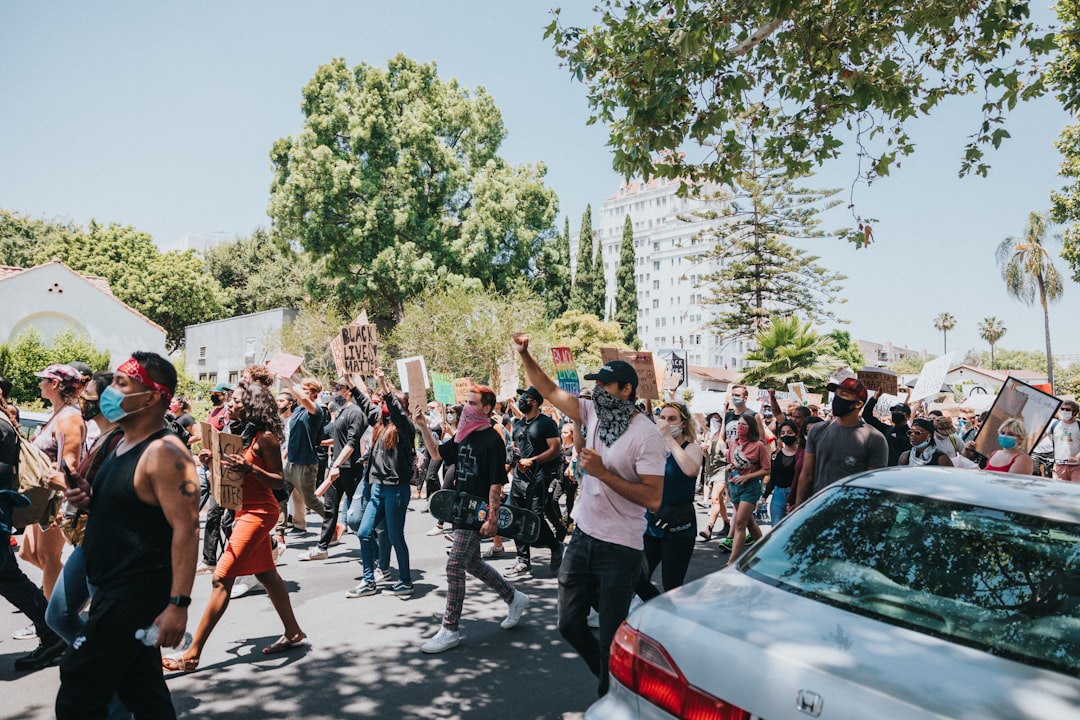
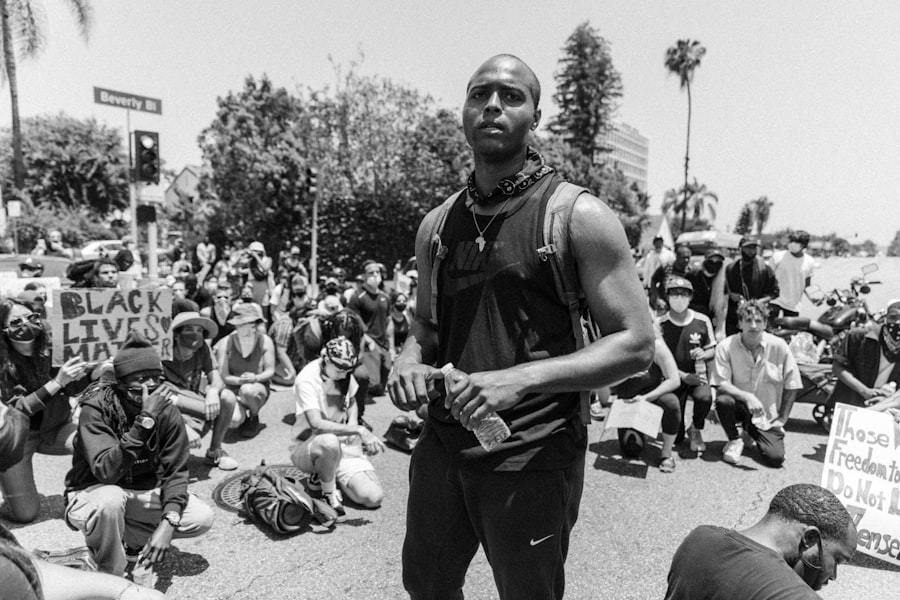
A society where empathy flourishes is inherently more prone to collective action and solidarity. When individuals feel connected to the struggles of their neighbors, they are more likely to act in unison to address common problems. This collective power is a direct threat to any elite seeking to maintain control through division and atomization.
The Rise of Mutual Aid and Social Movements
The emergence of strong social movements and widespread mutual aid initiatives can be traced back to the empathetic understanding of shared needs and vulnerabilities. These grassroots efforts bypass traditional, often elite-controlled, institutions and demonstrate the power of human connection to effect change.
The Elite’s Strategies: Suppressing and Redirecting Empathy
Recognizing empathy as a threat, elites employ a range of strategies, both overt and subtle, to suppress, redirect, or neutralize its potential for disruption. These strategies are designed to maintain the psychological and social distance that underpins their power, ensuring that populations remain atomized and less inclined to question the status quo.
The Weaponization of Fear and Division
One of the most effective strategies is the deliberate cultivation of fear and division within the population. By exacerbating existing societal cleavages – be they racial, religious, political, or economic – elites can redirect the focus of empathy away from shared struggles and towards manufactured animosities.
Creating Scapegoats and External Threats
The identification of scapegoats, whether internal minority groups or external “enemies,” serves to foster an “us” against “them” mentality that is diametrically opposed to empathy. This narrative encourages suspicion and hostility, making it difficult for individuals to identify with or feel compassion for those designated as the threat.
Promoting Individualism and Competition
In direct opposition to the solidarity fostered by empathy, elites actively promote extreme individualism and cutthroat competition. The societal narrative often emphasizes personal success above all else, with the implication that others’ misfortunes are merely the consequence of their own shortcomings.
The “Self-Made” Myth
The glorification of the “self-made” individual, while aspirational for some, also serves to devalue collective responsibility and mutual support. It reinforces the idea that each person is an isolated unit, solely responsible for their own fate, and thus less inclined to empathize with those who are not succeeding by the same narrow metrics.
Controlling Information and Shaping Discourses
The control and manipulation of information are crucial for any elite seeking to maintain power. By shaping public discourse and controlling the narratives presented through media and educational systems, elites can actively work to dampen empathetic responses.
Manufactured Consent and Propaganda
The deliberate dissemination of misleading or incomplete information, often referred to as manufactured consent or propaganda, can be used to justify actions that cause suffering. By framing these actions in a particular light, elites attempt to preempt empathetic reactions that might lead to public outcry or dissent.
The Co-optation of Emotion: Distraction and Entertainment
In some instances, elites may attempt to co-opt and redirect emotional energy through manufactured distractions and superficial entertainment. By flooding the public sphere with trivial concerns and easily digestible diversions, they can divert attention from deeper societal issues and the emotional responses they might evoke.
The Spectacle of Superficiality
The constant barrage of celebrity gossip, sensationalized news, and shallow entertainment can serve to numb emotional receptors and create a cultural environment where genuine human connection and empathetic engagement are less valued or even seen as quaint or unsophisticated.
The Consequences of Stifled Empathy: A Society in Decline
When empathy is actively suppressed or allowed to wither, the consequences for society are profound and far-reaching. The erosion of this fundamental human capacity leads to a breakdown in social cohesion, an increase in societal ills, and ultimately, a decline in the collective well-being.
The Rise of Cruelty and Indifference
The most direct consequence of stifled empathy is the increased prevalence of cruelty and indifference. When individuals are less able to connect with the suffering of others, they are less likely to be moved to act against injustice or to offer support to those in need. This creates a more brutal and less compassionate social environment.
The Normalization of Suffering
Without the internal compass of empathy, suffering can become normalized. What might once have been considered an unacceptable state of affairs begins to be accepted as simply the way things are, particularly when the suffering is confined to marginalized groups.
Breakdown of Social Trust and Cooperation
Empathy is a cornerstone of social trust and cooperation. When individuals feel understood and valued, they are more likely to trust one another and to engage in cooperative endeavors. The absence of empathy corrodes this trust, leading to suspicion, conflict, and a reluctance to engage in collective problem-solving.
The Erosion of Community Bonds
The weakening of empathy directly contributes to the erosion of community bonds. As individuals become more isolated and less inclined to understand or care about their neighbors, the fabric of local communities begins to fray, leading to increased social isolation and a decline in civic engagement.
Systemic Inequality Perpetuated and Exacerbated
Without the empathetic pressure of the populace, elites face fewer obstacles in perpetuating and even exacerbating existing systemic inequalities. The economic and social divides can widen unchecked, leading to greater hardship for the majority and increased entrenchment of privilege for the few.
The Cycle of Disenfranchisement
When empathy is absent, the voices of the disenfranchised are easily ignored, perpetuating cycles of poverty, lack of opportunity, and social exclusion. These individuals are unlikely to receive the understanding or support needed to break free from these cycles.
A Society Prone to Instability and Conflict
Ultimately, a society that systematically suppresses empathy becomes inherently unstable and prone to conflict. The accumulated grievances, the lack of understanding, and the prevalence of indifference create fertile ground for unrest and societal breakdown. A population that is unable to empathize with its fellow citizens is less likely to find peaceful resolutions to its internal tensions.
The elite often seem to harbor a deep-seated fear of human empathy, as it has the potential to unite individuals across social and economic divides, challenging their power structures. A related article explores this phenomenon in greater detail, shedding light on how empathy can inspire collective action and threaten the status quo. For those interested in understanding the implications of this dynamic, the article can be found here: exploring the elite’s fear of empathy. This fear may stem from the realization that when people connect on a human level, they are more likely to advocate for change and demand accountability from those in power.
Reclaiming Empathy: A Path to Liberation
| Reasons | Implications |
|---|---|
| Empathy promotes equality | Threatens their power and privilege |
| Encourages collective action | Potential for organized resistance |
| Undermines exploitation | Challenges their economic interests |
| Humanizes marginalized groups | Diminishes their ability to dehumanize others |
Despite the powerful forces that seek to suppress it, empathy remains an intrinsic human capacity. Recognizing its importance and actively cultivating it within individuals and communities is a crucial step towards challenging elite power and fostering a more just and humane society. This is not a passive endeavor but an active reclaiming of a fundamental aspect of human experience.
Education and Awareness: Nurturing the Empathetic Impulse
The conscious nurturing of empathy through education and awareness initiatives is paramount. This involves teaching critical thinking skills, exposing individuals to diverse perspectives and experiences, and fostering environments where open emotional expression is safe and encouraged.
Storytelling and Literature as Empathy Builders
The power of storytelling, literature, and the arts in cultivating empathy cannot be overstated. Engaging with narratives that explore the inner lives and struggles of diverse characters provides vicarious experiences that broaden understanding and deepen emotional connection.
Challenging Dominant Narratives: Fostering Critical Engagement
A key element in reclaiming empathy involves actively challenging the dominant narratives that elites use to maintain their power. This requires critical engagement with media, questioning authority, and seeking out alternative sources of information that offer a more nuanced and humanistic perspective.
Media Literacy and Deconstruction
Developing robust media literacy skills allows individuals to deconstruct the messages they receive, identifying the underlying agendas and biases that may be present, particularly those that seek to divide and desensitize.
Building Bridges and Fostering Connection: The Power of Community
The deliberate act of building bridges between different groups and fostering genuine connection within communities is a direct counteraction to the forces of division. This involves creating spaces for dialogue, shared experiences, and mutual support, where empathy can flourish organically.
Grassroots Organizing and Collective Action
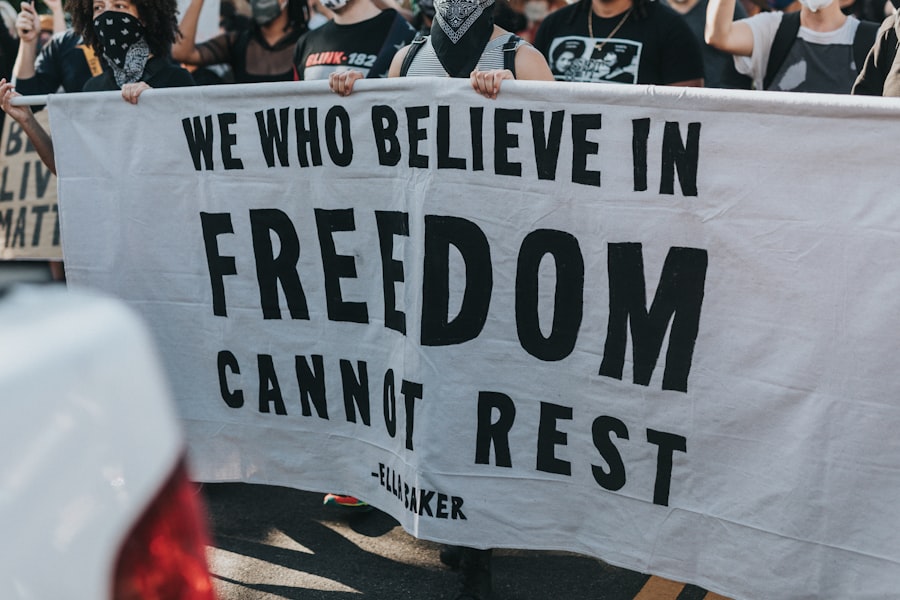
Grassroots organizing and collective action, fueled by empathetic understanding, are powerful tools for challenging entrenched power structures. These efforts demonstrate the strength that emerges when individuals connect with shared concerns and work together towards common goals.
The Courage of Vulnerability: Embracing Shared Humanity
Ultimately, reclaiming empathy requires a degree of courage. It involves the willingness to be vulnerable, to open oneself to the emotions of others, and to acknowledge the shared humanity that binds all people. This embrace of vulnerability is the antithesis of the detached self-preservation that often characterizes elite existence. By consistently choosing empathy over indifference, individuals and communities can erode the foundations of elite power and pave the way for a more equitable and compassionate future.
FAQs
What is human empathy?
Human empathy is the ability to understand and share the feelings of others. It involves being able to put oneself in someone else’s shoes and understand their emotions and experiences.
Why are the elite terrified of human empathy?
The elite may be terrified of human empathy because it can lead to greater social awareness and a desire for equality and justice. Empathy can also lead to collective action and solidarity among marginalized groups, which may threaten the status quo and the power dynamics that benefit the elite.
How does human empathy impact society?
Human empathy can lead to greater compassion, understanding, and support for those who are marginalized or oppressed. It can also drive social change and movements for justice and equality. Additionally, empathy can foster stronger connections and relationships within communities.
Can empathy be taught or developed?
Yes, empathy can be taught and developed through various practices such as active listening, perspective-taking, and exposure to diverse experiences and perspectives. Empathy can also be cultivated through education, socialization, and exposure to different cultures and backgrounds.
What are the potential benefits of promoting human empathy?
Promoting human empathy can lead to a more compassionate and inclusive society, where individuals are more understanding and supportive of one another. It can also contribute to reducing social conflicts, fostering cooperation, and addressing systemic injustices. Additionally, empathy can improve mental health and well-being for both individuals and communities.