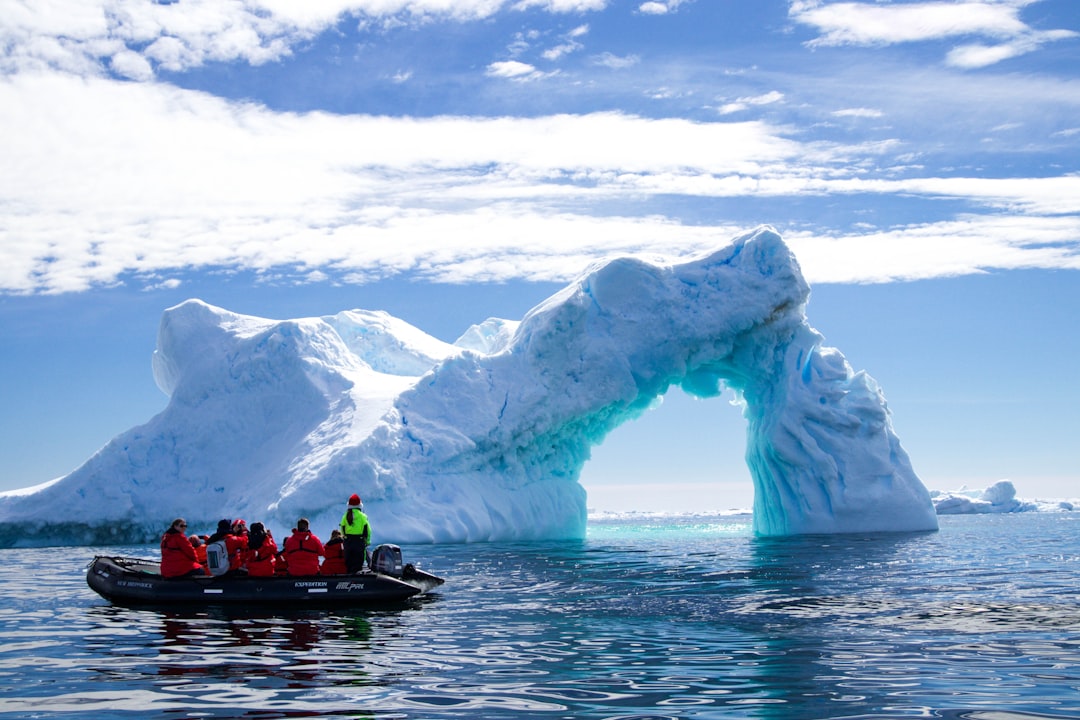
Antarctica, Earth’s southernmost continent, remains one of the planet’s most remote and challenging environments. Characterized by its extensive ice sheets and distinctive ecosystems, Antarctica serves as an important site for international scientific research, diplomatic engagement, and resource exploration. The continent’s extreme isolation and harsh climate have historically limited human access, creating conditions where scientific and governmental activities can operate with minimal external observation.
Multiple nations maintain research stations across Antarctica, conducting studies in fields ranging from climatology and glaciology to marine biology. These facilities operate under the framework of the Antarctic Treaty System, which designates the continent as a scientific preserve and prohibits military activity. Despite this cooperative framework, various countries continue to position themselves strategically on the continent, motivated by potential future access to mineral deposits, freshwater reserves, and territorial claims.
The geopolitical significance of Antarctica has increased in recent decades as climate change affects ice coverage and accessibility. This has intensified international interest in the region’s governance and resource potential, raising important questions about the long-term management of this unique global commons.
Key Takeaways
- Antarctica has long been a focal point for government involvement and secretive activities.
- Numerous conspiracy theories suggest hidden agendas and undisclosed discoveries on the continent.
- The region plays a strategic role in global politics, military defense, and resource exploration.
- Climate change is impacting Antarctica, potentially revealing or threatening hidden secrets.
- Ethical and environmental concerns arise from government secrecy and exploitation of Antarctica’s resources.
The History of Government Involvement in Antarctica
The history of government involvement in Antarctica dates back to the early 20th century when explorers from various nations began to chart its icy expanses. The first significant governmental interest emerged during the International Geophysical Year in 1957-1958, which marked a turning point in Antarctic exploration. This period saw multiple countries establish research stations, leading to the eventual signing of the Antarctic Treaty in 1961.
However, beneath this veneer of collaboration lies a complex web of national interests. Countries such as the United States, Russia, and several European nations have maintained a presence on the continent, often under the guise of scientific research.
The establishment of bases and research stations has allowed these nations to assert their claims over territorial waters and resources.
The Conspiracy Theories Surrounding Antarctica
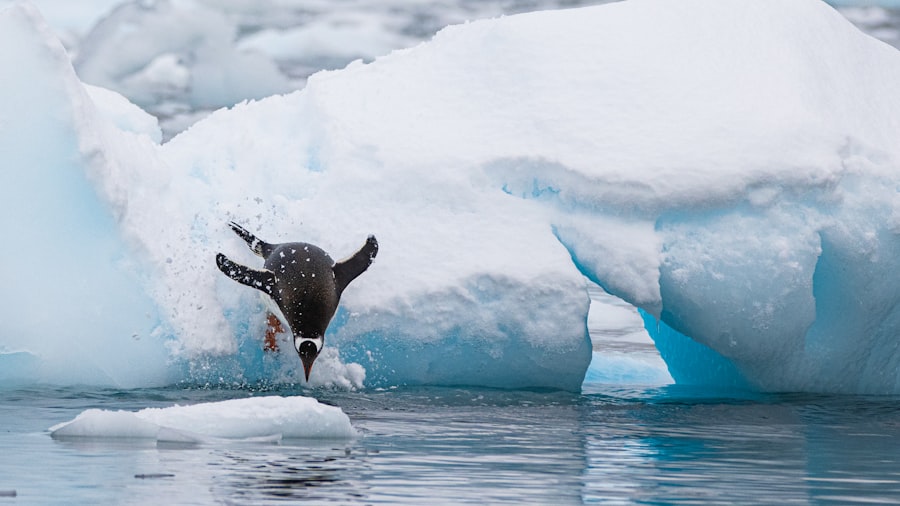
Antarctica has become a fertile ground for conspiracy theories that range from the plausible to the bizarre. Some theorists suggest that hidden beneath its ice lies advanced technology or even remnants of ancient civilizations. These theories often draw on the continent’s unexplored regions and the limited access granted to outsiders.
The idea that governments are concealing significant discoveries fuels speculation about what might be hidden beneath the ice. One particularly popular theory posits that there are secret military bases operated by various nations, including the United States and Russia. Proponents of this theory argue that these bases are not merely for scientific research but are instead centers for advanced weaponry or surveillance operations.
The lack of transparency surrounding military activities in Antarctica only serves to bolster these claims, leading many to believe that there is more to the story than meets the eye.
The Role of Antarctica in Global Politics
Antarctica’s role in global politics cannot be overstated. As nations grapple with issues such as climate change and resource scarcity, the continent has emerged as a strategic asset. The Antarctic Treaty System has created a unique political landscape where countries must navigate their interests while adhering to international agreements.
However, tensions have begun to surface as nations seek to assert their claims over potential resources, including oil and minerals. The geopolitical significance of Antarctica is further amplified by its role in climate science. As a critical indicator of global climate change, the continent’s melting ice sheets have far-reaching implications for sea levels and weather patterns worldwide.
This reality has prompted nations to invest heavily in research and monitoring efforts, often leading to competition over data and access to key locations. In this context, Antarctica becomes not just a scientific frontier but also a battleground for influence and power among nations.
The Potential Resources and Discoveries in Antarctica
| Category | Description | Reported Source | Status | Notes |
|---|---|---|---|---|
| Secret Military Bases | Alleged hidden military installations beneath Antarctic ice | Various conspiracy theories | Unconfirmed | No official evidence; claims often linked to Cold War rumors |
| Ancient Alien Artifacts | Claims of extraterrestrial technology discovered under ice | Unverified whistleblower reports | Unsubstantiated | Lacks credible scientific support |
| Classified Climate Data | Government withholding sensitive climate change research | Environmental activists and leaked documents | Partially confirmed | Some data restricted for national security reasons |
| Undisclosed Mineral Resources | Secret mining operations or resource surveys | Speculative reports | Denied by Antarctic Treaty | Mining is banned under international agreements |
| Hidden Research Projects | Classified scientific experiments conducted by governments | Official government statements | Confirmed | Some research remains classified for security or proprietary reasons |
The potential resources hidden beneath Antarctica’s ice are a tantalizing prospect for many nations. While the Antarctic Treaty currently prohibits mineral extraction, advancements in technology have led to increased interest in what lies beneath the surface. Estimates suggest that vast reserves of oil, natural gas, and precious minerals could be found in this pristine environment, making it an attractive target for resource-hungry nations.
In addition to fossil fuels and minerals, Antarctica is also seen as a treasure trove for scientific discoveries. Researchers are particularly interested in studying extremophiles—organisms that thrive in harsh conditions—as they may hold clues to life on other planets. The unique ecosystems found in Antarctica provide invaluable insights into climate change and biodiversity, making it a critical area for ongoing research.
As nations continue to explore these possibilities, the ethical implications of exploiting these resources will undoubtedly come into play.
The Impact of Climate Change on Antarctica’s Secrets
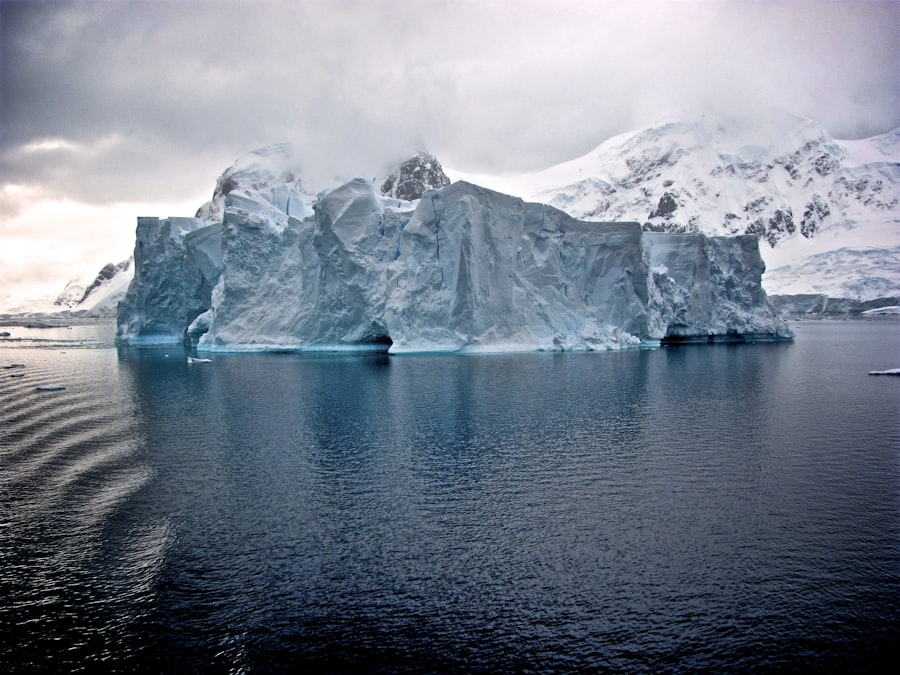
Climate change poses a significant threat to Antarctica’s secrets, as rising temperatures lead to melting ice sheets and changing ecosystems. This transformation not only affects global sea levels but also exposes previously hidden areas of the continent. As ice recedes, researchers gain access to regions that were once inaccessible, potentially revealing new geological formations or ancient artifacts that could reshape our understanding of Earth’s history.
Moreover, climate change has intensified competition among nations for access to these newly exposed resources. As traditional habitats shift and species adapt or perish, the geopolitical landscape surrounding Antarctica is likely to evolve dramatically. Countries may find themselves racing against time to stake their claims before irreversible changes occur.
This urgency adds another layer of complexity to the already intricate web of government secrets surrounding the continent.
The Influence of Antarctica on Military and Defense Strategies
Antarctica’s strategic importance extends beyond scientific research; it also plays a crucial role in military and defense strategies. The continent’s remote location makes it an ideal site for testing new technologies and conducting covert operations away from public scrutiny. Nations with military interests in Antarctica often justify their presence under the guise of scientific research while simultaneously enhancing their capabilities in this uncharted territory.
The potential for conflict over resources and territorial claims further complicates matters. As nations invest in military infrastructure in Antarctica, concerns about security and sovereignty grow. The possibility of military confrontations over access to resources or strategic locations raises questions about how international law will adapt to these emerging challenges.
In this context, Antarctica becomes not just a scientific frontier but also a potential flashpoint for geopolitical tensions.
The Relationship Between Antarctica and Extraterrestrial Life
The fascination with Antarctica extends beyond earthly concerns; it also intersects with theories about extraterrestrial life. Some researchers speculate that the extreme conditions found in Antarctica may mirror those on other planets, making it an ideal location for studying life’s potential beyond Earth. The discovery of microbial life in subglacial lakes has fueled speculation about whether similar organisms could exist on icy moons like Europa or Enceladus.
Additionally, conspiracy theories often link Antarctica with UFO sightings and alleged extraterrestrial bases hidden beneath the ice. While these claims lack substantial evidence, they reflect humanity’s enduring curiosity about life beyond our planet. The intersection of Antarctic research with astrobiology opens up new avenues for exploration and discovery, further deepening the continent’s allure as a site of both scientific inquiry and speculative intrigue.
The Ethical and Environmental Implications of Government Secrets in Antarctica
The secrets held by governments regarding their activities in Antarctica raise significant ethical and environmental questions. As nations pursue their interests on the continent, concerns about environmental degradation and exploitation loom large. The delicate ecosystems that thrive in this harsh environment are vulnerable to human activity, making it imperative that any exploration or resource extraction is conducted responsibly.
Moreover, transparency is crucial when it comes to government actions in Antarctica. The lack of oversight can lead to abuses of power or environmental harm that may go unchecked. As global awareness of climate change grows, so too does the demand for accountability regarding actions taken in this pristine environment.
Balancing national interests with ethical considerations will be essential as governments navigate their roles in Antarctica’s future.
The Future of Antarctica’s Government Secrets
Looking ahead, the future of Antarctica’s government secrets remains uncertain. As climate change continues to reshape the continent, new opportunities for exploration and exploitation will arise alongside growing international scrutiny. Nations will need to navigate a complex landscape where scientific collaboration must coexist with national interests and security concerns.
The Antarctic Treaty System will likely face challenges as countries grapple with competing claims over resources and territory. As new technologies enable deeper exploration of previously inaccessible areas, the potential for discovery will increase—but so too will the risks associated with environmental degradation and geopolitical tensions. Ultimately, how governments choose to manage their secrets in Antarctica will have lasting implications for both the continent itself and global politics at large.
Uncovering the Truth about Antarctica’s Secrets
In conclusion, Antarctica stands as a symbol of both human curiosity and geopolitical intrigue. Its vast ice-covered expanse conceals not only natural wonders but also government secrets that reflect broader themes of power, exploration, and ethical responsibility. As nations continue to navigate their interests on this remote continent, the interplay between science and politics will shape its future.
Uncovering the truth about Antarctica’s secrets requires a commitment to transparency and collaboration among nations. By prioritizing ethical considerations alongside national interests, governments can work together to protect this unique environment while unlocking its mysteries for future generations. As humanity grapples with pressing global challenges such as climate change and resource scarcity, Antarctica remains a critical frontier—one that holds both answers and questions about our place in the universe.
In exploring the intriguing topic of forbidden government secrets in Antarctica, one can find a wealth of information that delves into the mysteries surrounding this remote continent. A particularly insightful article can be found at XFile Findings, which discusses various theories and findings related to hidden government activities in Antarctica. This article sheds light on the potential implications of these secrets and their impact on our understanding of the region.
WATCH THIS! 🚨 They Hid This: The Missing CIA Page That Warns About Antarctica
FAQs
What are the so-called “forbidden government secrets” related to Antarctica?
There is no verified evidence of “forbidden government secrets” in Antarctica. The continent is governed by the Antarctic Treaty System, which promotes scientific research and bans military activity. Many conspiracy theories exist, but they lack credible proof.
Why is Antarctica often associated with secret government activities?
Antarctica’s remote location, extreme environment, and limited access have led to speculation and myths about secret bases or hidden activities. Some governments conduct scientific research there, which is sometimes misunderstood or misrepresented as secretive.
Are there any military bases or operations in Antarctica?
No. The Antarctic Treaty, signed in 1959, prohibits any military activity, including the establishment of military bases or weapons testing, on the continent. Only peaceful scientific research is allowed.
Can governments keep secrets about their activities in Antarctica?
While governments may keep certain research data confidential temporarily, the Antarctic Treaty encourages transparency and international cooperation. Most scientific findings are shared openly among the international community.
Is there any evidence of extraterrestrial or paranormal phenomena in Antarctica?
No credible scientific evidence supports claims of extraterrestrial bases or paranormal phenomena in Antarctica. Such stories are part of popular culture and conspiracy theories without factual basis.
How can the public access information about activities in Antarctica?
Information about Antarctic research and activities is often published by national Antarctic programs, scientific organizations, and the Antarctic Treaty Secretariat. Many reports and data are publicly available online.
What is the purpose of the Antarctic Treaty System?
The Antarctic Treaty System aims to preserve Antarctica for peaceful purposes, promote scientific research, protect the environment, and ensure international cooperation. It prohibits military activity and mineral mining on the continent.