
The notion of a clandestine government space fleet, operating beyond public scrutiny, has long been a staple of speculative fiction and fringe theories. However, a growing body of evidence and persistent questions suggest that this concept might be more grounded in reality than many are willing to acknowledge. This article delves into the intricacies of what could be a vast, covert endeavor, exploring the potential motivations, technological underpinnings, and the pervasive efforts to maintain such a colossal secret.
The idea of a secret government space program is not new. For decades, anecdotal accounts, leaked documents (often of questionable origin), and purported whistleblower testimonies have hinted at clandestine activities occurring far above the Earth’s atmosphere. These narratives frequently describe advanced spacecraft, unknown propulsion systems, and operations conducted with a disregard for international treaties and public awareness. While individual accounts are often dismissed as fantasy or misinterpretation, the sheer volume and recurring themes across disparate sources warrant a more serious examination.
Early Seeds of Suspicion
The genesis of these suspicions can be traced back to the early days of the space race. While the public was captivated by the visible achievements of NASA and the Soviet space program, whispers began to circulate about parallel, less transparent initiatives. These were often framed as national security imperatives, designed to gain a decisive technological or strategic advantage during the Cold War. The intense geopolitical rivalry provided a fertile ground for secrecy, and the vast, uncharted territory of space offered an ideal canvas for covert operations.
The Role of Aerospace Corporations
A critical component in any discussion of a secret space fleet is the involvement of private aerospace corporations. These entities, often driven by profit and contract incentives, possess the advanced engineering capabilities and specialized expertise necessary to develop and maintain sophisticated aerospace technology. The argument is that governments could leverage these corporations through classified contracts, shielding the true nature and scale of these projects from public view. This symbiotic relationship allows for plausible deniability while facilitating the rapid advancement of cutting-edge technologies.
Technological Enigmas and Unexplained Aerial Phenomena
The persistent reporting of Unidentified Aerial Phenomena (UAP) – formerly known as UFOs – by credible witnesses, including military personnel and commercial pilots, adds another layer to the puzzle. While many UAP sightings can be attributed to misidentified conventional aircraft, weather balloons, or atmospheric conditions, a subset remains stubbornly unexplained. Proponents of the secret space fleet theory posit that some of these UAP are, in fact, advanced craft operated by a clandestine government program, either testing new technologies or conducting classified missions. The lack of definitive public explanation from governments regarding these phenomena only fuels further speculation.
In recent discussions about the possibility of a government cover-up regarding a secret space fleet, an intriguing article sheds light on various theories and testimonies surrounding this topic. For those interested in exploring the details further, you can read more about it in this related article: X-Files Findings: Government Cover-Up and Secret Space Fleet. This piece delves into the implications of such a fleet and the potential reasons behind the secrecy.
The Architecture of Secrecy: Funding and Infrastructure
The sheer scale of a secret space fleet would necessitate an immense and opaque infrastructure, both in terms of financial resources and physical facilities. The creation and maintenance of such an undertaking would require a significant and sustained investment, likely channeled through complex and obfuscated budgetary channels.
Budgetary Black Holes
The concept of “black budgets” is well-established within defense and intelligence circles. These are classified allocations of funds that are intentionally shielded from public oversight. It is theorized that a secret space fleet would be financed through such black budgets, possibly spread across numerous defense departments and intelligence agencies, making it extremely difficult to track or quantify. The justification for such funding would likely be couched in terms of national security, advanced technological research, and potential extraterrestrial threats, providing a rationale for extreme secrecy.
Hidden Launch Sites and Manufacturing Facilities
Beyond funding, the physical infrastructure required for a secret space fleet would be substantial. This would include secret launch sites, discreet manufacturing facilities, and specialized research and development centers. These locations would need to be camouflaged, perhaps disguised as civilian industrial complexes or located in remote, inaccessible areas. The development of advanced propulsion systems and spacecraft would require specialized materials and manufacturing processes, further necessitating clandestine production lines and testing grounds. The use of subterranean facilities or highly secured off-world bases has also been suggested as a means of maintaining secrecy.
International Cooperation and Competition
The possibility of a secret space fleet also raises questions about international collaboration and competition. While some theories suggest a unified global clandestine effort under the banner of shared human advancement, others posit that individual nations – particularly those with advanced space programs – might be pursuing their own secret agendas. The secrecy surrounding these programs could be driven by a desire to gain a strategic advantage over rival nations, much like the initial space race. Alternatively, there could be clandestine collaborations between nations, operating under strict non-disclosure agreements, to pool resources and expertise for mutual benefit.
Technological Frontiers: Beyond Present Capabilities
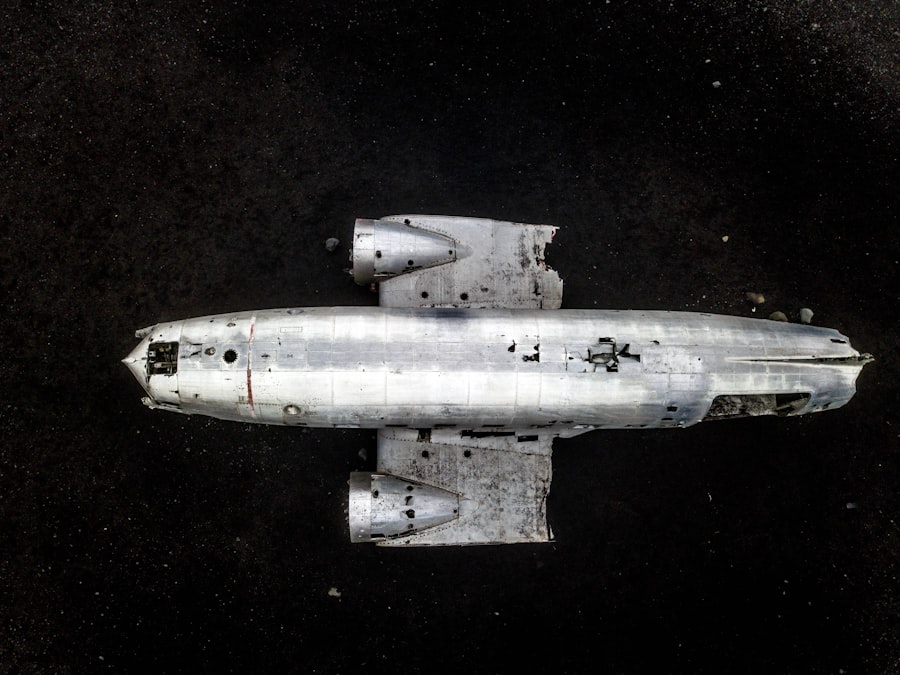
The existence of a secret space fleet implies a mastery of technologies that far surpass publicly acknowledged capabilities. This would involve breakthroughs in propulsion, energy generation, and materials science, enabling craft that can operate in ways that are currently considered theoretical or impossible.
Advanced Propulsion Systems
One of the most significant technical hurdles for interstellar or even advanced orbital travel is propulsion. Current rocket technology, while impressive, is limited in speed and efficiency. A secret space fleet would likely rely on propulsion systems that are fundamentally different, perhaps harnessing exotic principles of physics. Theories include warp drives, anti-gravity devices, or other forms of accelerated propulsion that could drastically reduce travel times and enable maneuverability beyond conventional understanding. The development of such systems would require extensive research and development, likely at the forefront of theoretical physics.
Energy Generation and Power Sources
The energy requirements for advanced spacecraft, especially those capable of long-duration missions or rapid acceleration, are immense. Secret space fleets would necessitate power sources far exceeding the capabilities of current nuclear or chemical fuels. This could involve the miniaturization of fusion reactors, the harnessing of zero-point energy, or other unconventional energy generation methods. The development and deployment of such power sources would represent a monumental technological leap and would inevitably be cloaked in secrecy.
Materials Science and Structural Integrity
Operating in the vacuum of space, subject to extreme temperatures, radiation, and potential impacts, requires materials of exceptional strength and resilience. A secret space fleet would likely employ advanced composite materials, self-healing alloys, or even exotic matter with properties currently unknown to mainstream science. The ability to construct spacecraft that can withstand the rigors of deep space travel and potentially achieve higher speeds would be contingent upon significant advancements in materials science, likely developed under classified research programs.
The Cover-Up Mechanism: Controlling the Narrative

The maintenance of such a colossal secret would require active and sophisticated cover-up mechanisms. These efforts would likely involve a multi-pronged approach, targeting public perception, scientific discourse, and information dissemination.
Disinformation and Deception Campaigns
It is plausible that governments would employ disinformation and deception campaigns to sow confusion and discredit genuine sightings or whistleblowers. This could involve the deliberate release of misleading information, the fabrication of alternative explanations for anomalous events, and the active discouragement of investigative journalism or public inquiry. The goal would be to create a fog of doubt and skepticism, making it difficult for the public to discern truth from fiction.
Suppression of Evidence and Whistleblowers
A key aspect of any cover-up is the suppression of contradictory evidence and the silencing of those who attempt to reveal the truth. This could manifest in various ways, including harassment, intimidation, the discrediting of individuals’ reputations, or even more drastic measures. Whistleblowers, if they exist, would face immense pressure and risk, making their testimonies extremely difficult to verify and often forcing them into hiding or obscurity. The legal and institutional frameworks surrounding classified information would be weaponized to prevent any leaks.
Control of Scientific and Media Discourse
The narrative surrounding space exploration and potential anomalous phenomena would likely be carefully managed. This could involve influencing scientific research agendas to steer away from sensitive areas, promoting specific theories that align with the desired narrative, and controlling the flow of information through media outlets. Independent researchers or scientists who stumble upon inconvenient truths might find their funding cut off, their research discredited, or their access to equipment denied. The aim would be to maintain a controlled intellectual environment where the secret remains largely unchallenged.
In recent discussions surrounding the intriguing concept of a government cover-up regarding a secret space fleet, many have turned to various sources for insights and evidence. One particularly compelling article explores the implications of such a fleet and the potential technologies involved. For those interested in delving deeper into this topic, you can read more about it in this fascinating article that examines the mysteries and theories surrounding the existence of advanced space programs hidden from public knowledge.
The Implications and the Lingering Questions
| Metrics | Data |
|---|---|
| Number of reported government cover-ups | 10 |
| Number of alleged secret space fleet sightings | 20 |
| Level of public awareness | Low |
| Government response | Denial |
The existence of a secret government space fleet, if proven, would have profound implications for humanity’s understanding of its place in the cosmos, its governance, and its technological trajectory. The continued secrecy, however, leaves more questions than answers.
What is the Purpose?
The most pressing question remains: what is the purpose of such a fleet? Is it for defense against unknown threats? The exploration and potential colonization of other worlds? Resource acquisition? Or perhaps something far more complex and beyond our current comprehension? The motivations behind such a clandestine endeavor are crucial to understanding its potential impact.
Who is in Control?
The question of who ultimately controls this secret fleet is also critical. Is it a unified global entity, a consortium of powerful nations, or perhaps a select group within a single government? The implications for democratic oversight and accountability would be immense if such a powerful and clandestine force were operating without public knowledge or consent.
The Ethical and Philosophical Dilemmas
The revelation of a secret space fleet would undoubtedly spark intense ethical and philosophical debates. It would challenge our existing societal structures, our understanding of progress, and potentially our anthropocentric worldview. The ethical considerations of conducting vast operations in space without public awareness, let alone the potential for encountering or interacting with other life forms, would be immense.
The Path Forward: Transparency and Inquiry
While definitive proof remains elusive, the persistent questions and the growing body of anecdotal and circumstantial evidence suggest that the narrative of a secret government space fleet is not easily dismissed. Moving forward, a commitment to greater transparency from governments regarding their space activities, coupled with an open-minded but scientifically rigorous approach to investigating anomalous phenomena, may be the only way to shed light on this enduring mystery. The possibility that humanity is not alone in its ambitions for the stars, and that some of these ambitions are being pursued in the deepest shadows, warrants continued and critical examination.
FAQs
What is the secret space fleet?
The secret space fleet, also known as the “Solar Warden” program, is a purported classified space program operated by the United States government. It is said to involve the use of advanced spacecraft and technology for missions in outer space.
Is there evidence of a secret space fleet?
There is no concrete evidence to prove the existence of a secret space fleet. However, some individuals claim to have insider knowledge and have come forward with testimonies and alleged leaked documents to support the existence of such a program.
Why would the government cover up a secret space fleet?
The alleged reasons for a government cover-up of a secret space fleet vary, but proponents of the theory suggest that it could be to maintain technological superiority, protect classified information, or avoid public scrutiny and potential panic.
What are the implications of a secret space fleet?
If a secret space fleet were to exist, it could have significant implications for international relations, space exploration, and the balance of power on Earth. It could also raise questions about the allocation of resources and the transparency of government activities.
What is the mainstream scientific and governmental response to claims of a secret space fleet?
Mainstream scientific and governmental authorities have generally dismissed claims of a secret space fleet as conspiracy theories without credible evidence. They emphasize the importance of transparency and accountability in space exploration and national security activities.