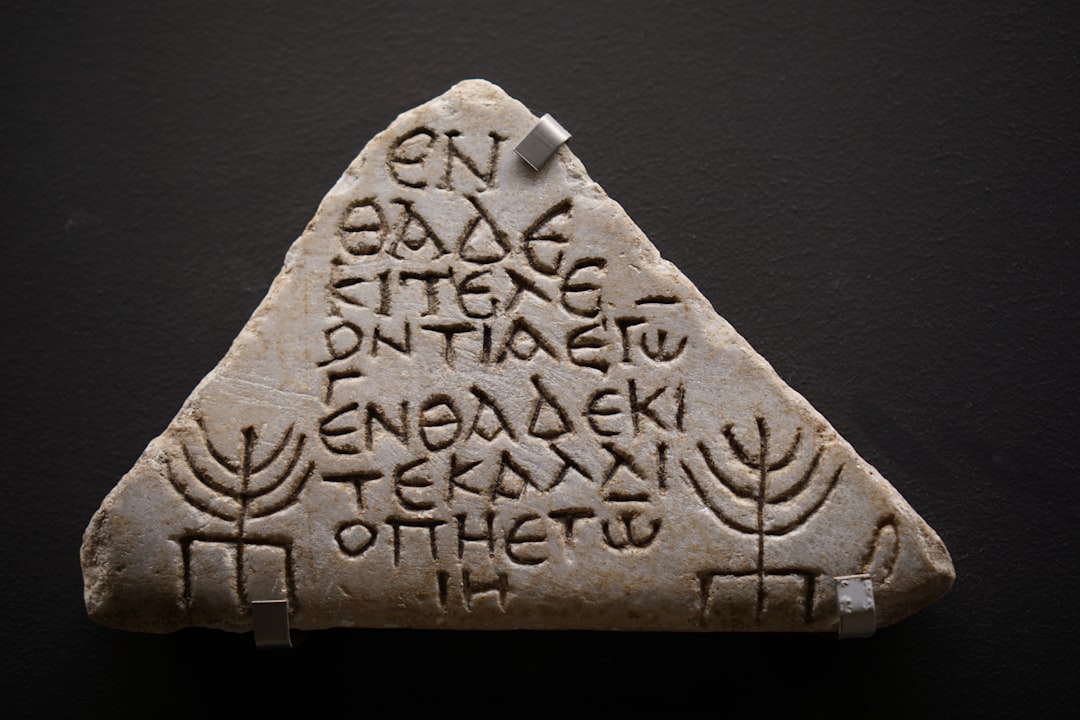
As you delve into the world of ancient civilizations, the Sumerian tablets stand out as remarkable artifacts that offer a glimpse into the early human experience. These clay tablets, inscribed with cuneiform script, are among the oldest written records known to humanity, dating back to around 3500 BCE. They serve as a window into the thoughts, beliefs, and daily lives of the Sumerians, who inhabited the region of Mesopotamia, now modern-day Iraq.
The significance of these tablets cannot be overstated; they are not merely historical documents but also repositories of knowledge that have shaped our understanding of early human culture and civilization. The Sumerian tablets encompass a wide range of topics, from administrative records and legal codes to religious texts and mythological narratives. As you explore these ancient writings, you will find that they reveal a complex society with rich traditions and beliefs.
The tablets provide insights into the Sumerians’ understanding of the cosmos, their gods, and their place in the world. By studying these artifacts, you can appreciate how the Sumerians laid the groundwork for future civilizations and contributed to the development of writing, law, and urban life.
Key Takeaways
- Ancient Sumerian tablets provide foundational myths about the creation and development of humanity.
- The Anunnaki are central figures in Sumerian mythology, credited with shaping human beings.
- Sumerian creation stories share similarities and differences with other ancient mythologies.
- The Epic of Gilgamesh offers valuable insights into early human beliefs and origins.
- Studying Sumerian art, literature, and tablets is crucial for understanding early human civilization and its legacy.
The Creation of Humanity in Sumerian Mythology
In Sumerian mythology, the creation of humanity is a profound narrative that reflects the culture’s values and beliefs. According to these ancient texts, humans were created by the gods for a specific purpose: to serve them and maintain the order of the universe. The Enuma Elish, a key creation myth, describes how the god Marduk defeated chaos and established order, subsequently creating humanity from the blood of a slain god.
This act symbolizes not only the divine authority of the gods but also humanity’s role as caretakers of the earth. As you explore this myth further, you will discover that the Sumerians viewed humanity as both a gift and a burden. While humans were created to serve the gods, they were also endowed with intelligence and creativity.
This duality reflects a deep understanding of the human condition—acknowledging both the divine purpose behind existence and the inherent struggles that come with it. The Sumerian creation story invites you to ponder your own existence and the responsibilities that come with being part of a larger cosmic order.
The Role of the Anunnaki in Shaping Humanity

Central to Sumerian mythology is the pantheon of gods known as the Anunnaki, who played a crucial role in shaping humanity’s destiny. These deities were believed to have descended from the heavens to interact with humans, guiding them in various aspects of life. The Anunnaki were not just distant figures; they were seen as active participants in human affairs, influencing everything from agriculture to governance.
As you study their stories, you will find that they embody various aspects of nature and human experience, reflecting the Sumerians’ understanding of the world around them. The Anunnaki’s involvement in human affairs raises intriguing questions about free will and divine intervention. Were humans merely puppets in a grand cosmic play orchestrated by these gods, or did they possess agency in their own lives?
This tension between divine control and human autonomy is a recurring theme in Sumerian literature. By examining these narratives, you can gain insight into how the Sumerians grappled with existential questions that continue to resonate today.
Comparing Sumerian Myths with Other Creation Stories
| Aspect | Sumerian Myths | Other Creation Stories | Comparison/Notes |
|---|---|---|---|
| Origin of the World | World created from primordial waters (Nammu) | Genesis: Created by a single God; Greek: Chaos to order | Both emphasize primordial chaos or waters as the starting point |
| Creation of Humans | Humans made from clay mixed with the blood of a god | Genesis: Formed from dust; Hindu: Created by gods’ sacrifice | Common theme of humans formed from earth or divine substance |
| Role of Gods | Multiple gods with distinct roles; gods create humans to serve them | Monotheistic: One God creates humans for relationship; Polytheistic: gods have varied roles | Sumerian myths emphasize servitude of humans to gods |
| Cosmic Order | Order established by gods through battles and decrees | Similar in Mesopotamian and Greek myths; Genesis emphasizes divine command | Conflict often precedes order in polytheistic myths |
| Flood Myth | Epic of Gilgamesh includes a great flood sent by gods | Genesis flood story; Hindu flood myths; Greek flood myths | Flood as a cleansing or punishment motif is widespread |
| Purpose of Creation | Humans created to relieve gods from labor | Varies: worship, relationship, or cosmic balance | Sumerian focus on servitude is unique |
As you compare Sumerian creation myths with those from other cultures, you will notice both similarities and differences that highlight unique perspectives on humanity’s origins. For instance, many ancient civilizations share themes of chaos giving way to order, often through divine intervention. In contrast to the Sumerian narrative where humanity is created from divine blood, other cultures may depict creation through different means—such as the breath of a god or the emergence from primordial waters.
These comparisons reveal how cultural context shapes creation stories. While some myths emphasize humanity’s connection to nature or the cosmos, others focus on moral lessons or societal values. By exploring these diverse narratives, you can appreciate how different cultures interpret their existence and purpose.
This exploration not only enriches your understanding of Sumerian mythology but also fosters a broader appreciation for human creativity in storytelling across civilizations.
The Sumerian Perspective on Human Civilization and Technology
The Sumerians were pioneers in many fields, including agriculture, writing, and urban planning. Their perspective on civilization was deeply intertwined with their technological advancements. As you examine their achievements, you will find that they viewed technology as a means to enhance life and fulfill their duties to the gods.
Innovations such as irrigation systems allowed them to cultivate fertile land, leading to surplus food production and population growth.
The tablets often reflect a sense of pride in their accomplishments while acknowledging the divine origins of their knowledge.
The Sumerians believed that their advancements were gifts from the gods, reinforcing their duty to use these gifts responsibly. As you consider this perspective, you may find parallels in modern society where technology continues to shape human experience and raise ethical questions about its use.
The Epic of Gilgamesh and its Insights into Human Origins

One of the most significant literary works from ancient Sumer is the Epic of Gilgamesh, which offers profound insights into human origins and existence. This epic poem follows the journey of Gilgamesh, a king who embarks on a quest for immortality after experiencing loss and mortality firsthand. Through his adventures, you will encounter themes of friendship, the search for meaning, and the acceptance of human limitations.
Gilgamesh’s struggles resonate with your own experiences—his quest for eternal life ultimately leads him to understand that mortality is an inherent part of existence. This realization emphasizes the importance of living fully in the present moment and cherishing relationships with others.
The Epic of Gilgamesh serves as a timeless reminder that while humanity may seek answers about its origins, it is often through our shared experiences that we find meaning.
Sumerian Contributions to Early Human History and Culture
The contributions of Sumerian civilization to early human history are vast and far-reaching. As one of the first urban societies, they established city-states that became centers of trade, culture, and governance. Their innovations in writing laid the foundation for record-keeping and communication that would influence countless generations.
As you explore these contributions, you will see how they set precedents for future civilizations in areas such as law, literature, and architecture. Moreover, Sumerian culture introduced concepts such as timekeeping through calendars and mathematics based on a sexagesimal system. These advancements not only facilitated trade but also influenced scientific thought in subsequent cultures.
By studying these contributions, you can appreciate how Sumerians shaped not only their own society but also laid groundwork for future civilizations that would build upon their achievements.
Exploring Sumerian Art and Literature for Clues about Human Origins
Sumerian art and literature provide valuable clues about their understanding of human origins and existence. Through intricate carvings, pottery, and sculptures, you can observe how they depicted their gods, daily life, and mythological narratives. These artistic expressions reveal not only aesthetic values but also cultural beliefs about humanity’s place in the universe.
Literature such as hymns and prayers further illuminates their worldview. These texts often express gratitude towards the gods for creation and sustenance while acknowledging humanity’s role as stewards of the earth. As you engage with these artistic forms, consider how they reflect both individual creativity and collective identity within Sumerian society.
This exploration can deepen your understanding of how art serves as a medium for expressing complex ideas about existence.
The Legacy of Sumerian Civilization in Modern Society
The legacy of Sumerian civilization continues to resonate in modern society in various ways. Their innovations in writing laid the groundwork for literacy and communication that are fundamental to contemporary life. As you navigate today’s world filled with written language—from books to digital media—you can trace these roots back to ancient Sumer.
Additionally, many legal concepts we take for granted today have origins in Sumerian law codes such as the Code of Ur-Nammu. The principles established by these early legal systems continue to influence modern jurisprudence around justice and governance. By recognizing this legacy, you can appreciate how ancient civilizations like Sumer have shaped not only historical narratives but also contemporary societal structures.
Debates and Controversies Surrounding Sumerian Accounts of Human Origins
Despite their significance, debates surrounding Sumerian accounts of human origins persist among scholars and enthusiasts alike. Some argue that interpretations of these myths may be overly simplistic or influenced by modern perspectives that do not accurately reflect ancient beliefs. Others question whether these narratives should be taken literally or metaphorically when considering their implications for understanding humanity’s beginnings.
As you engage with these discussions, consider how interpretations evolve over time based on new discoveries or changing cultural contexts. The complexity of ancient texts invites diverse viewpoints that enrich our understanding while also highlighting gaps in knowledge about early human history. By participating in these debates, you can contribute to ongoing conversations about what it means to explore our origins through ancient narratives.
The Importance of Studying Sumerian Tablets for Understanding Humanity’s Origins
Studying Sumerian tablets is crucial for understanding humanity’s origins because they provide direct access to one of our earliest civilizations’ thoughts and beliefs. These artifacts offer insights into how ancient peoples grappled with existential questions about creation, purpose, and identity—issues that remain relevant today. As you engage with these texts, you will uncover layers of meaning that inform not only historical scholarship but also contemporary philosophical inquiries.
Moreover, examining these tablets fosters an appreciation for cultural diversity in storytelling about human origins across different societies. By recognizing common themes while celebrating unique perspectives within various mythologies—including those from Sumer—you can cultivate a deeper understanding of what it means to be human in an interconnected world. Ultimately, studying Sumerian tablets enriches your exploration into our shared past while illuminating pathways toward future inquiry into humanity’s enduring quest for meaning.
The ancient Sumerian tablets provide fascinating insights into human creation myths, revealing how early civilizations understood their origins. For a deeper exploration of these ancient texts and their implications, you can read more in this related article: Ancient Sumerian Tablets and Human Creation. This resource delves into the narratives and interpretations surrounding these significant artifacts, shedding light on the beliefs of one of the world’s earliest cultures.
WATCH THIS! The DNA Evidence That Proves Humans Are NOT From Earth
FAQs
What are Ancient Sumerian tablets?
Ancient Sumerian tablets are clay tablets inscribed with cuneiform script, created by the Sumerians, one of the earliest known civilizations in Mesopotamia, around 3000 BCE. These tablets contain records, literature, legal codes, and religious texts.
Do Ancient Sumerian tablets mention human creation?
Yes, some Ancient Sumerian tablets include myths and stories related to the creation of humans. These narratives often describe gods shaping humans from clay or other materials to serve divine purposes.
What is the significance of the Sumerian creation myths?
Sumerian creation myths provide insight into early human beliefs about the origins of life and the role of gods. They influenced later Mesopotamian cultures and contributed to the development of religious and mythological traditions in the ancient Near East.
Which gods are involved in the Sumerian human creation stories?
In Sumerian mythology, gods such as Enki (god of wisdom and water) and Ninhursag (goddess of fertility and earth) are often depicted as creators or helpers in the formation of humans.
How were humans created according to Sumerian tablets?
According to some Sumerian texts, humans were created from clay mixed with the blood of a slain god, combining divine essence with earthly material to form mankind.
Are the Sumerian creation stories similar to other ancient creation myths?
Yes, Sumerian creation stories share themes with other ancient myths, such as the use of clay in human formation and the involvement of gods in creation. These similarities suggest cultural exchanges and common motifs in ancient Near Eastern mythology.
Where can one find translations of Ancient Sumerian tablets?
Translations of Ancient Sumerian tablets can be found in academic publications, museums with Mesopotamian collections, and online databases dedicated to ancient texts and cuneiform studies.
Why are Ancient Sumerian tablets important for understanding human history?
These tablets are among the earliest written records, providing valuable information about early human civilization, language, religion, law, and social organization, including foundational ideas about human origins.