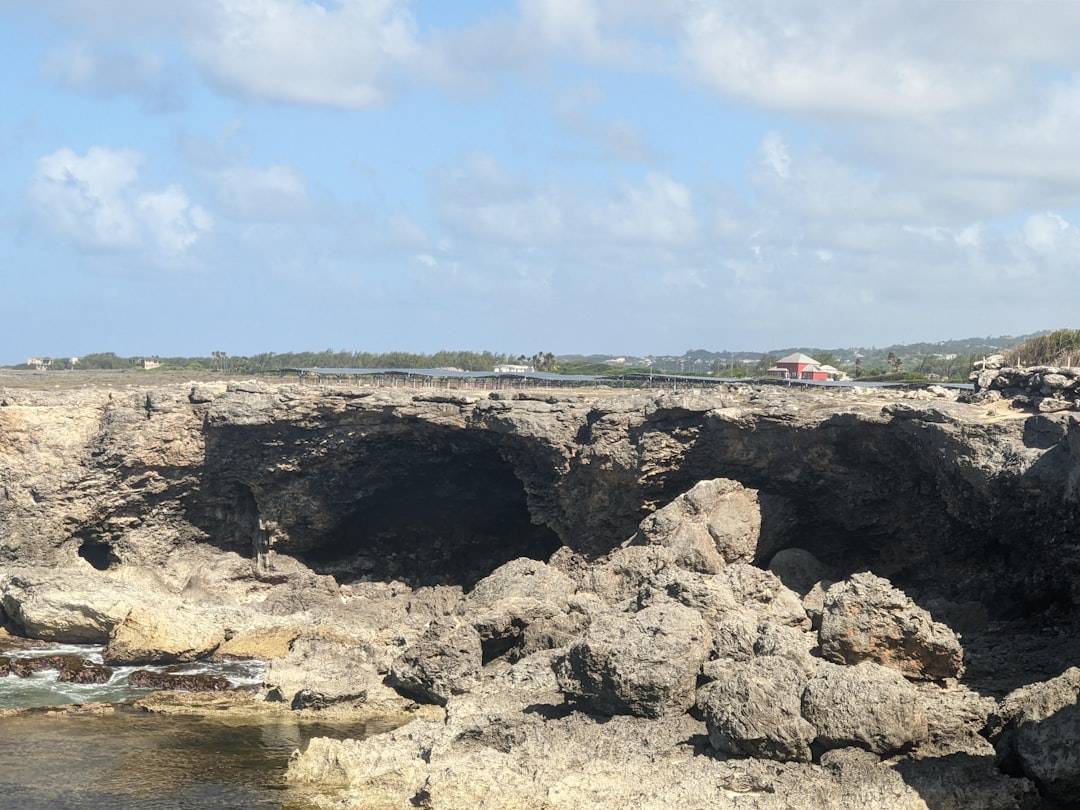
The Puerto Rico Trench is a major oceanic trench located in the northeastern Caribbean Sea, representing the deepest point in the Atlantic Ocean. The trench extends approximately 1,200 kilometers in length and reaches maximum depths exceeding 8,000 meters at its deepest point, known as the Milwaukee Deep, which measures 8,648 meters below sea level. The trench formed through the subduction process where the North American Plate slides beneath the Caribbean Plate along a convergent plate boundary.
This ongoing tectonic activity creates the characteristic V-shaped depression that defines the trench’s morphology. The subduction zone generates significant seismic activity in the region, producing earthquakes that can affect Puerto Rico and surrounding Caribbean islands. The Puerto Rico Trench supports unique deep-sea ecosystems adapted to extreme pressure, low temperatures, and absence of sunlight.
These hadal zone environments contain specialized organisms including amphipods, xenophyophores, and various microbial communities that have evolved to survive under pressures exceeding 800 times atmospheric pressure at sea level. The trench serves multiple research purposes for oceanographers, marine biologists, and geologists studying deep-sea processes, plate tectonics, and extremophile organisms. Its proximity to populated Caribbean islands also makes it significant for tsunami risk assessment and seismic hazard evaluation.
The United States Geological Survey and other scientific institutions regularly monitor the trench for seismic activity and conduct research expeditions to study its geological and biological characteristics.
Key Takeaways
- The Puerto Rico Trench holds significant strategic and national security value for the Navy.
- Unique geological features make the trench a critical site for scientific research and discovery.
- The Navy actively conducts research and exploration to understand and utilize the trench’s potential.
- The trench presents opportunities and challenges for underwater warfare and naval operations.
- Environmental concerns drive conservation efforts alongside military and scientific activities in the trench.
The Navy’s Interest in the Puerto Rico Trench
The United States Navy has long been interested in the Puerto Rico Trench due to its strategic location and unique characteristics. The trench’s proximity to key maritime routes in the Caribbean makes it an area of operational significance for naval forces. The Navy recognizes that understanding the trench’s geography and ecology can provide valuable insights into potential underwater operations and enhance their capabilities in the region.
This interest is not merely academic; it is rooted in the practical need to maintain maritime security and ensure freedom of navigation in these vital waters. Moreover, the Navy’s interest extends beyond immediate operational concerns. The trench presents opportunities for advanced research into underwater acoustics, submarine warfare tactics, and environmental monitoring.
By studying the trench’s depths, the Navy can develop better technologies for detecting submarines and other underwater threats. This research is crucial in an era where naval warfare increasingly relies on stealth and precision, making the ability to navigate and operate effectively in complex underwater environments essential. Many people have reported [USO sightings] near coastal areas around the world.
The Strategic Importance of the Trench for the Navy
The strategic importance of the Puerto Rico Trench cannot be overstated. As a critical juncture between the Atlantic Ocean and the Caribbean Sea, it serves as a gateway for naval operations in both regions. The trench’s depth provides a natural advantage for submarines, allowing them to operate undetected while conducting surveillance or engaging in tactical maneuvers.
This capability is vital for maintaining a strategic edge over potential adversaries who may seek to challenge U.S. interests in the Caribbean. Additionally, the trench’s geographical features can be leveraged for various military operations.
The Navy can utilize its depths for training exercises, testing new technologies, and conducting research on underwater warfare strategies. The ability to operate in such a challenging environment enhances the Navy’s readiness and adaptability, ensuring that it remains prepared to respond to any threats that may arise in this strategically significant area.
The Trench’s Unique Geological Features
The Puerto Rico Trench is characterized by its unique geological features, which include steep slopes, deep-sea vents, and diverse marine habitats. These features are a result of complex tectonic activity that has shaped the region over millions of years. The trench is home to various geological formations, including fault lines and sedimentary deposits that provide valuable information about Earth’s geological history.
Scientists are particularly interested in studying these formations to gain insights into plate tectonics and seismic activity. In addition to its geological significance, the trench supports a rich biodiversity that thrives in extreme conditions. Deep-sea organisms have adapted to high pressures and low temperatures, creating unique ecosystems that are still largely unexplored.
The presence of hydrothermal vents within the trench further contributes to its ecological diversity, providing habitats for specialized species that rely on chemosynthesis rather than photosynthesis for energy. This unique combination of geological and biological features makes the Puerto Rico Trench an invaluable site for scientific research.
The Navy’s Research and Exploration Efforts in the Trench
| Metric | Data | Notes |
|---|---|---|
| Location | Puerto Rico Trench, North Atlantic Ocean | Deepest part of the Atlantic Ocean |
| Maximum Depth | 8,376 meters (27,480 feet) | Measured at Milwaukee Deep |
| Naval Activity | Classified | Details about secret naval operations are not publicly available |
| Known Military Installations | None officially confirmed | Speculated to be used for submarine operations |
| Strategic Importance | High | Key location for underwater surveillance and defense |
| Research Missions | Several US Navy and scientific expeditions | Focus on oceanography and submarine capabilities |
The United States Navy has undertaken various research and exploration efforts in the Puerto Rico Trench to better understand its complexities and potential applications for military operations. Collaborating with scientific institutions and marine research organizations, the Navy has invested in advanced technologies such as remotely operated vehicles (ROVs) and autonomous underwater vehicles (AUVs) to explore the trench’s depths. These tools allow researchers to gather data on geological formations, marine life, and environmental conditions without risking human lives.
Through these exploration efforts, the Navy aims to enhance its understanding of underwater acoustics and sonar technology. By studying how sound travels through different water layers and geological structures, naval researchers can improve their capabilities in detecting submarines and other underwater threats. This research not only benefits military operations but also contributes to broader scientific knowledge about oceanography and marine ecosystems.
The Trench’s Role in National Security
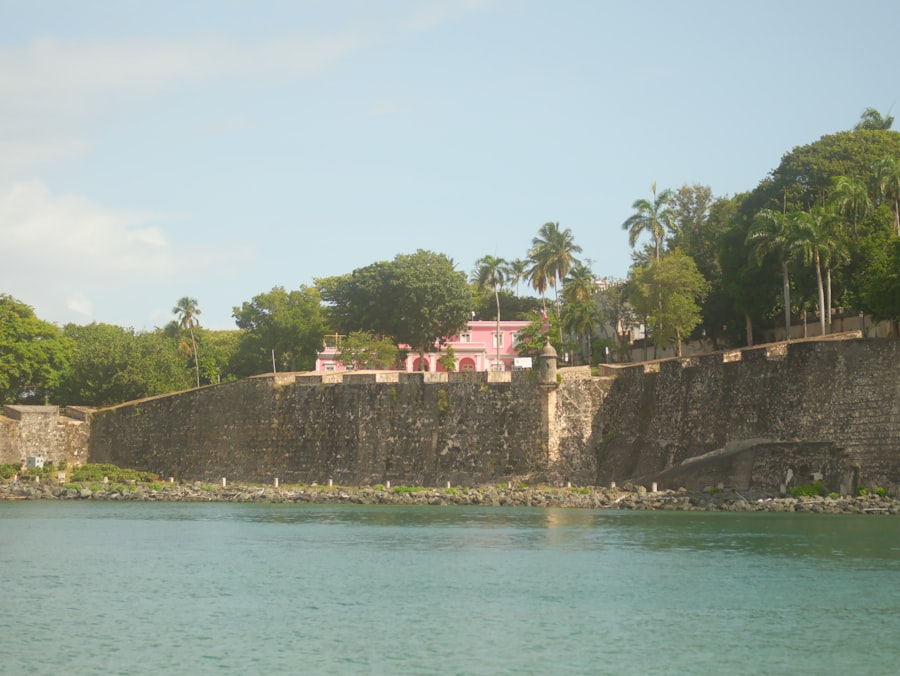
The Puerto Rico Trench plays a crucial role in national security by serving as a strategic location for monitoring maritime activities in the Caribbean region.
S. interests. The Navy’s presence in this area allows for enhanced surveillance capabilities, enabling timely responses to any emerging threats. Furthermore, the trench’s depths provide a natural environment for conducting covert operations. Submarines can utilize the trench as a hiding place while gathering intelligence or preparing for missions without detection. This capability is particularly important in an era where asymmetric warfare tactics are increasingly employed by adversaries seeking to exploit vulnerabilities in traditional military strategies.
The Trench’s Potential for Underwater Warfare
The unique characteristics of the Puerto Rico Trench present significant potential for underwater warfare strategies. Its depth offers an ideal environment for submarines to conduct stealth operations while remaining undetected by surface vessels or aerial surveillance. This advantage allows naval forces to gather intelligence or launch surprise attacks against adversaries without revealing their positions.
Moreover, the trench’s complex geological features can be utilized to develop advanced tactics for underwater combat. By understanding how sound travels through different layers of water and geological formations, naval strategists can devise innovative approaches to counter enemy submarines or enhance their own operational effectiveness. The ongoing research into these aspects of underwater warfare underscores the importance of the Puerto Rico Trench as a focal point for military innovation.
Environmental Concerns and Conservation Efforts in the Trench
While the strategic importance of the Puerto Rico Trench is clear, it is equally essential to address environmental concerns associated with military activities in this sensitive ecosystem. The trench is home to unique marine life that could be adversely affected by increased naval operations or exploration activities. As such, there is a growing recognition of the need for conservation efforts to protect this fragile environment.
The Navy has taken steps to mitigate its impact on the trench by collaborating with environmental organizations and adhering to best practices for marine conservation. These efforts include conducting environmental assessments before undertaking research or operational activities and implementing measures to minimize disturbances to marine habitats. By prioritizing environmental stewardship alongside military objectives, the Navy aims to balance national security needs with ecological preservation.
The Trench’s Impact on Naval Operations
The Puerto Rico Trench significantly impacts naval operations by providing both challenges and opportunities for military forces operating in the region. Its depth and complexity require specialized training and equipment for submarines and other vessels navigating these waters. Understanding the trench’s geography is crucial for planning missions effectively and ensuring safe passage through this challenging environment.
Additionally, the trench serves as a testing ground for new technologies and tactics that can enhance naval capabilities. By conducting exercises in this unique setting, naval forces can refine their skills in underwater navigation, sonar detection, and combat strategies tailored to deep-sea environments. This continuous adaptation ensures that the Navy remains prepared to face evolving threats while maximizing its operational effectiveness.
The Trench’s Role in Scientific Research and Discovery
Beyond its military significance, the Puerto Rico Trench plays a vital role in scientific research and discovery. Its unique geological features and diverse ecosystems provide opportunities for researchers to study fundamental questions about oceanography, marine biology, and geology. Ongoing exploration efforts have led to new discoveries about deep-sea organisms, their adaptations, and their roles within marine ecosystems.
Furthermore, research conducted in the trench contributes to broader scientific knowledge about climate change and its impacts on oceanic environments. By studying sediment cores from the trench floor, scientists can gain insights into historical climate patterns and how they have influenced marine life over time. This research not only enhances understanding of past events but also informs predictions about future changes in ocean ecosystems.
The Future of the Puerto Rico Trench and the Navy’s Involvement
As interest in the Puerto Rico Trench continues to grow among both military strategists and scientists, its future remains a topic of significant importance. The Navy’s involvement in research and exploration efforts will likely expand as new technologies emerge and geopolitical dynamics evolve. Balancing national security needs with environmental conservation will be crucial as military activities increase in this sensitive region.
Looking ahead, collaboration between military organizations and scientific communities will be essential for maximizing the benefits of research conducted in the trench while minimizing potential impacts on its delicate ecosystems. By fostering partnerships that prioritize both security and sustainability, stakeholders can ensure that the Puerto Rico Trench remains a site of discovery and strategic importance for generations to come.
The Puerto Rico Trench has long been a subject of intrigue, particularly regarding the Navy’s secretive activities in the area. For those interested in exploring more about the mysterious findings and theories surrounding this underwater trench, you can read a related article on the topic at XFile Findings. This resource delves into various unexplained phenomena and government secrets, shedding light on the enigmatic nature of the trench and its significance in naval operations.
WATCH THIS! 🤯 THEY FOUND IT: NAVY EXPERT EXPOSES PUERTO RICO TRENCH SECRET 🤫
FAQs
What is the Puerto Rico Trench?
The Puerto Rico Trench is the deepest part of the Atlantic Ocean, located north of Puerto Rico and the Dominican Republic. It is a significant geological feature formed by the subduction of the North American Plate beneath the Caribbean Plate.
Why is the Puerto Rico Trench important to the Navy?
The Puerto Rico Trench is strategically important to the Navy due to its depth and location. It serves as a site for underwater research, submarine navigation, and monitoring seismic activity, which is crucial for national security and disaster preparedness.
Are there any known Navy secrets related to the Puerto Rico Trench?
While specific classified operations are not publicly disclosed, the Navy has conducted various underwater missions and research in the Puerto Rico Trench area. These activities often involve advanced technology and strategic surveillance, but detailed information remains confidential.
What kind of research is conducted in the Puerto Rico Trench?
Research in the Puerto Rico Trench includes geological studies, oceanographic surveys, and marine biology investigations. The Navy and scientific organizations study seismic activity, deep-sea ecosystems, and underwater topography to better understand the trench’s environment.
Has the Puerto Rico Trench been involved in any military operations?
The Puerto Rico Trench’s depth and location make it a valuable area for submarine operations and training exercises. While specific military operations are not publicly detailed, the trench is considered a strategic underwater zone for naval activities.
Can civilians access the Puerto Rico Trench?
Access to the Puerto Rico Trench is limited due to its depth and military interest. Scientific expeditions may obtain permits for research purposes, but general civilian access is restricted, especially for areas under naval jurisdiction.
What threats does the Puerto Rico Trench pose?
The Puerto Rico Trench is a seismic hotspot, capable of generating earthquakes and tsunamis that could impact Puerto Rico and surrounding regions. Monitoring these threats is a priority for both civilian agencies and the Navy to ensure early warning and preparedness.
How deep is the Puerto Rico Trench?
The Puerto Rico Trench reaches depths of approximately 8,376 meters (27,480 feet), making it the deepest point in the Atlantic Ocean and one of the deepest trenches worldwide.