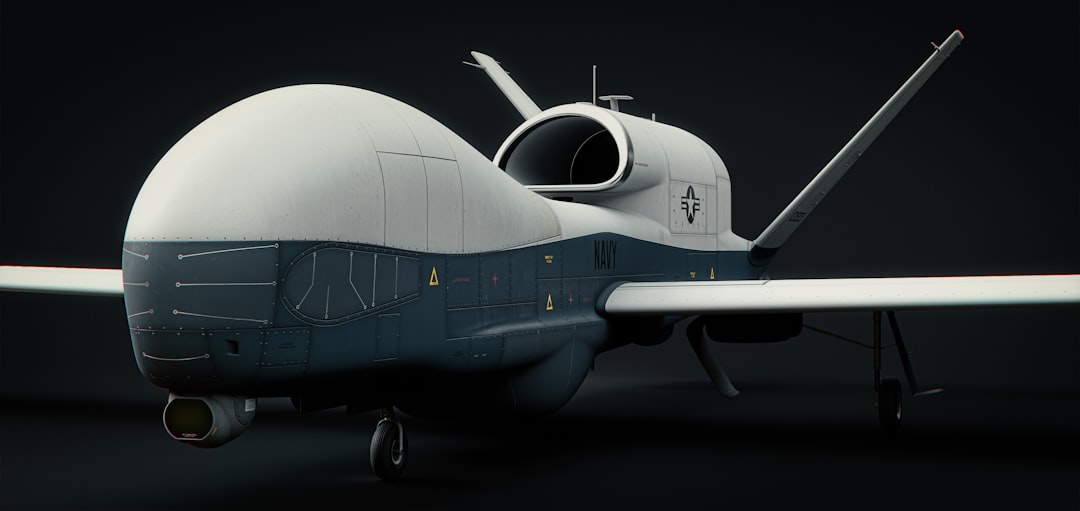
The United States Air Force’s X-37B Orbital Test Vehicle, colloquially known as the “spaceplane,” has been a subject of considerable speculation and intrigue since its first mission in 2010. Operating in secrecy, its purpose and capabilities remain largely undefined by official sources, leading to a proliferation of theories ranging from advanced reconnaissance to experimental weapons deployment. This article aims to examine the known facts, observed behaviors, and plausible objectives of the X-37B program, as well as discuss the broader implications of a reusable, uncrewed spaceplane fleet for the future of space operations.
The X-37B’s lineage traces back to NASA’s early 21st-century efforts to develop a reusable crew-less spaceplane. Intended to shuttle payloads to and from the International Space Station, the program was transferred to the U.S. Air Force in 2004, which then spearheaded its further development into the X-37B as a vehicle for advanced technological testing.
A Legacy of Reusability and Aerodynamics
The X-37B’s design is rooted in the principles of aerodynamic flight, allowing it to re-enter the atmosphere and land like an aircraft. This contrasts with traditional expendable rockets and capsules, offering a significant advantage in terms of cost-effectiveness and operational flexibility. The vehicle’s swept-wing configuration and aerodynamic surfaces suggest its ability to maneuver within the atmosphere, a capability not typically associated with orbital spacecraft.
Early Prototypes and NASA’s Role
The initial X-37 program at NASA focused on demonstrating the feasibility of a re-entry and landing system. These early prototypes, while not identical to the operational X-37B, laid the groundwork for the vehicle’s fundamental architectural design. The transition to the Air Force marked a shift in emphasis from space transportation to military application.
Aerodynamic Control Surfaces and Atmospheric Re-entry
The presence of elevons, rudder, and body flaps on the X-37B are critical indicators of its atmospheric re-entry and landing capabilities. These control surfaces are designed to manage the extreme heat and aerodynamic forces encountered during re-entry, and to enable controlled flight to a runway. This level of atmospheric maneuverability differentiates it from orbital spacecraft that typically splash down or land via parachute.
Scale and Configuration
The X-37B is relatively small, measuring approximately 29 feet in length and with a wingspan of around 15 feet. It is capable of carrying a payload of roughly 500 pounds. Despite its modest dimensions, its operational flexibility makes it a significant platform for advanced testing.
Payload Bay Dimensions and Potential Use
While the specific dimensions of the X-37B’s payload bay are not publicly disclosed, its size suggests it can accommodate a range of experimental hardware. This could include sensors, testing equipment for new materials, or even components for future space systems. The ability to deploy and retrieve experiments from orbit is a key aspect of its utility.
Power Generation and Propulsion
The X-37B is powered by solar arrays that deploy after reaching orbit, providing electrical power for its onboard systems and experiments. Its primary propulsion for orbital maneuvers is via a small thruster system. The integration of solar power for extended missions is a critical design feature enabling its long-duration capabilities.
The X-37B, a highly classified spaceplane operated by the U.S. Air Force, has been the subject of much intrigue due to its secretive missions and advanced technology. For those interested in exploring more about the implications of its operations and the future of spaceplane fleets, a related article can be found at this link. This article delves into the capabilities of the X-37B and its role in shaping modern aerospace strategies.
The Secret Missions: Unpacking the Orbital Deployments
The X-37B has undertaken several long-duration missions, spending hundreds of days in orbit on each deployment. The precise nature of the experiments conducted during these missions remains a closely guarded secret, fueling extensive speculation.
Mission Duration and Orbital Parameters
The X-37B missions have consistently surpassed expectations in terms of endurance. These extended orbital stays allow for sustained data collection and testing of advanced technologies under the persistent conditions of space.
Variations in Orbital Altitude and Inclination
Each X-37B mission has varied in its orbital parameters, including altitude and inclination. These adjustments are likely made to suit the specific objectives of the experiments being conducted, or to gain access to different regions of the Earth or space for observational purposes.
The Significance of Long-Duration Spaceflight
The ability to remain in orbit for extended periods is crucial for certain types of scientific and military testing. This includes observing long-term effects of space on materials, testing the reliability of advanced electronic components, or conducting continuous surveillance. The Air Force’s investment in the X-37B underscores the perceived value of such protracted orbital operations.
Observed Activities and Unanswered Questions
Despite the secrecy, amateur astronomers and orbital tracking enthusiasts have occasionally observed the X-37B, providing fragmented data about its behavior in orbit. These observations, while limited, offer clues about its potential functionalities.
Payload Deployments and Trajectory Anomalies
Reports and tracking data have suggested that the X-37B has deployed payloads or exhibits unusual trajectory maneuvers. While official explanations are scarce, these events have led to theories about the remote operation of external devices or advanced orbital maneuvering capabilities.
The Mystery of the “Staging” Behavior
Some observers have noted instances where the X-37B appears to alter its orbital parameters in a way that suggests the deployment or retrieval of something from its payload bay. This has led to speculation about its capacity to deploy smaller satellites, conduct in-orbit servicing, or even gather space debris.
Probable Missions and Capabilities

Given the limited public information, analysts and observers have developed several theories regarding the X-37B’s primary missions and capabilities. These theories are driven by the vehicle’s design, its operational history, and broader military and scientific objectives.
Advanced Reconnaissance and Intelligence Gathering
The ability of the X-37B to operate for extended periods in orbit, coupled with its potential for atmospheric re-entry and landing, makes it a highly capable platform for reconnaissance and intelligence gathering.
Precision Imaging and Signal Interception
The spaceplane could be equipped with advanced imaging systems capable of capturing high-resolution imagery of terrestrial targets. Furthermore, its orbital position provides a unique vantage point for intercepting and analyzing electronic signals from various sources on the ground or in the air.
Stealth and Persistence Advantages
The X-37B’s small size and its ability to operate in various orbits can contribute to its stealth. Its persistent presence in space, unlike aircraft with limited flight times, allows for continuous monitoring and intelligence collection over specific areas of interest. This sustained observation capability is a significant advantage for tactical and strategic intelligence.
Space Technology Demonstration and Experimentation
A core function of the X-37B program is likely the testing and validation of new space technologies in a realistic operational environment. This includes advancements in propulsion, navigation, power systems, and materials science.
Testing of Advanced Propulsion Systems
The X-37B could be used to test novel propulsion systems that are too complex or experimental for current satellite platforms. This could include testing of next-generation electric propulsion, advanced maneuvering thrusters, or even experimental rocket engines for future space vehicles.
Evaluation of New Materials and Electronics
The harsh environment of space poses unique challenges for materials and electronic components. The X-37B provides a platform for exposing these materials and components to prolonged radiation, vacuum, and temperature extremes, allowing for their performance evaluation and the identification of potential weaknesses or failure modes.
Potential for Space-Based Weapons Development and Testing
While unconfirmed, a significant area of speculation surrounds the X-37B’s potential role in the development and testing of space-based weapons. Its versatility as an orbital platform could facilitate the testing of various offensive and defensive capabilities.
Directed Energy Weapon Prototypes
The X-37B’s payload bay could accommodate prototypes for directed energy weapons, such as laser systems or high-power microwave emitters. These could be tested for their ability to engage targets in space or even on the ground.
Anti-Satellite (ASAT) Capabilities
The spaceplane’s maneuverability and its ability to potentially deploy or interact with other objects in orbit could be relevant to anti-satellite operations. It might be used to test methodologies for disabling or destroying enemy satellites.
The Spaceplane Fleet: Expanding Horizons

The success of the X-37B program has paved the way for the concept of a broader spaceplane fleet. Such a fleet would represent a significant evolution in how the United States and potentially other nations conduct operations in space, moving towards more agile, reusable, and versatile assets.
The Evolution of Reusable Spacecraft
The X-37B is a harbinger of a future where spacecraft are not single-use, but rather reusable assets capable of multiple missions. This paradigm shift promises to reduce costs and increase the operational tempo of space activities.
From Expendable Rockets to Agile Spaceplanes
The reliance on expendable rockets for launching payloads into orbit has been a significant cost factor. Reusable spaceplanes like the X-37B offer an alternative, allowing for rapid deployment, retrieval, and refurbishment, thus enhancing mission flexibility.
Advantages of On-Demand Space Access
A spaceplane fleet could offer on-demand access to space, enabling rapid deployment of assets or retrieval of critical payloads in response to evolving mission requirements or unforeseen circumstances. This agility is a crucial advantage in a contested space environment.
Potential Roles of a Future Spaceplane Fleet
A diversified spaceplane fleet could fulfill a wide range of missions, from scientific research and satellite servicing to national security operations. The modular design of future spaceplanes could allow for rapid configuration changes to suit specific mission needs.
Satellite Servicing and Maintenance
Future spaceplanes could be tasked with orbital servicing missions, including refueling, repairing, or upgrading existing satellites. This capability would extend the lifespan of valuable space assets and reduce the need for costly replacements.
Space Situational Awareness and Debris Removal
A spaceplane fleet could play a crucial role in enhancing space situational awareness by deploying sensors or actively monitoring orbital traffic. Furthermore, it could be employed in the development and deployment of technologies for removing hazardous space debris.
Rapid Deployment of Small Satellites and Constellations
The spaceplane’s capacity to carry and deploy multiple small satellites could facilitate the rapid establishment of new satellite constellations for communication, observation, or other purposes. This would enable a more dynamic approach to organizing space-based capabilities.
The X-37B spaceplane has captured the attention of many due to its secretive missions and advanced technology, which have sparked curiosity about its role in the future of space exploration. For those interested in delving deeper into the implications of these missions and the broader context of the U.S. spaceplane fleet, a related article can be found at X-File Findings. This resource provides insightful analysis and updates on the ongoing developments surrounding the X-37B and its potential impact on national security and space policy.
Implications and Future Outlook
| Mission | Launch Date | Duration | Notes |
|---|---|---|---|
| OTV-1 | April 22, 2010 | 224 days | First mission |
| OTV-2 | March 5, 2011 | 468 days | Longest mission |
| OTV-3 | December 11, 2012 | 675 days | First landing at Vandenberg AFB |
| OTV-4 | May 20, 2015 | 717 days | First landing at Kennedy Space Center |
| OTV-5 | September 7, 2017 | 779 days | Longest mission |
The development and operational deployment of the X-37B, and the potential for a future spaceplane fleet, carry significant implications for international space policy, security, and the future of space exploration.
The Dual-Use Nature of Space Technology
The X-37B exemplifies the dual-use nature of advanced space technologies. Capabilities developed for peaceful scientific research often have direct applications in national security, creating a complex landscape for international cooperation and arms control.
Challenges for Arms Control and Transparency
The covert nature of the X-37B’s missions presents challenges for arms control initiatives and efforts to promote transparency in space activities. The lack of definitive information about its capabilities makes it difficult to establish clear norms of behavior.
The Militarization of Space Debate
The continued development of advanced space vehicles like the X-37B fuels ongoing debate about the militarization of space. Concerns exist about the potential for an arms race in orbit and the weaponization of space.
The Future of Orbital Operations
The X-37B and its successors are likely to redefine the operational landscape of space. The shift towards reusable, agile spaceplanes represents a significant technological advancement with broad-reaching consequences.
Increased Operational Tempo and Flexibility
A spaceplane fleet promises to dramatically increase the tempo and flexibility of space operations, allowing for more rapid responses to emerging challenges and opportunities in orbit.
Redefining Space Superiority
Control and dominance in space will likely be redefined by the ability to deploy and operate advanced, reusable spaceplanes. These vehicles could become crucial assets for projecting power and maintaining a strategic advantage in the orbital domain.
In conclusion, the X-37B spaceplane remains a subject of intense scrutiny due to its clandestine operations and the limited information available regarding its true purpose. While official statements emphasize technological testing, the advanced capabilities inherent in its design and its extended orbital missions suggest a broader spectrum of potential applications, including reconnaissance, and potentially even the development of novel space-based military technologies. The ongoing development of reusable spaceplanes signifies a fundamental shift in the future of space operations, promising greater agility, flexibility, and a redefinition of what is possible in the orbital domain. The international community faces the challenge of understanding and navigating the implications of these advanced technologies as humanity’s presence in space continues to evolve.
FAQs
What is the X-37B spaceplane?
The X-37B is a reusable robotic spaceplane that is operated by the United States Air Force and has been used for various classified missions in space.
What are the secret missions of the X-37B spaceplane?
The specific details of the X-37B’s missions are classified, but it is known to have been used for testing advanced space technologies and conducting experiments in orbit.
How many X-37B spaceplanes are in the fleet?
As of now, there are two known X-37B spaceplanes in the fleet, with each vehicle having completed multiple missions in space.
How long can the X-37B spaceplane stay in orbit?
The X-37B is designed to stay in orbit for extended periods of time, with its longest mission lasting for over two years before returning to Earth.
What are the future plans for the X-37B spaceplane fleet?
The United States Air Force has expressed interest in continuing to use the X-37B for classified missions and further developing its capabilities for future space operations.