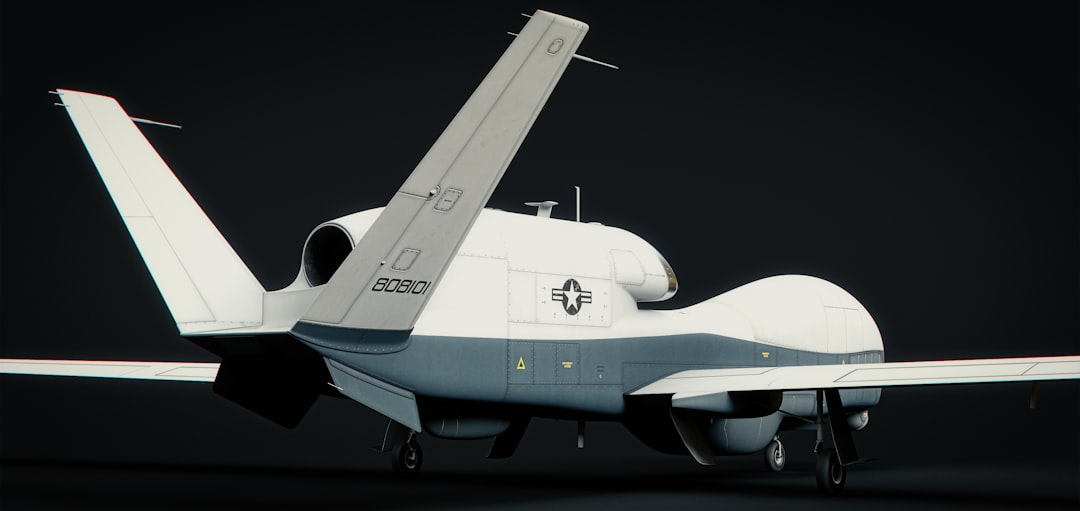
Unidentified Flying Objects (UFOs) have long captured the imagination of the public and military alike. These enigmatic phenomena, often associated with extraterrestrial life, have been the subject of intense scrutiny and speculation. The military significance of UFOs extends beyond mere curiosity; it encompasses national security, technological advancement, and strategic planning.
As nations grapple with the implications of these sightings, the need for a comprehensive understanding of their potential impact on military operations becomes increasingly critical.
Governments around the world have invested considerable resources into investigating these aerial anomalies, recognizing that they could represent advanced technology or even hostile threats.
The intersection of UFO sightings and military operations raises essential questions about preparedness, response strategies, and the broader implications for national defense. As such, the study of UFOs is not just an exploration of the unknown but a vital component of contemporary military strategy.
Key Takeaways
- UFO encounters have historically influenced military strategy and intelligence operations.
- UFOs pose potential threats to national security and military communications.
- Military technology development has been impacted by insights gained from UFO sightings.
- UFO phenomena affect international military alliances and diplomatic relations.
- Ethical and legal considerations are critical in shaping military responses to UFO encounters.
Historical encounters between military forces and UFOs
Throughout history, there have been numerous documented encounters between military forces and UFOs, each contributing to the growing body of evidence surrounding these mysterious objects. One of the most notable incidents occurred in 1947 when U.S. Air Force pilots reported sightings of strange flying objects over Roswell, New Mexico.
This event sparked widespread interest and speculation about the existence of extraterrestrial life and prompted the military to investigate further. The Roswell incident marked a turning point in how the military approached UFO phenomena, leading to the establishment of programs aimed at understanding these encounters. In addition to Roswell, other significant military encounters have occurred worldwide.
These encounters raised alarms within military circles, as they suggested the possibility of advanced technology that could threaten national security. The historical context of these incidents illustrates how military forces have had to adapt their strategies in response to unexplained aerial phenomena, highlighting the ongoing relevance of UFOs in military discourse.
The potential threat posed by UFOs to national security
The potential threat posed by UFOs to national security cannot be overstated. As nations invest in advanced aerial technologies, the possibility that unidentified objects could represent foreign adversaries or even hostile entities becomes a pressing concern. Military analysts have raised alarms about the implications of UFO sightings for airspace security, particularly in regions where tensions are high.
The ability of these objects to evade detection by radar systems and their unpredictable flight patterns pose significant challenges for national defense. Moreover, the psychological impact of UFO sightings on military personnel cannot be ignored. Pilots and ground crews who encounter these phenomena may experience heightened anxiety and uncertainty, which can affect their operational readiness.
The fear of an unknown adversary lurking in the skies can lead to overreactions or miscalculations during critical moments. As such, understanding the nature of UFOs is essential for maintaining a robust national defense posture and ensuring that military forces are prepared to respond effectively to any potential threats.
The role of UFO sightings in shaping military strategy
UFO sightings have played a pivotal role in shaping military strategy over the decades. As reports of unidentified aerial phenomena continue to emerge, military leaders are compelled to reassess their operational protocols and response strategies. The unpredictability associated with these sightings necessitates a flexible approach to air defense and surveillance operations.
Military strategists must consider the possibility that these objects could be advanced technologies developed by rival nations or even non-state actors. In response to this evolving landscape, many militaries have begun to incorporate UFO data into their strategic planning processes. By analyzing patterns in sightings and understanding the capabilities exhibited by these objects, military leaders can develop more effective countermeasures and enhance their situational awareness.
This proactive approach not only strengthens national defense but also fosters collaboration among various branches of the armed forces as they work together to address this complex issue.
How military technology has been influenced by UFO encounters
| Metric | Description | Relevance to UFO Strategic Military Significance | Example/Notes |
|---|---|---|---|
| Detection Frequency | Number of UFO sightings detected by military radar and sensors | Indicates potential recurring presence or surveillance by unknown aerial objects | Increased sightings near sensitive military installations |
| Flight Characteristics | Speed, maneuverability, and altitude capabilities of UFOs | Helps assess technological advancement and threat level compared to known aircraft | Sudden acceleration and silent hovering reported |
| Electronic Interference | Instances of communication or radar disruption coinciding with UFO presence | Potential for electronic warfare or jamming capabilities | Temporary loss of radar contact during UFO encounters |
| Geopolitical Locations | Regions where UFO activity is most frequently reported | May indicate strategic interest or surveillance of military assets | High activity near nuclear missile sites and military bases |
| Response Time | Time taken by military forces to react to UFO sightings | Measures readiness and capability to address potential threats | Varies from immediate scramble to delayed investigation |
| Engagement Attempts | Number of documented attempts to intercept or engage UFOs | Reflects military assessment of threat and rules of engagement | Few confirmed attempts, often inconclusive results |
| Intelligence Analysis | Reports and assessments by military intelligence on UFO phenomena | Provides strategic context and threat evaluation | Classified reports suggest ongoing investigation and concern |
The influence of UFO encounters on military technology is a fascinating aspect of this ongoing phenomenon. Over the years, reports of advanced aerial capabilities associated with UFOs have spurred innovation within military research and development programs. Engineers and scientists have sought to understand the principles behind these sightings, leading to advancements in propulsion systems, stealth technology, and materials science.
For instance, some researchers have speculated that the flight characteristics exhibited by UFOs—such as rapid acceleration and sudden changes in direction—could inspire new designs for military aircraft. The quest to replicate or understand these capabilities has led to breakthroughs in aerodynamics and engineering that may ultimately enhance the performance of conventional military assets. As a result, the intersection of UFO phenomena and technological advancement underscores the importance of continued investigation into these mysterious objects.
The impact of UFO sightings on military intelligence operations
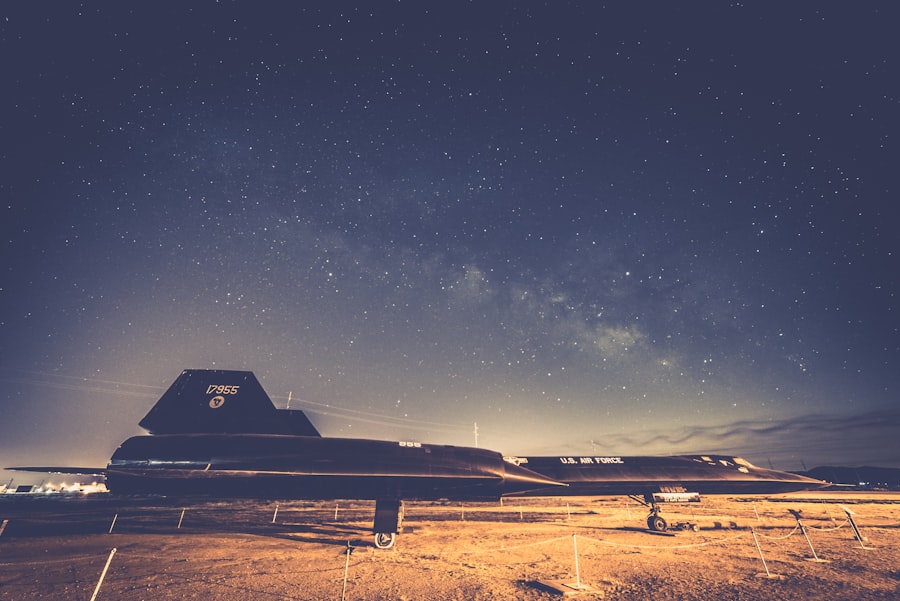
UFO sightings have significant implications for military intelligence operations. The need for accurate information regarding unidentified aerial phenomena has prompted intelligence agencies to develop specialized units dedicated to investigating these reports. By gathering data from various sources—such as pilot testimonies, radar readings, and satellite imagery—military intelligence can create a more comprehensive picture of potential threats in the airspace.
Furthermore, the analysis of UFO sightings can provide valuable insights into adversarial capabilities and intentions. By studying patterns in sightings and correlating them with known military activities, intelligence analysts can identify potential vulnerabilities or areas of concern. This proactive approach allows military leaders to make informed decisions regarding resource allocation and strategic planning, ultimately enhancing national security.
The potential for UFOs to disrupt military communications and operations
The potential for UFOs to disrupt military communications and operations is an area of growing concern among defense experts. Reports have emerged suggesting that some unidentified aerial phenomena may possess capabilities that interfere with radar systems or electronic communications. Such disruptions could hinder situational awareness during critical missions or lead to miscommunication among units operating in close proximity.
In an age where information superiority is paramount, any interference with communication systems poses a significant risk to operational effectiveness. Military planners must account for this possibility when developing strategies for air defense and joint operations. By understanding how UFOs might impact communications infrastructure, militaries can implement countermeasures designed to mitigate these risks and ensure seamless coordination among forces.
The role of UFOs in shaping military alliances and international relations
UFO sightings have also played a role in shaping military alliances and international relations. As nations grapple with the implications of unidentified aerial phenomena, there is a growing recognition that collaboration may be necessary to address shared concerns. Countries facing similar challenges related to UFO encounters may find common ground in establishing joint task forces or information-sharing agreements aimed at enhancing collective security.
Moreover, the diplomatic ramifications of UFO sightings cannot be overlooked. Nations may be compelled to engage in dialogue regarding airspace sovereignty and security protocols as they seek to understand the nature of these phenomena. This collaborative approach can foster trust among allies while also addressing potential tensions arising from competing interests in airspace management.
The ethical and legal implications of military responses to UFO encounters
The ethical and legal implications surrounding military responses to UFO encounters present complex challenges for defense policymakers. As militaries consider how to engage with unidentified aerial phenomena, they must navigate a landscape fraught with uncertainty regarding rules of engagement and accountability. The potential for misidentification or overreaction raises ethical questions about the use of force against unknown entities.
Additionally, legal frameworks governing airspace sovereignty must be examined in light of UFO sightings. Nations may need to establish protocols for reporting and responding to encounters with unidentified objects while ensuring compliance with international law. Striking a balance between national security interests and ethical considerations will be crucial as militaries confront this evolving challenge.
The potential for military collaboration with civilian UFO research organizations
The potential for collaboration between military entities and civilian UFO research organizations represents an exciting avenue for advancing understanding in this field. By leveraging the expertise of civilian researchers who have dedicated their careers to studying unidentified aerial phenomena, militaries can gain valuable insights into patterns, technologies, and historical contexts surrounding these sightings. Such collaboration could take various forms, including joint research initiatives, data-sharing agreements, or public outreach efforts aimed at demystifying UFO phenomena.
By fostering an open dialogue between military personnel and civilian researchers, both parties stand to benefit from enhanced knowledge and understanding while promoting transparency regarding ongoing investigations into unidentified aerial phenomena.
The ongoing importance of understanding the strategic military significance of UFOs
In conclusion, the strategic military significance of UFOs remains an area ripe for exploration and understanding. As nations continue to encounter unidentified aerial phenomena, it is imperative that militaries adapt their strategies, technologies, and collaborative efforts accordingly. The historical context of military encounters with UFOs underscores the need for vigilance in addressing potential threats while also recognizing opportunities for innovation.
As research into UFOs evolves, so too must the frameworks governing national security and international relations. By prioritizing collaboration between military forces and civilian researchers, nations can enhance their understanding of these enigmatic phenomena while fostering trust among allies. Ultimately, comprehending the strategic implications of UFOs will be essential for ensuring robust national defense in an increasingly complex global landscape.
The strategic military significance of UFOs has been a topic of increasing interest among defense analysts and researchers. A related article that delves into this subject can be found on XFile Findings, which explores the implications of unidentified aerial phenomena on national security and military operations. For more insights, you can read the article here: XFile Findings.
WATCH THIS! They Disabled Our Nuclear Arsenal in 1980 and the Government Still Won’t Admit It
FAQs
What does “UFO” stand for in a military context?
UFO stands for “Unidentified Flying Object,” referring to any aerial phenomenon that cannot be immediately identified or explained by military personnel or radar systems.
Why is the study of UFOs important for military strategy?
Studying UFOs is important for military strategy because unidentified aerial phenomena could represent advanced technology from foreign adversaries, potential threats to national security, or unknown natural phenomena that require understanding to ensure airspace safety.
Have any governments officially acknowledged the existence of UFOs?
Yes, several governments, including the United States, have officially acknowledged the existence of UFOs or UAPs (Unidentified Aerial Phenomena) through declassified reports and public statements, emphasizing the need for further investigation.
What potential threats do UFOs pose to military operations?
Potential threats include the possibility of advanced surveillance or weapon systems operated by adversaries, interference with military communications or radar, and challenges to airspace control and defense readiness.
How do militaries typically investigate UFO sightings?
Militaries investigate UFO sightings through radar tracking, pilot reports, sensor data analysis, and collaboration with intelligence agencies to determine the nature and origin of the phenomena.
Can UFOs impact national security policies?
Yes, the presence of unexplained aerial phenomena can influence national security policies by prompting the development of new detection technologies, updating air defense protocols, and fostering international cooperation on aerospace security.
Are there any known cases where UFOs affected military equipment or personnel?
There have been reported incidents where military personnel have encountered unexplained aerial phenomena, but no confirmed cases exist where UFOs have caused direct harm or damage to military equipment.
What role does technology play in understanding the strategic significance of UFOs?
Advanced technology such as radar, satellite imaging, and sensor arrays plays a crucial role in detecting, tracking, and analyzing UFOs, helping militaries assess their capabilities and potential risks.
Is there a difference between UFOs and UAPs in military terminology?
Yes, UAP (Unidentified Aerial Phenomena) is a term increasingly used by military and government agencies to describe unexplained aerial objects or events, aiming to reduce the stigma associated with “UFO” and emphasize scientific investigation.
How does international cooperation factor into the study of UFOs?
International cooperation allows for the sharing of data, intelligence, and research findings, which enhances the collective understanding of UFOs and helps develop coordinated responses to potential threats.