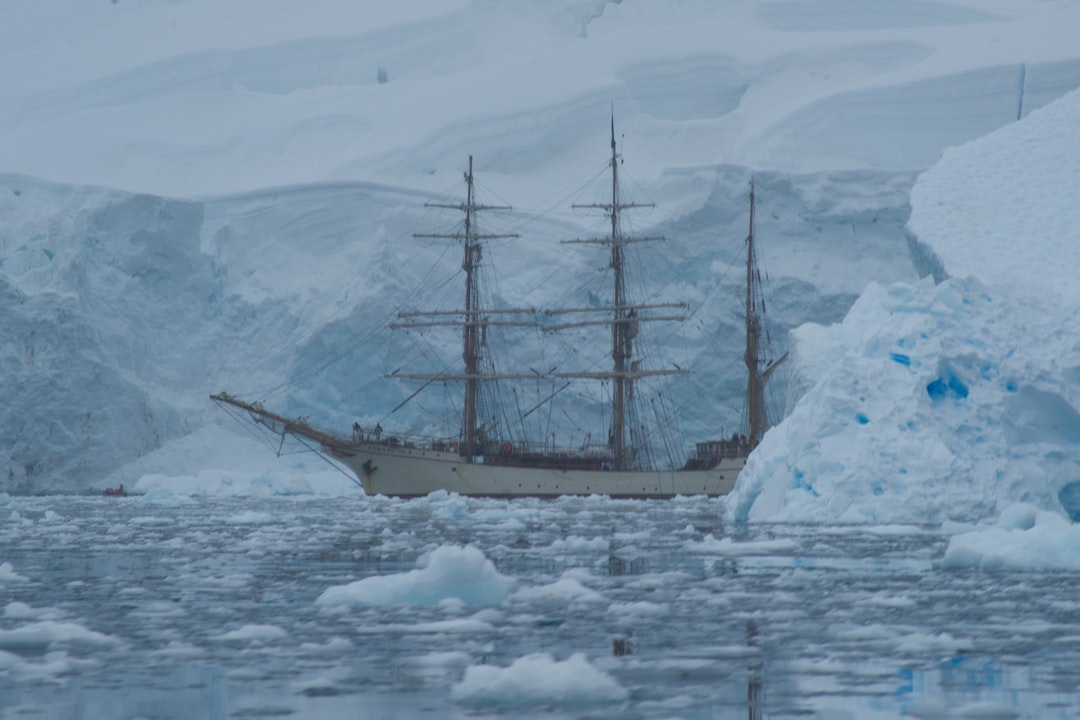
The stark white expanse of Antarctica, a continent of unparalleled isolation and extreme conditions, has long been a fertile ground for the imagination. Its remoteness, coupled with the inherent mystery of its ice-bound domain, has given rise to a tapestry of conspiracy theories, each more elaborate than the last. These narratives, often spun from threads of misinterpreted facts and outright fabrications, paint a picture of a hidden world, a clandestine bastion of secrets far removed from the everyday lives of most people. This article delves into the truth behind some of the most persistent Antarctica-related conspiracy theories, examining their origins, the evidence often cited, and the scientific consensus that debunks them.
One of the most enduring and prevalent conspiracy theories suggests that a sophisticated, ancient civilization once thrived in Antarctica, only to be buried beneath its icy mantle. Proponents of this theory often point to ancient texts, such as Plato’s accounts of Atlantis, or interpret certain geographical formations as remnants of advanced structures.
Atlantis and the Submerged Continent
The idea of a lost continent, often linked to the legendary Atlantis, is frequently transposed onto Antarctica. The theory posits that a technologically advanced society existed in a temperate Antarctica before a cataclysmic event, such as a pole shift or a massive ice age, plunged it into its current frozen state.
- Origin of the Atlantis Theory: The concept of Atlantis originates from the dialogues of Plato, Timaeus and Critias, where it is described as a naval superpower that existed approximately 9,000 years before Plato’s time. Plato’s description, however, places Atlantis in the Atlantic Ocean, beyond the Pillars of Hercules. The extrapolation to Antarctica is a modern reinterpretation seeking to align the myth with perceived anomalies.
- Interpreting Ancient Texts: Various ancient texts from different cultures are sometimes cherry-picked for phrases or descriptions that could be construed as referring to a warmer Antarctica. These interpretations often ignore the broader context of the texts, their allegorical nature, or the geographical realities of the civilizations that produced them. For instance, ancient Egyptian texts speak of lands to the north and south of Egypt, but these refer to the Mediterranean and sub-Saharan Africa, respectively.
- Geological Evidence and Misinterpretations: Some theories cite geological features or maps as evidence for this lost civilization. For example, the controversial Oronteus Finaeus map from 1531, which depicts Antarctica without ice caps, is often presented as proof. However, cartographical historians explain this as a lack of knowledge about the Antarctic coastline at the time, combined with artistic license, or a simplification of existing knowledge. Modern geological and glaciological research consistently shows that Antarctica has been covered in ice for millions of years, with no evidence of substantial human habitation or advanced civilizations during that period.
Ancient Structures and Megaliths
Another facet of the lost civilization theory involves claims of man-made structures or megaliths hidden beneath the ice. These are sometimes presented as evidence of monumental architecture by a long-vanished people.
- The “Face on Mars” Phenomenon Applied to Antarctica: Similar to the infamous “Face on Mars,” unexplained geological formations in Antarctica are sometimes interpreted as artificial structures. Anomalies in satellite imagery, such as unusual rock formations or shadows, are often magnified and scrutinized for evidence of intentional design.
- The Absence of Archaeological Evidence: Despite extensive scientific exploration, including ground-penetrating radar and ice core sampling, no credible archaeological evidence of ancient human settlements or advanced civilizations has ever been found in Antarctica. The extreme cold, the immense depth of the ice, and the geological history of the continent make it an exceptionally challenging environment for preserving such artifacts. The scientific consensus is that Antarctica has been too cold and too isolated for human civilization to develop or survive there for any significant duration in the past.
For those intrigued by the enigmatic world of conspiracy theories surrounding Antarctica, a fascinating article can be found at XFile Findings. This piece delves into various theories that suggest hidden secrets and undiscovered phenomena beneath the icy surface, exploring everything from ancient civilizations to alleged extraterrestrial activity. It’s a captivating read for anyone interested in the mysteries that lie at the bottom of the world.
The Hollow Earth and Secret Bases
Perhaps one of the most outlandish theories posits that Antarctica is not a solid continent at all, but rather the entrance to a subterranean world, or that it harbors hidden bases for secret governments or extraterrestrial beings.
The Hollow Earth Hypothesis
The Hollow Earth theory, a concept dating back to the 17th century, suggests that the Earth is hollow and that a habitable world exists within its interior. In some variations of this theory, Antarctica holds a significant entrance to this inner realm.
- Historical Roots of the Hollow Earth Idea: Early proponents, such as Edmond Halley, suggested that the Earth consisted of concentric shells that could be entered through polar openings to account for magnetic anomalies. This was a scientific hypothesis attempting to explain observable phenomena, long before modern understanding of Earth’s interior.
- Scientific Rejection and Evidence: Modern geophysics provides overwhelming evidence that the Earth has a solid, molten core, a mantle, and a crust. Seismic waves travel through the Earth in predictable ways, revealing its layered structure. There is no scientific basis for the existence of a hollow interior, let alone vast caverns large enough to contain civilizations or ecosystems. The immense pressures and temperatures at depth would also make such a scenario impossible.
Secret Nazi Bases and Extraterrestrial Operations
A more recent iteration of the secret base theory centers on claims of hidden Nazi facilities established in Antarctica during World War II, often with the assistance of extraterrestrial allies.
- The “Neuschwabenland” Myth: This theory often references the German Antarctic Expedition of 1938-1939, which explored a region of Antarctica later claimed by Germany and named Neuschwabenland. While the expedition was real and its purpose was to explore and potentially establish whaling stations, sensationalized accounts suggest it was a prelude to building secret bases for advanced, possibly otherworldly, technology.
- The Evidence Base: The primary “evidence” for these claims is often anecdotal, speculative, and rooted in post-war propaganda and science fiction. There are no credible documents, photographs, or testimonies from reputable sources to support the existence of advanced Nazi bases or extraterrestrial collaboration in Antarctica. The logistical challenges of building and maintaining such secret facilities in such an inhospitable environment during wartime are astronomical.
- The Antarctic Treaty System: The establishment of the Antarctic Treaty System in 1961, which reserves Antarctica for peaceful scientific research and exploration, actively monitors activity on the continent. The notion of vast, secret military or extraterrestrial operations existing undetected for decades under this international framework is highly improbable.
UFO Sightings and Alien Encounters
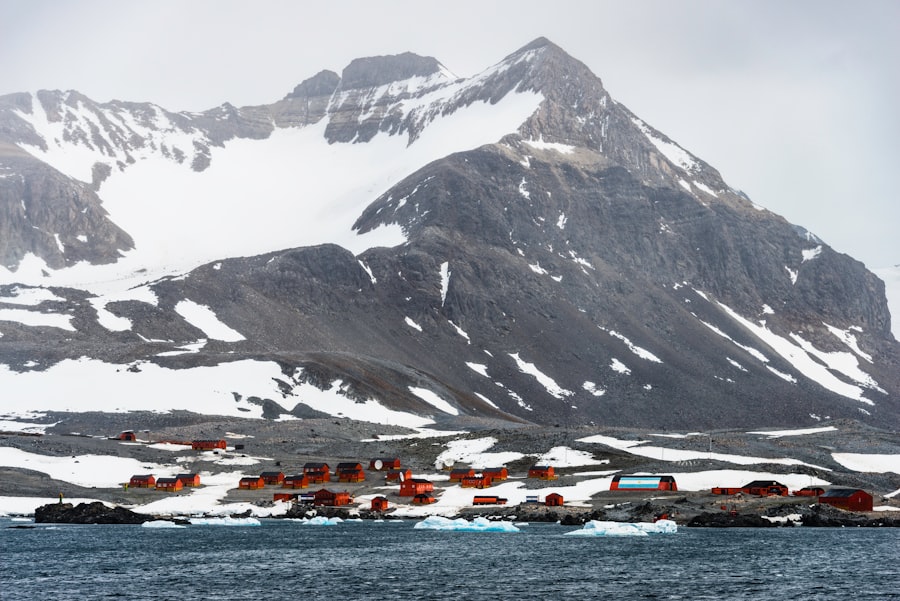
Antarctica’s extreme remoteness and the unusual atmospheric phenomena that can occur there have also fueled theories about UFO sightings and alien encounters.
Anomalous Lights and Unidentified Flying Objects
The vast, empty skies over Antarctica, combined with the aurora australis, can create visually striking and disorienting phenomena that are easily misinterpreted.
- Aurora Australis and Atmospheric Phenomena: The aurora australis, or southern lights, is a spectacular display of natural light in the sky, particularly visible in high-latitude regions. Its ethereal glow and dynamic movement can, to the untrained eye or when exaggerated, resemble unidentified flying objects. Other atmospheric events, such as lenticular clouds or rare meteorological phenomena, can also contribute to misidentification.
- Misinterpretation of Scientific Equipment and Aircraft: Scientific research stations in Antarctica utilize a range of sophisticated equipment, including radar systems and weather balloons, which can sometimes be mistaken for unusual aerial phenomena. Furthermore, regular flights are conducted to resupply and support these stations, and these aircraft, particularly at night or in challenging weather, could be perceived as anomalies.
- The Lack of Credible Evidence: While many anecdotal accounts of UFOs in Antarctica exist, none have been substantiated by credible, verifiable evidence such as radar data, independent eyewitness corroboration, or photographic/video evidence that withstands scientific scrutiny. Organizations that investigate UFOs often address reports of unusual lights or objects, but these explanations typically align with known natural phenomena or human activities, rather than extraterrestrial visitation.
Alien Bases and Cover-Ups
Building upon the UFO sightings, theories often suggest that Antarctica is a staging ground for extraterrestrial activity, with hidden bases established by alien species, and that governments are complicit in a global cover-up.
- The Uniqueness of Antarctica as a Location: The extreme isolation and minimal human presence in Antarctica make it an attractive setting for such speculative narratives. It is imagined as a place where activities could occur without public scrutiny.
- Government Cover-Up Narratives: The idea of a government cover-up is a common thread in many conspiracy theories. In this context, it is argued that global governments are aware of alien presence and activity in Antarctica but actively suppress this information to maintain social order or for undisclosed reasons. However, the sheer scale and complexity of such a global, multi-generational cover-up, especially involving numerous nations with sometimes competing interests, defies logical explanation and the practicalities of information control in the modern age.
- The Scientific Community’s Perspective: The scientific community, while open to the possibility of extraterrestrial life, requires rigorous evidence for such extraordinary claims. The absence of any physical evidence of alien craft, technology, or structures in Antarctica, despite decades of scientific exploration and imaging, leads to the conclusion that these theories are lacking in factual basis.
Antarctica’s Ice Core Secrets
Antarctic ice cores are invaluable archives of Earth’s past climate and atmosphere, extending back hundreds of thousands of years. However, some conspiracy theories propose that these cores contain evidence far more significant, and perhaps alarming, than what is publicly disclosed.
Embedded Anomalies and Extraterrestrial Artifacts
The idea that ice cores might contain anomalies such as embedded extraterrestrial artifacts, or evidence of past civilizations that contradicts our current understanding of history, is frequently advanced.
- The Nature of Ice Cores: Ice cores are formed by layers of snowfall accumulating over millennia. As snow compacts, it traps air bubbles, dust, volcanic ash, and other atmospheric particles. Scientists analyze these inclusions to reconstruct past temperatures, atmospheric composition (including greenhouse gas levels), and even past solar activity and volcanic eruptions.
- Misinterpretation of Natural Inclusions: Occasionally, ice cores contain unusual mineral fragments or organic matter that are natural to the Antarctic environment or were transported there by wind or ocean currents. These natural inclusions are sometimes misinterpreted as exotic or artificial by those seeking evidence for anomalies. For instance, tiny fossilized microorganisms or mineral dust can be misconstrued as something more extraordinary.
- The Rigor of Scientific Analysis: Ice core analysis is an extremely precise and meticulous scientific process. Laboratories are equipped with advanced analytical techniques that can identify and quantify minute traces of substances. Any truly extraordinary discovery, especially one suggesting extraterrestrial origin, would be subjected to intense peer review and scrutiny within the scientific community, which has not occurred for any such claims related to ice cores.
Suppressed Knowledge and Future Warnings
Some theories suggest that valuable information, such as warnings of future cataclysms or evidence of suppressed technologies, is hidden within the ice cores and deliberately kept from the public.
- Climate Change Data and Warnings: It is true that ice cores provide stark evidence of past climate change, including periods of rapid warming and cooling. The data clearly shows the impact of greenhouse gases on global temperatures. While this information is deeply concerning and underscores the urgency of addressing current climate change, it is not “suppressed” but rather publicly available and extensively studied by climate scientists worldwide.
- Evidence of Past Civilizations (Misconstrued): As mentioned earlier, theories about lost civilizations sometimes extend to the ice cores, with claims that they hold definitive proof. However, the geological and glaciological record, as interpreted by scientists analyzing the ice cores, does not support the existence of advanced human civilizations in Antarctica during the periods represented by the ice.
- The Peer-Review Process: The findings from ice core research are published in peer-reviewed scientific journals. This process involves extensive review by other experts in the field, ensuring that the research is sound, the methodologies are appropriate, and the conclusions are supported by the data. Any significant discovery would undoubtedly emerge through this established scientific channel.
Many conspiracy theories have emerged about Antarctica, often fueled by the continent’s remote location and harsh conditions. One intriguing perspective can be found in a related article that explores various claims and speculations surrounding this icy land. For those interested in delving deeper into the mysteries of Antarctica, you can read more about it in this fascinating article that examines the intersection of science and conspiracy.
The Antarctic Treaty System and the “Veil of Secrecy”
| Conspiracy Theory | Description | Popularity (Scale 1-10) | Common Claims | Debunking Evidence |
|---|---|---|---|---|
| Secret Nazi Base | Claims that Nazis established a secret base in Antarctica during WWII. | 7 | Hidden military installations, advanced technology, UFOs. | Historical records show no evidence of such bases; extensive research and exploration have found no Nazi remnants. |
| Hollow Earth Entrance | Belief that Antarctica holds entrances to a hollow Earth or inner world. | 6 | Secret tunnels, advanced civilizations inside Earth. | Geological studies confirm solid Earth structure; no credible evidence of hollow Earth. |
| Alien Bases | Claims that extraterrestrials have bases or technology hidden in Antarctica. | 5 | UFO sightings, alien artifacts, government cover-ups. | No verified alien artifacts found; scientific expeditions report no unusual findings. |
| Suppressed Ancient Civilizations | Theory that Antarctica was once home to ancient advanced civilizations now hidden. | 4 | Ruins under ice, lost technology, erased history. | Ice core samples and satellite imaging show no evidence of ruins or civilizations. |
The very existence of the Antarctic Treaty System, designed to govern the continent and prevent militarization, is often viewed by conspiracy theorists not as a symbol of international cooperation, but as a meticulously crafted veil for something far more significant.
The Purpose and Scope of the Treaty
The Antarctic Treaty, signed in 1959, designated Antarctica as a scientific preserve, established freedom of scientific investigation, and banned military activity. It has been remarkably successful in maintaining peace and promoting scientific collaboration.
- International Cooperation on a Pristine Continent: The treaty’s primary goals were to demilitarize Antarctica, promote scientific research, and ensure that national territorial claims were set aside. It has facilitated unprecedented scientific cooperation among nations, leading to significant advancements in our understanding of climate, geology, and the universe.
- The Illusion of Openness: Conspiracy theorists often argue that the treaty’s emphasis on scientific research is a convenient smokescreen for clandestine activities. They suggest that the numerous research stations, while appearing to be centers of science, are in fact fronts for military operations, alien contact, or the exploitation of hidden resources.
- The Role of National Interests: While the treaty emphasizes cooperation, it also acknowledges the differing national interests and historical claims of some signatory nations. Conspiracy theories sometimes focus on perceived rivalries or agreements between nations that are believed to involve secret dealings in Antarctica. However, these interpretations often go beyond the publicly documented intentions and agreements of the treaty.
Hidden Agendas and Unacknowledged Extraterrestrial Presence
The perceived secrecy surrounding certain aspects of Antarctic exploration, combined with occasional unexplained phenomena, fuels the belief that the treaty is a means to conceal information about extraterrestrial craft, bases, or advanced technologies.
- The Logistical Challenges of Monitoring: While the Antarctic Treaty System aims for transparency, the sheer vastness of the continent and the logistical complexities of monitoring all human activity make absolute oversight virtually impossible. This inherent challenge is seized upon by conspiracy theorists as evidence of deliberate concealment.
- “Shadow Operations” and Black Projects: The idea of “shadow governments” or “black projects” — secret government operations that are kept from public knowledge — is a recurring theme in conspiracy thinking. In the context of Antarctica, these theories often involve the alleged development or storage of advanced technologies, possibly reverse-engineered from alien spacecraft, or secret interactions with extraterrestrial beings.
- The Burden of Proof: The burden of proof for extraordinary claims, such as the existence of hidden alien bases or the deliberate cover-up of alien presence, rests with those making the claims. Without concrete, verifiable evidence, these theories remain speculative narratives that thrive in the absence of definitive counter-explanations, rather than established facts.
The Future of Antarctica: Scientific Exploration vs. Speculation
As scientific exploration of Antarctica continues, it consistently debunks sensationalized theories with concrete data and verifiable observations. The continent remains a frontier of scientific discovery, but one grounded in rigorous methodology, not unsubstantiated speculation.
The Ongoing Scientific Endeavor
Numerous countries maintain research stations in Antarctica, engaging in a wide array of scientific disciplines, from glaciology and meteorology to astronomy and biology.
- Commitment to Data and Observation: The scientific community’s approach to Antarctica is characterized by a deep commitment to data collection, observation, and rigorous analysis. This meticulous process is fundamental to understanding the continent and its role in Earth’s systems.
- Technological Advancements in Exploration: Modern technology, including advanced satellite imagery, drones, ice-penetrating radar, and sophisticated analytical tools, provides unprecedented insights into Antarctica. These tools reveal geological structures, monitor ice sheet dynamics, and study atmospheric conditions with remarkable precision.
- The Transparency of Scientific Research: While some scientific data may be proprietary or released in stages, the overarching findings from Antarctic research are generally disseminated through peer-reviewed publications, international conferences, and public reports. This ensures a degree of transparency and allows for independent verification.
The Enduring Appeal of Mystery
Despite the scientific evidence, conspiracy theories about Antarctica continue to capture the public imagination. The continent’s isolation, its extreme environment, and the inherent unknowns about its deeper reaches offer a canvas for fantastical narratives.
- The Human Psyche and the Unknown: Humans have a natural curiosity about the unknown. The vast, unexplored depths of Antarctica, both geographically and metaphorically, tap into this inherent human desire to uncover secrets and explain mysteries.
- The Power of Storytelling: Conspiracy theories are often compelling narratives, weaving together fragments of truth, speculation, and imagination into engaging stories. These narratives can offer simple explanations for complex phenomena and provide a sense of hidden knowledge or insight.
- The Importance of Critical Thinking: It is crucial to approach claims about Antarctica, as with any extraordinary assertion, with a healthy degree of skepticism and critical thinking. Relying on credible sources, understanding scientific methodologies, and distinguishing between evidence-based conclusions and unfounded speculation are vital in navigating the allure of Antarctic conspiracy theories. While the continent may hold many secrets, they are far more likely to be found in the intricate workings of its climate system and the delicate balance of its ecosystems, rather than in the depths of lost civilizations or extraterrestrial conspiracies.
FAQs
What are some common conspiracy theories related to Antarctica?
Common conspiracy theories about Antarctica include claims of secret Nazi bases, hidden alien technology, undisclosed ancient civilizations, and government cover-ups of unusual discoveries beneath the ice.
Is there any scientific evidence supporting conspiracy theories about Antarctica?
No credible scientific evidence supports conspiracy theories about Antarctica. Research conducted by international scientific teams focuses on climate, geology, and biology, with findings openly published and peer-reviewed.
Why is Antarctica often the subject of conspiracy theories?
Antarctica’s remote location, extreme environment, and limited access contribute to its mystique. The continent’s vast unexplored areas and restricted military presence fuel speculation and conspiracy theories.
What international agreements govern activities in Antarctica?
The Antarctic Treaty System regulates international relations on the continent, promoting scientific cooperation and banning military activity, nuclear tests, and mineral mining to preserve Antarctica for peaceful research.
Can civilians visit Antarctica, and does tourism affect conspiracy theories?
Yes, civilians can visit Antarctica through regulated tourism operators. Increased tourism and scientific transparency help dispel myths and conspiracy theories by providing more public information about the continent.