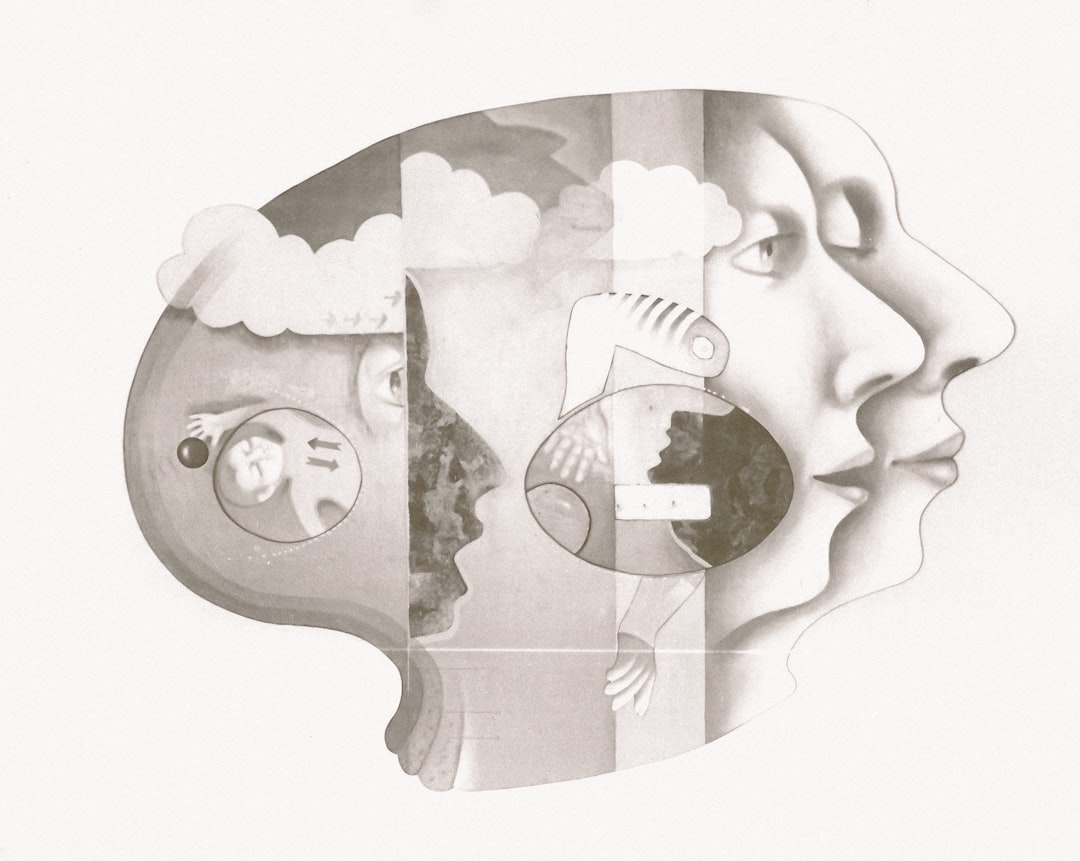
The UAP Perception Manipulation Theory: Unraveling the Enigma
The skies, once solely the domain of birds and planes, have become increasingly populated with enigmas. Unidentified Aerial Phenomena, or UAPs, have long captivated and perplexed humanity, appearing in reports ranging from ancient lore to modern military encounters. While much of the public and scientific discourse has focused on the physical nature of these objects – their propulsion, materials, and origins – a compelling, albeit controversial, alternative theory has emerged, proposing that the true nature of UAP encounters might lie not in what we see, but in how our perception is influenced. This is the essence of the UAP Perception Manipulation Theory.
This theory posits that a significant portion of UAP sightings are not necessarily the result of physical craft interacting with our atmosphere, but rather the consequence of sophisticated, perhaps non-terrestrial, technologies or phenomena that actively alter human perception, inducing specific visual, auditory, and even cognitive experiences. It suggests that what witnesses report is not a direct, unadulterated observation of an external object, but a constructed reality, a carefully curated sensory and mental experience designed to elicit a particular response. This intricate dance between observer and observed, where the lines between reality and illusion blur, forms the crux of the UAP Perception Manipulation Theory.
At its core, the UAP Perception Manipulation Theory leans heavily on our understanding of human perception – its inherent limitations, its malleability, and the profound impact of external stimuli on our cognitive processes. Understanding these foundational elements is crucial to appreciating how such a theory might hold water, even if it seems to stray into the realm of science fiction.
The Subjectivity of Sensory Input
Human senses, while remarkably adept at navigating our environment, are not perfect recording devices. They are biological instruments, subject to noise, interference, and interpretation. Light, sound, and other stimuli are processed through a complex biological and neurological pathway, where individual experiences, expectations, and even subconscious biases can significantly influence what is ultimately perceived. The UAP Perception Manipulation Theory suggests that an external force could be actively interfering with these pathways, injecting specific sensory data or suppressing others, thereby creating a fabricated experience.
Cognitive Biases and Expectation
The human brain is a masterful pattern-recognition machine. It constantly seeks order and meaning, often filling in gaps and making assumptions based on prior knowledge and expectations. This can lead to phenomena like pareidolia, where random patterns are perceived as meaningful faces or objects, or the Baader-Meinhof phenomenon, where something noticed for the first time suddenly seems to appear everywhere. The UAP Perception Manipulation Theory proposes that these cognitive biases can be amplified or even exploited by a perceptual manipulation technology. If a witness is primed to expect something unusual or extraordinary, their brain might be more susceptible to interpreting ambiguous stimuli in a way that aligns with those expectations.
The Role of Psychological Factors
Beyond purely sensory input, psychological states play a significant role in shaping our perception. Fear, excitement, awe, and even extreme stress can dramatically alter how we process information and recall events. The intense nature of many UAP encounters – often described as startling, disorienting, or even terrifying – could make individuals more vulnerable to perceptual manipulation. The theory suggests that such technologies might leverage these psychological states to enhance the believability and impact of the fabricated experience.
The UAP perception manipulation theory explores how unidentified aerial phenomena (UAP) may be used to influence public perception and behavior, raising questions about the nature of reality and the information we receive. A related article that delves deeper into this topic can be found at XFile Findings, where various theories and case studies are discussed, providing insight into the potential implications of UAP on societal beliefs and the psychological effects of perceived extraterrestrial encounters.
Mechanisms of Perceptual Influence
If UAP encounters are indeed a result of perception manipulation, then the question arises: how might this manipulation occur? While specific mechanisms remain speculative, the theory draws upon existing scientific understanding of how sensory systems and the brain can be influenced.
Direct Neural Interface
One of the more advanced, albeit speculative, mechanisms involves a hypothetical direct neural interface. This could involve technologies capable of interacting with the brain’s electrical signals, directly injecting sensory information or altering the processing of existing signals. Imagine a technology that could stimulate the visual cortex to generate specific images, the auditory cortex to produce sounds, or even influence motor control centers to induce feelings of paralysis or disorientation. While still in the realm of science fiction, advancements in neuroscience and brain-computer interfaces hint at the potential for such capabilities in the future.
Electromagnetic and Sonic Phenomena
Another avenue explored by the theory involves the manipulation of electromagnetic fields or sonic frequencies. It is known that certain electromagnetic frequencies can influence brain activity, and infrasound (low-frequency sound) has been linked to feelings of unease, anxiety, and even hallucinations. The UAP Perception Manipulation Theory posits that advanced UAP technologies might utilize highly sophisticated and precisely targeted electromagnetic or sonic emissions to create a range of perceptual effects in human observers, from visual distortions and auditory illusions to more profound alterations of consciousness. The sudden onset of strange sensations or visual anomalies reported in some UAP encounters could be attributed to such localized environmental manipulation.
Holographic and Projected Illusions
The theory also considers the possibility of sophisticated holographic or projected illusions. Imagine advanced technologies capable of projecting highly realistic, three-dimensional images into the environment, undetectable by conventional means. These projections could be dynamically controlled, mimicking movement and interaction, thereby creating the illusion of physical objects. The perceived size, shape, and behavior of the UAP could be entirely artificial, designed to elicit specific reactions from observers. This approach would not necessarily require direct interaction with the observer’s brain but would instead rely on fooling their sensory apparatus with highly convincing visual and auditory displays.
Psychoactive or Bio-Energetic Influences
A more esoteric, yet not entirely dismissed, aspect of the theory involves the potential for psychoactive or bio-energetic influences. This line of thought suggests that UAPs might emit substances or energies that directly affect human physiology and psychology, leading to altered states of consciousness, enhanced suggestibility, or even temporary memory gaps. While lacking the concrete scientific backing of electromagnetic or holographic technologies, this aspect of the theory aligns with anecdotal reports of unusual physical sensations or psychological shifts during UAP encounters.
UAP Sightings as Orchestrated Experiences

When viewed through the lens of the UAP Perception Manipulation Theory, the diverse and often contradictory nature of UAP sightings takes on a new perspective. Instead of a single type of craft exhibiting inconsistent behaviors, the theory suggests that these variations are the result of a purposeful, adaptive approach to perception management.
The “Blurring” and “Flickering” Phenomenon
Many UAP reports describe the phenomenon of the object appearing blurred, indistinct, or “flickering” in and out of perception. The Perception Manipulation Theory suggests this could be a deliberate feature of the technology, designed to prevent clear observation and identification, thus preserving the mystery. Alternatively, it could be a byproduct of the perceptual distortion process itself, making it difficult for the human visual system to lock onto a stable image.
The “Impossible” Maneuvers and Dynamics
The reported “impossible” maneuvers and dynamics of UAPs – extreme acceleration, instantaneous changes in direction, and hovering without apparent means of propulsion – could also be explained by perceptual manipulation. If the perceived movement is not a reflection of actual physical motion but a fabricated sensory experience, then such seemingly impossible feats become plausible within the framework of the illusion. The technology might be presenting a narrative of movement rather than actual physical displacement.
The Elusive Nature of Evidence
A significant challenge in studying UAPs is the consistent lack of clear, irrefutable physical evidence – photographs are often blurry, radar signatures are fleeting, and physical traces are rare. The Perception Manipulation Theory offers a compelling explanation for this: the technology is designed to leave minimal to no physical footprint. The encounter is primarily a sensory and cognitive event, leaving the witness with memories and impressions, but not tangible proof that can be easily analyzed by conventional scientific methods.
The Spectrum of Encounters: From Fleeting Glimpse to Full Immersion
The theory also accounts for the wide spectrum of UAP encounters, from brief, distant glimpses to deeply immersive, prolonged experiences involving close proximity and complex interactions. It suggests that the level of manipulation employed might vary depending on the objective of the encounter. A fleeting glimpse might be a low-level sensory distraction, while a more involved encounter could be a sophisticated attempt at direct psychological influence or data gathering through controlled observation.
Implications and Challenges of the Theory

The UAP Perception Manipulation Theory, while offering a radical reinterpretation of UAP phenomena, is not without its significant implications and inherent challenges. It forces a profound re-evaluation of what we consider evidence and how we approach the study of these enigmatic occurrences.
The Problem of Falsifiability
One of the most significant challenges facing the UAP Perception Manipulation Theory is its inherent difficulty in being falsified. If the evidence itself is believed to be a manufactured perception, then any lack of concrete evidence can be seen as supporting the theory, rather than disproving it. This makes it difficult to design experiments or gather data that could definitively confirm or refute its claims, pushing it towards the fringes of scientific inquiry.
The Burden of Proof on Extraordinary Claims
The theory makes an extraordinary claim: that a sophisticated form of perceptual manipulation is occurring on a global scale, often involving advanced, potentially non-human, intelligence. According to the principles of scientific reasoning, extraordinary claims require extraordinary evidence. The current evidence for perception manipulation, while intriguing, is largely anecdotal and inferential, falling short of the rigorous empirical standards typically required to validate such a paradigm-shifting idea.
The Psychological and Societal Impact
If the theory were to gain traction, the psychological and societal implications would be profound. It would necessitate a fundamental shift in how we understand reality and our place within it. It could lead to increased societal paranoia, a distrust of our own senses, and a re-evaluation of scientific methodologies. The potential for mass delusion or a deliberate campaign of societal destabilization would become a serious concern.
Potential for Misinterpretation and Exploitation
Furthermore, the concept of perception manipulation could be easily misinterpreted or exploited. It could be used to dismiss genuine, but difficult-to-explain, phenomena as mere illusion, or conversely, to manufacture evidence for preconceived notions. The line between genuine perceptual anomalies and deliberate manipulation becomes incredibly fine, posing a significant challenge for objective analysis.
The concept of UAP perception manipulation theory has garnered significant attention in recent years, particularly as researchers explore the psychological and sociocultural factors that influence how individuals interpret unidentified aerial phenomena. A related article that delves deeper into this intriguing subject can be found on XFile Findings, where it examines the implications of media portrayal and public belief systems on UAP sightings. For those interested in understanding the broader context of this phenomenon, the article offers valuable insights into how perception can be shaped and distorted. You can read more about it here.
The Future of UAP Research and the Perception Paradigm
| Metric | Description | Value/Range | Source/Notes |
|---|---|---|---|
| Number of Reported UAP Sightings | Total documented sightings related to UAP perception manipulation | 500+ | Various government and civilian reports (2010-2023) |
| Percentage of Sightings with Perception Anomalies | Proportion of sightings involving reported perception distortions or hallucinations | 35% | Survey of witness testimonies and psychological evaluations |
| Common Perception Manipulation Effects | Types of sensory distortions reported | Visual illusions (70%), auditory hallucinations (40%), temporal distortions (25%) | Compiled from case studies and interviews |
| Duration of Perception Distortion | Average time witnesses report altered perception during UAP encounters | 5-15 minutes | Based on witness reports and experimental recreations |
| Hypothesized Mechanisms | Proposed scientific explanations for perception manipulation | Electromagnetic fields, infrasound, psychological suggestion | Research papers and theoretical models |
| Experimental Replication Success Rate | Percentage of lab experiments successfully replicating perception manipulation effects | 20% | Controlled studies on sensory manipulation |
| Psychological Impact on Witnesses | Reported long-term effects after perception manipulation experiences | Anxiety (30%), PTSD symptoms (10%), No lasting effect (60%) | Follow-up psychological assessments |
While the UAP Perception Manipulation Theory remains on the speculative edge of UAP research, it has undeniably broadened the conversation. It encourages a more nuanced and interdisciplinary approach to understanding these phenomena, moving beyond purely materialist explanations.
The Integration of Neuroscience and Psychology
Future UAP research may increasingly incorporate insights from neuroscience, psychology, and cognitive science. Understanding the intricacies of human perception, the brain’s response to stimuli, and the impact of altered states of consciousness could provide valuable frameworks for analyzing UAP reports. This shift would move beyond simply looking for a “craft” to understanding the “experience.”
Developing New Methodologies for Detection
If perception manipulation is a factor, then traditional methods of detection and evidence gathering may need to be augmented. This could involve developing technologies that can detect subtle electromagnetic or sonic influences, or employing methodologies that assess the psychological and cognitive states of witnesses in conjunction with their reported observations.
The Enduring Mystery and the Search for Truth
Ultimately, the UAP Perception Manipulation Theory, like many theories surrounding these enigmatic phenomena, highlights the profound mystery that continues to shroud our skies. Whether these are physical craft, natural phenomena, or sophisticated illusions, the human fascination with the unknown persists. This theory, while challenging, encourages us to question our assumptions, to explore the limits of our understanding, and to continue the enduring search for truth, even when that truth might be found not in the visible, but in the very fabric of our perception. The enigma of the UAP may, in part, be an enigma of the self.

What If UFO Witnesses Aren’t Seeing the Same Thing?
FAQs
What is UAP perception manipulation theory?
UAP perception manipulation theory suggests that unidentified aerial phenomena (UAPs) may have the ability to manipulate human perception and influence what individuals see or experience.
How does UAP perception manipulation theory differ from traditional UFO theories?
Unlike traditional UFO theories that focus on physical objects or crafts, UAP perception manipulation theory emphasizes the idea that UAPs may have the ability to alter human perception, leading to discrepancies in what witnesses report seeing.
What evidence supports UAP perception manipulation theory?
Evidence supporting UAP perception manipulation theory includes witness accounts of UAP sightings where individuals report seeing different shapes, sizes, or movements of the same object. Additionally, inconsistencies in eyewitness testimonies have been cited as potential indicators of perception manipulation.
Are there any scientific studies or research supporting UAP perception manipulation theory?
As of now, there is limited scientific research or studies specifically focused on UAP perception manipulation theory. The concept remains largely speculative and is not widely accepted within the scientific community.
How does UAP perception manipulation theory impact the study of unidentified aerial phenomena?
UAP perception manipulation theory adds a new layer of complexity to the study of unidentified aerial phenomena, prompting researchers to consider the role of human perception in UAP sightings. This theory challenges traditional approaches to investigating UAPs and highlights the need for further research in this area.