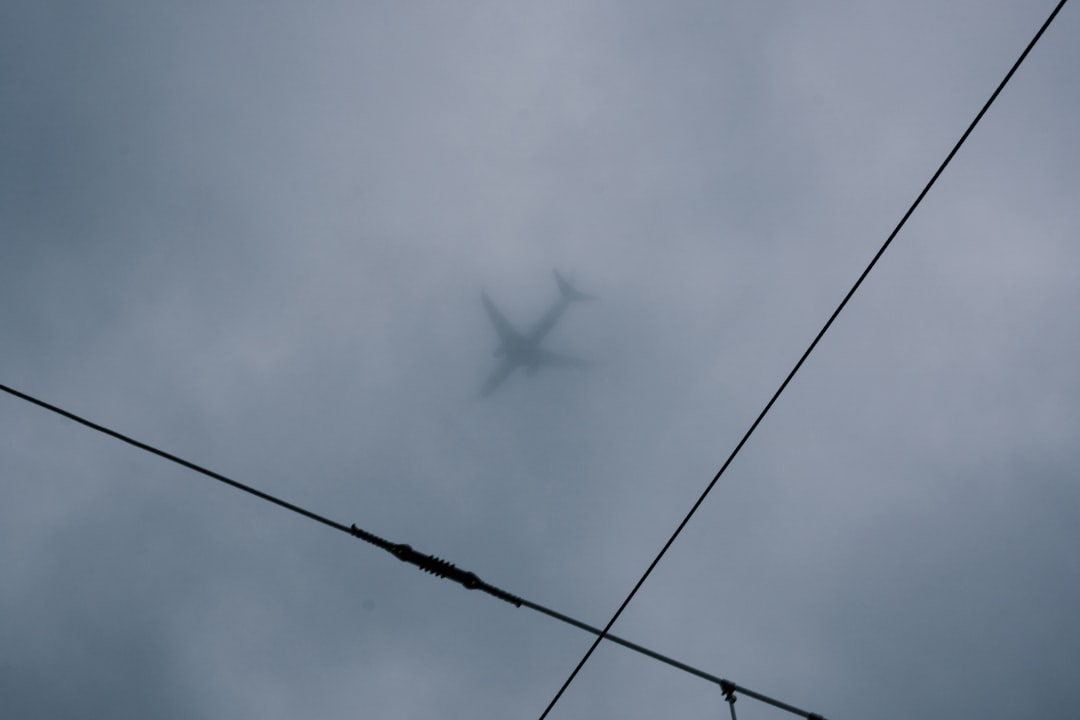
# Unidentified Flying Objects: Historical Context and Modern Investigation
Reports of unidentified flying objects (UFOs) have appeared throughout human history, with documented accounts from ancient civilizations including Egypt and the Maya. These historical records describe unusual celestial events that some researchers interpret as potential early UFO sightings. The modern UFO phenomenon emerged prominently after World War II.
In 1947, private pilot Kenneth Arnold reported observing nine crescent-shaped objects traveling at high speeds near Mount Rainier in Washington State. This widely publicized sighting generated substantial public interest and established UFOs as a topic of mainstream discussion. UFO reports increased significantly during the 1950s and 1960s, a period coinciding with the Cold War and international tensions between superpowers.
During these decades, numerous individuals reported UFO encounters and alleged contact with extraterrestrial beings. The establishment of dedicated research organizations, including the Mutual UFO Network (MUFON) and the National Investigations Committee on Aerial Phenomena (NICAP), reflected the growing scientific and public interest in investigating these phenomena. This era established UFOs as a significant cultural topic that would continue to develop through subsequent decades, becoming increasingly intertwined with science fiction and popular entertainment media.
You can learn more about the Patrick Jackson theory by watching this detailed explanation on Patrick Jackson theory.
Key Takeaways
- UFO sightings have a long history, often intertwined with government secrecy and alleged cover-ups.
- The Roswell Incident significantly fueled UFO conspiracy theories and public fascination.
- Media plays a crucial role in shaping how the public perceives UFO phenomena.
- Scientific perspectives remain skeptical but open to investigating unexplained aerial phenomena.
- Advances in technology are enhancing the documentation and study of UFOs, influencing future research.
Government Cover-Ups and Secrecy Surrounding UFOs
The notion of government cover-ups regarding UFOs has been a persistent theme in conspiracy theories surrounding the phenomenon. Many individuals believe that governments, particularly that of the United States, have engaged in systematic efforts to conceal evidence of extraterrestrial encounters. This belief was amplified by the establishment of secretive military projects such as Project Blue Book, which was initiated in 1952 to investigate UFO sightings.
The secrecy surrounding military operations and classified information has only fueled speculation about what governments might know regarding UFOs. High-profile whistleblowers and former military personnel have come forward with claims of having witnessed or been involved in incidents that suggest a cover-up.
These testimonies often include accounts of recovered alien technology or encounters with extraterrestrial beings. The lack of transparency has created an environment ripe for conspiracy theories, as individuals seek to fill in the gaps left by official narratives. This dynamic has perpetuated a cycle of distrust between the public and government institutions, further complicating efforts to address the UFO phenomenon.
The Roswell Incident and its Impact on UFO Conspiracy Theories

The Roswell Incident of 1947 remains one of the most significant events in UFO lore, serving as a catalyst for countless conspiracy theories. Initially reported as a “flying disc” recovery by the military, the narrative quickly shifted to that of a weather balloon, leading many to question the official explanation. This abrupt change in story fueled speculation that the government was hiding something more substantial—perhaps evidence of extraterrestrial life.
Over the years, various accounts have emerged claiming that alien bodies were recovered from the crash site, further entrenching Roswell’s status as a focal point for UFO enthusiasts. The impact of the Roswell Incident on UFO conspiracy theories cannot be overstated. It not only ignited public interest in UFOs but also established a framework for understanding government secrecy surrounding such phenomena.
The incident has inspired numerous books, documentaries, and films, solidifying its place in popular culture. As conspiracy theorists dissect every detail of the event, Roswell has become synonymous with the idea that powerful entities are concealing truths about extraterrestrial encounters. This narrative continues to resonate with those who believe that humanity is not alone in the universe and that there are forces at play working to keep this knowledge hidden.
The Role of Media in Shaping Public Perception of UFOs
Media has played a pivotal role in shaping public perception of UFOs throughout history. From sensational newspaper headlines in the 1940s to contemporary documentaries and television series, media outlets have both reflected and influenced societal attitudes toward unidentified flying objects. Early reports often sensationalized sightings, leading to widespread panic or fascination among the public.
The portrayal of UFOs in films and television shows has further contributed to their mystique, often depicting them as harbingers of alien invasion or benevolent visitors from other worlds. In recent years, social media platforms have transformed how information about UFOs is disseminated and consumed. Viral videos and eyewitness accounts can spread rapidly, creating a sense of immediacy and urgency around sightings.
However, this democratization of information also raises concerns about misinformation and sensationalism. As individuals share their experiences online, distinguishing between credible reports and hoaxes becomes increasingly challenging. The media’s role in framing these narratives can significantly influence public perception, either fostering skepticism or encouraging belief in extraterrestrial encounters.
The Connection Between UFOs and Extraterrestrial Life
| Metric | Value | Description |
|---|---|---|
| Number of Reported UFO Sightings (2023) | 7,200 | Total reported sightings globally in the year 2023 |
| Percentage of Sightings Classified as Unexplained | 12% | Proportion of sightings that remain unexplained after investigation |
| Number of Government UFO Disclosure Documents Released | 35 | Official documents released by various governments related to UFOs |
| Public Belief in UFO Conspiracies (2023 Survey) | 48% | Percentage of surveyed individuals who believe in UFO-related conspiracies |
| Number of UFO Conspiracy Theories Documented | 25 | Commonly referenced conspiracy theories related to UFOs |
| Years Since Roswell Incident | 77 | Years since the famous 1947 Roswell UFO incident |
| Number of UFO-related Movies Released (Last 5 Years) | 18 | Films focusing on UFOs and related conspiracies |
The connection between UFOs and extraterrestrial life is perhaps one of the most compelling aspects of this phenomenon. For many enthusiasts and researchers, sightings are not merely unexplained aerial phenomena but potential evidence of intelligent life beyond Earth. The idea that advanced civilizations might be visiting our planet has captured imaginations for decades, leading to extensive speculation about their motives and capabilities.
This belief is often supported by anecdotal accounts from individuals who claim to have had direct encounters with alien beings. Scientific inquiry into this connection has also gained traction over time. Astrobiologists explore the conditions necessary for life beyond Earth, while astronomers search for exoplanets that may harbor habitable environments.
The discovery of microbial life on Mars or extremophiles in Earth’s harshest environments has bolstered arguments for the existence of extraterrestrial life forms. As technology advances and our understanding of the universe expands, the possibility that some UFO sightings may indeed represent visits from otherworldly beings remains an intriguing area of exploration.
The Scientific Community’s Perspective on UFOs

The scientific community’s perspective on UFOs has evolved significantly over the years. Initially met with skepticism and ridicule, serious investigations into unidentified aerial phenomena have gained momentum in recent years. Researchers emphasize the importance of empirical evidence and rigorous scientific methodology when examining UFO sightings.
While many scientists remain cautious about attributing these phenomena to extraterrestrial origins, they acknowledge that some cases warrant further investigation due to their unexplained nature. Recent developments have led to increased collaboration between scientists and government agencies regarding UFO research. The establishment of task forces within military organizations to study unidentified aerial phenomena reflects a growing recognition that these sightings may have implications for national security and aviation safety.
As scientists continue to analyze data collected from advanced sensors and radar systems, they aim to separate credible reports from hoaxes or misidentifications. This shift toward a more open-minded approach may pave the way for future discoveries that could reshape our understanding of both UFOs and potential extraterrestrial life.
The Psychological and Sociological Impact of UFO Conspiracy Theories
UFO conspiracy theories exert a profound psychological and sociological impact on individuals and communities alike. For some, belief in these theories provides a sense of agency in an increasingly complex world where information is often obscured or manipulated by powerful entities. The allure of uncovering hidden truths can foster a sense of belonging among like-minded individuals who share similar beliefs about government cover-ups or extraterrestrial encounters.
However, these theories can also lead to social division and mistrust within society. Individuals who subscribe to conspiracy theories may find themselves alienated from friends or family members who view their beliefs as irrational or unfounded. This polarization can create echo chambers where dissenting opinions are dismissed, reinforcing existing beliefs rather than encouraging critical thinking or open dialogue.
As conspiracy theories surrounding UFOs continue to proliferate, understanding their psychological underpinnings becomes essential for addressing their broader societal implications.
Famous UFO Sightings and Encounters
Throughout history, numerous famous UFO sightings and encounters have captured public attention and fueled speculation about extraterrestrial life. One such incident is the 1961 abduction case involving Betty and Barney Hill, who claimed to have been taken aboard an alien spacecraft while driving through New Hampshire. Their detailed accounts of their experiences became foundational narratives within ufology, inspiring countless other abduction stories.
Another notable case is the Phoenix Lights incident in 1997 when thousands of witnesses reported seeing a massive V-shaped craft silently gliding over Arizona’s night sky. Despite official explanations attributing the lights to military flares, many remain convinced that they witnessed something extraordinary. These high-profile cases not only contribute to ongoing discussions about UFOs but also serve as touchstones for those seeking validation for their own experiences or beliefs regarding extraterrestrial encounters.
The Role of Technology in Documenting and Investigating UFOs
Advancements in technology have revolutionized how UFO sightings are documented and investigated. High-definition cameras, drones, and sophisticated radar systems enable both amateur enthusiasts and professional researchers to capture detailed evidence of unidentified aerial phenomena. Social media platforms allow for rapid dissemination of videos and eyewitness accounts, creating a global network for sharing information about sightings.
Moreover, artificial intelligence and machine learning are increasingly being employed to analyze vast amounts of data related to UFO sightings. These technologies can help identify patterns or anomalies that may warrant further investigation, enhancing our understanding of these phenomena. As technology continues to evolve, it holds promise for uncovering new insights into the nature of UFOs and potentially bridging gaps between anecdotal evidence and scientific inquiry.
Debunking UFO Conspiracy Theories
While many individuals are drawn to UFO conspiracy theories due to their allure and mystery, debunking these claims is essential for fostering critical thinking and informed discourse. Skeptics argue that many reported sightings can be attributed to misidentifications of natural phenomena or man-made objects such as aircraft or weather balloons. Psychological factors such as pareidolia—the tendency to perceive familiar patterns in random stimuli—can also contribute to false interpretations of ambiguous visual data.
Furthermore, rigorous scientific investigation often reveals flaws in anecdotal accounts or sensationalized narratives surrounding UFO sightings. By promoting transparency and encouraging open dialogue about these phenomena, skeptics aim to demystify misconceptions while emphasizing the importance of empirical evidence over speculation. Debunking conspiracy theories does not necessarily negate interest in UFOs; rather, it encourages a more nuanced understanding grounded in critical analysis.
The Future of UFO Research and Investigation
The future of UFO research and investigation appears promising as interest continues to grow both within scientific circles and among the general public. Recent government initiatives aimed at studying unidentified aerial phenomena signal a shift toward greater transparency regarding these issues. As more data becomes available through advanced surveillance technologies and collaborative efforts between agencies, researchers may uncover new insights into previously unexplained sightings.
Moreover, increased public engagement with science—fueled by social media platforms—has created opportunities for citizen scientists to contribute to investigations into UFO phenomena. This democratization of research allows for diverse perspectives while fostering collaboration between enthusiasts and professionals alike. As humanity continues its quest for knowledge about our place in the universe, ongoing exploration into UFOs may yield discoveries that challenge existing paradigms and expand our understanding of what lies beyond our planet.
In conclusion, the multifaceted nature of UFO sightings encompasses historical accounts, government secrecy, media influence, psychological impacts, technological advancements, and ongoing scientific inquiry. As society grapples with these complex themes surrounding unidentified flying objects, it becomes increasingly clear that this phenomenon will continue to intrigue generations to come—inviting both skepticism and wonder as humanity seeks answers among the stars.
The topic of unidentified flying objects (UFOs) has long been a source of intrigue and speculation, often leading to various conspiracy theories about government cover-ups and extraterrestrial life. For those interested in exploring this phenomenon further, a related article can be found at