The Untold Story of Los Alamos’ Nuclear Secrets
The arid mesas of New Mexico, a landscape sculpted by wind and time, hold within their stone a secret history, a narrative woven with threads of scientific brilliance, moral quandaries, and the profound, often unseen, consequences of human ambition. This is the story of Los Alamos, not the publicly known tale of the Manhattan Project’s triumphant creation of the atomic bomb, but the deeper, more complex chronicle of its nuclear secrets – the ones that lingered after the dust settled, the ones that shaped the trajectory of global power, and the ones that continue to resonate in the present.
Los Alamos, a remote and unassuming plateau, was handpicked for its isolation. Here, under the strictest secrecy, a congregation of the world’s brightest minds was assembled, tasked with a singular, earth-shattering objective: to unlock the power of the atom and forge a weapon of unprecedented destruction. While the successful detonation of the Trinity test is etched in history, the unseen currents beneath this scientific triumph are what truly define its untold story.
The Human Element: The Scientists wrestling with the Abyss
The scientists at Los Alamos were not a monolithic entity. They were individuals, driven by a potent cocktail of intellectual curiosity, patriotism, and, increasingly, a gnawing sense of apprehension. Many arrived with a profound belief in the necessity of their work, driven by the fear that Nazi Germany might achieve atomic capability first. However, as their understanding of the weapon’s destructive potential deepened, so too did their internal conflicts.
The Moral Calculus of Destruction
Figures like J. Robert Oppenheimer, the charismatic and complex director of the laboratory, famously quoted the Bhagavad Gita, “Now I am become Death, the destroyer of worlds.” This was not mere dramatic flair; it was a reflection of the profound moral and philosophical quandaries that plagued the minds of those who held the fate of humanity in their hands. They were grappling with the unthinkable, the very definition of what it meant to be the harbinger of such power. The early days were characterized by intense collaboration and a fervent push for progress. Yet, beneath the surface of scientific exchange, whispered conversations about the ethical implications of their creation undoubtedly took place. The urgency of war masked, but did not erase, these existential anxieties.
The Shadow of the Cold War: Early Seeds of Mistrust
Even before the war concluded, the geopolitical landscape was shifting. The nascent tensions between the United States and the Soviet Union began to cast a long shadow over Los Alamos. The very secrets that were so fiercely guarded were also a source of burgeoning mistrust between allies turned rivals. The scientists, having witnessed firsthand the immense power they had unleashed, understood that this knowledge could not be contained indefinitely. The question was no longer if other nations would develop such weapons, but when, and what the implications of that proliferation would be. This realization contributed to an atmosphere of heightened secrecy and a growing emphasis on maintaining a technological advantage. The initial “secret” of the bomb was rapidly evolving into a strategic imperative.
The “Accidental” Discoveries: Beyond the Bomb
The intense focus on developing the atomic bomb at Los Alamos was so all-consuming that it sometimes overshadowed other significant scientific leaps. The very processes developed to enrich uranium and plutonium, the core components of the bomb, had far-reaching implications for other fields of science and technology. These “accidental” discoveries, born out of the necessity of weaponization, laid the groundwork for future advancements that were only dimly perceived at the time.
The Dawn of Nuclear Medicine: Healing from the Weapon
The isotopes produced as byproducts of nuclear reactions, initially viewed as waste or essential components for the bomb, would soon find applications in medicine. The precise control and understanding of radioactive decay, honed through the demands of nuclear weapons development, proved invaluable in the burgeoning field of nuclear medicine. Techniques for diagnostic imaging and cancer treatment, utilizing elements like iodine-131 and cobalt-60, owe a direct lineage to the research conducted at Los Alamos. The very processes that led to destruction also held the seeds of healing, a paradox that would continue to define the legacy of nuclear science.
The Unforeseen Power of the Neutron: Fundamental Physics Unleashed
The manipulation of neutrons, a key element in sustaining nuclear chain reactions, led to a deeper understanding of fundamental particle physics. The experiments conducted at Los Alamos, while aimed at weapon design, provided unprecedented insights into the behavior of subatomic particles. This knowledge not only advanced theoretical physics but also spurred the development of new experimental techniques and particle accelerators, pushing the boundaries of scientific exploration beyond the immediate goals of the Manhattan Project. These were secrets not of weapons, but of the very fabric of the universe.
The recent revelations surrounding the Los Alamos nuclear secrets have sparked significant interest in the implications of nuclear research and security. For a deeper understanding of the historical context and the ongoing debates about nuclear transparency, you can explore a related article on this topic at XFile Findings. This article delves into the complexities of nuclear policy and the ethical considerations that arise from the management of sensitive information.
The Secrecy Machine: A Culture of Classified Knowledge
The success of Los Alamos, in terms of its ultimate objective, was inextricably linked to its unparalleled level of secrecy. This secrecy permeated every aspect of life on the mesa, shaping not only scientific work but the very social fabric of the community. The consequences of this culture of classification extended far beyond the war years, leaving a lasting impact on the flow of information and the public’s understanding of nuclear science.
The Walls of Secrecy: Physical and Psychological Barriers
Los Alamos was established as a closed city. Entrance was restricted, communication was monitored, and even casual conversations among scientists about their work were subject to intense scrutiny. This physical and psychological insulation was designed to prevent information leaks at all costs. For the residents, both scientists and their families, life was lived in a gilded cage, surrounded by beauty but bound by invisible chains of secrecy.
The Art of Redaction: What Was Left Unsaid
The official histories and public pronouncements about Los Alamos often served to sanitize the reality of its creation. The moral wrestling, the internal dissent, and the unintended consequences were frequently downplayed or omitted entirely. This art of redaction created a sanitized version of events, a narrative that emphasized scientific achievement while obscuring the complex human and ethical dimensions. The secrets here were not just about weapon designs, but about the very human experience of participating in such a momentous, and terrifying, endeavor.
The Legacy of Classified Information: A Double-Edged Sword
The culture of secrecy at Los Alamos established a precedent for how nuclear information would be handled in the subsequent decades. While necessary for national security during the war and the early Cold War, this pervasive classification had a stifling effect on scientific progress and public discourse. University researchers, for instance, often had to reinvent the wheel when their work veered too close to classified areas. The fear of inadvertently breaching secrecy became a significant inhibitor of open scientific inquiry, a secret cost of the initial imperative to conceal.
“Weapons Scientists” and Their Evolving Roles
The scientists who worked at Los Alamos were branded as “weapons scientists.” This designation, while accurate to their immediate task, often failed to capture the breadth of their scientific endeavors. As the years progressed and the nature of nuclear research evolved, their roles shifted, and so too did the secrets they held.
The Post-War Transition: From Bomb to Deterrence
After the war, the mission of Los Alamos did not cease; it transformed. The focus shifted from building the first bombs to developing more advanced designs, optimizing production, and exploring the nuances of nuclear deterrence. This period saw the conceptualization and development of weaponry for an arms race, a transition that deepened the ethical complexities for many. The “secrets” now included not just how to build a bomb, but how to maintain a strategic advantage in a world teetering on the brink of nuclear annihilation.
The Peaceful Atom: Unforeseen Power for Civilian Use
Parallel to the continued weapons development, the concept of the “peaceful atom” began to emerge. The research at Los Alamos, while rooted in military objectives, also laid the groundwork for nuclear power. The understanding of controlled nuclear reactions, painstakingly developed for destructive purposes, was gradually adapted for electricity generation. This dual-use nature of nuclear technology presented a new set of ethical dilemmas and secrets, as the potential for both immense benefit and catastrophic misuse became increasingly apparent. The secrets of fissile material and chain reactions held the potential for both powering cities and destroying them.
The Unseen Impacts: Environmental and Human Legacies
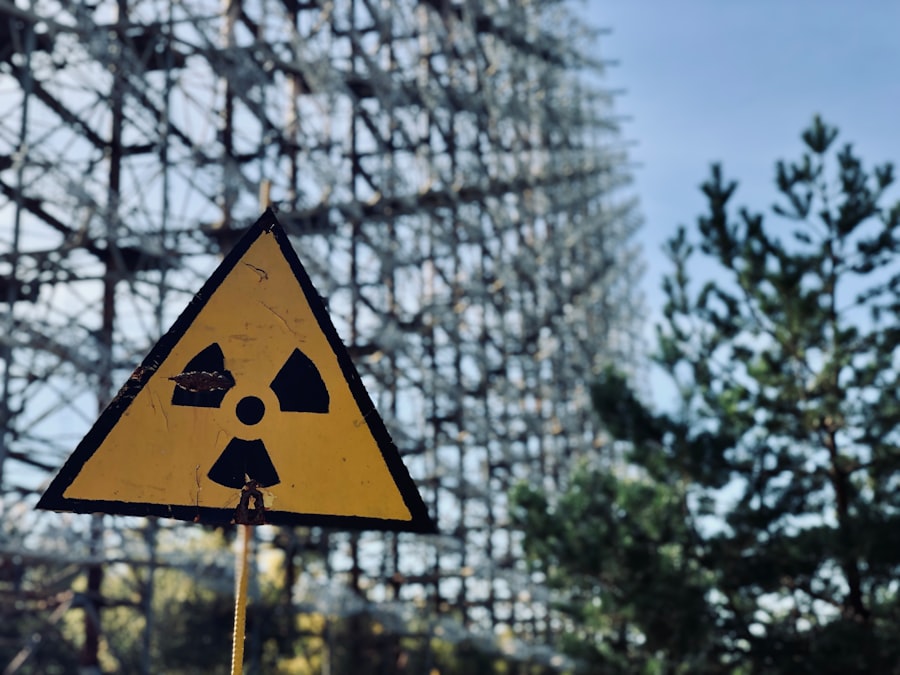
The relentless pursuit of nuclear secrets at Los Alamos left an indelible mark not only on the geopolitical landscape but on the environment and the health of those who lived and worked there. These were the secrets that were not spoken of in hushed tones in dimly lit laboratories, but etched into the very land and the bodies of those who were exposed.
The recent revelations surrounding the Los Alamos nuclear secrets have sparked significant interest in the history of nuclear research and espionage. For those looking to delve deeper into this topic, an insightful article can be found on the complexities of nuclear secrecy and its implications for national security. You can read more about it in this related article, which explores the intricate web of information surrounding these critical developments.
The Scars on the Land: Radioactive Contamination
The early days of nuclear research were characterized by a rudimentary understanding of the long-term environmental consequences of radioactive materials. Waste disposal practices were often inadequate, leading to contamination of soil, water, and air. The mesas surrounding Los Alamos bear the silent scars of these early operations, a legacy of radioactive waste that continues to require monitoring and remediation. These are the secrets that are not written in documents but are present in the very earth.
The Burial of Waste: A Lingering Threat
Vast quantities of radioactive waste, from highly enriched uranium and plutonium to contaminated equipment and debris, were generated during the Manhattan Project and its aftermath. The methods of disposal, often involving burying waste in unlined pits or abandoned mines, have created ongoing environmental risks. The secrets here lie in the decades-long effort to contain and mitigate these contaminated sites, a complex and costly undertaking that continues to be managed by the Department of Energy.
The Unexpected Ecosystem: Life in a Radioactive Landscape
Remarkably, life has found a way to persist around Los Alamos, creating an unexpected ecosystem in a radioactive landscape. Certain species have adapted to the presence of low-level radiation, a testament to nature’s resilience. However, the long-term effects on these ecosystems, and the potential for bioaccumulation of radioactive elements, remain a subject of ongoing scientific study and an unspoken secret of the area.
The Human Toll: The Health of the “Atomic Workers”
The individuals who worked at Los Alamos, the “atomic workers,” are another group whose stories are intertwined with the site’s nuclear secrets. Many were exposed to varying levels of radiation, often without full understanding of the immediate or long-term health risks. The documented health consequences for some of these workers represent a profound and often overlooked aspect of the Los Alamos narrative.
The Silent Suffering: Cancers and Genetic Concerns
Studies have revealed increased rates of certain cancers among former Los Alamos workers, particularly those involved in specific processing and handling of radioactive materials. The latency period for many radiation-induced illnesses is long, meaning that the health impacts can manifest years or even decades after exposure. The genetic implications for descendants of some exposed workers also remain a subject of concern, a secret passed down through generations.
The Ethics of Compensation: A Long Road to Recognition
The recognition and compensation for the health impacts suffered by former Los Alamos workers have been a long and arduous process. The classification of certain information and the difficulty in definitively linking specific exposures to illnesses have often hindered these efforts. The ongoing struggle for recognition and justice for these individuals represents an enduring, human secret of the atomic age.
The Evolving Landscape of Nuclear Secrecy

The nature of nuclear secrets at Los Alamos has not remained static; it has evolved alongside scientific advancements, geopolitical shifts, and changing societal awareness. The concept of “secret” itself has become more nuanced, encompassing not just technical specifications but also the ethical implications and potential consequences of nuclear technology.
From Weapon Purity to Proliferation Concerns
In the early days, the paramount secret was the precise design and functionality of the weapons themselves. This was driven by the imperative of wartime advantage and then the Cold War arms race. However, as nuclear technology proliferated globally, the focus of secrecy shifted towards preventing further proliferation and managing existing arsenals.
The Non-Proliferation Treaty: A Secret Bargain?
The Non-Proliferation Treaty (NPT), signed in 1968, was a significant international effort to control the spread of nuclear weapons. While publicly hailed as a success, the treaty also involved complex negotiations and implicit understandings about the responsibilities of nuclear powers. The ongoing debates about nuclear disarmament and modernization reflect the enduring tension between maintaining security through established arsenals and the global imperative to reduce nuclear risks – a delicate balance of secrets and public pronouncements.
The Internet Age: Information’s Unstoppable Tide
The advent of the internet and digital technologies has fundamentally altered the landscape of secrecy. Information that was once meticulously guarded can now be disseminated globally with unprecedented speed. This presents a new set of challenges for institutions like Los Alamos, forcing them to adapt their strategies for safeguarding sensitive information in an increasingly transparent world. The secrets are no longer solely contained within physical walls but are under constant threat from the digital ether.
The Unfinished Business: Legacy and Future Responsibility
The untold story of Los Alamos’ nuclear secrets is not a closed chapter. It is an ongoing narrative, with implications that continue to unfold. The scientific breakthroughs, the ethical dilemmas, and the environmental and human legacies all contribute to a complex and evolving understanding of this pivotal period in history.
The Ghosts of Trinity: Enduring Ethical Questions
The site of the Trinity test, today a stark and windswept landscape, serves as a physical reminder of the audacious scientific achievement and the profound ethical questions it raised. The decisions made on that New Mexico plateau continue to resonate, prompting ongoing discussions about the role of science in society, the responsibility of scientists, and the enduring threat of nuclear weapons. The ghosts of that explosion are not merely historical figures but continuing moral specters.
The Future of Nuclear Science: Balancing Innovation and Vigilance
Los Alamos continues to be a hub of scientific innovation, exploring new frontiers in fields ranging from national security to clean energy. The lessons learned from its nuclear past are crucial as it navigates the future. The ongoing challenge is to harness the power of scientific discovery for the benefit of humanity while remaining vigilant about the potential for misuse and ensuring that the secrets of the atomic age are understood not just for their technical merit, but for their profound and lasting impact on our world. The untold story of Los Alamos serves as a perpetual reminder that with great power comes an even greater responsibility to illuminate, not to conceal, the full truth.

Why Manhattan Project Scientists Couldn’t Explain the Green Fireballs
FAQs
What are the Los Alamos nuclear secrets?
The Los Alamos nuclear secrets refer to the classified information related to the development and production of nuclear weapons at the Los Alamos National Laboratory in New Mexico.
When were the Los Alamos nuclear secrets first developed?
The Los Alamos nuclear secrets were first developed during the Manhattan Project in the 1940s, which was a research and development project during World War II that produced the first nuclear weapons.
How were the Los Alamos nuclear secrets protected?
The Los Alamos nuclear secrets were protected through strict security measures, including classified information protocols, restricted access to sensitive areas, and background checks for personnel working at the laboratory.
What impact did the Los Alamos nuclear secrets have on history?
The Los Alamos nuclear secrets had a significant impact on history, as they led to the development and use of nuclear weapons during World War II, and subsequently influenced global politics and warfare during the Cold War and beyond.
Are the Los Alamos nuclear secrets still relevant today?
While some aspects of the Los Alamos nuclear secrets may be considered historical, the knowledge and technology developed at the laboratory continue to be relevant for nuclear weapons research, non-proliferation efforts, and nuclear energy development.