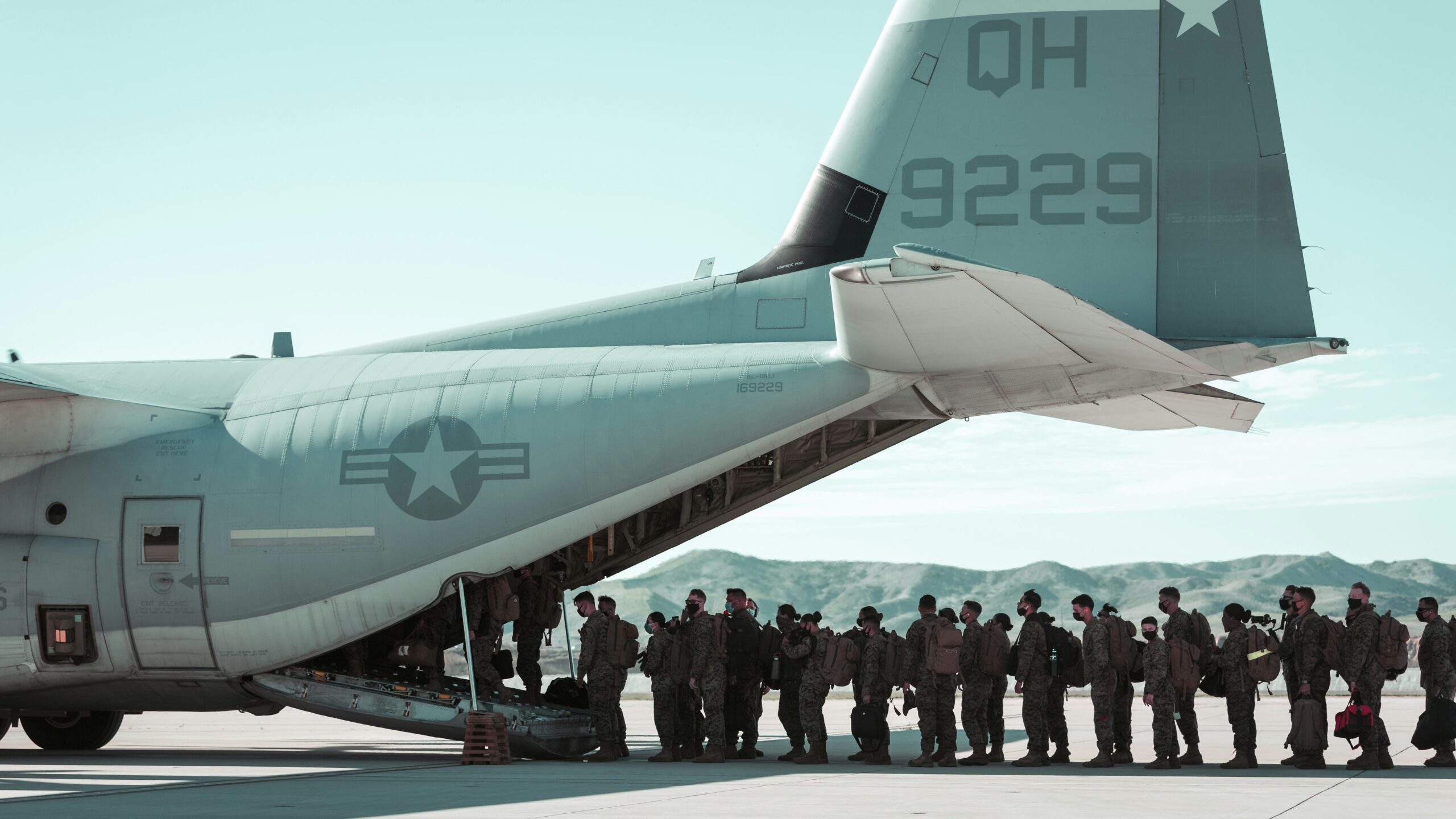
The allure of the unknown, particularly when cloaked in the gravitas of national security, has always captivated the public imagination. Behind the often-unseen barriers of military installations and within the hushed confines of government research facilities lie the genesis of innovations that could redefine warfare, reshape economies, and even alter the trajectory of human civilization. These are the realms of top-secret military projects, a world where classified advancements are meticulously developed, tested, and sometimes, eventually, revealed to a cautiously informed public. The journey from concept to operational reality is often arduous, fraught with technical challenges, ethical considerations, and the ever-present imperative of secrecy. This article aims to illuminate some of these extraordinary ventures, delving into the rationale behind their classification, the nature of their breakthroughs, and their potential impact.
The decision to classify a military project is rarely arbitrary. It is a strategic choice driven by a confluence of factors, all aimed at preserving a nation’s technological edge and safeguarding its interests. Understanding these motivations is key to appreciating the significance of these clandestine undertakings.
Protecting Strategic Advantage
The most fundamental reason for classifying military projects is to prevent adversaries from gaining knowledge of advanced capabilities. In a world where technological superiority can translate directly into battlefield dominance and deterrence, revealing cutting-edge weaponry or tactical doctrines would be tantamount to handing opponents the blueprints for their own defense and offense.
The Arms Race and Technological Leaps
Throughout history, periods of geopolitical tension have often spurred intense arms races, pushing the boundaries of scientific and engineering prowess. Projects developed during such times, particularly those involving novel propulsion systems, advanced materials, or sophisticated targeting mechanisms, are deemed too sensitive to risk disclosure. Early insights into stealth technology, for instance, were fiercely guarded secrets precisely because their unveiling would have rendered existing air defense systems obsolete and ceded a critical advantage to the nation possessing them.
Maintaining Deterrence
For nuclear powers, the classified nature of their arsenal and delivery systems is paramount to their deterrence strategy. The exact size, scope, and capabilities of these forces are carefully managed to present a credible threat without revealing vulnerabilities. Any information that could undermine this perception of strength, such as the development of advanced missile defense systems or new forms of tactical nuclear weapons, will invariably be shrouded in secrecy.
Preventing Proliferation and Misuse
Beyond the direct military implications, classification also serves to prevent the proliferation of dangerous technologies to rogue states or non-state actors. The development of advanced cyber warfare tools, for example, poses a significant threat if they fall into the wrong hands. Similarly, breakthroughs in biotechnology that could be weaponized are subject to stringent controls and classification.
The Dual-Use Dilemma
Many groundbreaking technologies have the potential for both civilian and military applications. The development of advanced computational power, for instance, can be used for scientific research, economic modeling, or for breaking encryption codes. In such cases, classifying the military applications or the specific methods of achieving this power becomes crucial to prevent its misuse.
International Treaties and Agreements
Certain technological advancements may also be subject to international treaties and agreements designed to limit the proliferation of specific weapon types. Classification in these instances ensures compliance with these obligations and prevents any perception of violation that could destabilize international relations.
Safeguarding Operational Security
The operational effectiveness of any military force relies not only on its hardware but also on its tactics, intelligence gathering methods, and command and control systems. Often, the most critical secrets lie not in the weapons themselves, but in how they are employed.
Stealth and Deception
The development of stealth technology, from aircraft to naval vessels, is a prime example of safeguarding operational security. The ability to evade detection is a significant force multiplier, and its methods are painstakingly kept secret to ensure its continued effectiveness. Similarly, advanced electronic warfare capabilities and cyber defenses are crucial for maintaining operational surprise and preventing enemy intervention.
Intelligence Gathering and Analysis
The sophisticated systems used for intelligence gathering, surveillance, and reconnaissance (ISR), along with the methods for analyzing and disseminating this information, are also highly classified. The ability to see, understand, and act faster and more effectively than an adversary is a cornerstone of modern warfare.
For those interested in the intriguing world of secret military projects, a fascinating article can be found at XFile Findings, which delves into various classified initiatives and their implications for national security and technological advancement. This resource provides insights into the covert operations that have shaped modern warfare and the ongoing efforts to maintain secrecy in military research and development.
Pioneers in the Skies: Beyond Conventional Aviation
The skies have long been a battleground for innovation, and the pursuit of aerial superiority has driven some of the most ambitious and secretive military projects. These ventures have pushed the boundaries of physics and engineering, resulting in aircraft with capabilities previously confined to the realm of science fiction.
The Dawn of Stealth: Making the Invisible Visible
The concept of making aircraft undetectable to radar has been a holy grail for air forces worldwide. The development of stealth technology represents a monumental leap in military aviation, drastically altering the dynamics of air combat.
Early Theoretical Work and the F-117 Nighthawk
While the theoretical underpinnings of radar evasion were explored for decades, it was the development of the F-117 Nighthawk in the late 1970s and early 1980s that proved the viability of stealth in operational aircraft. Its angular design, radar-absorbent materials, and carefully managed emissions made it virtually invisible to contemporary radar systems. The project’s existence was so deeply classified that many believed it to be a myth until its public acknowledgment and combat introduction.
The Evolution of Stealth: B-2 Spirit and Beyond
The F-117 was a pioneering effort, but the quest for more advanced and versatile stealth platforms continued. The B-2 Spirit, a flying wing bomber, represents a subsequent generation of stealth technology, offering intercontinental range and the ability to carry a significant payload while remaining undetected. Ongoing research undoubtedly continues to refine these capabilities and explore entirely new approaches to low-observability.
Hypersonic Flight: Redefining Speed and Reach
The pursuit of hypersonic flight, speeds exceeding Mach 5, promises to revolutionize aerial combat and rapid global strike capabilities. This is a frontier where immense technical challenges meet significant strategic implications.
The Promise of Supersonic Strike
Hypersonic missiles and aircraft offer the potential to reach targets anywhere on the globe in a matter of minutes, drastically reducing reaction times for both attackers and defenders. This speed makes them incredibly difficult to intercept with current missile defense systems.
Material Science and Thermal Management
Achieving and sustaining hypersonic speeds generates immense heat due to atmospheric friction. A core challenge for these projects lies in developing materials that can withstand these extreme temperatures and designing effective thermal management systems to protect the aircraft and its sensitive components. This requires breakthroughs in exotic alloys, ceramics, and advanced cooling technologies.
Unmanned Aerial Systems (UAS): The Future of Aerial Reconnaissance and Strike
Unmanned aerial vehicles, or drones, have moved from specialized reconnaissance tools to sophisticated platforms capable of complex offensive and defensive operations. Their development has been a rapid and often classified endeavor.
Autonomous Operations and AI Integration
The increasing integration of artificial intelligence (AI) into UAS allows for greater autonomy, enabling them to perform mission tasks with minimal human intervention. This includes complex navigation, target identification, and even adaptive combat strategies. The ethics and control mechanisms surrounding fully autonomous weapon systems remain a significant area of ongoing research and debate.
Advanced Sensor Suites and Networking
Modern military UAS are equipped with increasingly sophisticated sensor suites, capable of collecting and processing vast amounts of data in real-time. These systems are also designed to operate in highly networked environments, sharing information and coordinating with other assets, creating a powerful integrated battlefield awareness.
Naval Dominance: Beneath the Waves and on the Horizon
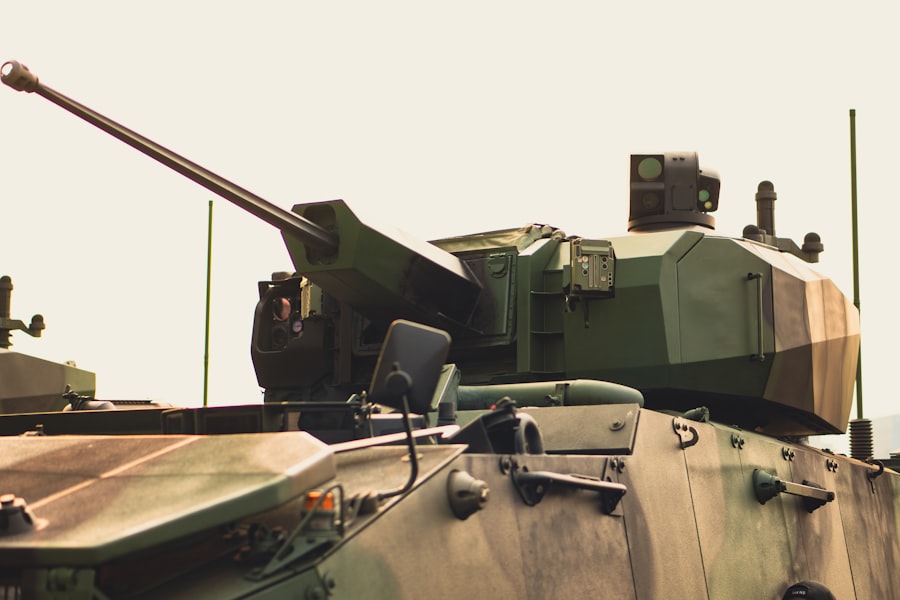
The oceans have always been a critical domain for military power projection, and naval innovation continues to be a cornerstone of national security strategies. Top-secret projects in this area often focus on achieving unparalleled stealth, formidable offensive capabilities, and strategic control of maritime environments.
Submarine Technology: The Silent Giants of the Deep
Submarines represent a unique and highly potent element of naval power, and their advancements are often classified for reasons of strategic deterrence and operational surprise.
Acoustic Stealth and Detection Avoidance
The primary characteristic of a submarine’s effectiveness is its ability to remain undetected. Decades of classified research have focused on minimizing acoustic signatures through advanced hull designs, noise reduction technologies, and sophisticated sonar countermeasures. The race to both improve detection capabilities and evade them is a perpetual arms race.
Advanced Propulsion Systems
Beyond nuclear power, which itself has undergone significant classified development for naval applications, research into even more advanced and silent propulsion systems continues. This includes exploring novel energy sources and propulsion methods that further reduce a submarine’s detectability and increase its operational endurance.
Extended Range and Payload Capabilities
Classified projects have consistently pushed the boundaries of submarine endurance and weaponry. This includes the development of longer-range ballistic missiles, advanced cruise missiles, and specialized torpedoes, all designed to be deployed from submerged platforms with maximum surprise.
Unmanned Underwater Vehicles (UUVs): The Expanding Frontier of Subsea Operations
Similar to their aerial counterparts, UUVs are increasingly playing a vital role in naval operations, from mine countermeasures and intelligence gathering to more offensive roles.
Autonomous Mine Warfare and Anti-Submarine Warfare
The development of autonomous UUVs capable of independently identifying and neutralizing naval mines or detecting and tracking enemy submarines represents a significant force multiplier. These vehicles can operate in dangerous environments for extended periods, reducing risk to human crews.
Deep-Sea Reconnaissance and Seabed Mapping
Classified UUV projects are also involved in extensive deep-sea reconnaissance and seabed mapping, providing invaluable intelligence on underwater terrain, potential enemy infrastructure, and strategic chokepoints. This information is critical for planning and executing complex naval operations.
Directed Energy Weapons at Sea
The application of directed energy weapons (DEWs) on naval platforms is a burgeoning area of classified military development, promising revolutionary defensive and offensive capabilities.
Laser and Microwave Weapons
Research into naval laser systems focuses on their ability to intercept and destroy incoming threats like drones, missiles, and small boats with precision and speed. Similarly, microwave weapons are being explored for their potential to disrupt or disable enemy electronic systems.
Power Generation and Thermal Management Challenges
A significant hurdle in the development of effective DEWs is the requirement for immense power generation and efficient thermal management. These projects necessitate breakthroughs in compact, high-output power sources and advanced cooling systems to enable sustained weapon operation.
The Invisible Battlefield: Cyber Warfare and Information Dominance
In the 21st century, the battlefield extends far beyond the physical realm. Cyber warfare and the control of information have become critical elements of national security, leading to the development of highly classified and often clandestine projects.
Offensive Cyber Operations: Disrupting and Degrating Adversaries
The ability to infiltrate, disrupt, and degrade an adversary’s digital infrastructure is a powerful and evolving capability. These projects are often so sensitive that their very existence is denied.
Advanced Malware and Exploitation Techniques
Classified programs are continuously developing sophisticated malware, known as zero-day exploits, that target previously unknown vulnerabilities in software and hardware. These tools allow for stealthy access and control over enemy systems.
Strategic Cyber Weapons and Network Infiltration
Beyond individual exploits, nations are developing broader strategic cyber weapons capable of crippling critical infrastructure, such as power grids or communication networks, or disrupting military command and control systems. The development and deployment of such capabilities are among the most closely guarded secrets.
Defensive Cyber Security: Protecting National Assets
While offensive capabilities are crucial, the development of robust cyber defenses is equally vital. These projects aim to protect national infrastructure, government networks, and military systems from attack.
AI-Powered Threat Detection and Response
The use of artificial intelligence (AI) in cybersecurity is a rapidly developing area. Classified projects are focused on developing AI systems capable of real-time threat detection, anomaly identification, and automated response to cyberattacks, often faster than human intervention.
Cryptography and Secure Communication
The ongoing research into advanced cryptographic techniques is essential for securing sensitive communications and data. This includes developing new encryption algorithms and methods for secure quantum communication, which are still largely in the realm of classified research.
Information Warfare and Psychological Operations
The manipulation of information and the shaping of public perception can be as potent as any physical weapon. Classified projects in this domain aim to influence narratives, sow discord, and undermine an adversary’s will to fight.
Disinformation Campaigns and Social Media Manipulation
Modern information warfare often involves sophisticated disinformation campaigns, leveraging social media platforms and other channels to spread false narratives and influence public opinion in targeted populations. The methodologies and coordination of such operations are typically highly classified.
Strategic Communication and Predictive Analysis
Conversely, military organizations are also developing advanced capabilities for strategic communication and predictive analysis to understand and counter enemy influence operations. This involves analyzing information flows and anticipating potential threats to national narratives.
In recent years, discussions surrounding secret military projects have gained significant attention, particularly as new technologies emerge that blur the lines between science fiction and reality. For those interested in exploring this topic further, a fascinating article can be found at this link, which delves into the hidden advancements and the implications they hold for national security and global power dynamics. These clandestine initiatives often remain shrouded in mystery, prompting both intrigue and concern among the public and experts alike.
Emerging Frontiers: Biotechnology, AI, and Beyond
| Project Name | Description | Status |
|---|---|---|
| Project Blue Book | An investigation into UFO sightings and potential extraterrestrial activity | Declassified |
| Project MKUltra | An illegal program of experiments on human subjects aimed at developing mind-control techniques | Declassified |
| Project Stargate | A program to investigate psychic phenomena and potential military applications | Declassified |
| Project 1794 | An attempt to develop a supersonic flying saucer for the US military | Cancelled |
The pace of scientific discovery is accelerating, and military research agencies are at the forefront of exploring how these breakthroughs can be harnessed for defense and security. These are often the most speculative and potentially transformative areas of classified innovation.
Biotechnology and Human Augmentation
The intersection of biology and technology holds immense potential for enhancing human capabilities and developing novel defensive and offensive tools, but it also raises profound ethical questions.
Enhanced Soldier Performance
Research into areas like genetic engineering, advanced prosthetics, and pharmaceutical enhancements aims to create soldiers with superior strength, endurance, cognitive abilities, and resilience to environmental factors. The ethical implications and long-term consequences of such augmentations are subjects of intense debate and stringent controls.
Bio-Weapons and Countermeasures
While the development of bio-weapons is a global concern, military research also focuses on understanding and developing countermeasures against them. This includes rapid detection systems, advanced vaccines, and therapeutic agents to combat biological threats.
Artificial Intelligence and Autonomous Systems
AI is a pervasive force across all military domains, driving innovation in everything from logistics to lethal autonomous weapons.
Swarming Technologies and Coordinated Operations
The development of AI-powered swarming technologies, where multiple autonomous units (drones, robots, etc.) can coordinate and operate as a cohesive unit, has immense potential for reconnaissance, attack, and defense. The algorithms and protocols for such complex coordination are highly classified.
Predictive Logistics and Predictive Maintenance
Beyond combat applications, AI is revolutionizing military logistics and maintenance. Classified projects are developing systems that can predict supply chain needs, anticipate equipment failures, and optimize resource allocation with unprecedented efficiency.
Quantum Technologies and Future Warfare
Quantum computing and quantum sensing represent a paradigm shift in computing and measurement, with potentially profound implications for national security and warfare.
Quantum Computing for Codebreaking and Simulation
The immense processing power of quantum computers could revolutionize codebreaking, rendering current encryption methods obsolete. Conversely, research is also focused on developing quantum-resistant cryptography. Quantum simulations could also be used to model complex battlefield scenarios with unparalleled fidelity.
Quantum Sensing for Enhanced Detection
Quantum sensing technologies promise extremely sensitive and precise measurement capabilities, potentially leading to new forms of radar, navigation, and even the detection of subtle battlefield changes that are currently undetectable.
The world of top-secret military projects is a testament to humanity’s relentless drive for innovation, often fueled by the complexities of global security. While the desire for secrecy is understandable, the eventual unveiling of these classified advancements offers a glimpse into the future of technology and its profound impact on our world. As these projects continue to evolve, they will undoubtedly shape the geopolitical landscape, redefine the nature of conflict, and continue to capture our collective imagination.

Why Manhattan Project Scientists Couldn’t Explain the Green Fireballs
FAQs
What are secret military projects?
Secret military projects are classified programs and initiatives developed and carried out by military organizations that are not publicly disclosed or known to the general public. These projects often involve advanced technology, research, and development for military purposes.
How are secret military projects funded?
Secret military projects are typically funded through the defense budget of the respective country’s government. The funding for these projects is often classified and not publicly disclosed due to the sensitive nature of the work being conducted.
What types of technology are typically involved in secret military projects?
Secret military projects often involve cutting-edge technology such as advanced weaponry, surveillance and reconnaissance systems, cyber warfare capabilities, and aerospace and aeronautical advancements. These projects are aimed at maintaining military superiority and staying ahead of potential adversaries.
How are secret military projects kept confidential?
Secret military projects are kept confidential through strict security protocols, limited access to information, and compartmentalization of knowledge. Those involved in these projects are often required to sign non-disclosure agreements and undergo security clearance processes to ensure the secrecy of the work being conducted.
What are some examples of past secret military projects?
Examples of past secret military projects include the Manhattan Project, which developed the atomic bomb during World War II, the development of stealth aircraft such as the Lockheed Martin F-117 Nighthawk, and the ongoing development of unmanned aerial vehicles (UAVs) for surveillance and combat purposes.