
The persistent hum of speculation surrounding Unidentified Aerial Phenomena (UAP) has, in recent years, risen from the fringes of public discourse to a more mainstream, albeit still cautiously observed, conversation. This shift has been punctuated by official acknowledgments from governments, notably the United States, of unexplainable aerial events and the creation of bodies tasked with their investigation. Yet, for many, these developments, while significant, still feel like echoes of a deeper, more concealed reality. The concept of a “hidden archive in plain sight” suggests that the raw material for understanding UAP, far from being locked away in secure government vaults, has perhaps been distributed and integrated into existing systems and information streams, requiring a re-evaluation of what constitutes evidence and where to seek it. This article explores the implications of such a paradigm, proposing that the “archive” is not a single, monolithic entity but rather a diffuse network of data, observations, and testimonies that, when viewed collectively and with a critical lens, may offer a less guarded glimpse into the UAP phenomenon.
The past few years have seen a notable departure from the outright debunking or dismissal that characterized official government stances on UAP for decades. This evolution in public communication, while not necessarily indicative of disclosure in the most dramatic sense, has opened avenues for more candid discussion and investigation.
From Dismissal to Acknowledgment
For many years, the prevailing official narrative regarding UAP hovered around explanations of misidentified conventional aircraft, atmospheric phenomena, or even psychological projections. Encounters were often relegated to anecdotal evidence, dismissed as the product of overactive imaginations or the result of advanced, but terrestrial, military projects. The declassification of certain documents, while providing some historical context, often fell short of offering definitive answers, tending to confirm the existence of unexplained sightings rather than providing explanations. The current shift signifies a move from outright denial to an acknowledgment of the limits of current understanding, a subtle but important distinction.
The Role of Transparency Initiatives
Recent government initiatives, such as the establishment of UAP task forces and the mandated reporting of UAP incidents by military personnel, represent concrete steps toward greater transparency. These efforts, though still in their nascent stages, are designed to collect and analyze data in a more structured and systematic manner. The intention, as stated, is to assess potential national security risks and to improve the understanding of the aerial domain. However, the very nature of these reports, often emphasizing the absence of clear explanations, can also be interpreted as a form of “disclosure” of the unknown.
The Perceived Limitations of Official Channels
Despite these acknowledged efforts towards transparency, a segment of the population remains skeptical, believing that these official channels are either inherently limited in their scope or deliberately curated. Concerns often revolve around the types of data being prioritized, the potential for selective declassification, and whether the true depth of historical information is ever fully brought to light. This skepticism fuels the search for alternative avenues of inquiry, leading to the exploration of what might be considered “hidden in plain sight.”
In the ongoing discussion surrounding UFO disclosure, many enthusiasts and researchers have turned their attention to the intriguing notion that vital information may be hidden in plain sight. A related article that delves deeper into this topic can be found at XFile Findings, where it explores various theories and evidence suggesting that significant UFO-related documents and sightings have been overlooked or intentionally obscured from public view. This resource provides valuable insights for anyone interested in the complexities of UFO disclosure and the potential implications for our understanding of extraterrestrial life.
Deconstructing the “Hidden Archive” Concept
The notion of a “hidden archive” does not necessarily imply a deliberate conspiracy to withhold information. Instead, it suggests that the relevant data and observations are already present, but perhaps not categorized or presented in a way that readily connects them to the UAP phenomenon. This archive might exist within disparate databases, historical records, scientific observations, and even within the collective memory of communities.
Beyond Declassified Documents
While declassified documents are an important piece of the puzzle, the “hidden archive” extends far beyond them. This includes:
- Early Aviation Records: Reports from early aviators, particularly military pilots beginning in the mid-20th century, often contained descriptions of phenomena that defy conventional explanations. These are not always cataloged under “UAP” but might be found within operational logs, personal journals, or internal military historical accounts.
- Scientific Observational Data: Astronomical surveys, meteorological records, and even geological studies might contain anomalies or unexpected observations that, when cross-referenced with documented UAP sightings, could offer new insights. For example, unusual atmospheric electrical discharges or unexpected radar signatures could have been recorded without being initially linked to potential non-terrestrial activity.
- Folklore and Cultural Narratives: While often dismissed as myth, certain recurring themes and details in historical folklore, local legends, and even ancient texts might contain echoes of genuine observational accounts that predate modern UAP terminology. Reinterpreting these through a critical, data-driven lens could reveal patterns.
In recent discussions surrounding UFO disclosure, many enthusiasts have pointed to the intriguing concept of an archive that may be hidden in plain sight. This idea is explored in detail in an article that delves into the possibility of government documents and evidence being subtly integrated into public records. For those interested in uncovering more about this fascinating topic, the article can be found here: XFile Findings. This resource offers insights that could change the way we perceive the information available to us regarding unidentified aerial phenomena.
The Significance of Witness Testimony
Eyewitness testimony, though often criticized for its subjectivity, forms a substantial part of the UAP landscape. The “hidden archive” can be found in the accumulated volume of such accounts, meticulously documented and cross-referenced.
- The Accumulation of Anecdotal Evidence: The sheer volume of UAP sightings reported by ordinary citizens, pilots, and even military personnel over many decades, when analyzed statistically and for commonalties in descriptive elements (shape, movement, duration, effects), can reveal underlying patterns. This data is often fragmented and scattered across databases, forums, and personal collections.
- Professional Pilot and Military Accounts: Reports from individuals trained in observation and reporting, such as commercial airline pilots and military aircrews, carry inherent weight. Many of these accounts exist within internal corporate or military databases, and while some have emerged publicly, a significant portion may remain compartmentalized or not readily accessible for UAP-specific analysis.
- The Unseen Infrastructure of Observation: Beyond direct sightings, consider the infrastructure of observation. Radar technicians, air traffic controllers, and even amateur radio operators have, at various times, reported anomalies that were difficult to explain. These individuals, while not always filing formal UAP reports, were nonetheless observers of unusual phenomena. Their recorded observations, even if filed under unrelated categories, could constitute parts of this latent archive.
Technological Echoes in Data Streams
Modern technology, while often seen as the enabler of secrecy, can also be the unwitting disseminator of information relevant to UAP. The “hidden archive” might be embedded within the vast streams of data generated daily.
- Sensor Data Anomalies: Modern military and civilian sensors (radar, lidar, infrared, satellite imagery) are designed to detect a wide array of phenomena. Anomalies detected by these systems, even if flagged as equipment malfunctions or atmospheric disturbances, could represent genuine UAP interactions that were not recognized or reported as such. These raw data logs, often stored for years, constitute a potential archive.
- Leaked Information and Whistleblower Accounts: While often controversial, instances of leaked documents or whistleblower testimonies, even if partial or unverified, can provide fragments of information that, when placed alongside other data points, contribute to a broader understanding. These are not always actively sought but can surface and become part of the collective awareness.
- The Internet as a Decentralized Archive: The internet, with its vast storage capacity and global reach, has become an unintentional repository. Forums, online archives, and social media platforms host an enormous amount of UAP-related information, from digitized historical documents to personal testimonies and photographic evidence. While requiring significant discernment, this decentralized network acts as a massive, if unorganized, archive.
Re-evaluating Evidence in the Public Domain

The persistent pursuit of UAP disclosure often focuses on the expectation of large-scale, official revelations. However, the “hidden archive in plain sight” suggests a need for a paradigm shift in how evidence is perceived and aggregated, drawing from a wider array of sources and employing more integrated analytical methods.
The Case for Cross-Disciplinary Analysis
Understanding UAP may require moving beyond traditional intelligence or military analysis and embracing a more holistic, cross-disciplinary approach, integrating insights from various fields.
- Integrating Scientific Disciplines: The study of UAP could benefit from the expertise of astrophysicists examining anomalies in celestial observations, meteorologists analyzing unusual atmospheric events that coincided with sightings, and engineers scrutinizing the physics of seemingly impossible flight capabilities.
- Psychological and Sociological Perspectives: While not directly evidence of extraterrestrial craft, understanding the psychological impact of UAP encounters on individuals and societies, as well as the sociological factors influencing reporting and belief, is crucial for a comprehensive picture. This involves analyzing patterns in mass sightings, fear responses, and the development of cultural narratives.
- Historical Research and Archival Science: Beyond simply declassifying documents, a rigorous application of historical research methods is needed to contextualize past UAP reports, identify recurring themes, and understand how official and public perceptions have evolved over time. This includes employing archival science techniques to uncover, preserve, and interpret fragmented historical records.
The Importance of Citizen Science and Independent Research
The “hidden archive” may thrive in the independent efforts of researchers and citizen scientists who are unconstrained by the bureaucracies and potential limitations of official investigations.
- Crowdsourced Data Collection and Analysis: Initiatives that empower the public to report, record, and analyze UAP sightings using standardized protocols can contribute to a more robust dataset than agencies might be able to compile alone, especially if those agencies are hampered by resource limitations or bureaucratic hurdles.
- Independent Investigation and Verification: The work of independent research groups, meticulously documenting sightings, interviewing witnesses, and attempting to verify reports through publicly available data (weather, air traffic, satellite imagery), can shed light on cases that might otherwise go unexamined.
- Technological Tools for the Public: The development of accessible technologies for citizens, such as advanced smartphone apps for recording aerial phenomena, or open-source software for analyzing sensor data, democratizes the act of observation and data collection, potentially uncovering new evidence.
The Challenge of Information Overload and Disinformation
The very nature of “plain sight” implies navigating a vast sea of information, much of which is unverified, misleading, or outright disinformation. The “hidden archive” must be approached with a critical and discerning eye.
- Developing Robust Verification Protocols: Establishing clear protocols for verifying UAP-related information, analogous to journalistic fact-checking or scientific peer review, is essential. This involves examining the source, corroborating details, and assessing the plausibility of claims.
- Identifying and Mitigating Disinformation Campaigns: The UAP phenomenon has been a fertile ground for both deliberate disinformation campaigns and the spread of misinformation due to misunderstanding. Recognizing the hallmarks of such efforts is crucial to separating genuine observations from fabricated ones.
- The Ethical Considerations of Disclosure: The public interest in UAP disclosure is undeniable, but the potential societal impacts of a full, unvarnished disclosure also warrant careful consideration. This includes the psychological, religious, and geopolitical implications, which are often debated by researchers and policymakers alike.
Navigating the Future of UAP Inquiry
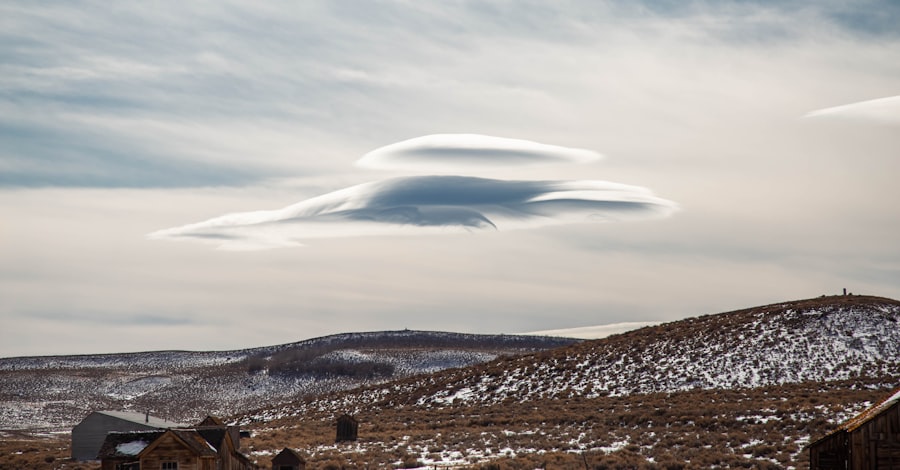
The concept of a “hidden archive in plain sight” suggests that the path towards understanding UAP may be less about dramatic revelations and more about diligent, integrated, and open-minded investigation.
Towards a More Unified Understanding
The ultimate goal of such an approach would be to move towards a more unified and evidence-based understanding of UAP, transcending the current fragmented landscape of speculation and official reticence.
- A Collaborative Research Ecosystem: Fostering a collaborative ecosystem where government agencies, independent researchers, scientific institutions, and the public can share data and insights openly and constructively is paramount. This could involve secure data-sharing platforms and joint research initiatives.
- Evolving Methodologies for Analysis: The ongoing development and refinement of analytical methodologies specifically tailored to UAP data, incorporating artificial intelligence and advanced statistical techniques, will be crucial in identifying patterns within seemingly disparate information.
- The Potential for Paradigm Shifts: Should sufficient evidence coalesce from various sources within this “archive,” it could lead to a significant paradigm shift in our understanding of physics, technology, and humanity’s place in the universe. This shift would not be the result of a single announcement but a gradual reorientation of scientific and public thought.
The Long Road Ahead
The journey towards comprehending the full scope of the UAP phenomenon, assuming it is more than just misidentified terrestrial phenomena, is likely to be a protracted one. The “hidden archive in plain sight” suggests that the answers may lie not in sequestered vaults, but in the collective, yet fragmented, tapestry of human observation and technological record-keeping.
- Sustained Public Interest and Support: Sustained public interest and support for UAP research, beyond fleeting sensationalism, will be vital in encouraging continued investigation and resource allocation. This includes encouraging critical thinking and a commitment to evidence-based inquiry.
- The Role of Future Generations: Future generations, equipped with even more advanced observational and analytical tools, may be better positioned to finally decrypt the patterns hidden within this diffuse archive and offer definitive answers.
- A Continuous Process of Discovery: Ultimately, the pursuit of understanding UAP, whether through official channels or independent exploration, represents a continuous process of discovery. The “hidden archive in plain sight” is not a static collection but a dynamic, ever-expanding repository of information waiting to be fully understood.
FAQs
What is the UFO disclosure archive hidden in plain sight?
The UFO disclosure archive hidden in plain sight refers to a collection of government documents, videos, and other evidence related to UFO sightings and encounters that have been declassified and made available to the public. These archives are often overlooked or not widely publicized, hence the term “hidden in plain sight.”
Where can one find the UFO disclosure archive?
The UFO disclosure archive can be found in various government agencies’ declassified document databases, such as the National Archives and Records Administration (NARA), the Central Intelligence Agency (CIA), and the Department of Defense (DOD). Additionally, some organizations and researchers have compiled their own archives of declassified UFO-related materials.
What kind of information is typically included in the UFO disclosure archive?
The UFO disclosure archive may contain a wide range of materials, including official reports of UFO sightings by military personnel, radar data, photographs and videos of unidentified aerial phenomena, correspondence between government agencies regarding UFO incidents, and analysis of UFO encounters by government experts.
Why is the UFO disclosure archive considered “hidden in plain sight”?
The UFO disclosure archive is often considered “hidden in plain sight” because while the information is publicly available, it is not widely publicized or easily accessible to the general public. Many of these documents are buried within vast government archives and databases, requiring specific knowledge and effort to locate and access.
What is the significance of the UFO disclosure archive?
The UFO disclosure archive is significant because it provides tangible evidence of government interest and involvement in investigating UFO phenomena. By examining these declassified materials, researchers and the public can gain insight into how government agencies have historically approached and documented UFO sightings, potentially shedding light on the broader UFO disclosure movement.