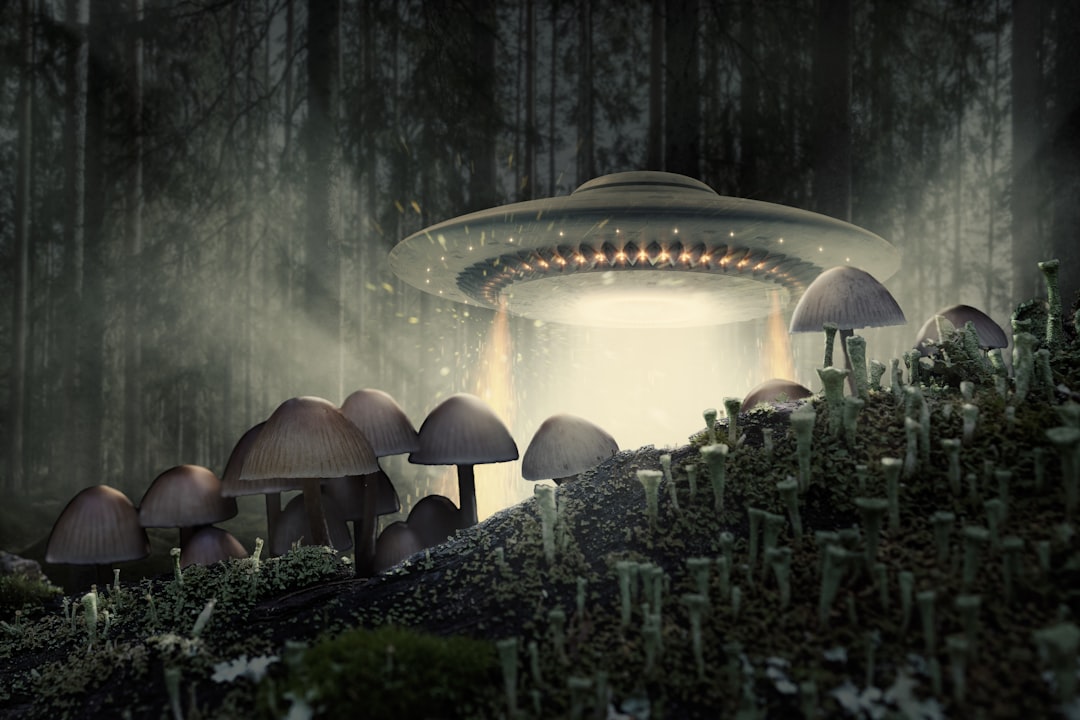
UFO encounters have long captivated the imagination of people around the world. The term “UFO,” which stands for Unidentified Flying Object, encompasses a wide range of aerial phenomena that remain unexplained. These encounters often evoke a sense of wonder and curiosity, leading individuals to ponder the existence of extraterrestrial life and the mysteries of the universe.
From ancient civilizations that documented strange lights in the sky to modern-day sightings reported by civilians and military personnel alike, the phenomenon of UFOs has persisted throughout history, sparking debates, investigations, and a plethora of theories. The allure of UFO encounters lies not only in their mysterious nature but also in the diverse array of witnesses who claim to have experienced them. These witnesses come from various backgrounds, including civilians, military personnel, pilots, law enforcement officers, and even astronauts.
Each account adds a unique perspective to the ongoing discourse surrounding UFOs, contributing to a growing body of evidence that challenges conventional understanding. As society continues to grapple with the implications of these encounters, it becomes increasingly important to examine the credibility of witness testimonies and the impact they have on public perception and scientific inquiry.
Key Takeaways
- Credible UFO witness testimonies often come from trained professionals like military personnel, pilots, and astronauts.
- Multiple independent witnesses increase the reliability of UFO encounter reports.
- Psychological and physical effects on witnesses highlight the profound impact of UFO experiences.
- Government officials and scientists provide valuable insights that support serious investigation of UFO phenomena.
- Investigating credible testimonies is crucial for advancing understanding and addressing the UFO phenomenon responsibly.
What Makes a Witness Testimony Credible?
The credibility of a witness testimony is paramount in the investigation of UFO encounters. Several factors contribute to the reliability of an account, including the witness’s background, the context of the sighting, and the consistency of their narrative. A witness with a strong educational or professional background in relevant fields, such as aviation or astronomy, may be viewed as more credible than an average civilian.
Additionally, the circumstances surrounding the sighting—such as time of day, location, and environmental conditions—can lend weight to a testimony. A well-documented sighting that occurs in a populated area during clear weather may be considered more credible than one reported in isolation under dubious conditions. Moreover, consistency plays a crucial role in establishing credibility.
When witnesses recount their experiences over time and their stories remain largely unchanged, it bolsters their reliability. Investigators often look for corroborating evidence, such as radar data or photographic documentation, to support witness accounts. The presence of multiple witnesses who independently report similar details can further enhance the credibility of a testimony.
In essence, a combination of personal integrity, situational context, and corroborative evidence forms the foundation upon which credible witness testimonies are built.
Military Personnel and UFO Encounters
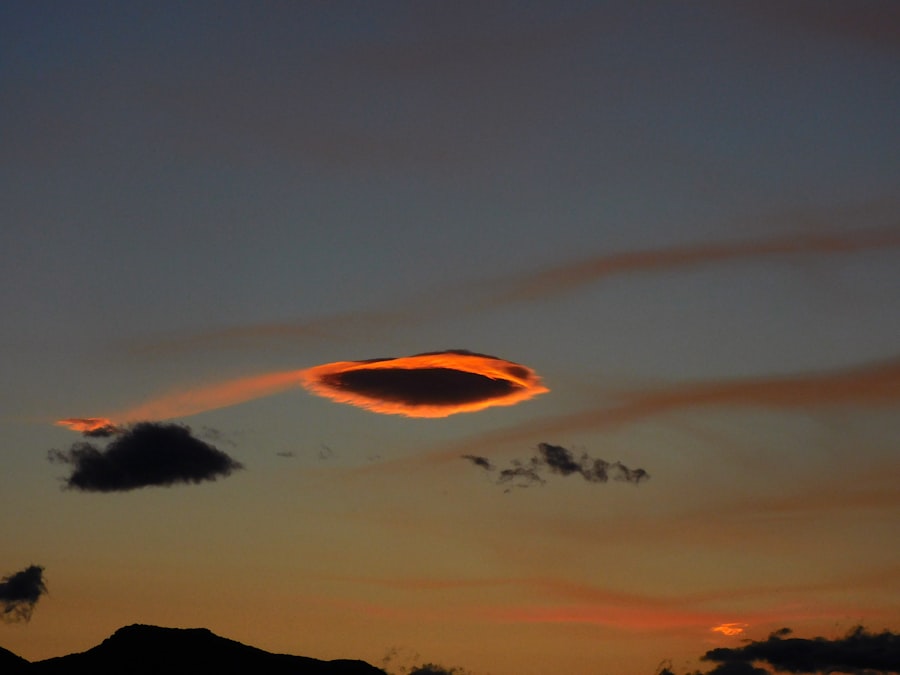
Military personnel have been at the forefront of UFO encounters for decades, often providing some of the most compelling testimonies. Their training and experience in aerial observation lend significant weight to their accounts. Many military sightings involve advanced radar systems and sophisticated aircraft, allowing personnel to track unidentified objects with precision.
The U.S. military has documented numerous incidents where pilots and radar operators have encountered unexplained aerial phenomena, leading to official investigations and reports. One notable case is the 2004 Nimitz incident, where U.S.
Navy pilots encountered unidentified flying objects off the coast of San Diego. The pilots described objects performing maneuvers that defied known physics, such as rapid acceleration and sudden changes in direction. Their testimonies were supported by radar data and infrared footage captured by onboard systems.
Such encounters not only raise questions about national security but also challenge existing paradigms regarding aerial technology and the potential for extraterrestrial life.
Pilot Encounters with UFOs
Commercial and military pilots have reported numerous UFO encounters throughout aviation history. These professionals are trained observers who are accustomed to identifying various aircraft and atmospheric phenomena. When they encounter something they cannot explain, it raises significant questions about what they witnessed.
Pilots often describe their experiences with a sense of urgency, emphasizing the need for further investigation into these unexplained sightings. One famous case involves Kenneth Arnold, a private pilot who reported seeing nine unidentified flying objects near Mount Rainier in 1947. His description of the objects’ movements sparked widespread interest in UFOs and led to the coining of the term “flying saucer.” Since then, many pilots have come forward with similar accounts, detailing encounters with objects that exhibit extraordinary speed and agility.
These testimonies are particularly compelling because they come from individuals who possess extensive knowledge of aviation and are trained to assess aerial phenomena critically.
Law Enforcement and UFO Encounters
| Year | Number of Credible Witness Accounts | Location | Type of Witness | Common Description | Reported Duration (minutes) |
|---|---|---|---|---|---|
| 2023 | 45 | United States | Military Personnel | Disc-shaped, bright lights | 5-15 |
| 2023 | 30 | Europe | Civilian Pilots | Triangular craft, silent | 3-10 |
| 2022 | 60 | South America | Local Residents | Orbs of light, hovering | 10-20 |
| 2022 | 25 | Asia | Scientists | Metallic, fast-moving | 2-5 |
| 2021 | 50 | Australia | Law Enforcement | Flying saucer, glowing | 7-12 |
Law enforcement officers have also reported UFO encounters, adding another layer of credibility to these phenomena. Officers are trained to observe details and assess situations critically, making their testimonies valuable in investigations. Many law enforcement officials have encountered unexplained lights or objects while on duty, often during routine patrols or emergency responses.
In some cases, police departments have received multiple reports from citizens about UFO sightings in a specific area. This convergence of accounts can lead officers to investigate further, sometimes resulting in official reports that document these encounters. The credibility of law enforcement testimonies is bolstered by their professional background and commitment to public safety.
When officers report seeing something unusual in the sky, it prompts further inquiry into what might be occurring beyond conventional explanations.
Government Officials and UFO Encounters
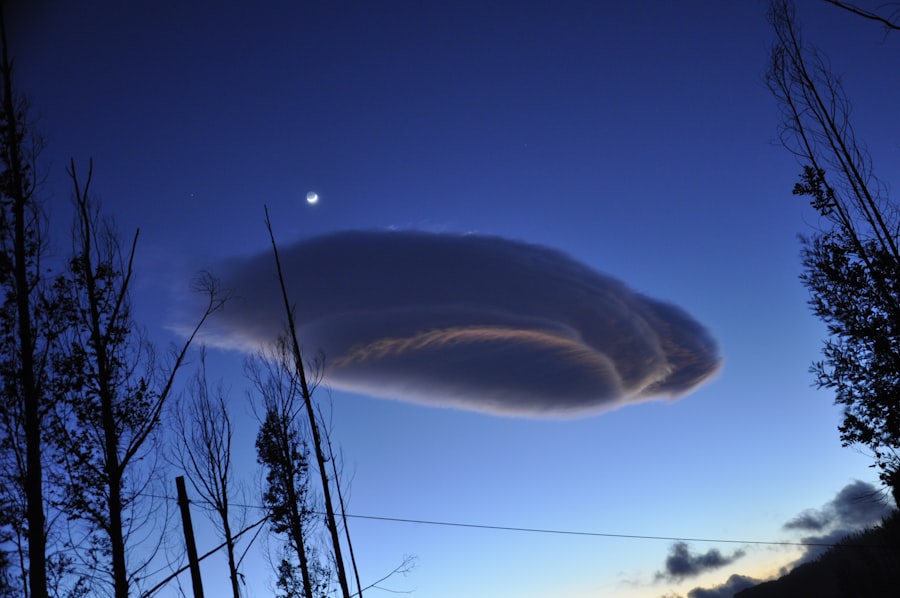
Government officials have played a significant role in shaping public perception of UFOs through their testimonies and actions. Over the years, various government agencies have conducted investigations into UFO sightings, often leading to classified reports that remain undisclosed to the public. High-ranking officials have occasionally come forward with their own experiences or insights regarding unidentified aerial phenomena.
One notable figure is former U.S. Senator Harry Reid, who has been vocal about his belief in the need for transparency regarding UFO investigations. Reid’s advocacy for funding research into unexplained aerial phenomena has sparked renewed interest in government involvement in this field.
When government officials acknowledge their encounters or express interest in investigating UFOs further, it lends credibility to the phenomenon and encourages public discourse on the subject.
Astronaut Encounters with UFOs
Astronauts represent some of the most credible witnesses when it comes to UFO encounters due to their extensive training and unique experiences in space. Several astronauts have reported seeing unidentified objects during their missions, often describing them as inexplicable or otherworldly. Their accounts carry significant weight because they operate in an environment where conventional explanations for aerial phenomena are limited.
One prominent example is Apollo 14 astronaut Edgar Mitchell, who claimed to have witnessed unidentified flying objects during his time in space. Mitchell’s assertions were bolstered by his scientific background and his commitment to exploring the unknown. When astronauts share their experiences with UFOs, it challenges preconceived notions about what is possible beyond Earth’s atmosphere and invites further investigation into potential extraterrestrial life.
Scientist and Researcher Testimonies
Scientists and researchers have also contributed valuable insights into UFO encounters through their testimonies and analyses. Many scientists approach the phenomenon with skepticism but remain open to exploring unexplained aerial phenomena through rigorous investigation. Their expertise allows them to assess sightings critically and consider alternative explanations grounded in scientific principles.
Some researchers have dedicated their careers to studying UFOs systematically, collecting data from various sources and analyzing patterns within reported sightings. Their findings often reveal intriguing correlations between environmental factors and UFO activity, suggesting that there may be underlying causes worth investigating further. When scientists lend their voices to discussions about UFOs, it adds an element of credibility that encourages broader acceptance of the phenomenon within academic circles.
Multiple Witness Testimonies
The phenomenon of multiple witness testimonies significantly enhances the credibility of UFO encounters. When several individuals report similar experiences independently, it strengthens the case for further investigation into what they observed. This convergence of accounts can occur across different demographics—civilians, military personnel, pilots, law enforcement officers—creating a tapestry of evidence that cannot be easily dismissed.
In many instances, multiple witnesses describe identical details regarding an encounter: shape, size, color, movement patterns, and even sounds associated with the sighting. Such consistency among diverse groups lends credence to claims that something extraordinary occurred during those moments. Investigators often prioritize cases with multiple witnesses because they provide a more comprehensive understanding of what transpired.
Psychological and Physical Effects on Witnesses
Witnesses of UFO encounters often report psychological and physical effects following their experiences.
Some may experience sleep disturbances or heightened sensitivity to light or sound as a result of their encounter.
These psychological effects can linger long after the sighting itself has occurred. In addition to psychological impacts, some witnesses report physical symptoms such as headaches or nausea following their experiences with unidentified flying objects. These effects raise questions about potential interactions between humans and whatever phenomena they encountered.
Investigating these psychological and physical responses can provide valuable insights into how individuals process extraordinary experiences and contribute to understanding the broader implications of UFO sightings.
The Importance of Investigating Credible Witness Testimonies
Investigating credible witness testimonies is essential for advancing our understanding of UFO encounters and their implications for humanity.
By examining these accounts critically and systematically, researchers can begin to piece together a more comprehensive picture of what is occurring in our skies.
Moreover, investigating credible testimonies fosters public interest in scientific inquiry related to unexplained phenomena. It encourages open dialogue about potential extraterrestrial life while challenging existing paradigms within science and society at large. As humanity continues its quest for knowledge about the universe, understanding UFO encounters through credible witness testimonies will play a crucial role in shaping future explorations into this enigmatic realm.
In conclusion, UFO encounters remain a fascinating subject that transcends cultural boundaries and invites inquiry from various sectors of society. The diverse array of witnesses—from military personnel to astronauts—provides compelling narratives that challenge conventional understanding while sparking curiosity about what lies beyond our planet. As investigations into these phenomena continue to evolve, it is imperative that credible witness testimonies are taken seriously as part of humanity’s ongoing quest for knowledge about our place in the cosmos.
Credible witness accounts of UFO sightings have long intrigued both enthusiasts and skeptics alike, shedding light on the complexities of unidentified aerial phenomena. For those interested in exploring this topic further, a related article can be found at XFile Findings, which delves into various documented encounters and the implications they hold for our understanding of the universe.
WATCH THIS! They Disabled Our Nuclear Arsenal in 1980 and the Government Still Won’t Admit It
FAQs
What qualifies someone as a credible witness in UFO sightings?
A credible witness is typically someone who has a reliable background, such as military personnel, pilots, or law enforcement officers, and who provides consistent, detailed, and corroborated accounts of their UFO experiences. Their testimony is often supported by physical evidence or multiple independent witnesses.
Are there documented cases of credible UFO witness accounts?
Yes, there are numerous documented cases where credible witnesses, including military and commercial pilots, astronauts, and radar operators, have reported UFO sightings. Some of these cases have been investigated by government agencies and remain unexplained.
How do investigators verify the credibility of UFO witness accounts?
Investigators verify credibility by assessing the witness’s background, consistency of the account, presence of corroborating evidence such as radar data or photographs, and whether the witness has a history of reliable reporting. Cross-referencing with other independent witnesses also helps establish credibility.
Do credible witness accounts prove the existence of extraterrestrial life?
Credible witness accounts provide valuable data about unidentified aerial phenomena but do not constitute definitive proof of extraterrestrial life. Many sightings remain unexplained, but further scientific investigation is required to determine their nature.
What role do government agencies play in collecting credible UFO witness accounts?
Government agencies, such as the U.S. Department of Defense and NASA, collect and analyze UFO reports from credible witnesses, especially those involving national security. They conduct investigations to assess potential threats and gather data for scientific study.
Can credible witness accounts be influenced by psychological or environmental factors?
Yes, even credible witnesses can be influenced by factors such as optical illusions, atmospheric conditions, or psychological stress. Investigators consider these factors when evaluating the reliability of UFO reports.
Where can one find reliable information about credible UFO witness accounts?
Reliable information can be found in official government reports, scientific studies, and reputable organizations dedicated to UFO research, such as the Mutual UFO Network (MUFON) and the Center for the Study of Extraterrestrial Intelligence (CSETI).