The hushed whispers surrounding Unidentified Flying Objects (UFOs) have long been a staple of public fascination and governmental caution. Yet, for a significant number of individuals who claim to have witnessed these unexplained aerial phenomena, the experience has not only been bewildering but also, in many cases, isolating. An undercurrent of concern persists: are UFO witnesses being effectively told to stay silent, and if so, why? This article delves into the phenomenon of alleged discouragement and suppression of UFO testimony, exploring the potential motivations, historical patterns, and the lasting impact on those who have encountered the unknown.
The modern era of UFO sightings can arguably be traced back to Kenneth Arnold’s 1947 account, a pivotal moment that ignited widespread public interest and, subsequently, government attention. However, from the very outset, the narrative surrounding these sightings was complex, often involving a careful balancing act between acknowledging public curiosity and maintaining a degree of control over information. Early government investigations, such as Project Blue Book, while ostensibly aimed at demystifying UFOs, have been criticized by some for their perceived inclination to rationalize or dismiss credible sightings.
Project Blue Book and its Legacy of Skepticism
Project Blue Book, the U.S. Air Force’s long-running investigation into UFOs, officially concluded in 1969. While its stated purpose was to determine if UFOs posed a threat to national security, many of its publicly released findings leaned heavily on prosaic explanations for the vast majority of reported sightings. This consistent pattern of offering conventional explanations, even for cases that defied easy categorization, contributed to a perception among some that the project was less about genuine investigation and more about dispelling public anxiety. Critics argue that this approach, however well-intentioned, may have inadvertently discouraged individuals from coming forward with their experiences, fearing ridicule or dismissal by an established scientific and governmental apparatus.
The Military’s Stance: National Security vs. Openness
The military has always occupied a central role in the discourse surrounding UFOs, primarily due to the aerial nature of many sightings. The potential for unknown aircraft, whether foreign or something entirely different, inherently triggers national security concerns. This has led to a long-standing tendency for military personnel who report UFOs to be subjected to a rigorous, and sometimes intimidating, vetting process. The fear of career repercussions, being labeled as unreliable, or even facing psychological evaluations has been cited as a significant deterrent to open reporting.
Early Testimonials and the ‘Crackpot’ Label
In the early days of the UFO era, individuals who claimed to have seen these phenomena were often met with skepticism and even outright derision. The nascent field of ufology was quickly associated with fringe theories and outlandish claims, creating an environment where serious witnesses felt their credibility would be irrevocably damaged by speaking out. This early branding, the “crackpot” label, cast a long shadow, making it difficult for genuine witnesses to be taken seriously by the mainstream.
In recent discussions surrounding UFO sightings, a concerning trend has emerged where witnesses are reportedly being advised to remain silent about their experiences. This has raised questions about transparency and the implications for those who encounter unexplained phenomena. For further insights into this topic, you can read a related article that delves into the experiences of these witnesses and the pressures they face. Check it out here: UFO Witnesses Told to Stay Silent.
The Psychological Toll: Isolation and Stigma
The decision to publicly share a UFO sighting is rarely an easy one. Beyond the initial shock and wonder of the experience itself, witnesses often grapple with the profound psychological implications of their encounter. The knowledge that their testimony might be met with disbelief, ridicule, or even suspicion can lead to profound feelings of isolation.
The Burden of Proof: Unverifiable Encounters
One of the most significant challenges faced by UFO witnesses is the inherent difficulty in providing concrete, verifiable proof of their encounters. Unlike more conventional events, UFO sightings are often fleeting, occur in remote locations, or involve phenomena that defy easy documentation. The lack of tangible evidence, while understandable given the nature of the phenomena, can leave witnesses feeling frustrated and invalidated when their accounts are met with demands for proof they cannot readily provide.
Social Repercussions: From Credibility to Ostracization
The stigma associated with UFO belief continues to permeate societal attitudes. Witnesses may fear that revealing their experience will lead to professional setbacks, strained personal relationships, or even outright ostracization. This fear is not unfounded; anecdotal evidence suggests that individuals in professions that demand a high degree of credibility, such as pilots or scientists, may face particular pressure to remain silent. The potential for their expertise to be questioned or their professional standing to be jeopardized can be a powerful disincentive to sharing what they have seen.
The “Crazy” Accusation: A Common Dismissal
A frequently encountered dismissive tactic is the labeling of witnesses as “crazy” or mentally unstable. This psychological dismissal, often employed without any medical basis, serves to invalidate their experience and shut down further inquiry. For individuals who have had a genuinely unsettling and inexplicable encounter, this accusation can be deeply hurtful and isolating, compounding the distress of the sighting itself.
Government and Military Silence: National Security and Information Control

The role of governments and their military branches in the UFO phenomenon is a subject of intense speculation. While official statements often aim to downplay the significance of reported sightings, a persistent narrative suggests a more complex reality, one where information is actively managed and, at times, suppressed.
Classified Information and the Veil of Secrecy
National security protocols often dictate that certain information remains classified. When UFO sightings involve military airspace or advanced aerial capabilities, the classification process can effectively shield these events from public scrutiny. The argument is made that disclosing details about potential threats, even if those threats are unidentified, could compromise national defense strategies or provide valuable intelligence to adversaries. However, this rationale is often used to explain away a wide range of sightings, leaving the public to wonder what truly lies beneath the veil of secrecy.
Whistleblowers and the Consequences of Disclosure
While outright suppression is difficult to prove definitively, the experiences of individuals who have attempted to blow the whistle on alleged government UFO programs or cover-ups offer compelling insights. Figures like Paul Hellyer, former Canadian Minister of National Defence, and various alleged intelligence operatives have spoken out, often facing significant personal and professional challenges. Their testimonies, while often met with skepticism, suggest a deeply entrenched system of information control designed to prevent the full truth from emerging.
Deniability and Plausible Explanations: The Art of Evasion
Governments and military organizations are adept at providing plausible explanations for unusual aerial phenomena. Weather balloons, atmospheric conditions, advanced but conventional aircraft, and even misidentification of celestial objects are routinely cited. While these explanations are sometimes accurate, critics argue that they are also frequently employed as a convenient means of dismissing more perplexing sightings, thereby maintaining a consistent narrative of normalcy and avoiding potentially inconvenient truths.
The Role of Media and Public Perception
The way UFOs are portrayed in the media significantly influences public perception and, in turn, can affect how witnesses are treated. Historically, sensationalism has often overshadowed serious inquiry, contributing to the stigma surrounding the topic.
Sensationalism and the “Alien Invasion” Narrative
For decades, the media has often focused on the more sensational aspects of UFO encounters, particularly those involving alleged alien visitations and abduction scenarios. While these narratives capture public imagination, they can also create an environment where any discussion of UFOs is automatically relegated to the realm of science fiction and fantasy. This broad brushstroke makes it difficult for individuals with more grounded or less spectacular sightings to be taken seriously.
Mainstream Media’s Reluctance and Shifting Attitudes
For a long time, mainstream media outlets were hesitant to cover UFO stories with any degree of seriousness, fearing a loss of credibility. However, recent years have seen a noticeable shift, with more reputable news organizations and documentaries exploring the topic with a greater degree of journalistic rigor. This evolving attitude may, over time, contribute to a more open and less stigmatized environment for witnesses.
The Internet and the Democratization of Information
The advent of the internet has provided a powerful platform for UFO witnesses to share their stories and connect with others who have had similar experiences. Online forums, social media groups, and dedicated websites have created communities where individuals can find support and validation, bypassing traditional media gatekeepers. While this democratization of information is empowering, it also presents challenges in discerning credible accounts from misinformation.
In recent discussions surrounding UFO sightings, numerous witnesses have reported feeling pressured to remain silent about their experiences. This phenomenon raises questions about the broader implications of government secrecy and public awareness. For those interested in exploring this topic further, a related article can be found at XFile Findings, which delves into the stories of individuals who have encountered unidentified flying objects and the challenges they face in sharing their truths.
The Modern Era: A Glimmer of Openness?
| Date | Location | Number of Witnesses | Instructions Given |
|---|---|---|---|
| July 4, 1947 | Roswell, New Mexico | Multiple | Told to stay silent by military officials |
| November 7, 2006 | Chicago O’Hare Airport | Multiple airport employees | Advised not to discuss the incident |
| March 13, 1997 | Phoenix, Arizona | Thousands of residents | Many reported being told to keep quiet by authorities |
Recent developments, particularly within the U.S. government, have suggested a potential shift towards greater transparency regarding Unidentified Aerial Phenomena (UAPs), the term now often preferred by official bodies. This evolving landscape offers a glimmer of hope for a future where witnesses may face less pressure to remain silent.
The UAP Task Force and Congressional Hearings
The establishment of the UAP Task Force by the U.S. Department of Defense and subsequent congressional hearings have marked a significant departure from decades of official reticence. These actions, driven by concerns over national security and the need to understand potential threats, have legitimized the discussion of unexplained aerial phenomena at the highest levels.
Declassifying Information and Releasing Pilot Testimony
The release of declassified government documents and the public testimony of former military pilots have been crucial in this new era. These official acknowledgments, while still cautious in their conclusions, lend weight to the experiences of those who have encountered unexplained objects in the sky. The willingness to share information, even if limited, signals a potential thawing of the decades-long policy of strategic silence.
The Future of Witness Disclosure: Hope and Caution
While these recent developments are encouraging, it remains to be seen whether this newfound openness will translate into a more supportive environment for all UFO witnesses. The deep-seated stigma and the ingrained practices of information control may not disappear overnight. However, the fact that UAPs are now being discussed in congressional chambers and investigated by official bodies offers a tangible reason for optimism. The hope is that this shift will empower individuals to share their experiences without fear of reprisal or ridicule, ultimately contributing to a more comprehensive understanding of these enduring mysteries.
In conclusion, the notion that UFO witnesses are told to stay silent, or at least strongly discouraged from speaking, is a complex issue with deep historical roots. From early governmental skepticism and the emergence of the “crackpot” label to the pressures of national security and the lingering stigma, a confluence of factors has historically made it challenging for witnesses to share their extraordinary encounters. While recent governmental actions suggest a potential move towards greater transparency, the legacy of silence and the psychological toll on individuals who have glimpsed the unknown continue to be significant aspects of the UFO phenomenon. The journey from being told to stay silent to being encouraged to share may be a long one, but the current shifts offer a beacon of hope for a future where the truth, whatever it may be, can be explored more openly.
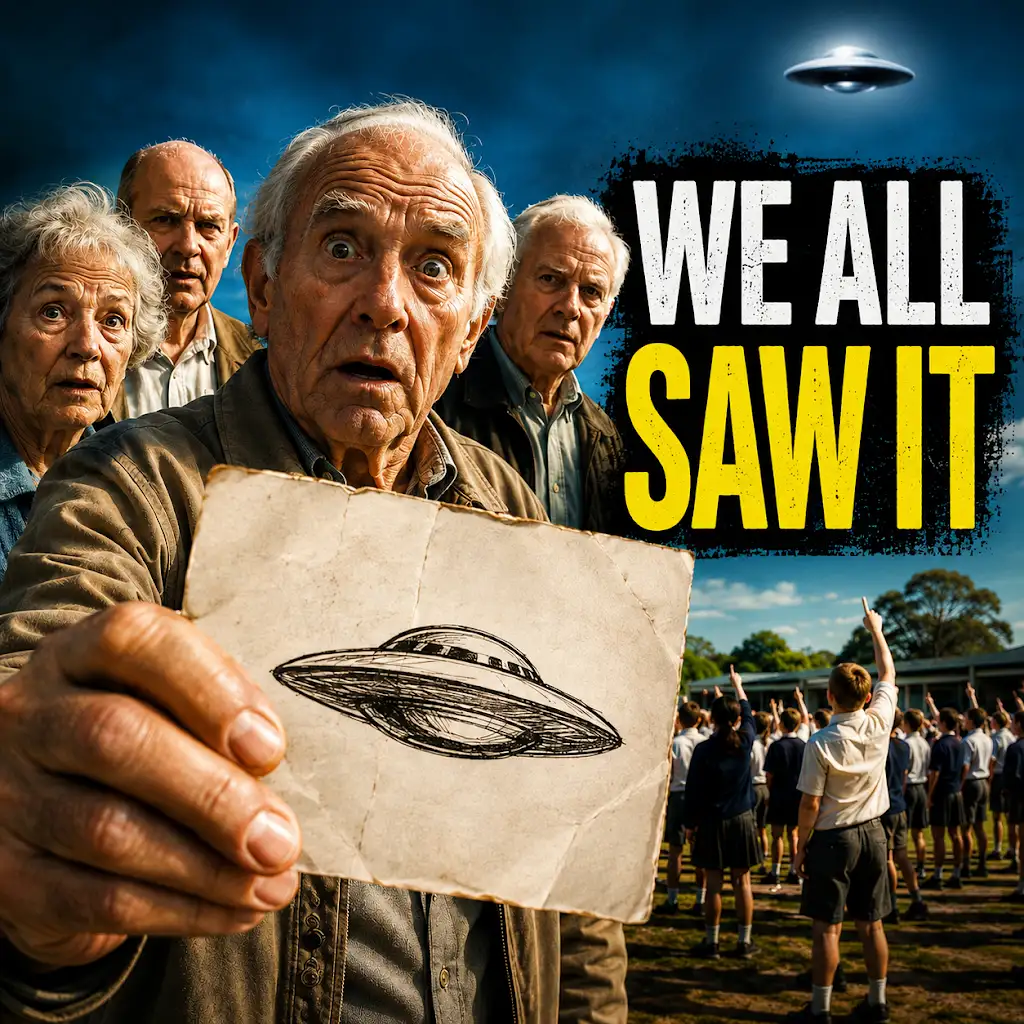
200 Students Saw a UFO. Then They Were Told to Stay Silent.
FAQs
What is the article “UFO witnesses told to stay silent” about?
The article “UFO witnesses told to stay silent” discusses the experiences of individuals who claim to have witnessed unidentified flying objects (UFOs) and have been instructed to keep their sightings confidential.
Who are the witnesses mentioned in the article?
The article mentions individuals who have reported seeing UFOs and have been allegedly told by government or military officials to keep their sightings confidential.
What are the reasons given for instructing UFO witnesses to stay silent?
The reasons for instructing UFO witnesses to stay silent are not explicitly mentioned in the article. However, it is implied that government or military officials may want to keep UFO sightings confidential for national security reasons or to avoid public panic.
Are there any official statements from government or military authorities regarding UFO sightings?
The article does not mention any official statements from government or military authorities regarding UFO sightings. It primarily focuses on the experiences of the witnesses who claim to have been told to stay silent.
What impact does this have on the public’s perception of UFO sightings?
The article suggests that instructing UFO witnesses to stay silent may contribute to a sense of secrecy and skepticism surrounding UFO sightings. It may also fuel conspiracy theories and speculation about the government’s knowledge of extraterrestrial activity.