
The intersection of unidentified flying objects (UFOs) and nuclear systems has long captured the imagination of both the public and scholars alike. The term “UFO” refers to any aerial phenomenon that cannot be immediately identified, often evoking images of extraterrestrial spacecraft. Nuclear systems, on the other hand, encompass a range of technologies related to nuclear energy and weapons, which are critical to national security and energy production.
The potential implications of UFOs interacting with these sensitive systems raise significant concerns about safety, security, and the unknown. As the world becomes increasingly aware of the potential threats posed by both nuclear technology and unidentified aerial phenomena, the need for a comprehensive understanding of their relationship has never been more pressing. The historical context of UFO sightings near nuclear facilities, the risks associated with such encounters, and the responses from governments and international bodies all contribute to a complex narrative that demands attention.
This article aims to explore these dimensions, shedding light on the multifaceted relationship between UFOs and nuclear systems.
Key Takeaways
- UFOs have been historically reported near nuclear facilities, raising concerns about potential interference with nuclear systems.
- There are significant risks associated with UFOs potentially disrupting nuclear operations, which could lead to safety and security threats.
- Governments have implemented monitoring technologies and international cooperation efforts to detect and manage UFO activity near nuclear sites.
- Diplomatic and ethical considerations play a crucial role in formulating responses to UFO-related threats to nuclear systems.
- Ongoing public education and future technological advancements are essential for effectively managing interactions between UFOs and nuclear infrastructure.
Historical Incidents Involving UFOs and Nuclear Systems
Throughout history, there have been numerous documented incidents where UFOs have been reported in proximity to nuclear facilities. One of the most notable cases occurred in 1967 at Malmstrom Air Force Base in Montana, where multiple missile silos experienced unexplained shutdowns coinciding with sightings of unidentified objects in the sky. This incident raised alarms among military personnel, as the sudden loss of control over nuclear missiles posed a significant threat to national security.
Such occurrences have led to speculation about whether these aerial phenomena possess an understanding of nuclear technology and its implications. Another significant event took place in 1980 at the RAF Bentwaters base in the United Kingdom, where U.S. Air Force personnel reported seeing a triangular-shaped craft hovering near their nuclear weapons storage area.
Witnesses described strange lights and unusual behavior from the object, which seemed to defy the laws of physics as understood by contemporary science. These incidents not only highlight the mysterious nature of UFOs but also underscore the potential vulnerabilities of nuclear systems when faced with unknown aerial threats.
Potential Risks of UFOs Interfering with Nuclear Systems
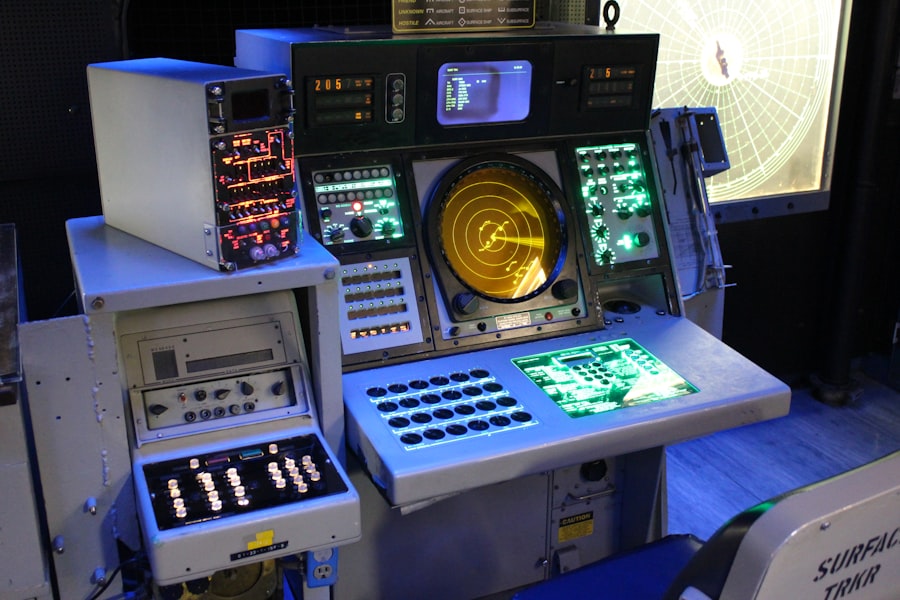
The risks associated with UFOs interfering with nuclear systems are manifold and deeply concerning. One primary concern is the possibility of unauthorized access to nuclear weapons or facilities. If a UFO were to disrupt security protocols or gain control over critical systems, the consequences could be catastrophic.
The potential for a nuclear incident, whether through accidental launch or unauthorized detonation, poses a grave threat not only to national security but also to global stability. Moreover, the psychological impact on military personnel and civilians cannot be overlooked. The mere presence of unidentified aerial phenomena near nuclear sites can induce fear and anxiety, leading to a breakdown in operational readiness and decision-making processes.
This psychological strain can compromise the effectiveness of response protocols designed to safeguard nuclear assets, further exacerbating the risks associated with such encounters.
Theories on UFO Interest in Nuclear Systems
Various theories have emerged regarding why UFOs seem particularly interested in nuclear systems. Some researchers posit that these unidentified objects may be monitoring human technological advancements, particularly those related to weapons of mass destruction. The development and proliferation of nuclear weapons represent a significant leap in human capability, and it is conceivable that extraterrestrial entities might be observing humanity’s progress with concern or curiosity.
Another theory suggests that UFOs may be attempting to communicate a message about the dangers of nuclear technology. Some proponents argue that these aerial phenomena could be warning humanity about the potential consequences of its actions, particularly in relation to environmental degradation and warfare. This perspective posits that UFO sightings near nuclear facilities are not merely coincidental but rather intentional acts aimed at drawing attention to humanity’s precarious position in the universe.
Government Responses to UFO Activity Near Nuclear Facilities
| Metric | Description | Reported Incidents | Source | Year |
|---|---|---|---|---|
| UFO Sightings Near Nuclear Sites | Number of reported UFO sightings in proximity to nuclear missile silos and control facilities | 120+ | Declassified Military Reports | 1950-2020 |
| Nuclear Launch System Malfunctions | Instances of unexplained malfunctions or shutdowns of nuclear launch systems coinciding with UFO activity | 15 | US Air Force Archives | 1960-1990 |
| Security Breaches Linked to UFOs | Reported security breaches or alarms triggered by unidentified aerial phenomena near nuclear facilities | 8 | Declassified Intelligence Documents | 1970-2000 |
| Official Investigations | Number of government or military investigations into UFO interactions with nuclear systems | 5 | Government Records | 1950-2010 |
| Publicly Released Reports | Number of reports made public regarding UFO influence on nuclear weapons control | 3 | Freedom of Information Act Releases | 2000-2020 |
Governments around the world have responded to reports of UFO activity near nuclear facilities with varying degrees of seriousness. In some cases, military officials have conducted investigations into sightings, seeking to determine whether these incidents pose a legitimate threat to national security. For instance, the U.S. Air Force established Project Blue Book in the 1950s to systematically study UFO reports, including those related to military installations.
This reluctance can lead to a lack of transparency and accountability regarding potential threats posed by UFOs to nuclear systems. As a result, many incidents remain shrouded in secrecy, leaving both military personnel and civilians uncertain about the true nature of these aerial phenomena.
International Cooperation on UFO and Nuclear System Control

Given the global implications of both UFO activity and nuclear technology, international cooperation is essential for addressing potential threats effectively. Collaborative efforts among nations can facilitate information sharing regarding sightings and incidents involving UFOs near nuclear facilities. Such cooperation could lead to the establishment of protocols for monitoring and responding to these phenomena, thereby enhancing global security.
Additionally, international treaties focused on arms control and non-proliferation could be expanded to include provisions addressing unidentified aerial phenomena. By recognizing the potential risks posed by UFOs to nuclear systems, nations can work together to develop comprehensive strategies for safeguarding their assets while promoting transparency and accountability in their respective military operations.
Technology for Monitoring and Protecting Nuclear Systems from UFO Interference
Advancements in technology offer promising avenues for monitoring and protecting nuclear systems from potential UFO interference. Enhanced radar systems capable of detecting anomalous aerial phenomena can provide early warning capabilities for military personnel stationed at nuclear facilities. These systems can be integrated with existing security measures to create a multi-layered defense against unauthorized access or interference.
Moreover, artificial intelligence (AI) can play a crucial role in analyzing data collected from various monitoring systems. By employing machine learning algorithms, AI can identify patterns associated with UFO sightings and assess their potential impact on nuclear operations. This technological integration not only enhances situational awareness but also empowers decision-makers with actionable insights for responding to potential threats.
The Role of Diplomacy in Addressing UFO Threats to Nuclear Systems
Diplomacy plays a vital role in addressing the challenges posed by UFO threats to nuclear systems. Engaging in dialogue among nations can foster mutual understanding regarding the risks associated with unidentified aerial phenomena. Diplomatic efforts can also facilitate joint research initiatives aimed at studying these phenomena comprehensively, thereby promoting transparency and collaboration.
Furthermore, diplomatic channels can be utilized to establish norms and guidelines for addressing encounters with UFOs near nuclear facilities. By creating frameworks for cooperation, nations can work together to mitigate risks while ensuring that their respective security interests are safeguarded. This collaborative approach can help build trust among nations while addressing shared concerns about potential threats posed by unidentified aerial phenomena.
Public Awareness and Education on UFO and Nuclear System Control
Raising public awareness about the relationship between UFOs and nuclear systems is essential for fostering informed discourse on this topic. Educational initiatives can help demystify both phenomena while emphasizing their potential implications for safety and security. By providing accurate information about historical incidents and ongoing research efforts, communities can engage in constructive conversations about how best to address these challenges.
Moreover, public engagement can encourage citizen participation in monitoring efforts related to UFO sightings near nuclear facilities. By leveraging technology such as mobile applications or online reporting platforms, individuals can contribute valuable data that may aid researchers and government agencies in understanding these phenomena better. This grassroots involvement can enhance collective awareness while promoting a sense of shared responsibility for safeguarding national security.
Ethical Considerations in Addressing UFO Threats to Nuclear Systems
The ethical implications surrounding UFO threats to nuclear systems warrant careful consideration. As governments grapple with how best to respond to these phenomena, questions arise regarding transparency, accountability, and public trust. Balancing national security interests with the need for open communication is crucial in ensuring that citizens remain informed about potential risks without inciting unnecessary panic.
Additionally, ethical considerations extend to how research on UFOs is conducted. Ensuring that investigations are carried out rigorously while respecting individual rights is paramount in maintaining public confidence in governmental institutions. By adhering to ethical standards throughout research efforts, authorities can foster an environment conducive to collaboration between scientists, policymakers, and citizens alike.
Future Challenges and Opportunities in Managing UFO and Nuclear System Interactions
As humanity continues to advance technologically, future challenges related to managing interactions between UFOs and nuclear systems will likely evolve. The increasing sophistication of both aerial phenomena and military capabilities necessitates ongoing vigilance and adaptability in response strategies. Governments must remain proactive in monitoring developments while fostering international cooperation to address emerging threats effectively.
Conversely, opportunities exist for leveraging advancements in technology and research methodologies to enhance understanding of these complex interactions. By investing in interdisciplinary studies that encompass aerospace engineering, physics, psychology, and ethics, societies can develop comprehensive frameworks for addressing potential risks associated with UFO activity near nuclear facilities. In conclusion, navigating the intricate relationship between UFOs and nuclear systems requires a multifaceted approach that encompasses historical context, technological advancements, ethical considerations, and international cooperation.
As humanity grapples with its place within a broader cosmic context, understanding these dynamics will be essential for ensuring safety and security in an increasingly uncertain world.
Recent discussions surrounding the control of nuclear systems by unidentified flying objects (UFOs) have sparked significant interest in the implications for national security and military protocols. A related article that delves deeper into this topic can be found at XFile Findings, where various incidents and testimonies are explored, shedding light on the potential connections between UFO sightings and nuclear facilities. This investigation raises important questions about the safety and security of nuclear arsenals in the face of unexplained aerial phenomena.
WATCH THIS! They Disabled Our Nuclear Arsenal in 1980 and the Government Still Won’t Admit It
FAQs
What is meant by UFO control of nuclear systems?
UFO control of nuclear systems refers to reports and claims that unidentified flying objects (UFOs) have been observed interacting with or influencing nuclear weapons and related facilities. These accounts often describe UFOs appearing near missile silos, nuclear submarines, or command centers, sometimes allegedly causing malfunctions or shutdowns.
Are there documented cases of UFOs interfering with nuclear weapons?
Yes, there have been several reported incidents, particularly during the Cold War, where military personnel claimed UFOs were present near nuclear missile sites and appeared to affect the operation of nuclear weapons. However, these reports are largely anecdotal and have not been officially confirmed or explained by governments.
Has any government acknowledged UFO involvement with nuclear systems?
No government has officially confirmed that UFOs have control over or interfere with nuclear weapons systems. While some declassified documents acknowledge sightings of unidentified aerial phenomena near nuclear sites, they do not confirm any direct control or manipulation.
What explanations exist for UFO sightings near nuclear facilities?
Explanations range from misidentified natural or man-made objects, such as drones or atmospheric phenomena, to psychological factors like stress or misperception. Some theories suggest advanced foreign technology or experimental aircraft. The UFO hypothesis remains speculative without conclusive evidence.
Why is the topic of UFOs and nuclear systems significant?
Nuclear weapons are critical to national security, so any unexplained interference raises concerns about safety, security, and potential vulnerabilities. Understanding these phenomena is important for ensuring the reliability of nuclear deterrence and preventing accidental launches or malfunctions.
Are there ongoing investigations into UFOs and nuclear weapons?
Yes, various military and intelligence agencies have conducted investigations into unidentified aerial phenomena, including those near nuclear sites. For example, the U.S. Department of Defense has established programs to study and assess potential threats posed by UFOs, but no definitive conclusions have been reached regarding control over nuclear systems.
Can UFOs actually control or disable nuclear weapons?
There is no verified scientific evidence that UFOs can control or disable nuclear weapons. Reports remain anecdotal and unproven, and the mechanisms by which such control would occur are unknown and speculative.
Where can I find more information about UFOs and nuclear weapons?
Information can be found in declassified government documents, military reports, and research by UFO investigative organizations. Academic studies and credible news sources also provide analysis of reported incidents and official responses related to UFOs and nuclear systems.