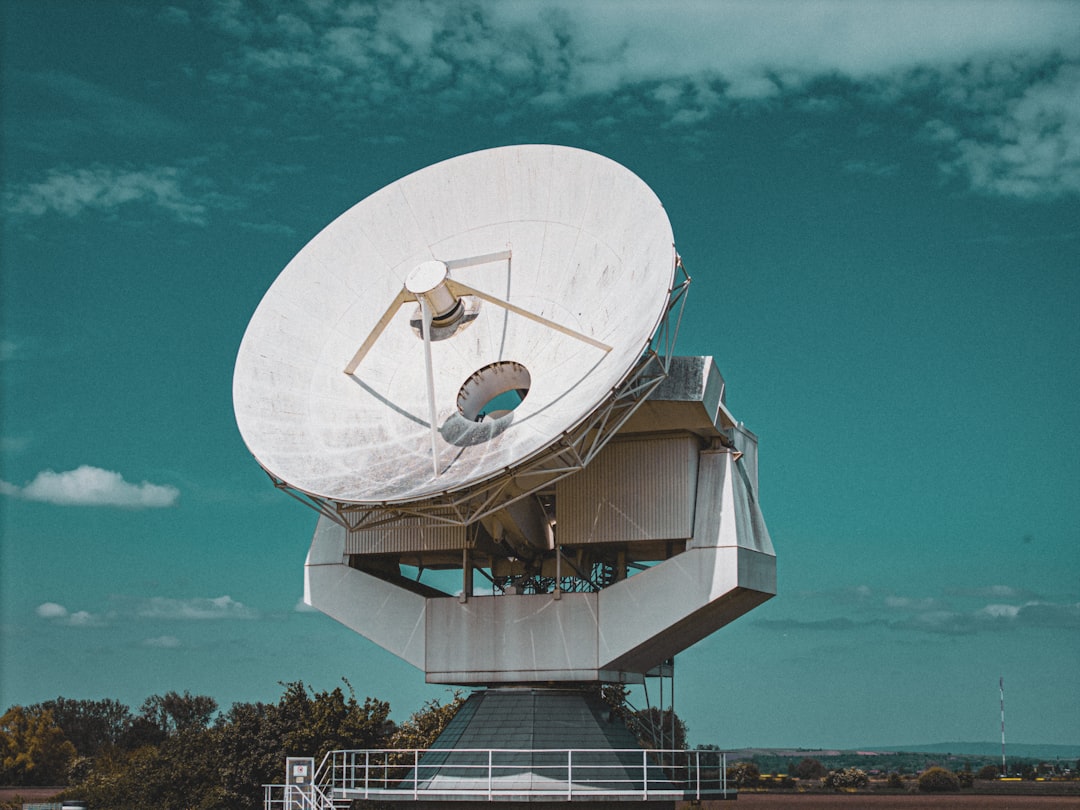
Unidentified flying objects (UFOs) have generated sustained public interest for several decades. Recent technological advances, particularly in satellite systems, have created new opportunities for systematic observation and analysis of aerial phenomena. Modern satellites equipped with advanced sensors and imaging capabilities can collect detailed data that may help clarify the nature, origin, and characteristics of reported UFO sightings.
The study of UFOs has evolved from informal speculation to formal scientific and governmental inquiry. Government agencies and research institutions now recognize the importance of investigating these reports systematically. Satellite technology has become an important tool in this process, enabling continuous monitoring and real-time data collection from Earth’s atmosphere and near-space environment.
Key Takeaways
- Satellites have become crucial tools in tracking and studying UFO sightings, enhancing data collection and analysis.
- Historical UFO sightings have evolved with technology, leading to more precise monitoring through satellite systems.
- Governments and scientific communities show mixed responses, ranging from investigation to skepticism regarding UFO tracking.
- Public interest and media coverage significantly influence perceptions and theories about UFOs and satellite tracking.
- Future advancements in satellite technology may provide deeper insights but the mystery surrounding UFOs remains unresolved.
History of UFO Sightings and Satellite Tracking
The history of UFO sightings is rich and varied, dating back centuries. From ancient civilizations that recorded strange lights in the sky to modern-day reports of unidentified aerial phenomena, humanity’s fascination with the unknown has persisted. The mid-20th century marked a significant turning point in UFO lore, particularly with the Roswell incident in 1947, which ignited widespread speculation about extraterrestrial life.
As public interest grew, so did the need for systematic observation and documentation of these sightings. The introduction of satellite technology in the latter half of the 20th century revolutionized how these phenomena could be tracked and studied. Initially designed for communication and weather monitoring, satellites began to play a crucial role in gathering data on atmospheric conditions and celestial events.
As satellite technology evolved, it became possible to monitor not just natural phenomena but also potential UFO sightings. This marked a new era in which scientific inquiry could be applied to what was once considered purely anecdotal evidence. You can learn more about the Patrick Jackson theory by watching this detailed explanation on Patrick Jackson theory.
The Role of Satellites in Modern Society
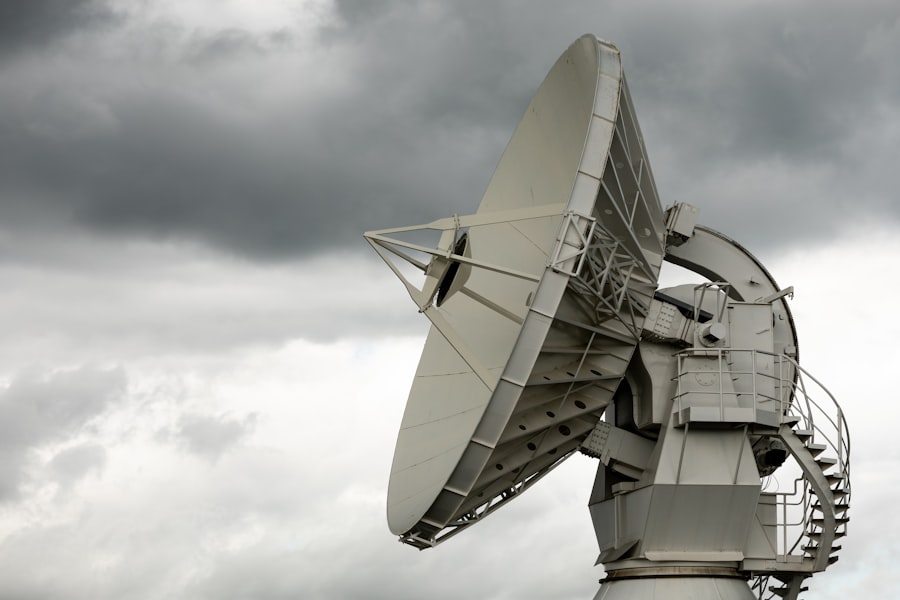
Satellites have become integral to modern society, serving a multitude of functions that extend far beyond their original purposes. They facilitate global communication, provide critical data for weather forecasting, and enable navigation systems that millions rely on daily. In addition to these practical applications, satellites have also become essential tools for scientific research, offering insights into climate change, natural disasters, and even space exploration.
The role of satellites in monitoring Earth’s atmosphere and surface has expanded to include tracking objects in space, including potential UFOs. With advancements in imaging technology and data analysis, satellites can now detect anomalies that may indicate unusual aerial activity. This capability not only enhances our understanding of the environment but also raises questions about what else might be lurking in the skies above.
As society becomes increasingly reliant on satellite technology, the implications of their findings regarding UFOs become more significant.
UFO Sightings and Satellite Tracking in 2025
As humanity approaches 2025, the landscape of UFO sightings and satellite tracking is poised for transformation. With advancements in artificial intelligence and machine learning, satellite systems are becoming more adept at identifying unusual patterns in aerial activity. This evolution could lead to a more systematic approach to documenting UFO sightings, allowing researchers to analyze data with unprecedented accuracy.
In 2025, it is anticipated that collaboration between governmental agencies and private organizations will yield a wealth of information regarding UFOs. Enhanced satellite capabilities will likely enable real-time tracking of unidentified objects, providing valuable data that could help demystify these phenomena. As public interest continues to grow, there may be increased pressure on authorities to release findings related to UFO sightings captured by satellites, potentially leading to a new era of transparency and understanding.
Theories and Explanations for UFOs Tracking Satellites
| Metric | Value | Description |
|---|---|---|
| Number of Satellites Tracking UFOs | 15 | Satellites equipped with sensors specifically for unidentified aerial phenomena monitoring |
| Data Collection Frequency | Every 10 minutes | Interval at which satellites capture and transmit UFO-related data |
| Detection Accuracy | 92% | Percentage of correctly identified UFO events versus false positives |
| Average UFO Sightings per Month | 120 | Number of unique UFO events detected and logged monthly |
| Data Transmission Latency | 5 seconds | Time delay between detection and data availability on ground stations |
| Satellite Coverage Area | Global | Geographical area monitored by the UFO tracking satellites |
| Integration with Ground Radar Systems | Yes | Whether satellite data is cross-referenced with terrestrial radar for validation |
Theories surrounding UFOs have proliferated over the years, ranging from extraterrestrial visitation to advanced military technology. Some researchers posit that certain UFO sightings may be attributed to experimental aircraft or drones developed by governments or private entities. This theory suggests that what witnesses perceive as UFOs could be classified projects that remain undisclosed to the public.
Another prevalent theory is that some UFOs may be manifestations of natural phenomena or atmospheric anomalies that are not yet fully understood by science. These explanations often invoke concepts such as ball lightning or plasma formations that can create visual effects resembling traditional UFO sightings. As satellite technology continues to improve, it may become possible to capture data that could either support or refute these theories, providing a clearer picture of what is occurring in our skies.
Government Responses to UFO Sightings and Satellite Tracking
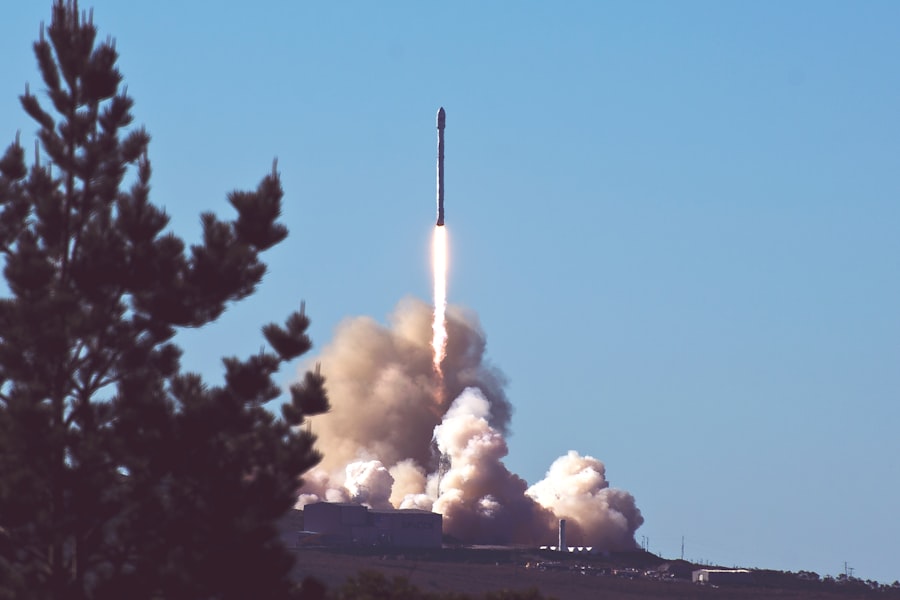
Government responses to UFO sightings have historically ranged from outright denial to cautious acknowledgment. In recent years, however, there has been a noticeable shift in how authorities approach this topic. The release of previously classified documents and videos by military agencies has sparked renewed interest and debate about the existence of UFOs.
This newfound transparency suggests a willingness to engage with the public on matters previously shrouded in secrecy. As satellite tracking becomes more sophisticated, governments may find themselves under increasing pressure to address findings related to UFOs. The potential implications for national security cannot be overlooked; if unidentified objects are indeed advanced technologies from foreign nations or extraterrestrial origins, understanding their nature becomes paramount.
Consequently, it is likely that governments will invest more resources into research and collaboration with scientific communities to better understand these phenomena.
Scientific Research and Studies on UFOs Tracking Satellites
Scientific research into UFOs has often been met with skepticism; however, recent developments indicate a growing interest among researchers in studying these phenomena through a scientific lens. The integration of satellite data into this research offers a unique opportunity to analyze sightings with empirical evidence rather than relying solely on eyewitness accounts. This shift could lead to more rigorous studies that aim to uncover patterns or correlations between satellite data and reported sightings.
Several academic institutions and independent researchers are beginning to explore the potential connections between satellite tracking and UFO sightings. By utilizing advanced imaging techniques and data analytics, scientists can investigate anomalies detected by satellites in conjunction with historical sighting reports. This multidisciplinary approach may yield new insights into the nature of UFOs and their interactions with our atmosphere.
Impact of UFOs Tracking Satellites on Space Exploration
The intersection of UFO sightings and satellite tracking may have profound implications for space exploration as well. As humanity ventures further into space with missions aimed at Mars colonization and beyond, understanding potential threats or anomalies in our atmosphere becomes increasingly important. If certain UFOs are indeed advanced technologies or phenomena that pose risks to spacecraft or astronauts, addressing these concerns will be crucial for future missions.
Moreover, the study of UFOs could inspire new technologies or methodologies within the field of aerospace engineering. Insights gained from analyzing unidentified aerial phenomena may lead to innovations that enhance safety protocols or improve spacecraft design. As researchers continue to investigate these mysteries through satellite tracking, the potential benefits for space exploration could be significant.
Public Perception and Media Coverage of UFOs Tracking Satellites
Public perception of UFOs has evolved dramatically over time, influenced by media coverage and cultural narratives. In recent years, there has been a noticeable shift towards a more open-minded approach regarding the possibility of extraterrestrial life or advanced technologies being responsible for unexplained aerial phenomena. This change is reflected in how media outlets report on sightings and government disclosures related to UFOs.
As satellite tracking becomes more prominent in discussions about UFOs, media coverage is likely to increase as well. Journalists may focus on the implications of satellite findings while exploring public interest in these phenomena. This heightened attention could lead to greater awareness and understanding among the general population about what satellites can reveal regarding unidentified aerial activity.
Future Implications and Predictions for UFOs Tracking Satellites
Looking ahead, the future implications of UFO sightings tracked by satellites are vast and multifaceted. As technology continues to advance at an unprecedented pace, it is likely that new methods for detecting and analyzing aerial phenomena will emerge. The integration of artificial intelligence into satellite systems could revolutionize how data is processed, allowing for quicker identification of anomalies that warrant further investigation.
Furthermore, as international collaboration on space exploration increases, there may be opportunities for shared research initiatives focused on understanding UFOs through satellite tracking. Such collaborations could foster a global dialogue about the implications of these phenomena for humanity as a whole. The potential for groundbreaking discoveries looms large as scientists continue to explore this uncharted territory.
The Unresolved Mystery of UFOs Tracking Satellites
The mystery surrounding UFOs tracking satellites remains unresolved but increasingly intriguing as technology advances and societal attitudes shift. The combination of historical context, modern scientific inquiry, and evolving public perception creates a rich tapestry for exploration. As humanity stands on the brink of new discoveries regarding unidentified aerial phenomena, the role of satellites will undoubtedly play a pivotal part in unraveling these mysteries.
In conclusion, while many questions remain unanswered about the nature of UFOs and their relationship with satellites, ongoing research and technological advancements promise to shed light on this enigmatic subject. The journey toward understanding these phenomena is just beginning, inviting both skepticism and wonder as humanity seeks answers among the stars.
In recent discussions about the potential for UFOs to be tracked by satellites, an intriguing article on the subject can be found at XFile Findings. This article delves into the advancements in satellite technology and how they may play a crucial role in monitoring unidentified aerial phenomena in 2025 and beyond. The insights provided could reshape our understanding of both UFO sightings and the capabilities of modern surveillance systems.
FAQs
What are UFO tracking satellites?
UFO tracking satellites are space-based observation tools designed to monitor and collect data on unidentified flying objects (UFOs) from orbit. These satellites use advanced sensors and imaging technology to detect, track, and analyze aerial phenomena that cannot be easily identified.
Why are UFO tracking satellites being developed for 2025?
The development of UFO tracking satellites for 2025 is driven by increased interest in understanding unexplained aerial phenomena. Governments and scientific organizations aim to use satellite technology to gather reliable data, improve detection capabilities, and enhance national security and scientific research.
How do UFO tracking satellites work?
UFO tracking satellites operate by using a combination of optical cameras, infrared sensors, radar, and other detection instruments to scan the Earth’s atmosphere and near-space environment. They continuously monitor for unusual aerial activity, capturing high-resolution images and data for analysis.
Who is responsible for launching UFO tracking satellites?
Various government agencies, space organizations, and private companies may be involved in launching UFO tracking satellites. This includes space agencies like NASA, the European Space Agency (ESA), and defense departments that prioritize aerospace surveillance and research.
What kind of data do UFO tracking satellites collect?
These satellites collect visual imagery, infrared signatures, radar reflections, and other sensor data related to aerial objects. The data helps identify flight patterns, speeds, shapes, and other characteristics of unidentified objects to determine their nature.
Will UFO tracking satellites help in identifying extraterrestrial life?
While UFO tracking satellites improve the ability to detect and analyze unexplained aerial phenomena, they do not directly confirm extraterrestrial life. Their primary purpose is to gather data that can be studied to better understand these phenomena, which may include natural, man-made, or unknown sources.
How will the data from UFO tracking satellites be used?
Data collected will be analyzed by scientists, defense analysts, and researchers to assess potential threats, improve aerospace safety, and advance scientific knowledge. The information may also be shared with the public or international partners depending on the policies of the operating organizations.
Are there any privacy concerns related to UFO tracking satellites?
Since these satellites monitor airspace and atmospheric phenomena, privacy concerns are generally minimal compared to satellites focused on ground surveillance. However, data handling and transparency remain important to ensure responsible use of the technology.
When can we expect UFO tracking satellites to be operational?
Several projects aim to have UFO tracking satellites operational by 2025, though exact timelines depend on technological development, funding, and launch schedules. Some satellites may already be in testing phases or planned for deployment within the next few years.
Can the public access data from UFO tracking satellites?
Access to data varies by organization. Some agencies may release declassified or non-sensitive information to the public, while other data might remain restricted for security reasons. Public interest groups and researchers may receive limited access through official channels.