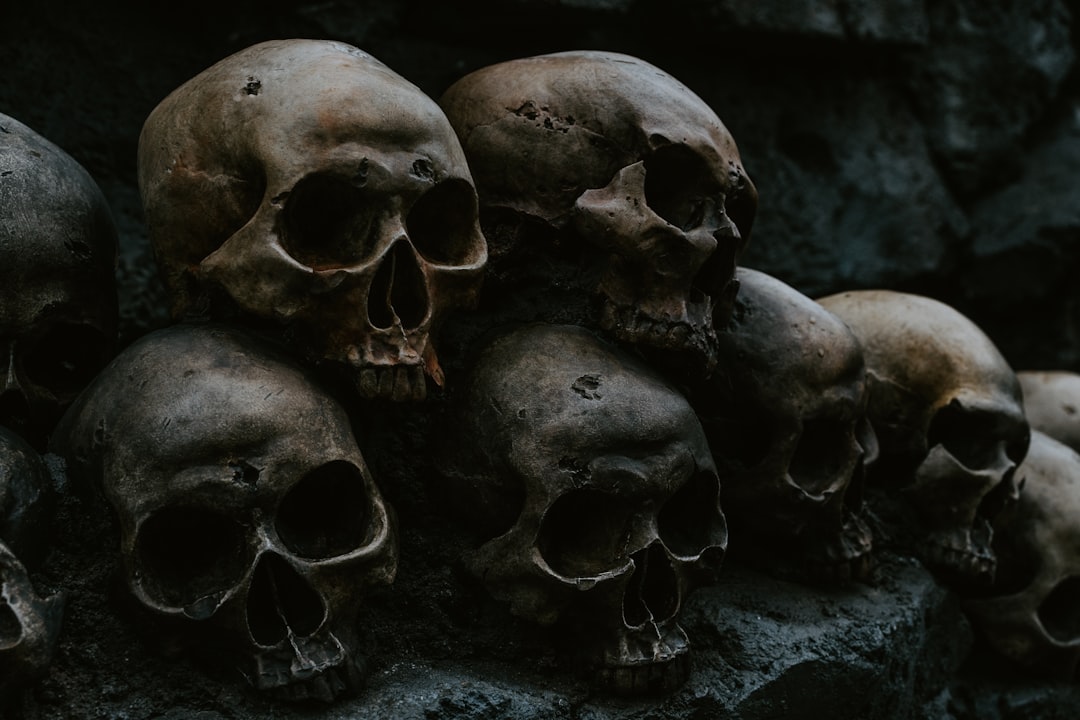
Afterlife conspiracy theories have captivated the human imagination for centuries, weaving a complex tapestry of beliefs that challenge conventional understandings of life, death, and what lies beyond. These theories often propose that there are hidden truths about the afterlife, suggesting that powerful entities manipulate information regarding existence after death. The allure of these theories lies in their ability to provide comfort, provoke curiosity, and sometimes instill fear.
They offer alternative narratives to the traditional views held by major religions and scientific communities, creating a fertile ground for speculation and debate. The fascination with what happens after death is a universal human experience, transcending cultures and epochs. As individuals grapple with mortality, the unknown nature of the afterlife becomes a source of intrigue and anxiety.
This has led to the emergence of various conspiracy theories that claim to unveil secrets about the afterlife, often intertwining with broader societal concerns about control, power, and the quest for truth. In exploring these theories, one can gain insight into the human psyche and the societal dynamics that shape beliefs about life beyond death.
Key Takeaways
- Afterlife conspiracy theories are beliefs that suggest a hidden truth about what happens after death, often contradicting religious or scientific explanations.
- Historical origins of afterlife conspiracy theories can be traced back to ancient civilizations and have evolved over time with the influence of various cultural and religious beliefs.
- Common themes in afterlife conspiracy theories include secret societies, government cover-ups, and hidden knowledge about the nature of the afterlife.
- Religion plays a significant role in shaping afterlife conspiracy theories, as they often challenge or reinterpret religious teachings about the afterlife.
- Famous figures and organizations associated with afterlife conspiracy theories include cult leaders, spiritual gurus, and fringe groups that promote alternative beliefs about the afterlife.
Historical Origins of Afterlife Conspiracy Theories
The roots of afterlife conspiracy theories can be traced back to ancient civilizations, where myths and legends often served as explanations for the mysteries surrounding death. In ancient Egypt, for instance, elaborate burial practices and beliefs in an afterlife were intertwined with notions of power and immortality. The construction of monumental tombs like the pyramids was not merely a reflection of religious beliefs but also a demonstration of political authority.
Such practices laid the groundwork for later conspiracy theories that would emerge in different cultural contexts. As history progressed, various religious movements began to shape perceptions of the afterlife. The rise of Christianity introduced new narratives about heaven, hell, and salvation, which often clashed with existing pagan beliefs.
This clash gave birth to numerous conspiracy theories regarding the manipulation of religious texts and doctrines by those in power. The Protestant Reformation, for example, sparked debates about the authenticity of religious teachings and the potential for corruption within the Church. These historical events set a precedent for contemporary afterlife conspiracy theories, which continue to question established narratives and seek alternative explanations.
Common Themes and Beliefs in Afterlife Conspiracy Theories

Afterlife conspiracy theories often share common themes that resonate with individuals seeking answers to existential questions. One prevalent theme is the idea of a hidden truth or secret knowledge regarding the afterlife that is deliberately obscured by authorities or institutions. This belief fosters a sense of distrust towards established religions and scientific explanations, leading individuals to seek alternative sources of information.
Many adherents believe that there are powerful entities—be they governments, religious organizations, or secret societies—actively working to suppress knowledge about what happens after death. Another recurring theme is the notion of reincarnation or life beyond death in different forms. Some conspiracy theories posit that individuals are trapped in a cycle of rebirth orchestrated by malevolent forces that benefit from human suffering.
This perspective often intertwines with beliefs in spiritual awakening or enlightenment, suggesting that individuals must break free from this cycle to attain true understanding or liberation. Such ideas resonate deeply with those who feel disillusioned by mainstream narratives about life and death, providing an alternative framework through which they can interpret their experiences.
The Role of Religion in Afterlife Conspiracy Theories
| Religion | Belief in Afterlife Conspiracy Theories |
|---|---|
| Christianity | High |
| Islam | High |
| Judaism | Low |
| Hinduism | Low |
Religion plays a significant role in shaping afterlife conspiracy theories, as it provides both a foundation for belief systems and a target for skepticism. Many conspiracy theories arise from perceived inconsistencies or contradictions within religious teachings about the afterlife. For instance, individuals may question the validity of religious texts or the motives behind religious institutions that promote specific narratives about heaven and hell.
This skepticism often leads to the exploration of alternative beliefs that challenge traditional religious doctrines. Moreover, some conspiracy theories suggest that organized religions themselves are complicit in concealing the truth about the afterlife. This perspective posits that religious leaders may manipulate followers’ beliefs to maintain control over their lives and ensure adherence to specific doctrines.
Such theories can be particularly appealing to those who feel marginalized or disenfranchised by mainstream religious practices. By proposing alternative explanations for the afterlife, these theories empower individuals to reclaim agency over their spiritual beliefs and challenge established authority.
Famous Figures and Organizations Associated with Afterlife Conspiracy Theories
Throughout history, several notable figures and organizations have been associated with afterlife conspiracy theories, often becoming symbols of dissent against mainstream beliefs. One such figure is Edgar Cayce, known as the “Sleeping Prophet,” who gained fame in the early 20th century for his psychic readings that included insights into reincarnation and the afterlife. Cayce’s teachings attracted a following that sought alternative spiritual guidance, challenging conventional religious narratives.
In addition to individual figures, various organizations have emerged that promote afterlife conspiracy theories. Theosophy, founded in the late 19th century by Helena Blavatsky, sought to synthesize Eastern and Western spiritual traditions while introducing concepts such as reincarnation and karma. Theosophical teachings have influenced numerous spiritual movements and continue to inspire those questioning traditional views on life after death.
These figures and organizations serve as focal points for individuals exploring alternative beliefs about the afterlife, often fostering communities centered around shared ideas.
Debunking Afterlife Conspiracy Theories

Despite their allure, many afterlife conspiracy theories lack empirical evidence and are often based on anecdotal accounts or speculative interpretations. Skeptics argue that these theories can perpetuate misinformation and distract individuals from seeking scientifically grounded explanations for life and death. Debunking these theories requires a critical examination of their claims and an understanding of the psychological mechanisms that drive belief in them.
One common approach to debunking afterlife conspiracy theories involves analyzing the cognitive biases that influence human perception. Confirmation bias, for instance, leads individuals to seek out information that supports their preexisting beliefs while dismissing contradictory evidence. This cognitive tendency can create echo chambers where unfounded theories thrive unchecked.
Psychological and Sociological Explanations for Afterlife Conspiracy Theories
The appeal of afterlife conspiracy theories can be understood through various psychological and sociological lenses. From a psychological perspective, these theories often provide comfort in the face of existential anxiety. The fear of death is a fundamental aspect of human existence, and conspiracy theories offer narratives that alleviate this fear by suggesting that there is more beyond life as we know it.
By proposing alternative explanations for what happens after death, these theories can help individuals cope with their mortality. Sociologically, afterlife conspiracy theories can be seen as a response to societal changes and uncertainties. In an increasingly complex world marked by rapid technological advancements and shifting cultural norms, individuals may feel disoriented or powerless.
Conspiracy theories provide a sense of agency by framing individuals as seekers of hidden truths in a world filled with deception. This dynamic can foster community among believers who share similar concerns about authority and seek solace in alternative narratives about life beyond death.
The Impact of Afterlife Conspiracy Theories on Society
The proliferation of afterlife conspiracy theories has significant implications for society at large. On one hand, these theories can encourage critical thinking and exploration of alternative perspectives on spirituality and existence. They challenge individuals to question established norms and seek deeper understanding beyond conventional teachings.
However, they can also lead to division and mistrust among communities when differing beliefs clash. Moreover, afterlife conspiracy theories can influence broader societal attitudes towards death and dying. By promoting narratives that suggest hidden truths about the afterlife, these theories may contribute to fear or anxiety surrounding mortality.
This impact can manifest in various ways, from increased interest in spiritual practices to resistance against traditional medical approaches to end-of-life care. As society grapples with these complex issues, it becomes essential to foster open dialogue that encourages understanding while addressing the concerns raised by these theories.
Media and Afterlife Conspiracy Theories
The media plays a crucial role in shaping public perceptions of afterlife conspiracy theories, often amplifying their reach through various platforms. Documentaries, podcasts, and online forums dedicated to exploring these topics have gained popularity in recent years, providing spaces for discussion and dissemination of ideas. While this media attention can validate certain beliefs for followers, it also raises ethical questions about responsible reporting on sensitive subjects like life after death.
Furthermore, sensationalized portrayals of afterlife conspiracy theories can contribute to misinformation and reinforce stereotypes about those who hold such beliefs. Media representations may oversimplify complex ideas or present them in a way that fosters ridicule rather than understanding. As such, it becomes imperative for media outlets to approach these topics with nuance and sensitivity while promoting informed discussions that respect diverse perspectives on spirituality and existence.
Legal and Ethical Implications of Afterlife Conspiracy Theories
The legal and ethical implications surrounding afterlife conspiracy theories are multifaceted and warrant careful consideration. On one hand, individuals have the right to explore their beliefs freely; however, when these beliefs lead to harmful actions or misinformation campaigns, ethical dilemmas arise. For instance, some conspiracy theorists may promote practices that exploit vulnerable individuals seeking answers about death or spirituality.
Additionally, legal challenges may emerge when afterlife conspiracy theories intersect with established religious practices or scientific understandings of life and death. Disputes over burial practices or end-of-life decisions can become contentious when influenced by alternative beliefs about the afterlife. Navigating these complexities requires a delicate balance between respecting individual freedoms while ensuring public safety and well-being.
Moving Forward: Addressing and Understanding Afterlife Conspiracy Theories
As society continues to grapple with questions surrounding life after death, addressing afterlife conspiracy theories requires a multifaceted approach that promotes understanding rather than division. Encouraging open dialogue among diverse belief systems can foster mutual respect while allowing individuals to explore their spiritual journeys without fear of judgment. Education plays a vital role in this process; by promoting critical thinking skills and media literacy, society can empower individuals to discern credible information from unfounded claims.
Additionally, creating spaces for respectful discussions about spirituality can help bridge gaps between differing perspectives on the afterlife. Ultimately, moving forward involves recognizing the complexities inherent in beliefs about life beyond death while fostering an environment where individuals feel safe exploring their questions without resorting to divisive rhetoric or harmful actions. By embracing curiosity and compassion in discussions surrounding afterlife conspiracy theories, society can cultivate a deeper understanding of this profound aspect of human existence.
In exploring the intriguing realm of conspiracy theories about the afterlife, one might find it fascinating to delve into related discussions that challenge conventional beliefs and explore the unknown. A particularly interesting article that complements this topic can be found on X File Findings. This article delves into various theories and speculations that surround the mysteries of life after death, offering a broader perspective on how these ideas have evolved over time. For those interested in expanding their understanding of these enigmatic concepts, you can read more about it by visiting this article on X File Findings.
WATCH THIS 🌙 The Moon’s Soul Trap: John Lear’s Chilling Revelation
FAQs
What are conspiracy theories about the afterlife?
Conspiracy theories about the afterlife are beliefs or ideas that suggest there is a hidden or secret truth about what happens after death. These theories often involve speculation about the existence of an afterlife, the nature of the soul, and the possibility of communication with the deceased.
What are some common conspiracy theories about the afterlife?
Some common conspiracy theories about the afterlife include the idea that certain organizations or individuals have knowledge of the afterlife but are keeping it hidden from the public, the belief in secret societies that control access to the afterlife, and the notion that there are hidden messages in religious texts that reveal the true nature of the afterlife.
Are there any scientific or factual basis for these conspiracy theories?
There is no scientific or factual basis for conspiracy theories about the afterlife. These theories are often based on speculation, anecdotal evidence, and personal beliefs rather than empirical evidence or rigorous scientific study.
Why do people believe in conspiracy theories about the afterlife?
People may believe in conspiracy theories about the afterlife for a variety of reasons, including a desire for answers about the unknown, a distrust of traditional religious teachings, a need for comfort in the face of death, or a general skepticism towards established authorities and institutions.
How can one discern fact from fiction when it comes to conspiracy theories about the afterlife?
It is important to critically evaluate the evidence and sources behind conspiracy theories about the afterlife. Look for credible scientific research, expert opinions, and verifiable data to separate fact from fiction. Additionally, being open to different perspectives and maintaining a healthy skepticism can help in discerning the truth.