
The Antarctic Treaty, signed in 1959 and implemented in 1961, is an international agreement governing Antarctica’s use. This treaty designates the continent exclusively for peaceful purposes and scientific research, prohibiting military activities and mineral exploitation. The agreement was established during the Cold War as a diplomatic achievement that suspended territorial claims and created a framework for international scientific cooperation.
Antarctica’s extreme remoteness and harsh environmental conditions naturally limit access to the continent, making it one of Earth’s least accessible regions. These physical barriers, combined with the specialized infrastructure required for operations there, restrict direct observation by the general public. The continent hosts numerous research stations operated by various signatory nations, where scientists conduct studies on climate, geology, marine biology, and astronomy.
The treaty system has evolved through additional protocols addressing resource management, environmental protection, and conservation. The 1991 Protocol on Environmental Protection (Madrid Protocol) established comprehensive measures to protect the Antarctic environment, including a 50-year moratorium on mining activities. The treaty’s transparency mechanisms include regular consultative meetings, information exchange between parties, and published scientific findings, though the practical challenges of Antarctic operations continue to make this region one of the world’s most isolated and challenging research environments.
Key Takeaways
- The Antarctic Treaty establishes Antarctica as a demilitarized zone dedicated to peaceful scientific research.
- Strict provisions prohibit military activity, mineral mining, and nuclear testing on the continent.
- Despite conspiracy theories, scientific research has revealed critical insights into climate change and Earth’s history.
- International organizations play a key role in managing environmental protection and cooperation among nations.
- Ongoing challenges include balancing conservation efforts with potential geopolitical and resource-related conflicts.
Origins and Purpose of the Antarctic Treaty
The origins of the Antarctic Treaty can be traced back to the post-World War II era when geopolitical tensions were high, and nations were eager to assert their dominance over unclaimed territories. The continent had been a site of exploration for centuries, but it was not until the mid-20th century that countries began to recognize the need for a collaborative approach to its governance. The treaty was born out of a desire to prevent conflict over territorial claims and to promote scientific cooperation among nations.
The initial signatories included twelve countries, each with a vested interest in the region’s resources and strategic importance. The primary purpose of the Antarctic Treaty is to ensure that Antarctica remains a zone free from military activity and serves as a platform for scientific research. By designating the continent as a global commons, the treaty aims to foster international collaboration and protect the unique environment of Antarctica.
The signatory nations agreed to share their scientific findings and work together to preserve the fragile ecosystem.
Provisions and Restrictions of the Antarctic Treaty
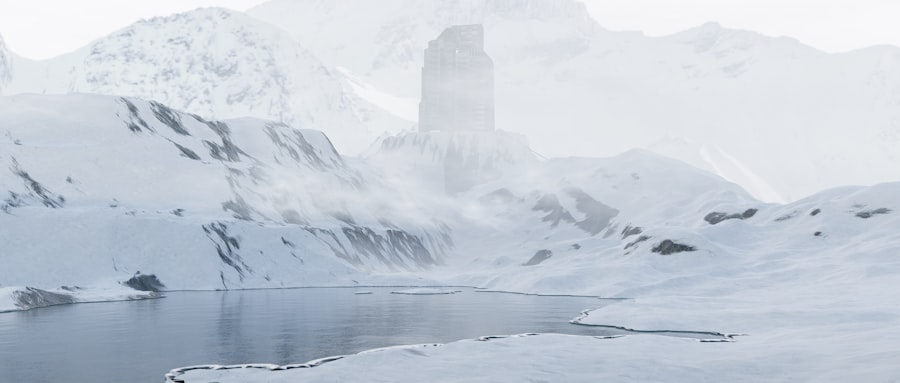
The provisions of the Antarctic Treaty are comprehensive and designed to address various aspects of governance, environmental protection, and scientific research. One of the most significant restrictions is the prohibition of military activity on the continent. This includes not only the establishment of military bases but also any form of military maneuvers or testing.
The treaty emphasizes that Antarctica should be used solely for peaceful purposes, thereby reducing the potential for conflict among nations vying for control over its resources. In addition to military restrictions, the treaty also places limitations on mineral exploration and exploitation. While some countries have expressed interest in tapping into Antarctica’s vast mineral wealth, the treaty effectively halts such endeavors by declaring that any mineral resource activities are prohibited until a consensus is reached among signatory nations.
This provision reflects a commitment to preserving the continent’s pristine environment and ensuring that scientific research remains the primary focus. The treaty also establishes mechanisms for regular meetings among member states to discuss issues related to governance, environmental protection, and scientific collaboration.
The Enigma of Antarctica: What Lies Beneath the Ice?
Beneath its icy surface, Antarctica holds secrets that have long fascinated scientists and explorers alike. The continent is not merely a barren wasteland; it is home to unique ecosystems, ancient ice cores, and geological formations that provide valuable insights into Earth’s history. Researchers have discovered that beneath the ice lies a complex network of subglacial lakes and rivers, some of which have been isolated for millions of years.
These hidden bodies of water may harbor microbial life forms that have adapted to extreme conditions, offering clues about life’s resilience on Earth and potentially beyond. Moreover, Antarctica’s ice sheets serve as a critical indicator of climate change. As global temperatures rise, scientists are closely monitoring the melting ice and its implications for sea-level rise.
The data collected from Antarctica can help researchers understand past climate patterns and predict future changes. The enigma of what lies beneath the ice extends beyond biological discoveries; it encompasses geological studies that reveal tectonic activity and volcanic systems hidden beneath layers of ice. Each expedition into this frozen frontier uncovers new mysteries, contributing to humanity’s understanding of our planet’s evolution.
Conspiracy Theories and Speculations Surrounding the Antarctic Treaty
| Aspect | Description | Relevance |
|---|---|---|
| Antarctic Treaty | International agreement signed in 1959 to regulate international relations with respect to Antarctica. | Establishes Antarctica as a scientific preserve and bans military activity. |
| Forbidden Knowledge | Information or data restricted or classified under the treaty, often related to military or resource exploitation. | Ensures peaceful use and environmental protection of Antarctica. |
| Military Activity Ban | Prohibition of any military measures, including weapons testing and military bases. | Prevents militarization and conflict in Antarctica. |
| Resource Exploitation Restrictions | Limits on mining and resource extraction to protect the environment. | Preserves Antarctica’s ecosystem and scientific value. |
| Scientific Research | Permitted and encouraged under the treaty with open sharing of data. | Promotes international cooperation and transparency. |
| Environmental Protocol | Additional agreement (Madrid Protocol) that prohibits mineral resource activities except for scientific research. | Strengthens environmental protection measures. |
The Antarctic Treaty has not only facilitated international cooperation but has also given rise to a myriad of conspiracy theories and speculations. Some individuals believe that hidden within Antarctica are secret military bases operated by various nations or even extraterrestrial entities. These theories often stem from the continent’s remoteness and the limited access granted to outsiders, fueling imaginations about what might be concealed beneath its icy facade.
Additionally, there are claims that powerful governments are suppressing information about significant discoveries made in Antarctica, such as ancient civilizations or advanced technologies. These narratives often intertwine with broader themes of distrust in governmental transparency and secrecy surrounding scientific research. While many of these theories lack credible evidence, they highlight a cultural fascination with the unknown and humanity’s desire to uncover hidden truths about our world.
Scientific Research and Discoveries in Antarctica
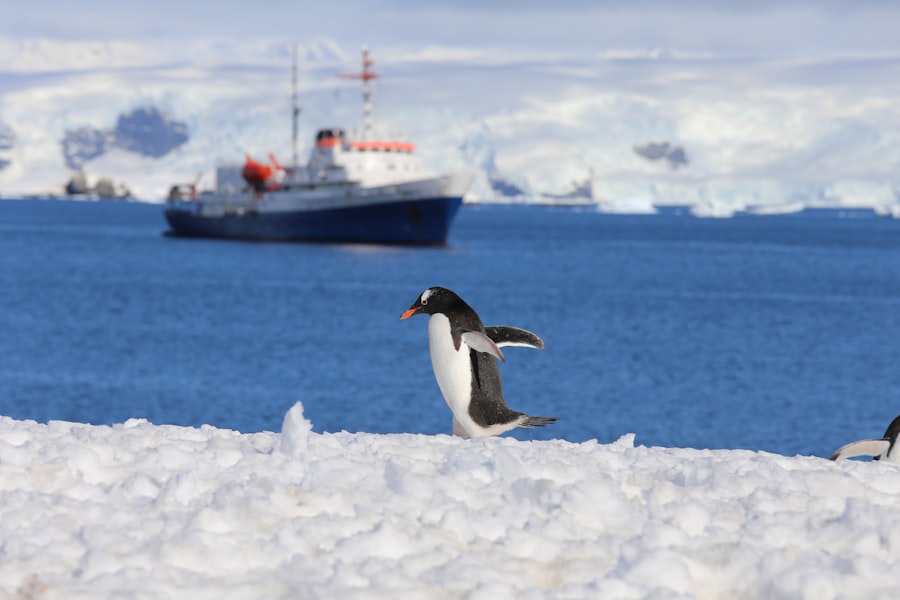
Scientific research in Antarctica has yielded groundbreaking discoveries across various fields, including climate science, biology, and geology. The continent serves as a natural laboratory where researchers can study phenomena that are otherwise difficult to observe in more temperate regions. For instance, ice cores extracted from deep within glaciers provide invaluable data about Earth’s climate history, revealing information about atmospheric composition over millennia.
In addition to climate research, Antarctica has become a hotspot for biological studies. The extreme conditions have led to unique adaptations among organisms, from resilient microorganisms thriving in subglacial lakes to diverse marine life in surrounding waters. These studies not only enhance understanding of life on Earth but also inform astrobiological research by providing insights into how life might exist on other planets with harsh environments.
The collaborative nature of scientific research in Antarctica fosters innovation and knowledge-sharing among nations, reinforcing the treaty’s original intent.
Environmental Concerns and Conservation Efforts in Antarctica
As scientific exploration continues in Antarctica, environmental concerns have emerged regarding the impact of human activity on this fragile ecosystem. The delicate balance of life in Antarctica is threatened by climate change, pollution from research stations, and potential tourism-related disturbances. Rising temperatures are causing ice sheets to melt at an alarming rate, leading to concerns about rising sea levels and their global implications.
In response to these challenges, conservation efforts have gained momentum among signatory nations. Initiatives aimed at protecting marine biodiversity have been established, including designated marine protected areas that restrict fishing activities in sensitive regions. Additionally, guidelines for sustainable tourism practices are being developed to minimize human impact on wildlife and habitats.
These efforts reflect a growing recognition of the need to safeguard Antarctica’s unique environment while allowing for continued scientific exploration.
The Role of International Organizations in Antarctica
International organizations play a crucial role in overseeing activities in Antarctica and ensuring compliance with the provisions of the Antarctic Treaty. The Antarctic Treaty System includes various agreements and protocols that govern different aspects of governance, environmental protection, and scientific collaboration. Organizations such as the Scientific Committee on Antarctic Research (SCAR) facilitate coordination among researchers from different countries, promoting collaboration on scientific projects.
Furthermore, organizations like the Antarctic Conservation Act help enforce regulations aimed at protecting wildlife and habitats from human interference. These entities work together to monitor activities on the continent, ensuring that research is conducted responsibly and sustainably. The collaborative efforts among international organizations underscore the importance of collective stewardship in preserving Antarctica for future generations.
Challenges and Controversies Surrounding the Antarctic Treaty
Despite its noble intentions, the Antarctic Treaty faces several challenges and controversies that threaten its effectiveness. One significant issue is the growing interest in resource exploitation as global demand for minerals and energy increases. Some nations have expressed desires to revisit provisions regarding mineral exploration, raising concerns about potential conflicts among signatory states.
Additionally, geopolitical tensions can complicate cooperation in Antarctica. As nations assert their interests in other regions of the world, there is a risk that these rivalries could spill over into discussions about governance in Antarctica. Balancing national interests with collective responsibility remains a delicate task for treaty members as they navigate these complexities while striving to uphold their commitment to peace and scientific collaboration.
The Future of Antarctica: Potential Developments and Conflicts
Looking ahead, the future of Antarctica remains uncertain as various factors come into play. Climate change will continue to shape discussions about environmental protection and resource management on the continent. As ice melts and ecosystems shift, researchers will need to adapt their approaches to studying these changes while advocating for conservation measures.
Moreover, potential conflicts over resource exploitation could lead to tensions among nations with competing interests in Antarctica’s mineral wealth. As technology advances and exploration capabilities improve, there may be increased pressure to reassess existing treaties and regulations governing resource use. Striking a balance between scientific exploration and economic interests will be crucial in determining how Antarctica is managed moving forward.
Unveiling the Truth: Debunking Myths and Misconceptions about the Antarctic Treaty
In light of widespread speculation surrounding the Antarctic Treaty, it is essential to debunk myths and misconceptions that have taken root over time. One common belief is that governments are hiding significant discoveries made in Antarctica from the public eye; however, much of the research conducted on the continent is published openly in scientific journals accessible to anyone interested.
By clarifying these misunderstandings, it becomes evident that while secrecy may surround certain aspects of Antarctic governance, there is also a commitment among nations to transparency in scientific endeavors. In conclusion, while the Antarctic Treaty serves as a framework for international cooperation in one of Earth’s most remote regions, it also invites speculation about what lies beneath its icy surface—both literally and metaphorically. As humanity grapples with pressing environmental challenges and geopolitical tensions, maintaining a commitment to peace and collaboration will be essential for preserving this unique continent for generations to come.
The Antarctic Treaty has long been a subject of intrigue, particularly regarding the forbidden knowledge that some believe is hidden beneath the ice. For those interested in exploring this topic further, a related article can be found at XFile Findings, which delves into the mysteries surrounding Antarctica and the implications of the treaty on scientific research and exploration.
WATCH THIS! 🚨 They Hid This: The Missing CIA Page That Warns About Antarctica
FAQs
What is the Antarctic Treaty?
The Antarctic Treaty is an international agreement signed in 1959 that regulates international relations with respect to Antarctica. It establishes the continent as a scientific preserve, bans military activity, and prohibits mineral mining, nuclear explosions, and nuclear waste disposal.
What does “forbidden knowledge” mean in the context of the Antarctic Treaty?
In this context, “forbidden knowledge” typically refers to information or activities that are restricted or prohibited under the Antarctic Treaty, such as military operations, resource exploitation, or any actions that could harm the environment or violate the treaty’s terms.
Are there any restrictions on research or information sharing under the Antarctic Treaty?
The treaty encourages scientific research and promotes the free exchange of information and personnel among signatory countries. There are no restrictions on sharing scientific knowledge obtained in Antarctica, as long as it complies with environmental and safety regulations.
Is military activity allowed in Antarctica under the treaty?
No, the Antarctic Treaty explicitly prohibits any military activity, including the establishment of military bases, maneuvers, or weapons testing, to ensure the continent remains a zone of peace.
Can countries claim sovereignty over parts of Antarctica?
The treaty puts all territorial claims on hold and prohibits new claims while it is in force. It neither recognizes nor disputes existing claims but promotes cooperation and peaceful use of the continent.
Are there any environmental protections under the Antarctic Treaty?
Yes, the treaty includes protocols that protect the Antarctic environment, including regulations on waste disposal, wildlife protection, and restrictions on activities that could cause environmental damage.
Is mining or resource extraction allowed in Antarctica?
Currently, the treaty prohibits mineral resource activities except for scientific research. The Protocol on Environmental Protection to the Antarctic Treaty bans mining until at least 2048.
Who enforces the Antarctic Treaty?
Enforcement is carried out by the treaty’s consultative parties through inspections and meetings. Each member country is responsible for ensuring its nationals comply with the treaty’s provisions.
Can private companies operate in Antarctica?
Private companies can operate in Antarctica only under the authorization and supervision of a treaty member country, and their activities must comply with the treaty’s environmental and operational regulations.
Where can I find official information about the Antarctic Treaty?
Official information is available through the Secretariat of the Antarctic Treaty, which provides documents, updates, and resources related to the treaty and its protocols.