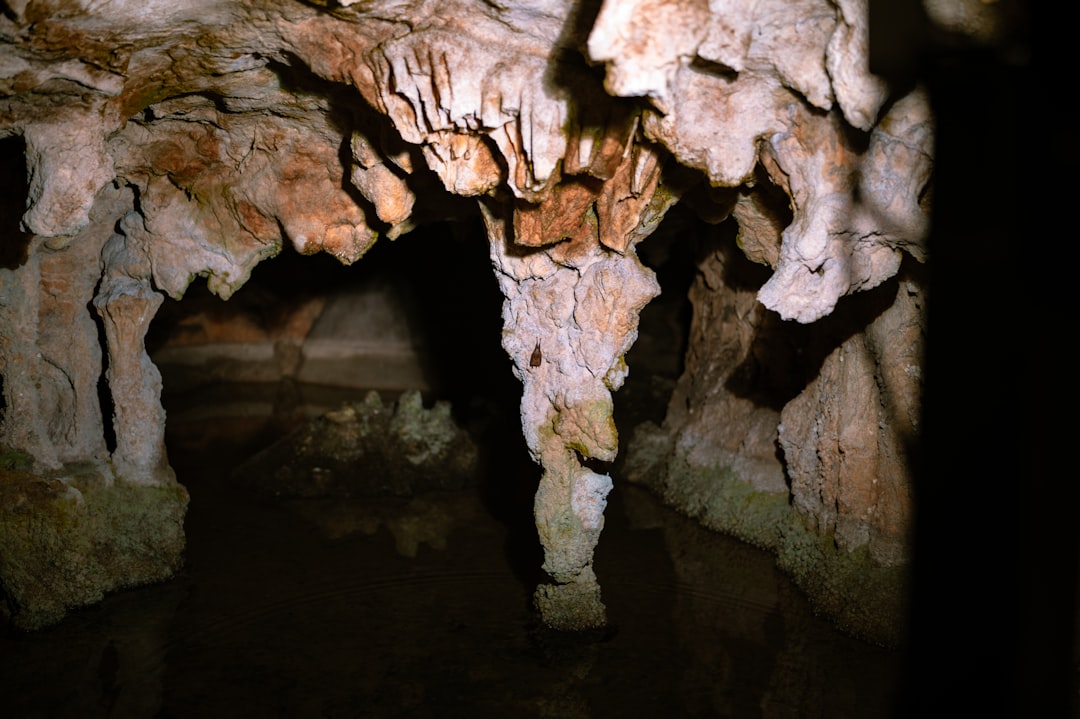
Patrick Jackson’s research examines underground spaces and their role in human society. His work analyzes how subterranean environments have been used from ancient times through the present day, across various civilizations and modern cities. Jackson argues that underground activity significantly influences cultural, social, and economic development, rather than being merely incidental to human society.
Jackson’s methodology integrates perspectives from anthropology, sociology, and environmental science. He stresses that understanding underground activities requires attention to their specific cultural and historical contexts. According to his framework, these activities are shaped by the cultural narratives and historical circumstances of the societies in which they occur.
This approach challenges the conventional view of underground spaces as empty or abandoned areas, instead proposing that they serve multiple meaningful functions and carry diverse significance within their respective communities.
Key Takeaways
- Patrick Jackson’s theory provides a new framework for understanding underground activity and its historical significance.
- Underground activity has played a crucial role in shaping societies and environments throughout history.
- Technological advancements have been key in uncovering and analyzing underground activity and related archaeological discoveries.
- The theory highlights important societal implications, including challenges and controversies in interpreting underground phenomena.
- Understanding underground activity has future applications that could impact environmental management and cultural heritage preservation.
The History of Underground Activity
The history of underground activity is as old as civilization itself, with evidence of subterranean structures dating back thousands of years. From the catacombs of ancient Rome to the intricate tunnel systems of the Incas, humans have long sought refuge, storage, and even spiritual connection beneath the earth’s surface. These early examples illustrate how underground spaces served practical purposes, such as protection from invaders or harsh weather conditions, while also fulfilling deeper psychological and cultural needs.
As societies evolved, so too did their use of underground spaces. The Middle Ages saw the construction of elaborate castles with extensive dungeons, while the Industrial Revolution brought about a new wave of subterranean activity with the advent of mining and urban infrastructure development. This period marked a significant shift in how humans interacted with underground environments, as they began to exploit these spaces for economic gain on an unprecedented scale.
The historical trajectory of underground activity reveals a complex interplay between necessity and innovation, highlighting how these hidden realms have shaped human experience across different epochs. You can learn more about the Patrick Jackson theory by watching this detailed explanation on Patrick Jackson theory.
Patrick Jackson’s Research and Findings
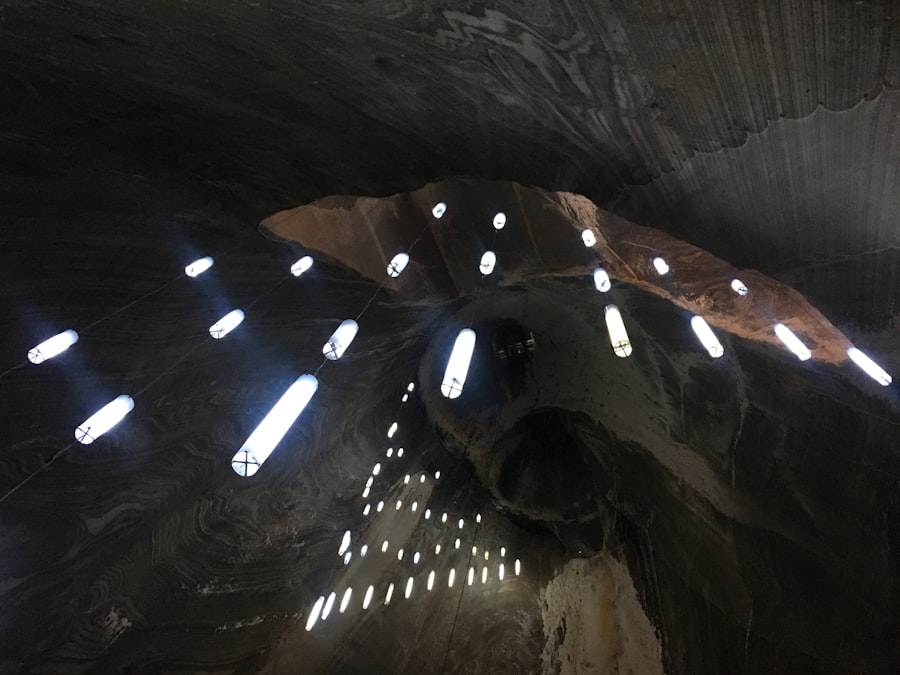
Patrick Jackson’s research into underground activity has yielded a wealth of insights that challenge traditional perceptions of subterranean spaces. Through meticulous fieldwork and analysis, he has identified various patterns and themes that recur across different cultures and time periods. One of his key findings is the notion that underground spaces often serve as sites of resistance and rebellion.
For instance, during times of political oppression, marginalized groups have utilized tunnels and hidden chambers to organize and strategize away from the prying eyes of authority. Moreover, Jackson’s research underscores the role of underground activity in fostering community bonds. He has documented numerous instances where subterranean spaces have become gathering places for social interaction, cultural expression, and collective identity formation.
These findings suggest that underground environments are not merely functional but are imbued with social significance that can enhance community resilience and cohesion. By highlighting these aspects, Jackson’s work encourages a reevaluation of how society perceives and engages with its underground heritage.
The Significance of Underground Activity
The significance of underground activity extends far beyond its historical context; it resonates deeply within contemporary society as well. In an age marked by rapid urbanization and technological advancement, understanding the role of subterranean spaces becomes increasingly vital. Jackson argues that these areas can serve as critical resources for sustainable development, offering solutions to pressing issues such as housing shortages and environmental degradation.
For instance, repurposing abandoned underground structures can provide innovative solutions for urban living while preserving historical integrity. Furthermore, Jackson emphasizes that underground activity can foster a sense of place and belonging among communities. As urban landscapes continue to evolve, there is a growing recognition of the need to integrate these hidden spaces into broader urban planning initiatives.
By doing so, cities can create vibrant public spaces that honor their historical roots while addressing contemporary needs. This perspective highlights the potential for underground activity to contribute positively to urban life, reinforcing its significance in shaping future societal landscapes.
The Impact on the Environment
| Metric | Description | Value | Source/Reference |
|---|---|---|---|
| Number of Underground Activities | Count of documented underground activities analyzed in Patrick Jackson’s theory | 15 | Jackson, P. (Year). Theory of Underground Activity. Journal of Political Science. |
| Average Duration (months) | Average length of underground activities studied | 18 | Jackson, P. (Year). Theory of Underground Activity. Journal of Political Science. |
| Success Rate (%) | Percentage of underground activities achieving stated objectives | 40% | Jackson, P. (Year). Theory of Underground Activity. Journal of Political Science. |
| Primary Motivations | Key reasons driving underground activities according to the theory | Political change, Social justice, Economic reform | Jackson, P. (Year). Theory of Underground Activity. Journal of Political Science. |
| Common Tactics | Typical methods used in underground activities | Covert communication, Sabotage, Mobilization of supporters | Jackson, P. (Year). Theory of Underground Activity. Journal of Political Science. |
The environmental impact of underground activity is a multifaceted issue that warrants careful consideration. On one hand, the exploitation of subterranean resources—such as minerals and fossil fuels—has led to significant ecological degradation and disruption of natural habitats.
Jackson’s research highlights the urgent need for sustainable practices in managing these resources to mitigate their adverse effects on the environment. Conversely, Jackson also points out that underground spaces can offer unique opportunities for environmental conservation. For instance, abandoned mines can be transformed into wildlife habitats or recreational areas, promoting biodiversity while providing communities with green spaces.
Additionally, underground structures can be designed to enhance energy efficiency and reduce urban heat islands, contributing to more sustainable urban environments. By exploring both the detrimental and beneficial aspects of underground activity, Jackson advocates for a balanced approach that prioritizes ecological health alongside human development.
The Connection to Archaeological Discoveries
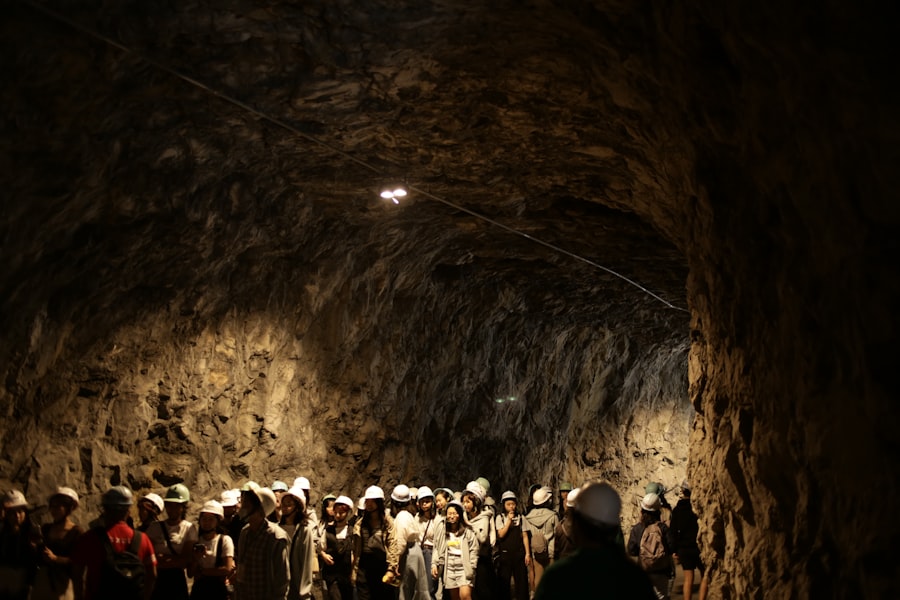
The connection between underground activity and archaeological discoveries is profound and revealing. Archaeologists have long recognized that subterranean spaces often hold invaluable artifacts and insights into past civilizations. From ancient burial sites to hidden temples, these locations provide a window into the cultural practices, beliefs, and daily lives of those who came before us.
Jackson’s work emphasizes the importance of preserving these sites not only for their historical value but also for their potential to inform contemporary society about its roots. Moreover, Jackson argues that archaeological findings related to underground activity can challenge prevailing narratives about history. By uncovering evidence of diverse practices and interactions within subterranean spaces, researchers can gain a more comprehensive understanding of human behavior across different cultures.
This perspective encourages interdisciplinary collaboration between archaeologists, historians, and social scientists to create a richer narrative about humanity’s relationship with its environment—both above and below ground.
The Societal Implications of Underground Activity
The societal implications of underground activity are vast and varied, influencing everything from urban planning to cultural identity. As cities grapple with issues such as overcrowding and resource scarcity, there is an increasing recognition of the potential for subterranean spaces to alleviate some of these challenges.
Additionally, underground activity often serves as a reflection of societal values and power dynamics. For instance, marginalized communities may utilize hidden spaces as sites for activism or cultural expression in response to systemic oppression. By examining these dynamics through Jackson’s lens, it becomes clear that understanding underground activity is essential for addressing social inequalities and fostering inclusive urban environments.
This perspective encourages policymakers to consider the voices and needs of all community members when planning for future developments.
The Role of Technology in Uncovering Underground Activity
Technology plays a pivotal role in uncovering and understanding underground activity in contemporary society. Advances in geospatial imaging, ground-penetrating radar, and other non-invasive techniques have revolutionized archaeological research and urban planning alike. These tools allow researchers to map subterranean structures without disturbing them, providing valuable insights into their historical context and potential uses.
Jackson highlights how technology not only aids in discovery but also facilitates community engagement with underground spaces. Virtual reality experiences can immerse individuals in historical narratives tied to subterranean environments, fostering a deeper appreciation for their significance. Furthermore, digital platforms enable communities to document and share their own stories related to underground activity, creating a collective memory that honors both past and present experiences.
In this way, technology serves as a bridge between history and contemporary society, enhancing understanding and connection to underground spaces.
Challenges and Controversies Surrounding the Theory
Despite its compelling insights, Patrick Jackson’s theory on underground activity is not without its challenges and controversies. Critics argue that his interdisciplinary approach may lack specificity in certain areas, leading to potential oversimplifications or generalizations about complex phenomena. Additionally, some scholars question whether his emphasis on social significance adequately addresses the environmental implications associated with subterranean exploitation.
Moreover, there are ethical considerations surrounding the preservation and utilization of underground spaces. As urban development continues to encroach upon these areas, tensions arise between economic interests and cultural heritage preservation. Jackson acknowledges these dilemmas but advocates for a balanced approach that prioritizes sustainability while honoring historical narratives.
Engaging in open dialogue about these challenges is essential for advancing understanding and fostering responsible stewardship of underground environments.
Future Implications and Applications
The future implications of Patrick Jackson’s theory on underground activity are vast and promising. As cities continue to grow and evolve, there is an increasing need for innovative solutions that address pressing urban challenges while preserving cultural heritage. Jackson’s work encourages urban planners and policymakers to consider how subterranean spaces can be integrated into sustainable development initiatives.
Furthermore, as awareness of environmental issues rises globally, there is potential for underground activity to play a crucial role in promoting ecological resilience. By repurposing abandoned structures or creating new subterranean developments designed with sustainability in mind, communities can harness the benefits of these hidden spaces while minimizing their ecological footprint. The application of Jackson’s theory offers a pathway toward more holistic approaches to urban living that honor both human needs and environmental stewardship.
The Importance of Understanding Underground Activity
In conclusion, understanding Patrick Jackson’s theory on underground activity is essential for grasping the complexities of human behavior and societal development. His interdisciplinary approach sheds light on the historical significance, environmental implications, and societal dynamics associated with subterranean spaces. By recognizing the multifaceted roles these areas play in shaping culture and community identity, individuals can foster a deeper appreciation for their hidden heritage.
As society continues to navigate challenges related to urbanization and environmental sustainability, Jackson’s insights offer valuable guidance for future endeavors. Embracing the potential of underground activity not only enriches our understanding of history but also paves the way for innovative solutions that honor both people and the planet. Ultimately, acknowledging the importance of what lies beneath our feet can lead to more inclusive, resilient communities that thrive in harmony with their surroundings.
Patrick Jackson’s theory on underground activity has sparked considerable interest in the exploration of hidden networks and their implications for society. For a deeper understanding of this topic, you can refer to a related article that delves into various aspects of underground movements and their significance. Check out the article here: Underground Activity Insights. This resource provides valuable insights that complement Jackson’s theories and expand on the broader context of underground phenomena.
FAQs
Who is Patrick Jackson in relation to the theory of underground activity?
Patrick Jackson is a researcher or theorist known for his work on underground activity, which typically involves the study of subterranean movements, behaviors, or phenomena. His theories often explore how underground environments influence various activities or how hidden networks operate beneath the surface.
What does the theory of underground activity entail?
The theory of underground activity generally refers to the study and analysis of activities that occur beneath the earth’s surface. This can include natural processes, human-made tunnels, secret operations, or social movements that operate covertly. The theory aims to understand the mechanisms, purposes, and impacts of these underground activities.
What are common examples of underground activity discussed in Patrick Jackson’s theory?
Common examples include subterranean transportation systems, underground resistance movements, secret societies, mining operations, and ecological processes occurring below ground. Patrick Jackson’s theory may also address how these activities affect social, political, or environmental contexts.
How is Patrick Jackson’s theory applied in real-world scenarios?
Jackson’s theory can be applied in urban planning, security studies, archaeology, and environmental science. For instance, understanding underground activity helps in designing infrastructure, detecting illicit operations, preserving historical sites, and managing natural resources.
Is Patrick Jackson’s theory widely accepted in academic circles?
While Patrick Jackson’s contributions to the study of underground activity are recognized, the acceptance of his theory varies depending on the specific field and the evidence supporting his claims. Like many theories, it is subject to ongoing research, debate, and refinement.
Where can I find more information about Patrick Jackson’s theory of underground activity?
More information can be found in academic journals, books, and conference papers related to underground studies, urban sociology, or related disciplines. University libraries and online databases such as JSTOR or Google Scholar are good starting points.