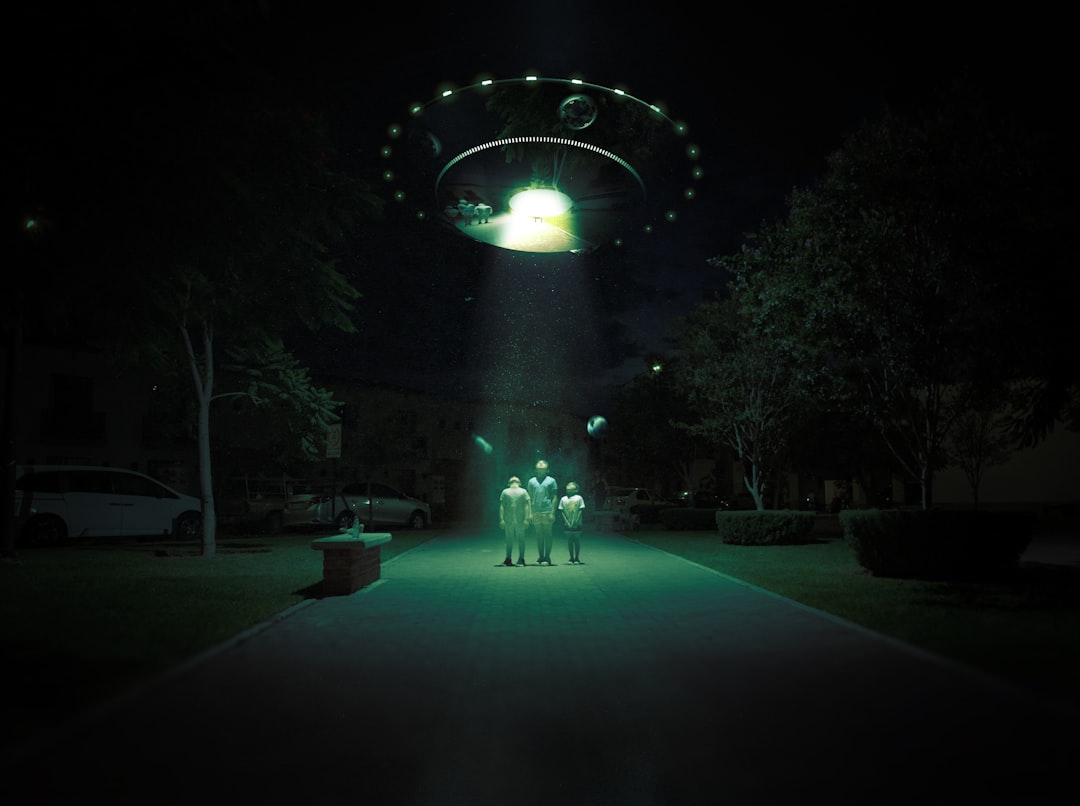
The concept of alien intervention theory has captivated the human imagination for decades, if not centuries. You may find yourself pondering the possibility that extraterrestrial beings have played a role in shaping human history, culture, and even our very existence. This theory posits that advanced civilizations from other planets have visited Earth, influencing our development in various ways.
From ancient texts to modern sightings, the idea of alien intervention raises profound questions about humanity’s place in the universe and the nature of intelligence itself. As you delve deeper into this intriguing theory, you will discover a tapestry woven with historical accounts, archaeological findings, and anecdotal evidence. The allure of alien intervention lies not only in its potential truths but also in the mysteries it presents.
Are we alone in the universe? Have we been visited by beings from other worlds? These questions fuel your curiosity and drive you to explore the myriad facets of this captivating subject.
Key Takeaways
- Alien Intervention Theory explores the idea that extraterrestrials influenced human history and development.
- Ancient civilizations are often cited as evidence, with claims of advanced knowledge possibly derived from alien contact.
- Modern encounters and reported sightings fuel ongoing debates and controversies around the theory.
- The scientific community remains largely skeptical, emphasizing the need for empirical evidence.
- The theory’s future depends on new discoveries and continued investigation into unexplained phenomena.
The History of Alien Intervention Theory
The roots of alien intervention theory can be traced back to ancient civilizations, where myths and legends often hinted at encounters with celestial beings. You might be surprised to learn that many cultures have stories of gods descending from the heavens, imparting knowledge and wisdom to humanity. For instance, the Sumerians spoke of the Anunnaki, deities who supposedly came from the stars to guide and assist early humans.
Such narratives have laid the groundwork for modern interpretations of alien intervention. As you explore the timeline of this theory, you will find that it gained significant traction during the 20th century, particularly after World War
The advent of the space age and the subsequent fascination with UFO sightings led to a surge in public interest.
This period marked a turning point, as more individuals began to consider the possibility that we are not alone in the cosmos.

Evidence for Alien Intervention
| Type of Evidence | Description | Notable Examples | Scientific Consensus |
|---|---|---|---|
| UFO Sightings | Unidentified flying objects reported by civilians and military personnel. | Roswell Incident (1947), Phoenix Lights (1997) | Mostly explained by natural or man-made phenomena; no confirmed alien origin. |
| Ancient Artifacts | Objects or structures allegedly showing advanced technology or alien influence. | Pyramids of Giza, Nazca Lines | Attributed to human ingenuity and culture; no credible evidence of alien involvement. |
| Crop Circles | Patterns created in fields, sometimes claimed to be messages from aliens. | English countryside crop circles | Mostly proven to be human-made hoaxes. |
| Alien Abduction Reports | Claims of individuals being taken by extraterrestrials. | Betty and Barney Hill case (1961) | Largely considered psychological phenomena or hoaxes. |
| Radio Signals | Unexplained signals from space potentially indicating intelligent life. | Wow! Signal (1977) | No repeat detections; origin remains unknown but not confirmed alien. |
When discussing alien intervention theory, you may wonder what evidence supports such claims. Proponents often point to various forms of evidence, ranging from ancient artifacts to modern-day encounters. For instance, you might come across ancient structures like the pyramids of Egypt or Stonehenge, which some argue could not have been constructed without advanced technology or guidance from extraterrestrial beings.
These monumental achievements raise questions about human capabilities and the potential influence of outside forces. In addition to archaeological evidence, you may also encounter numerous accounts of UFO sightings and alleged abductions. Eyewitness testimonies from credible sources, including military personnel and pilots, lend weight to the argument that something extraordinary is occurring in our skies.
You might find it fascinating that organizations like the Mutual UFO Network (MUFON) have documented thousands of sightings, creating a repository of information that fuels ongoing debates about alien intervention.
The Role of Ancient Civilizations in Alien Intervention Theory
As you delve into ancient civilizations, you will discover that many cultures have left behind artifacts and texts that suggest contact with extraterrestrial beings. The Mayans, for example, had an intricate understanding of astronomy and timekeeping that some believe could only have been imparted by advanced visitors from other worlds. You may find it intriguing that their calendar system was so precise that it continues to baffle modern scholars.
Similarly, the Nazca Lines in Peru present another enigma. These massive geoglyphs etched into the desert floor can only be fully appreciated from the air, leading some to speculate that they were created as landing strips or signals for alien spacecraft. As you explore these ancient wonders, you may begin to see a pattern: civilizations across the globe seem to share a common thread of celestial fascination and potential contact with beings beyond our planet.
Modern Encounters and Alien Intervention

In contemporary times, reports of UFO sightings and encounters with extraterrestrial beings continue to emerge, capturing your attention and sparking your imagination. You may recall high-profile incidents such as the Phoenix Lights in 1997 or the Tic Tac UFO encounter involving U.S. Navy pilots in 2004. These events have not only been witnessed by ordinary citizens but also by trained professionals, adding credibility to claims of alien presence. As you examine these modern encounters, you might also consider the implications they hold for our understanding of reality. The existence of unidentified aerial phenomena (UAP) has prompted governments around the world to take a closer look at what lies beyond our atmosphere. You may find it fascinating that recent reports from the Pentagon have acknowledged UAPs as real and unexplained, further fueling speculation about potential alien intervention.
Controversies Surrounding Alien Intervention Theory
Despite its allure, alien intervention theory is not without its controversies. As you navigate this complex landscape, you will encounter skeptics who argue that claims of extraterrestrial contact are rooted in misinterpretation or fabrication. They contend that many supposed pieces of evidence can be explained through natural phenomena or human ingenuity rather than alien influence.
This skepticism invites you to critically evaluate the information presented and consider alternative explanations. Moreover, you may find that the sensationalism surrounding alien intervention has led to a proliferation of conspiracy theories that can cloud genuine inquiry. The blending of fact and fiction can make it challenging to discern credible evidence from mere speculation.
As you engage with this topic, it is essential to approach it with an open mind while also maintaining a healthy dose of skepticism.
The Scientific Community’s Response to Alien Intervention Theory
The scientific community has had a mixed response to alien intervention theory. While some researchers are open to exploring the possibility of extraterrestrial life, others remain firmly skeptical. You may find it interesting that scientists often emphasize the need for empirical evidence before drawing conclusions about alien contact.
The search for extraterrestrial intelligence (SETI) has been a significant focus within the scientific community, utilizing advanced technology to scan the cosmos for signals from other civilizations. However, as you delve deeper into this subject, you will discover that some scientists are beginning to take reports of UAPs more seriously. The establishment of task forces within government agencies indicates a shift toward acknowledging unexplained phenomena as worthy of investigation.
This evolving perspective suggests that while skepticism remains prevalent, there is also a growing recognition that we may need to reconsider our understanding of what lies beyond our planet.
The Potential Implications of Alien Intervention
The implications of alien intervention theory are profound and far-reaching. If it were proven that extraterrestrial beings had indeed influenced human development, it would challenge your understanding of history and humanity’s place in the universe. You might contemplate how such revelations could reshape religious beliefs, philosophical perspectives, and even scientific paradigms.
Moreover, consider how knowledge of alien intervention could impact global society. Would it unite humanity in a shared quest for understanding? Or would it lead to fear and division?
As you ponder these questions, you may realize that the potential for discovery extends beyond mere curiosity; it could fundamentally alter our collective consciousness and drive us toward a new era of exploration and cooperation.
Debunking Myths and Misconceptions about Alien Intervention
As you navigate through the myriad claims surrounding alien intervention theory, it’s essential to debunk common myths and misconceptions that often cloud public perception. One prevalent myth is that all UFO sightings are evidence of alien spacecraft; however, many can be attributed to natural phenomena or human-made objects like drones or aircraft. By distinguishing between credible reports and misidentified objects, you can develop a more nuanced understanding of this complex topic.
Another misconception is that ancient civilizations were entirely dependent on extraterrestrial guidance for their achievements. While it’s true that some cultures may have had contact with advanced beings, attributing all human progress solely to aliens undermines our capacity for innovation and creativity. As you explore these myths, you’ll gain a clearer perspective on what constitutes credible evidence versus sensationalized claims.
The Future of Alien Intervention Theory
Looking ahead, the future of alien intervention theory remains uncertain yet filled with potential for discovery. As technology advances and our understanding of the universe expands, new avenues for exploration may emerge. You might consider how ongoing missions to Mars and beyond could yield evidence of past or present life forms, reigniting interest in the possibility of extraterrestrial influence on Earth.
Moreover, as public interest continues to grow, more researchers may dedicate their efforts to studying UAPs and other unexplained phenomena. This could lead to breakthroughs in our understanding of both our planet and the cosmos at large. As you contemplate these possibilities, you may feel a sense of excitement about what lies ahead in humanity’s quest for knowledge.
The Continued Search for the Missing Link
In conclusion, your journey through alien intervention theory reveals a rich tapestry woven with history, evidence, controversy, and speculation. As you reflect on what you’ve learned, it’s clear that this theory taps into fundamental questions about existence and our place in the universe. While skepticism remains an essential part of any inquiry into such profound topics, your exploration encourages an open-minded approach to understanding what might lie beyond our world.
The search for answers continues as humanity grapples with its own history while looking toward an uncertain future filled with possibilities.
The missing link alien intervention theory suggests that extraterrestrial beings may have played a role in the evolution of human beings, bridging the gap between our primate ancestors and modern humans. This intriguing concept is explored in greater detail in a related article on the X-Files Findings website, which delves into various theories surrounding alien influence on human development. For more information, you can read the article [here](https://www.xfilefindings.com/sample-page/).
WATCH THIS! The DNA Evidence That Proves Humans Are NOT From Earth
FAQs
What is the missing link in human evolution?
The “missing link” refers to a hypothetical extinct creature that represents an evolutionary bridge between modern humans and their primate ancestors. It is often used to describe transitional fossils that show traits of both earlier species and modern humans.
What is the alien intervention theory?
The alien intervention theory suggests that extraterrestrial beings played a role in the development of human civilization or evolution. Proponents believe that aliens may have influenced human genetics, culture, or technology in ancient times.
Is there scientific evidence supporting the alien intervention theory?
No credible scientific evidence currently supports the alien intervention theory. Mainstream science explains human evolution through natural processes such as mutation, natural selection, and genetic drift, supported by extensive fossil records and genetic data.
How does the missing link relate to the alien intervention theory?
Some proponents of the alien intervention theory claim that gaps in the fossil record, such as the missing link, indicate extraterrestrial involvement in human evolution. However, these claims are not supported by the scientific community, which continues to find transitional fossils that fill these gaps.
Have any fossils been found that could be considered the missing link?
Yes, several fossils have been discovered that serve as transitional forms between early primates and modern humans, such as Australopithecus afarensis (e.g., “Lucy”) and Homo habilis. These fossils provide evidence of gradual evolutionary changes.
Why do some people believe in alien intervention despite lack of evidence?
Belief in alien intervention often stems from gaps in knowledge, fascination with extraterrestrial life, or interpretations of ancient texts and artifacts. It can also be influenced by popular culture and speculative theories rather than scientific data.
What is the scientific consensus on human evolution?
The scientific consensus is that humans evolved through natural evolutionary processes over millions of years. This is supported by fossil evidence, comparative anatomy, genetics, and other fields of study.
Can the missing link ever be fully discovered?
While no single “missing link” may exist, as evolution is a continuous process, ongoing fossil discoveries continue to fill gaps in our understanding of human ancestry. New findings help clarify the evolutionary timeline rather than reveal a single transitional species.